How Long Can the Average Man Stay Erect? A Doctor-Reviewed Answer

There is no single “normal” erection length of time, and duration varies from person to person and from situation to situation. Most erections fade within minutes after ejaculation or when arousal decreases.
Key Takeaways
- There is no single “normal” erection length of time, and duration varies from person to person and from situation to situation.
- Most erections fade within minutes after ejaculation or when arousal decreases.
- An erection lasting more than 4 hours is a medical emergency because it may be priapism.
- Stress, fatigue, alcohol, medications, circulation problems, and hormone changes can affect erection duration.
- Doctors assess erection concerns by asking about symptoms, medical history, medications, and sometimes blood flow or hormone tests.
How long can the average man stay erect? For most men, an erection lasts only as long as sexual arousal continues and usually settles within minutes after orgasm or when stimulation stops. In many cases, variation in erection duration is normal, but an erection that lasts longer than 4 hours needs urgent medical attention.
Overview: what is normal erection duration?
The answer to how long can the average man stay erect is usually simple: most erections last for the period of sexual arousal and then go away within minutes after orgasm or when stimulation stops. There is no exact number that applies to every man, because erection duration naturally changes with age, stress level, relationship context, general health, and the cause of arousal.
In many cases, short-term changes are harmless. Some men notice that erections are firmer or last longer at certain times, such as after a full night’s sleep, during strong sexual excitement, or during adolescence and early adulthood. Others may find that erections fade sooner when they are tired, distracted, anxious, or have consumed alcohol.
What matters most is not comparing with others but noticing whether erections are comfortable, predictable enough for the person’s needs, and able to settle afterward. A prolonged, painful, or unwanted erection is not considered normal and should be evaluated, especially if it lasts for hours.
What affects how long an erection lasts?
An erection depends on healthy blood flow, nerve signaling, hormones, and sexual stimulation. When a man becomes aroused, blood enters the erectile tissue of the penis faster than it leaves, creating firmness. As arousal decreases, the blood flow changes and the erection usually subsides.
Many everyday factors can influence duration. Emotional state is a common one: stress, performance anxiety, depression, and relationship strain can shorten or interrupt erections even when there is no physical disease. Fatigue and poor sleep may also reduce erection quality or staying power.
Physical health plays an important role too. Conditions that affect the blood vessels, nerves, or hormones can change erection duration. Examples include diabetes, cardiovascular disease, obesity, low testosterone, pelvic surgery, and some neurological disorders. Men who are concerned about ongoing problems may also benefit from review for erectile dysfunction.
- Alcohol and recreational drugs may weaken erections or make them less predictable.
- Some prescription medicines can affect erections, including certain antidepressants and blood pressure medicines.
- Smoking can impair blood vessel health and reduce erectile function over time.
- Age-related changes may affect firmness and recovery time, although aging alone does not mean a man cannot have satisfying sexual function.
When variation is harmless and when it is not

It is common for erection duration to vary from day to day. An erection that goes away sooner than expected once in a while is often linked to stress, distraction, fatigue, or reduced stimulation. Likewise, an erection that lasts a little longer during intense arousal is usually not a problem if it remains comfortable and resolves on its own.
The more important question is whether the pattern has changed. If a man consistently cannot maintain an erection long enough for sexual activity, or if erections seem clearly weaker than before, a medical review may help identify a treatable cause. Doctors may consider factors such as vascular health, hormones, medication effects, sleep problems, and emotional wellbeing.
A different concern is an erection that lasts too long without easing. If it is persistent, especially painful, and unrelated to ongoing stimulation, it may be a sign of priapism. This is not the same as simply being highly aroused; it can threaten penile tissue if blood becomes trapped and oxygen levels fall.
Red flags: when to seek medical care
Most questions about erection duration are not emergencies, but some situations should not be ignored. The clearest emergency sign is an erection that lasts longer than 4 hours. This needs urgent care, even if the person feels embarrassed, because prompt treatment helps protect tissue and future erectile function.
Medical review is also important if erections become painful, occur without sexual desire, or happen repeatedly for no clear reason. Pain, swelling, penile curvature after injury, or difficulty passing urine also deserve prompt assessment.
- Seek emergency care for an erection lasting more than 4 hours.
- Arrange a doctor’s appointment if erection problems persist for several weeks or keep returning.
- Get medical advice if there is pain, penile trauma, or a sudden change in function.
- Discuss concerns sooner if there is diabetes, heart disease, pelvic surgery, or new medication use.
These red flags do not always mean a serious condition is present, but they do mean an accurate diagnosis is important. Early assessment often leads to simpler treatment and better reassurance.
Possible causes of prolonged or shortened erections
Shorter-than-expected erections may result from temporary factors such as stress, poor sleep, alcohol, or relationship tension. They may also be linked to medical causes, including blood vessel disease, diabetes, nerve injury, hormonal imbalance, or side effects from medication. If the issue is ongoing, a doctor may assess for underlying sexual function problems and related health conditions.
Prolonged erections have different causes. Priapism can be associated with certain blood disorders, medication effects, penile injections, trauma, or substance use. In some cases, no clear trigger is found. The risk is that trapped blood can damage tissue if the erection does not resolve.
Occasionally, men may notice stronger or longer erections after using medicines intended to support erections. These treatments can be helpful when prescribed appropriately, but they should be used under medical guidance, especially if there is chest pain history, heart disease, or if an erection lasts too long. Some men may ultimately be evaluated for options related to erectile dysfunction treatment when conservative measures are not enough.
How doctors diagnose erection concerns
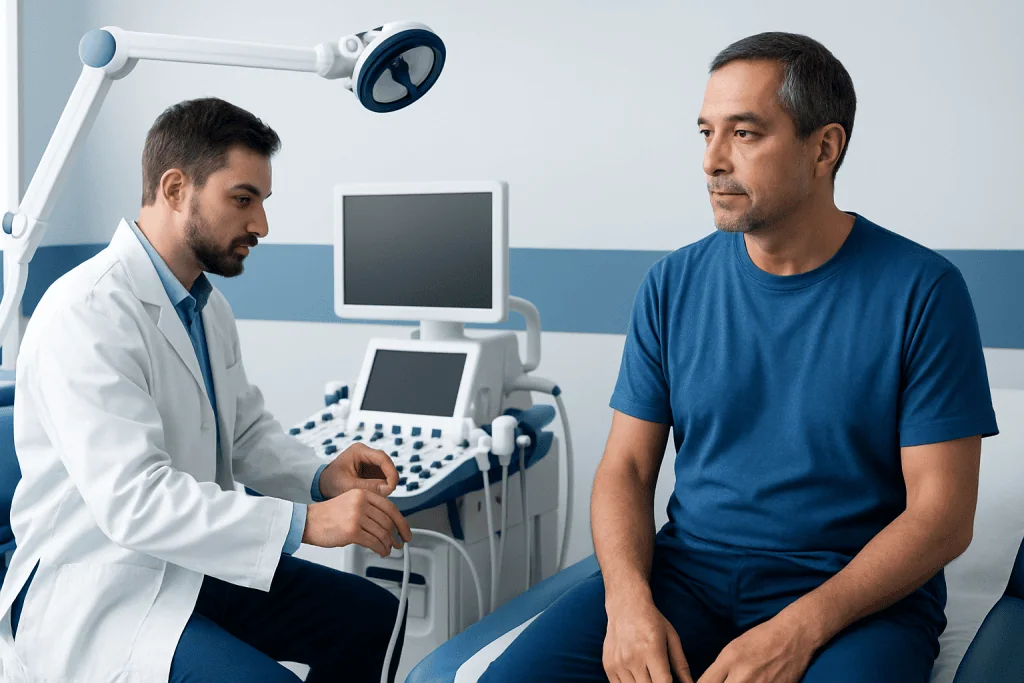
When a man asks how long can the average man stay erect, a doctor usually begins by clarifying what the real concern is. Is the erection too short, too long, painful, inconsistent, or different from the past? This history helps separate normal variation from a symptom that needs investigation.
The consultation often includes questions about timing, sexual desire, morning erections, medication use, alcohol or drug use, recent stress, and any pain or urinary symptoms. Doctors also ask about chronic illnesses such as diabetes, high blood pressure, and cardiovascular disease because these can affect blood flow and nerve function.
A physical examination may be followed by selected tests. These can include blood tests for glucose, cholesterol, or hormones; blood pressure measurement; and sometimes imaging or vascular assessment. In more complex cases, a specialist in urology care may evaluate penile blood flow or look for structural causes.
This step-by-step approach is usually reassuring. It helps identify whether the issue is temporary and manageable with lifestyle changes, whether medication review is needed, or whether more targeted treatment is appropriate.
Treatment and self-care options
Treatment depends on the cause. If erection changes are related to fatigue, stress, alcohol, or relationship factors, practical self-care may be enough. This can include better sleep, regular exercise, limiting alcohol, stopping smoking, and addressing anxiety or mood symptoms. Open communication with a partner may also reduce performance pressure.
When there is an underlying medical condition, treating that condition is important. Better control of diabetes, blood pressure, and cholesterol may improve vascular health over time. A doctor may also review current medicines and consider whether any could be contributing to erection problems.
Medical treatments vary and are chosen individually. They may include oral medicines, counseling, hormone assessment, vacuum devices, or specialist procedures when needed. Some men with persistent concerns may benefit from review by experts in andrology and men’s sexual health.
If prolonged erection is the issue, self-treatment at home is not enough once it reaches the emergency threshold. Priapism requires urgent medical care to relieve trapped blood and protect the penile tissue. Near the end of the care pathway, patients seeking coordinated assessment may find that Acibadem International’s multidisciplinary specialists and JCI-accredited hospitals diagnose and treat urological and sexual health conditions for international patients.
A practical way to think about this question
Instead of focusing on an exact average, it is often more useful to ask whether erections are functioning normally for the individual. A healthy erection is one that occurs with arousal, is firm enough for sexual activity when desired, and settles comfortably afterward. That pattern can look different from one person to another.
Men are often reassured to learn that occasional variation is common and usually not a sign of illness. Duration can change with age, mood, medications, and general health. Comparing too closely with internet claims or anecdotal stories can create unnecessary worry.
The key exception is persistence. If an erection lasts more than 4 hours, is painful, or if erection changes are ongoing and affect quality of life, a qualified doctor should assess the problem. Timely advice can rule out important causes and guide safe, effective treatment.
Frequently asked questions
How long can the average man stay erect during sex?
There is no single set time that fits every man. In general, an erection lasts while sexual arousal continues and usually fades within minutes after ejaculation or when stimulation stops. Normal duration varies widely between individuals and situations.
Is it normal for erections to last only a few minutes?
Yes, that can be normal, especially if orgasm occurs or arousal decreases. Erections do not need to last for a specific number of minutes to be healthy. What matters more is whether the erection is satisfactory for the person and whether there has been a clear ongoing change.
When is an erection too long?
An erection is considered dangerously prolonged if it lasts more than 4 hours. This may be priapism, which needs urgent medical treatment to prevent tissue damage. Pain makes the need for immediate care even more important, but treatment is still needed even if pain is mild.
Can stress or anxiety affect how long an erection lasts?
Yes. Stress, anxiety, distraction, and low mood can all interrupt the brain-body signals involved in erections. This is common and does not automatically mean there is a serious physical problem.
Does age change erection duration?
It can. As men get older, erections may take longer to develop, may be less firm, or may not last as long as they did earlier in life. These changes can be part of normal aging, but persistent or bothersome symptoms should still be discussed with a doctor.
What will a doctor do for erection concerns?
A doctor will usually ask about symptoms, sexual function, medical history, medications, and lifestyle factors. They may perform an examination and order blood tests or other assessments if needed. The goal is to distinguish normal variation from a treatable medical issue.
References
- American Urological Association
- National Institute of Diabetes and Digestive and Kidney Diseases
- Urology Care Foundation
- Mayo Clinic
- Cleveland Clinic
This article is for general information only and is not a substitute for professional medical advice. Please consult a qualified doctor about your individual situation.
Explore treatments in Turkey — costs, top hospitals & a free quote
JCI-accredited · board-certified surgeons · reply within 24h
Add us as a Preferred Source to see more of our trusted health content across Google Search, AI Overviews and Discover.
Check your numbers in seconds
BMI, calories, due date, blood pressure and 30+ more clinical calculators — free, instant, doctor-reviewed ranges.