Face Massage: What Patients Need to Know
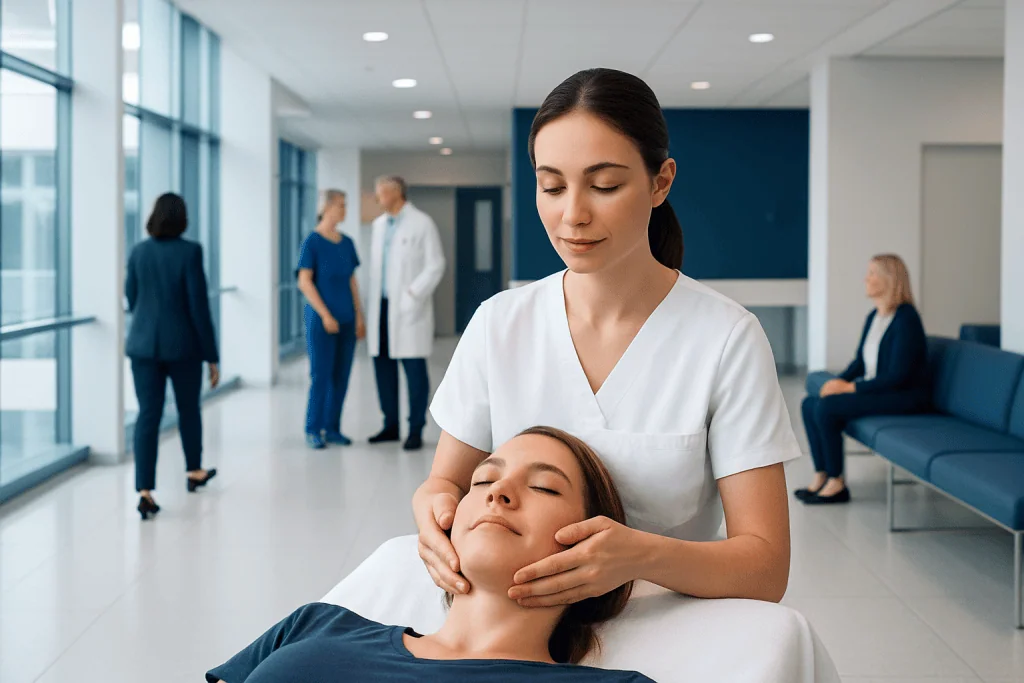
Face massage may help with relaxation, temporary relief of muscle tension, and a sense of skin freshness. It should be gentle; too much pressure can irritate skin, worsen inflammation, or increase discomfort.
Key Takeaways
- Face massage may help with relaxation, temporary relief of muscle tension, and a sense of skin freshness.
- It should be gentle; too much pressure can irritate skin, worsen inflammation, or increase discomfort.
- People with acne flares, rosacea, infections, recent fillers, surgery, or unexplained facial pain should ask a clinician before trying it.
- Clean hands, light pressure, and stopping if pain occurs are basic safety steps.
- Face massage does not replace medical care for persistent pain, swelling, rashes, or facial weakness.
Face massage is a gentle technique used to relax facial muscles, support circulation, and improve comfort during skin care routines. For most people it is safe when done lightly, but it is not a medical treatment and may need to be avoided with active skin disease, recent procedures, or certain types of facial pain.
What face massage is and what it can do
Face massage is the use of gentle hand movements or simple tools on the skin and soft tissues of the face. People may use it as part of a skin care routine, to relax tight jaw or forehead muscles, or simply because it feels soothing. In general, face massage can support comfort and relaxation, but its effects are usually temporary and it should not be viewed as a cure for skin or pain conditions.
The face contains delicate skin, small muscles, lymphatic vessels, and many sensory nerves. Because of this, touch can feel calming, and light movements may briefly improve circulation at the skin surface or help reduce the feeling of puffiness. Some people also notice less awareness of jaw clenching or forehead tension after a short session.
At the same time, more is not always better. Strong pressure, frequent rubbing, or using irritating products can disrupt the skin barrier and make redness or sensitivity worse. A careful approach is especially important for people with chronic skin conditions, active breakouts, or a history of cosmetic procedures.
Potential benefits patients often notice
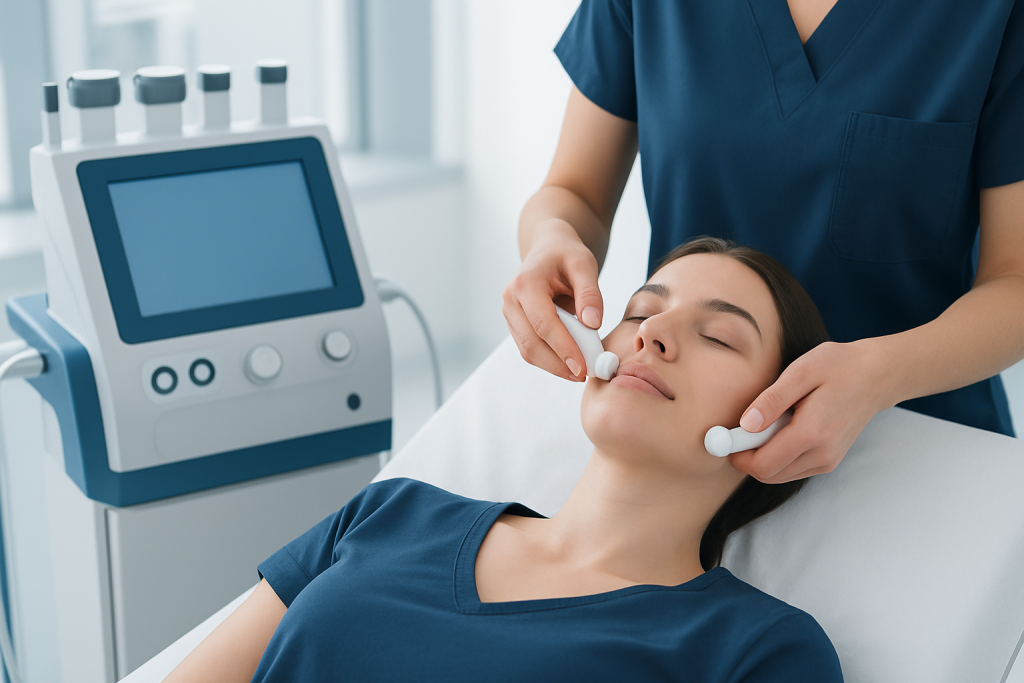
The most consistent benefit of face massage is relaxation. Gentle touch may help some people feel calmer, especially when massage is part of a slow evening routine or combined with breathing exercises. People who hold tension in the jaw, temples, or brow may also feel temporary relief from muscle tightness.
Some individuals report that face massage makes the skin look fresher for a short time. This may be related to temporary changes in blood flow and the movement of fluid in superficial tissues. A light massage can also help spread a moisturizer or cleansing balm more evenly, which may improve comfort in dry skin.
For people who wake with mild puffiness, especially around the cheeks or jawline, gentle upward and outward strokes may help the area feel less heavy. However, persistent swelling should not be self-treated without understanding the cause. Swelling can have many explanations, including allergy, dental infection, salivary gland problems, sinus disease, or other medical conditions.
- May support relaxation and stress relief
- Can temporarily ease mild facial muscle tension
- May help skin care products spread comfortably
- Can reduce the feeling of mild morning puffiness for some people
Limits, misconceptions, and what face massage cannot treat

Face massage is often discussed online alongside claims about contouring, “detox,” or long-term reshaping of the face. These claims can be misleading. While massage may temporarily reduce the appearance of puffiness or improve how the skin feels, it does not remove toxins, permanently lift tissues, or treat underlying disease on its own.
It is also important not to confuse facial tension with all forms of facial pain. Conditions such as temporomandibular joint disorders, migraine, nerve pain, dental disease, or sinus problems can cause discomfort in the face and jaw. In these situations, massage might help some muscle tightness, but it does not address the root cause. When symptoms are ongoing or severe, a proper medical assessment matters more than repeated self-massage.
Likewise, face massage should not be used to manage rashes, inflamed acne nodules, infected skin, or sudden swelling. In those cases, extra friction may worsen the problem. If there is concern about a skin disorder such as rosacea or other inflammatory conditions, a dermatologist can advise whether massage is appropriate.
Who should be cautious or avoid face massage
Although face massage is generally low risk, certain situations call for caution. Anyone with active skin infection, open wounds, a severe sunburn, or a recent chemical peel or laser treatment should usually wait until the skin has healed. Massage over inflamed or damaged skin can increase irritation and discomfort.
People with acne flares, rosacea, eczema, very sensitive skin, or unexplained facial redness may need an individualized approach. Even light rubbing can aggravate symptoms in some cases. Those who have had fillers, thread lifts, surgery, or other aesthetic procedures should follow the instructions given by their treating clinician rather than general advice found online. For patients considering procedural options for skin quality or contour, a specialist may discuss treatments such as medical aesthetics based on the person’s goals and skin health.
Face massage should also be avoided or discussed with a doctor first if there is facial numbness, sudden weakness, severe jaw locking, a new lump, or significant one-sided pain. These symptoms may point to a problem that needs diagnosis rather than home care.
How to do face massage safely at home
Safe face massage starts with a clean, simple routine. Hands should be washed first, and any tools should be clean. Many people prefer to use a plain moisturizer, facial oil, or cleansing balm to reduce friction, but products should match the person’s skin type and should not sting or irritate.
Pressure should stay light. Movements are usually small and slow rather than deep. A person might begin at the center of the face and glide gently outward, or use light circular motions over the temples, cheeks, and jaw muscles. The under-eye area deserves extra care because the skin is thin. If there is pain, burning, worsening redness, or tenderness, the massage should stop.
Short sessions are often enough. A few minutes once a day or a few times a week is reasonable for most people who tolerate it well. Overworking the skin does not improve results and may trigger irritation, especially in sensitive complexions. Consistency, gentleness, and observing how the skin responds are more important than intensity.
- Start with clean hands and clean skin
- Use light pressure only
- Avoid active pimples, rashes, wounds, and tender areas
- Stop if pain, dizziness, or skin irritation develops
- Keep sessions brief and comfortable
Face massage, jaw tension, and facial pain
One reason people try face massage is tension around the jaw, temples, and cheeks. This may be related to stress, tooth grinding, clenching, posture, or overuse of the chewing muscles. In mild cases, gentle massage of the jaw muscles may provide temporary relief, especially when combined with rest, stress management, and avoiding excessive chewing.
However, persistent jaw or facial pain deserves more attention. Pain can come from the jaw joint, teeth, sinuses, nerves, or headaches rather than from muscle tension alone. If the jaw clicks, locks, or hurts with chewing, a clinician may evaluate for temporomandibular joint disorders. Dental causes, bite problems, and headaches may need different treatment approaches.
In selected cases, treatment is aimed at the underlying diagnosis rather than massage itself. Depending on symptoms, doctors may recommend dental evaluation, physical therapy, medication, stress reduction strategies, or specialist care. For chronic tension or pain patterns affecting daily life, some patients benefit from pain management as part of a broader plan.
When to seek medical care
Face massage should not delay evaluation of symptoms that may signal infection, nerve problems, or a more serious condition. Medical advice is important if facial pain is severe, keeps returning, or does not improve with simple measures. The same is true if symptoms interfere with sleep, eating, speaking, or routine daily activities.
A person should seek care promptly for sudden facial weakness, numbness, a drooping smile, trouble closing one eye, rapidly increasing swelling, fever, pus, or a painful skin eruption. New one-sided facial pain, severe headache, vision changes, or symptoms after trauma also need urgent assessment. In some cases, facial symptoms may be linked to neurologic or ear conditions, and specialists may consider causes such as trigeminal neuralgia or other disorders.
Near the end of a care journey, some patients also want advice on safe skin care or supportive therapies after medical treatment. Acibadem International’s multidisciplinary specialists and JCI-accredited hospitals diagnose and treat facial pain, skin concerns, and related conditions for international patients, with care plans tailored to the underlying cause.
Frequently asked questions
Is face massage good for everyone?
Face massage is suitable for many people when it is gentle and the skin is healthy. It may not be appropriate for those with active rashes, infections, severe acne flares, recent facial procedures, or unexplained pain. When in doubt, a doctor or dermatologist can advise based on the person’s skin and symptoms.
Can face massage improve circulation?
Gentle massage can temporarily increase blood flow near the skin surface, which may create a brief fresh or rosy appearance. This effect is usually short-lived and should not be confused with treatment of a circulation problem. If facial color changes are persistent or unusual, medical evaluation is more important than massage.
Does face massage reduce wrinkles or lift the face?
Face massage may help the face look more relaxed and less puffy for a short time, but it does not permanently lift tissues or erase wrinkles. Skin aging is influenced by sun exposure, genetics, smoking, and overall skin care. Evidence-based skin care and clinician-guided treatments are more appropriate for lasting cosmetic concerns.
Can face massage help with jaw clenching?
It may help some people feel temporary relief in tight jaw muscles, especially when clenching is linked to stress. However, repeated jaw pain, locking, clicking, or pain while chewing should be assessed because the cause may involve the jaw joint, teeth, or headache disorders. Massage is supportive, not a substitute for diagnosis.
How often should someone do face massage?
There is no single medical rule, but short, gentle sessions are usually better than frequent or forceful rubbing. Many people do well with a few minutes once daily or several times a week, depending on skin sensitivity. If redness, breakouts, or irritation appear, it is best to reduce frequency or stop.
Are facial massage tools better than using the hands?
Not necessarily. Hands are often enough, and they allow a person to feel pressure more accurately. Tools can be useful if they are clean and used gently, but they do not guarantee better results and can irritate the skin if used too firmly.
References
- American Academy of Dermatology
- National Institute of Dental and Craniofacial Research
- National Health Service
- Mayo Clinic
- Cleveland Clinic
This article is for general information only and is not a substitute for professional medical advice. Please consult a qualified doctor about your individual situation.
Explore treatments in Turkey — costs, top hospitals & a free quote
JCI-accredited · board-certified surgeons · reply within 24h
Add us as a Preferred Source to see more of our trusted health content across Google Search, AI Overviews and Discover.