Colicky Pain: Common Causes, Related Conditions, and When to See a Doctor

Colicky pain is intermittent, wave-like pain that often reflects muscle spasms in a hollow organ. Common causes include bowel cramps, gallstones, kidney stones, urinary blockage, and menstrual cramps.
Key Takeaways
- Colicky pain is intermittent, wave-like pain that often reflects muscle spasms in a hollow organ.
- Common causes include bowel cramps, gallstones, kidney stones, urinary blockage, and menstrual cramps.
- The location of the pain and associated symptoms help doctors narrow the cause.
- Sudden severe pain, fever, persistent vomiting, jaundice, blood in urine or stool, or pregnancy-related pain need prompt medical attention.
- Treatment focuses on the underlying cause and may include fluids, pain relief, diet changes, or procedures when blockage is present.
Colicky pain is a type of cramping pain that builds, eases, and returns in waves, usually when a hollow organ such as the intestine, gallbladder, ureter, or uterus contracts against a blockage or irritation. It is a symptom rather than a diagnosis, so the right next step depends on where the pain is felt, what triggers it, and whether warning signs such as fever, vomiting, or blood are present.
Overview: what colicky pain means
Colicky pain describes pain that comes and goes in waves rather than staying constant. Many people experience it as a squeezing, cramping, or gripping feeling that rises in intensity, peaks, and then partly eases before returning. This pattern often happens when the muscles of a hollow organ contract strongly against irritation, inflammation, or a temporary blockage.
In adults, colicky pain commonly starts in the abdomen, flank, or pelvis. It may come from the digestive tract, gallbladder, urinary tract, or reproductive organs. Because several different body systems can cause the same wave-like pain pattern, doctors do not treat “colicky pain” as a diagnosis on its own. Instead, they look for the specific condition causing it.
The exact location matters. Upper right abdominal pain after fatty meals may suggest biliary colic from gallstones. Sharp flank pain that travels toward the groin can point to kidney stones. Lower abdominal cramping may be related to bowel spasm, constipation, infection, or menstrual causes. Recognizing the pattern helps, but the associated symptoms are just as important.
How colicky pain feels and what symptoms may come with it
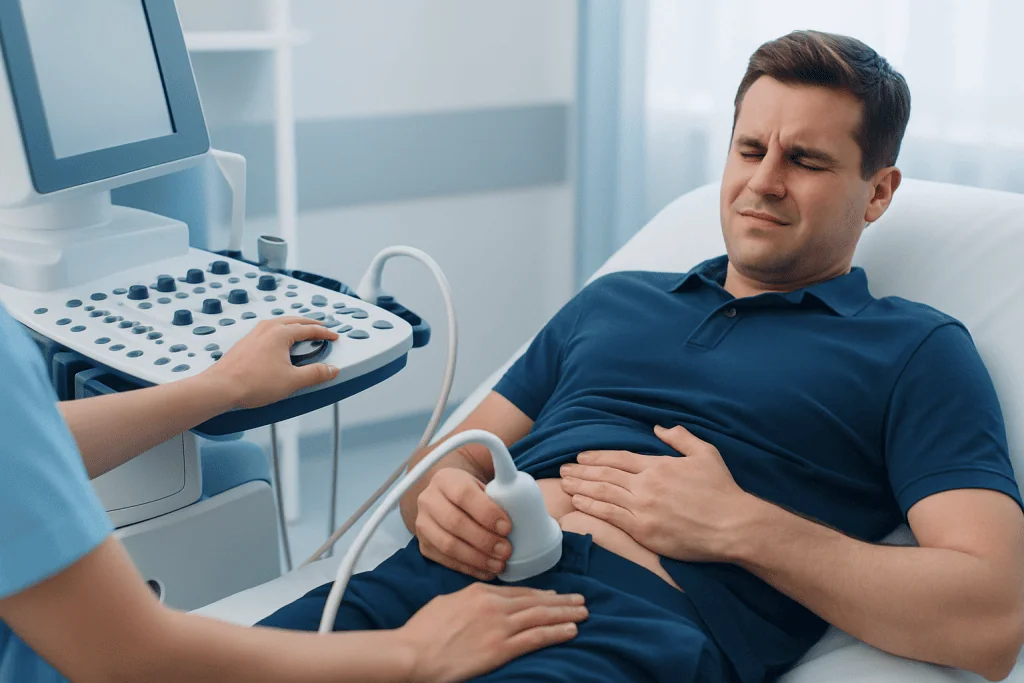
People often describe colicky pain as pain that is not steady. It may cause restlessness because the pain returns in surges, making it hard to find a comfortable position. Between waves, the discomfort may lessen or briefly settle, but it often does not disappear completely until the underlying problem improves.
Other symptoms depend on the source. Digestive causes can come with bloating, nausea, constipation, diarrhea, vomiting, or changes in bowel habits. Gallbladder-related pain may occur after eating and may be felt in the upper right abdomen or right shoulder area. Urinary causes can bring burning with urination, frequent urination, nausea, or blood in the urine.
Helpful clues include:
- Location: upper abdomen, lower abdomen, flank, groin, or pelvis
- Timing: after meals, during menstruation, overnight, or after dehydration
- Severity: mild cramping versus severe pain that prevents normal activity
- Associated signs: fever, jaundice, vomiting, blood in urine or stool, or inability to pass gas
Although colicky pain is often linked to the abdomen, not all abdominal pain is colicky. Constant, worsening pain may suggest a different process, such as inflammation or infection, and should be assessed in context.
Common causes and related conditions

A classic cause of colicky pain is obstruction or partial blockage in a tube-like structure. In the intestines, trapped gas, constipation, irritation, or bowel obstruction can trigger waves of cramping. In the biliary system, the gallbladder may contract against a stone, causing biliary colic. In the urinary tract, a stone moving through the ureter can cause intense spasms and flank pain.
Digestive causes include gastroenteritis, food intolerance, irritable bowel syndrome, and constipation. Irritable bowel syndrome often causes recurrent cramping linked with bowel movements and changes in stool frequency or form. Bowel obstruction is less common but more urgent, especially if pain is severe and paired with vomiting, abdominal swelling, and inability to pass stool or gas.
Gallbladder and urinary causes are also important. Gallstones may trigger pain in the upper right abdomen, especially after meals. Kidney stones often cause sudden, severe pain in the side or back that may move toward the lower abdomen or groin. Both conditions can cause nausea and may need imaging to confirm the diagnosis.
In women, menstrual cramps and other gynecologic problems can also feel colicky. Pregnancy-related pain should always be taken seriously, especially if it is severe, one-sided, or associated with bleeding. In children, the term “colic” is often used differently, but older children can also develop wave-like pain from constipation, infection, or other abdominal conditions.
How doctors diagnose the cause
Diagnosis starts with a careful history. A doctor will usually ask when the pain began, where it is located, whether it radiates, how long each wave lasts, and what makes it better or worse. Questions about eating, bowel movements, urination, menstrual history, recent illness, travel, and past stones or gallbladder disease can offer important clues.
The physical examination helps narrow the source. The doctor may check for tenderness, bloating, guarding, fever, dehydration, jaundice, or signs of urinary or pelvic problems. Depending on the pattern, lab tests may include blood work, liver tests, inflammatory markers, or a urine test to look for infection or blood.
Imaging is often useful when gallstones, kidney stones, obstruction, or appendicitis is a concern. Ultrasound is commonly used for the gallbladder and pelvis. CT scans may help detect urinary stones, bowel obstruction, or other abdominal causes. In some cases, stool studies or endoscopic evaluation may be considered if symptoms are ongoing or unexplained.
Because colicky pain has many possible causes, self-diagnosis can be unreliable. Recurrent wave-like pain should be discussed with a healthcare professional, particularly when the cause is not obvious or symptoms are intensifying.
Treatment options and symptom relief
Treatment for colicky pain depends on the cause, not just the pain pattern. Supportive care may include rest, hydration, gentle diet changes, and doctor-recommended pain relief. If dehydration, vomiting, or severe pain is present, hospital evaluation may be needed so fluids and medications can be given safely.
For digestive causes, treatment may involve dietary adjustment, constipation management, or medicines tailored to bowel spasm, infection, or inflammation. If symptoms suggest a structural problem such as obstruction, treatment can become more urgent. In the urinary tract, many small stones pass on their own, but larger stones or signs of blockage may require specialist care, including kidney stone treatment.
When gallstones are responsible, doctors may recommend monitoring after a first mild episode or a more definitive approach if attacks recur or complications develop. In selected cases, gallbladder surgery may be discussed. If symptoms raise concern for more serious digestive disease, further workup with a gastroenterology evaluation can help identify the underlying issue.
Treatment is individualized. Antibiotics, procedures, or surgery are not needed for every patient, but they may be appropriate when infection, obstruction, organ inflammation, or recurrent attacks are confirmed.
Self-care, prevention, and tracking symptoms
Some episodes of colicky pain improve with simple self-care, especially when caused by mild digestive upset or constipation. Drinking enough fluids, eating regular balanced meals, and avoiding foods that clearly trigger symptoms can help. A temporary bland diet may be easier to tolerate after vomiting or diarrhea, though prolonged dietary restriction is usually unnecessary unless advised by a clinician.
Prevention depends on the source. Reducing dehydration may lower the risk of some urinary stones. Regular fiber intake, physical activity, and bowel habits may help prevent constipation-related cramping. For those with recurrent meal-related upper abdominal pain, a medical review is worthwhile because repeated attacks can signal gallbladder disease rather than simple indigestion.
Keeping a symptom diary can be very useful. It may include:
- Where the pain starts and whether it moves
- How long each episode lasts
- Foods, medications, or activities linked to symptoms
- Bowel changes, urination changes, fever, or vomiting
- Menstrual timing or possible pregnancy, when relevant
This kind of information helps a doctor identify patterns and choose the most appropriate tests. It also helps distinguish recurring functional symptoms from conditions that need targeted treatment.
When to seek medical care
Colicky pain should be assessed promptly if it is severe, sudden, or keeps returning without a clear explanation. Medical care is especially important when the pain is accompanied by fever, persistent vomiting, fainting, jaundice, abdominal swelling, blood in the urine or stool, painful urination, or inability to pass stool or gas. These features can point to obstruction, infection, or another condition that should not be managed at home.
Urgent evaluation is also recommended during pregnancy, in older adults, in people with weakened immunity, and after recent abdominal surgery. Pain that wakes a person from sleep repeatedly or interferes with drinking fluids also deserves attention. Even when symptoms improve between waves, the underlying cause may still require treatment.
If there are repeated episodes, specialist assessment can help prevent complications and clarify the diagnosis. Acibadem International’s multidisciplinary specialists and JCI-accredited hospitals diagnose and treat abdominal, biliary, and urinary causes of colicky pain for international patients when further evaluation is needed.
Frequently asked questions
What is colicky pain?
Colicky pain is pain that comes in waves rather than staying constant. It is often caused by muscular contractions in a hollow organ such as the bowel, gallbladder, or ureter when that organ is irritated or partly blocked.
Is colicky pain always felt in the abdomen?
No. It is commonly felt in the abdomen, but it can also affect the flank, pelvis, or groin depending on the source. For example, kidney stone pain often starts in the side or back and may move downward.
Can gas or constipation cause colicky pain?
Yes. Gas, constipation, and bowel spasm are common reasons for cramping, wave-like abdominal pain. However, severe or persistent symptoms should be checked to rule out obstruction or another medical problem.
How is colicky pain different from constant pain?
Colicky pain usually rises and falls in intensity, while constant pain stays present more steadily. This difference can help doctors identify whether the cause is related to spasm or blockage versus inflammation or another process.
When should someone go to the emergency department for colicky pain?
Emergency care is appropriate for severe pain, high fever, repeated vomiting, fainting, jaundice, blood in urine or stool, or inability to pass stool or gas. Pregnant patients and people with sudden one-sided pelvic pain should also seek prompt medical attention.
Will colicky pain go away on its own?
Sometimes it does, especially if it is caused by mild digestive upset, temporary bowel spasm, or a small stone that passes. But recurrent or intense episodes need medical evaluation because the underlying cause may require treatment.
References
- National Institute of Diabetes and Digestive and Kidney Diseases
- American College of Gastroenterology
- National Institute for Health and Care Excellence
- Mayo Clinic
- Cleveland Clinic
This article is for general information only and is not a substitute for professional medical advice. Please consult a qualified doctor about your individual situation.
Persistent digestive symptoms? Get evaluated in Turkey
JCI-accredited · board-certified surgeons · reply within 24h
Add us as a Preferred Source to see more of our trusted health content across Google Search, AI Overviews and Discover.