Chemo for Liver Cancer: How It Works, Results and What to Expect

Chemotherapy is not the main treatment for every type of liver cancer, but it can be useful in selected situations. Liver-directed chemotherapy, including chemoembolization, concentrates treatment in liver tumors while limiting whole-body exposure.
Key Takeaways
- Chemotherapy is not the main treatment for every type of liver cancer, but it can be useful in selected situations.
- Liver-directed chemotherapy, including chemoembolization, concentrates treatment in liver tumors while limiting whole-body exposure.
- Treatment planning considers tumor location, spread, liver function, symptoms, and personal goals of care.
- Side effects vary by medicine and delivery method, and supportive care can help manage many of them.
- Advanced or metastatic liver cancer can sometimes cause few symptoms, making ongoing medical follow-up important.
Chemo for liver cancer can be given into the bloodstream, delivered directly to the liver, or combined with other cancer treatments. Its role depends on the type and stage of cancer, liver function, previous treatments, and a person’s overall health.
Overview: How chemo for liver cancer works
Chemo for liver cancer uses anti-cancer medicines to damage or stop the growth of cancer cells. It may be used for primary liver cancer, most commonly hepatocellular carcinoma, or for cancer that began elsewhere and has spread to the liver. Chemotherapy is only one possible part of care; surgery, ablation, embolization, radiation therapy, targeted therapy, immunotherapy, and transplantation may also be considered depending on the individual situation.
Traditional chemotherapy given through a vein has limited effectiveness for many hepatocellular carcinomas because these tumors can be relatively resistant to certain medicines and because liver disease may affect how treatments are tolerated. For this reason, specialists often consider liver-directed approaches, systemic targeted medicines, or immunotherapy when appropriate. Some other cancers that spread to the liver, such as colorectal cancer, may respond more predictably to systemic chemotherapy.
Liver-directed treatment can deliver chemotherapy through the liver’s blood supply. A commonly used approach is chemoembolization, also called transarterial chemoembolization or TACE. During TACE, chemotherapy and materials that reduce blood flow are delivered into arteries feeding a tumor, helping retain treatment in the area and deprive the tumor of some of its blood supply.
Who may be a candidate for chemotherapy?
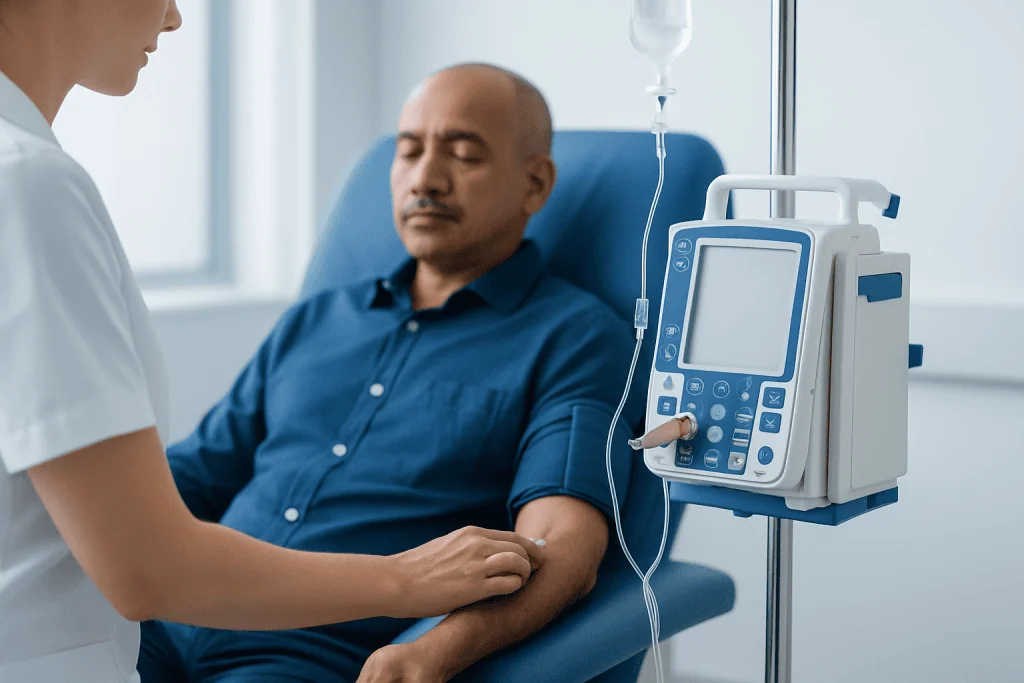
Candidacy for chemotherapy depends on much more than the presence of a liver tumor. The cancer team assesses the type of cancer, the number and size of tumors, whether cancer has spread outside the liver, blood-vessel involvement, liver function, kidney function, physical fitness, symptoms, and prior treatments. People with cirrhosis need especially careful assessment because reduced liver reserve can affect treatment safety.
For liver-limited hepatocellular carcinoma that cannot be removed surgically or treated with ablation, TACE may be considered when the liver function and blood flow are suitable. Systemic treatment may be advised when cancer has spread, invaded major blood vessels, progressed after local treatment, or cannot be safely treated with liver-directed therapy.
Care is usually planned by a multidisciplinary team that may include hepatologists, medical oncologists, surgical oncologists, interventional radiologists, radiation oncologists, pathologists, nurses, dietitians, and palliative-care professionals. The team may also assess whether liver transplantation or other potentially curative options are appropriate for selected early-stage cases.
What happens during liver-directed chemotherapy?
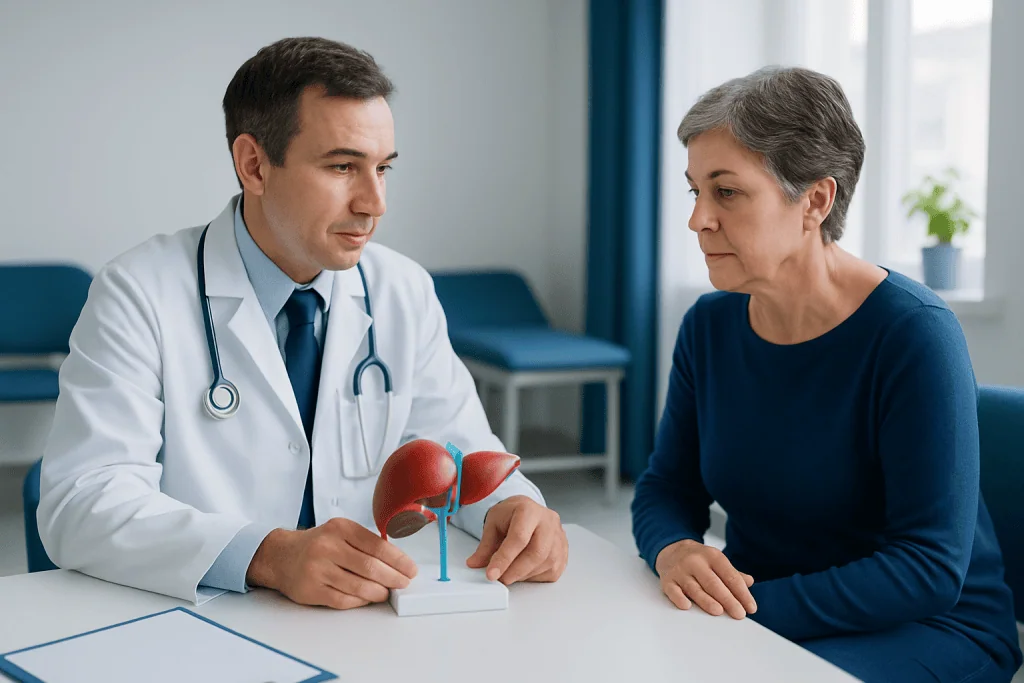
Before treatment, clinicians review imaging scans, blood tests, medicines, allergies, and medical history. Imaging such as CT or MRI helps map the liver tumors and blood vessels. The person may be asked to stop or adjust certain medicines before the procedure, particularly medicines that affect bleeding, but this should only be done under the treating clinician’s guidance.
For chemoembolization, an interventional radiologist inserts a thin catheter into an artery, usually through the groin or wrist, using local anesthetic and sometimes sedation. X-ray guidance directs the catheter to the arteries that supply the tumor. The clinician then delivers chemotherapy and embolic material through the catheter. The procedure length varies according to the tumor pattern and the blood vessels involved.
Following treatment, patients are observed as sedation wears off and the care team checks pain, blood pressure, pulse, and the catheter-entry site. Some people return home the same day or after a short hospital stay, while others need longer observation because of liver function, symptoms, or the extent of treatment.
Systemic chemotherapy is different: medication is given into a vein or, for certain cancers, through an implanted access device. It is generally delivered in cycles with planned rest periods. The oncology team uses blood tests and clinical review to decide whether treatment can continue as scheduled or needs adjustment.
Benefits, limits and possible side effects
The potential benefits of chemo for liver cancer include shrinking or controlling tumors, slowing progression, easing cancer-related symptoms, and making other treatments more feasible in some circumstances. In selected patients, liver-directed therapy can provide local tumor control. The likely benefit varies greatly, so a specialist should explain the treatment goal clearly: cure, long-term disease control, tumor reduction before another treatment, or symptom relief.
After chemoembolization, many people develop post-embolization syndrome, which can include tiredness, fever, nausea, reduced appetite, and discomfort in the upper abdomen. These symptoms often improve over several days, though recovery differs among individuals. Pain-relief medicines, anti-nausea treatment, hydration guidance, and follow-up blood tests can support recovery.
Systemic chemotherapy can cause fatigue, nausea, appetite changes, lowered blood counts, increased infection risk, mouth soreness, diarrhea or constipation, and hair thinning or loss with some medicines. Not everyone experiences all side effects. The treatment team can often prevent, monitor, or reduce side effects by changing supportive medicines, timing, or treatment intensity.
Less common but serious risks of liver-directed therapy include infection, bleeding, blood-vessel injury, kidney problems from contrast material, bile-duct injury, liver decompensation, or damage to healthy liver tissue. Urgent assessment is important for severe or worsening abdominal pain, persistent vomiting, confusion, jaundice, shortness of breath, high fever, or bleeding.
Recovery timeline and follow-up
Recovery after liver-directed chemotherapy is individual. Mild fatigue, poor appetite, low-grade fever, and abdominal discomfort may occur during the first few days after treatment. Many people begin to feel more like themselves within one to two weeks, although those with underlying cirrhosis, extensive treatment areas, or complications may need more time.
The care team provides personalized instructions about activity, wound care, fluids, meals, and medicines after the procedure. Rest is usually helpful at first, followed by gradual return to normal activities as tolerated. It is important to avoid alcohol, non-prescribed herbal products, and pain medicines that may affect the liver unless a clinician confirms they are safe.
Follow-up commonly includes liver and kidney blood tests plus CT or MRI imaging after a period determined by the care team. These tests show whether tumors have responded and whether further treatment is needed. More than one session of liver-directed therapy may be considered, but only when liver function and overall health allow.
Can you survive liver cancer with treatment?
Yes. Some people with liver cancer can be cured, particularly when cancer is found early and can be removed with surgery, destroyed with local treatment, or treated with a liver transplant. Others live for years with controlled disease using combinations of liver-directed treatments and systemic therapies. Outcomes depend on the cancer type and stage, liver function, treatment response, and other health conditions.
Even when cure is not possible, treatment can still be valuable. It may slow cancer growth, relieve symptoms, maintain daily functioning, and support quality of life. Asking the oncology team about the intended goal of each treatment can help a person and their family make informed decisions.
People with chronic hepatitis B or C, cirrhosis, or other long-term liver conditions may benefit from regular surveillance because finding tumors earlier can expand treatment options. Maintaining follow-up for the underlying liver disease is an important part of cancer care.
What is the life expectancy for someone with metastatic liver cancer?
There is no single life-expectancy estimate for metastatic liver cancer. Prognosis depends on where the cancer started, how extensively it has spread, tumor biology, liver function, general health, available treatments, and how the cancer responds. For example, cancer that began in the colon and spread to the liver is assessed and treated differently from primary liver cancer that has spread to other organs.
The most useful prognosis discussion is personal and should be held with the oncology team after reviewing scans, pathology, blood tests, and treatment options. Clinicians may use population-based information to explain broad patterns, but these figures cannot reliably predict one person’s outcome.
Palliative care can be introduced at any stage of metastatic cancer alongside anti-cancer treatment. It focuses on symptoms, emotional wellbeing, nutrition, practical concerns, and communication about goals of care; it is not limited to end-of-life care.
What are the different stages of death in liver cancer?
There is no fixed or identical sequence for every person with advanced liver cancer. As cancer progresses, some people may develop increasing fatigue, weakness, reduced appetite, weight loss, more need for rest, or worsening symptoms related to liver dysfunction. Symptoms can also be caused by treatment effects, infection, cirrhosis, or another medical problem, so they should be assessed rather than assumed to be part of dying.
In the final phase of life, some people become increasingly sleepy, eat and drink less, communicate less, and require more support with comfort and personal care. Breathing patterns, circulation, and awareness can change near death. Skilled palliative-care and hospice teams can help manage pain, nausea, breathlessness, anxiety, confusion, and family needs with dignity and comfort.
Discussing future care wishes early can help ensure that treatment decisions reflect the person’s values. Families should contact the clinical team promptly if symptoms change rapidly, comfort is difficult to achieve, or they are unsure what support is needed.
Can you have stage 4 liver cancer and not know it?
Yes. Stage 4 liver cancer can sometimes cause few or nonspecific symptoms, especially at first. Tiredness, reduced appetite, unintended weight loss, abdominal fullness, nausea, or discomfort can have many causes and may not immediately point to cancer. Some liver tumors are found during imaging or blood-test monitoring for another health condition.
Possible warning signs of liver disease or more advanced cancer include yellowing of the skin or eyes, swelling of the abdomen or legs, persistent upper-right abdominal pain, ongoing unexplained weight loss, increasing weakness, or confusion. These symptoms do not always mean cancer, but they warrant medical evaluation, particularly in people with hepatitis, cirrhosis, heavy alcohol use, or metabolic liver disease.
Regular liver surveillance may be recommended for people at increased risk of hepatocellular carcinoma. A clinician can advise who should have surveillance and how often, based on the underlying liver condition and individual risk profile.
When to seek medical care
Medical care should be sought promptly for persistent abdominal pain or swelling, jaundice, unexplained weight loss, ongoing loss of appetite, unusual fatigue, or symptoms that are worsening. People with cirrhosis, chronic hepatitis B or C, or a previous cancer diagnosis should report new symptoms to their clinician without delay and attend recommended surveillance appointments.
Urgent medical attention is needed for vomiting blood, black stools, severe abdominal pain, confusion, fainting, high fever, severe shortness of breath, or rapidly worsening jaundice. These symptoms can occur for several reasons and require timely assessment.
Acibadem International’s multidisciplinary specialists and JCI-accredited hospitals support international patients with liver cancer evaluation and treatment planning. A qualified cancer team can explain whether chemotherapy, liver-directed treatment, systemic therapy, surgery, or supportive care is most appropriate for the individual.
Frequently asked questions
Is chemotherapy commonly used for primary liver cancer?
Chemotherapy may be used, but it is not the main treatment for every person with primary liver cancer. Depending on tumor stage and liver function, liver-directed treatment, immunotherapy, targeted therapy, surgery, ablation, or transplantation may be more suitable. The best approach is determined by a multidisciplinary cancer team.
What is the difference between systemic chemotherapy and chemoembolization?
Systemic chemotherapy circulates through the bloodstream and can treat cancer in multiple parts of the body. Chemoembolization delivers chemotherapy into arteries supplying liver tumors and blocks some of their blood flow. It is mainly used when disease is concentrated in the liver and the person is an appropriate procedural candidate.
How long does it take to recover after chemoembolization?
Many people experience fatigue, nausea, fever, reduced appetite, or abdominal discomfort for several days after chemoembolization. Recovery often takes one to two weeks, but it can be longer for people with reduced liver function or more extensive treatment. Follow-up instructions should always come from the treating team.
Can chemotherapy cure liver cancer?
Chemotherapy alone does not usually cure most primary liver cancers. However, in some situations it can shrink or control tumors, help manage symptoms, or support other treatments. Curative treatment is more likely when cancer is detected early and can be removed, ablated, or treated with transplantation.
How is treatment response checked after liver-directed chemotherapy?
The medical team typically uses CT or MRI scans, blood tests, symptom review, and liver-function monitoring. Imaging is scheduled after the procedure at a time chosen by the team to assess tumor response and treatment-related changes. Results help determine whether observation, repeat local treatment, or another therapy is needed.
Should a person with liver cancer avoid all supplements?
Supplements and herbal products should be discussed with the oncology and liver team before use. Some can interact with cancer medicines, increase bleeding risk, or harm the liver. A dietitian can help identify safe ways to meet nutritional needs during treatment.
References
- National Cancer Institute
- American Cancer Society
- European Society for Medical Oncology
- American Association for the Study of Liver Diseases
- World Health Organization
This article is for general information only and is not a substitute for professional medical advice. Please consult a qualified doctor about your individual situation.
Liver Cancer in Turkey — costs, top hospitals & a free quote
JCI-accredited · board-certified surgeons · reply within 24h
Add us as a Preferred Source to see more of our trusted health content across Google Search, AI Overviews and Discover.
Check your numbers in seconds
BMI, calories, due date, blood pressure and 30+ more clinical calculators — free, instant, doctor-reviewed ranges.