Pockmarks — Explained by Medical Evidence, Not Myths

Pockmarks are a type of atrophic, or depressed, scar caused by damage beneath the skin surface. Acne is the most common cause, but chickenpox, skin infections, injuries, and picking the skin can also lead to pockmarks.
Key Takeaways
- Pockmarks are a type of atrophic, or depressed, scar caused by damage beneath the skin surface.
- Acne is the most common cause, but chickenpox, skin infections, injuries, and picking the skin can also lead to pockmarks.
- Creams alone usually cannot remove deep pockmarks, though they may support overall skin health and help with discoloration.
- Dermatologists often treat pockmarks with procedures such as chemical peels, microneedling, laser treatments, fillers, or minor scar surgery.
- Early treatment of acne and avoiding picking or squeezing spots can reduce the risk of new pockmarks forming.
Pockmarks are small, sunken scars that form when deeper layers of the skin are damaged and heal unevenly. They are not dangerous, but they can be distressing, and several evidence-based skin treatments may help improve their appearance.
What pockmarks are
Pockmarks are small indented scars in the skin. They develop when inflammation, infection, or injury damages collagen and supportive tissue in deeper skin layers, leaving the surface unable to heal back evenly. In everyday language, the term often refers to pitted marks left behind after acne, chickenpox, or other skin conditions.
Medical professionals usually describe pockmarks as atrophic scars. This means the scar sits below the surrounding skin rather than rising above it. They are different from darker spots or redness that may remain after a blemish heals, because pockmarks involve a structural change in the skin rather than color alone.
Pockmarks are not contagious and they are usually not a sign of an active illness. However, they can affect self-confidence and quality of life, especially when they appear on the face. The good news is that modern dermatology offers several options to soften their appearance, although complete removal is not always possible.
How pockmarks form in the skin
Pockmarks form when the skin’s repair process does not fully rebuild tissue that has been lost. During healing, the body normally produces collagen to close and strengthen the injured area. If inflammation is deep or prolonged, too little collagen may be laid down, causing a dip or hollow in the skin.
This process is why pockmarks are common after inflamed acne lesions such as nodules or cysts. It also explains why squeezing, scratching, or picking at spots can make scarring more likely. Extra trauma increases inflammation and disrupts healing, which can deepen existing damage.
Doctors may classify pitted scars into patterns such as ice pick, boxcar, and rolling scars. These names describe the shape of the indentations. A person may have more than one scar type at the same time, and this often influences which treatments are most appropriate.
Common causes and risk factors

The most common cause of pockmarks is acne, especially moderate to severe inflammatory acne. Cystic or nodular acne is more likely to leave deeper scars because it affects the skin below the surface. People looking for support with active acne may benefit from early medical care to reduce the chance of future scarring.
Other causes include chickenpox, skin infections, traumatic injuries, burns, and conditions that inflame or damage the skin more deeply. In some cases, pockmarks may follow insect bites or rashes if the skin is picked repeatedly during healing. Not every blemish becomes a pockmark, but persistent inflammation raises the risk.
Several factors can make pockmarks more likely:
- Delaying treatment for severe acne
- Picking, squeezing, or scratching lesions
- A personal tendency to scar
- Frequent sun exposure, which can make scars more noticeable
- Skin infections that heal slowly
Skin tone does not determine whether a person can get pockmarks, but it may influence treatment choices. Some procedures require extra caution in darker skin tones because they can trigger temporary pigment changes if not planned carefully by an experienced clinician.
Symptoms and how pockmarks differ from other marks
The main sign of pockmarks is visible depressions or uneven texture in the skin. These areas may look like tiny holes, shallow craters, or broader waves in the surface. They are often easiest to notice in side lighting or when makeup settles into the skin texture.
Pockmarks can be confused with post-inflammatory hyperpigmentation, which causes brown, black, pink, or red marks after acne or injury. Pigment changes are flat and may fade over time, while pockmarks are indented and usually do not disappear completely on their own. Some people have both problems at once.
Pockmarks also differ from raised scars such as hypertrophic scars and keloids. Raised scars happen when the body produces excess collagen, creating a bump above the skin. Because pockmarks result from collagen loss instead, they usually respond to very different treatments.
If a person still has painful cysts, pus, warmth, or spreading redness, the problem may be active acne or infection rather than scarring alone. In that situation, controlling the underlying condition comes first before most scar procedures are considered.
How doctors assess pockmarks
Pockmarks are usually diagnosed by a dermatologist through a skin examination. The doctor looks at the scar pattern, depth, number, location, skin tone, and whether active acne or another skin disease is still present. A medical history is also important, including past treatments, skin sensitivity, and any tendency toward abnormal scarring or pigment changes.
This evaluation helps separate true pockmarks from other concerns such as enlarged pores, discoloration, or ongoing inflammation. Because many people have a mixture of scar types, treatment often needs to be individualized rather than based on one single method. Photos may be used to track progress over time.
Testing is not usually needed unless the doctor suspects another condition. The main goal of the visit is to understand what caused the scars, what type they are, and what level of improvement is realistic. Good care plans usually focus on gradual improvement rather than promising complete erasure.
Evidence-based treatment options
No single treatment works best for every pockmark. The choice depends on the scar type, skin tone, severity, and whether active acne is under control. Many people benefit most from a combination approach over several sessions, because each method targets a different part of the scar.
Topical skin care can support treatment, but creams alone rarely remove true pockmarks. A doctor may recommend ingredients such as retinoids for skin renewal or pigment-evening products if discoloration is also present. For deeper textural scars, office-based procedures are usually more effective.
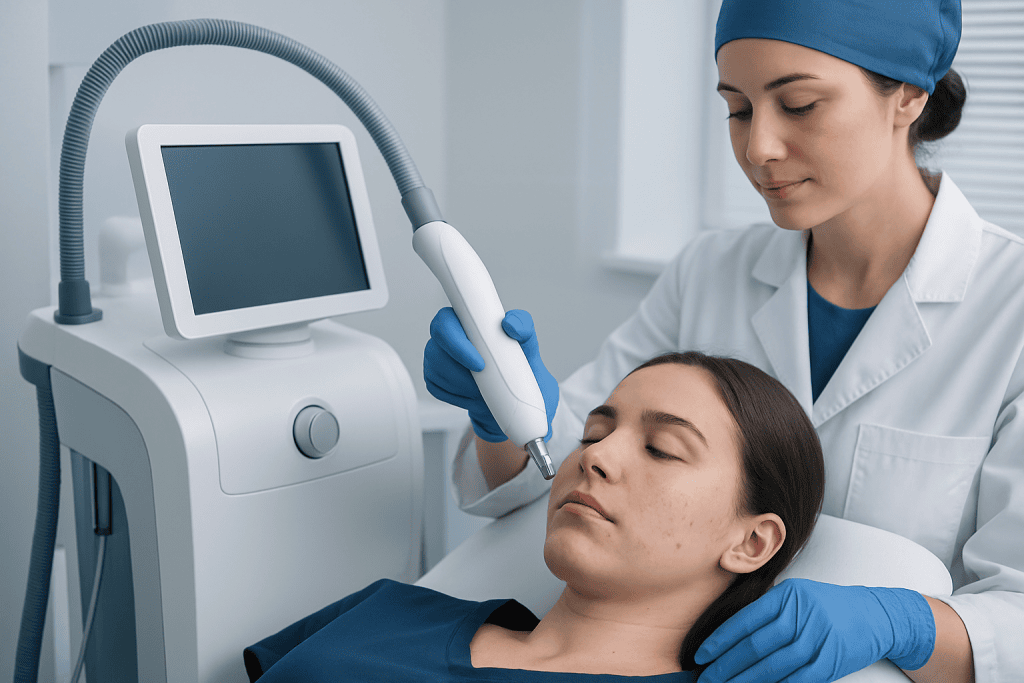
Common medical treatments include chemical peels, microneedling, and laser treatment to stimulate collagen and smooth texture. Some scars may respond to subcision, punch techniques, or dermal fillers that lift depressed areas. These treatments can improve the appearance of pitted scars, but they usually require repeated sessions and careful aftercare.
Doctors often tailor procedures to scar shape. Ice pick scars may need focal techniques, boxcar scars may respond to resurfacing or minor surgical methods, and rolling scars may improve with subcision. If active acne continues, treating breakouts first helps prevent new scars from developing while older ones are addressed.
Self-care, prevention, and what to expect
The best prevention for pockmarks is early treatment of acne or skin infections and avoiding picking at the skin. Gentle cleansing, non-comedogenic skin care, and daily sunscreen can support healthier healing. Sun protection is especially important because ultraviolet exposure can make scars and post-acne marks more noticeable.
People should be cautious with home remedies that claim to “erase” pockmarks naturally. Oils, scrubs, lemon juice, harsh peels, or aggressive exfoliation may irritate the skin without correcting deeper collagen loss. Supportive skin care can improve comfort and overall appearance, but it should not replace professional evaluation when scars are significant.
Realistic expectations matter. Improvement is often gradual, and the goal is usually softer texture and less visible scarring rather than perfectly smooth skin. A dermatologist can explain likely results, side effects, recovery time, and whether combination therapy is the most suitable option.
When specialist care is needed, Acibadem International’s multidisciplinary specialists and JCI-accredited hospitals diagnose and treat skin conditions for international patients. A personalized plan may be especially helpful when pockmarks are long-standing, extensive, or linked to persistent acne.
When to seek medical care
Medical care is worth seeking if pockmarks are causing emotional distress, if acne is still active, or if scars seem to be worsening. Early treatment of inflamed acne can reduce the risk of new scars and may improve long-term skin outcomes. A dermatologist can also help distinguish pockmarks from discoloration or other skin concerns that need different treatment.
Prompt evaluation is also important if there are signs of infection such as spreading redness, warmth, tenderness, fever, or drainage. These symptoms suggest an active medical problem rather than scarring alone. People with darker skin tones, sensitive skin, or a history of unusual scarring may benefit from specialist advice before trying procedural treatments.
Anyone considering laser resurfacing, deep peels, or other office-based procedures should discuss the risks and expected benefits with a qualified doctor. Professional guidance helps match the treatment to the scar type and lowers the chance of unnecessary irritation, pigment changes, or disappointing results.
Frequently asked questions
Can pockmarks go away on their own?
True pockmarks usually do not disappear completely on their own because they reflect a loss of tissue beneath the skin surface. Their appearance may become less noticeable over time, but deeper scars often need medical treatment for meaningful improvement.
Are pockmarks the same as acne scars?
Pockmarks are one type of acne scar, but not all acne scars are pockmarks. The term usually refers to indented or pitted scars, while some acne scars are raised or mainly involve discoloration rather than changes in skin texture.
Do over-the-counter creams remove pockmarks?
Over-the-counter creams may help with dryness, mild uneven tone, or general skin texture, but they usually cannot remove established pockmarks. Deeper pitted scars often respond better to procedures that stimulate collagen or lift the scar from below.
What treatment is best for pockmarks?
The best treatment depends on the type and depth of the scars, skin tone, and whether active acne is still present. Many people do best with a combination of treatments such as microneedling, laser therapy, chemical peels, subcision, or fillers chosen by a dermatologist.
Can picking pimples cause pockmarks?
Yes. Picking or squeezing pimples can worsen inflammation, injure deeper layers of skin, and increase the risk of pitted scarring. Avoiding manipulation of acne lesions is one of the most practical ways to reduce future pockmarks.
Are pockmark treatments safe for darker skin tones?
Many pockmark treatments can be used safely in darker skin tones, but they may need careful adjustment to reduce the risk of post-inflammatory pigment changes. This is one reason why an individualized treatment plan from an experienced dermatologist is important.
References
- American Academy of Dermatology
- National Institute of Arthritis and Musculoskeletal and Skin Diseases
- Mayo Clinic
- National Health Service
- British Association of Dermatologists
This article is for general information only and is not a substitute for professional medical advice. Please consult a qualified doctor about your individual situation.
Explore treatments in Turkey — costs, top hospitals & a free quote
JCI-accredited · board-certified surgeons · reply within 24h
Add us as a Preferred Source to see more of our trusted health content across Google Search, AI Overviews and Discover.