Itchy Anus Cancer Explained: Common Triggers and Red Flags

Anal itching by itself is usually not a sign of cancer. Common causes include moisture, skin irritation, hemorrhoids, infections, and eczema-like skin conditions.
Key Takeaways
- Anal itching by itself is usually not a sign of cancer.
- Common causes include moisture, skin irritation, hemorrhoids, infections, and eczema-like skin conditions.
- Red flags include bleeding, a new lump, pain, discharge, unexplained weight loss, or symptoms that do not improve.
- Diagnosis may involve a physical exam, anoscopy, and sometimes biopsy if an abnormal area is seen.
- Treatment depends on the cause and may range from skin-care changes to medicines or cancer treatment if needed.
Itchy anus cancer is a common online concern, but anal itching alone is much more often linked to irritation, hemorrhoids, skin conditions, infection, or bowel leakage than to cancer. Still, itching that persists, returns often, or occurs with bleeding, pain, a lump, or changes in bowel habits should be assessed by a clinician.
Overview: Can an itchy anus mean cancer?
Many people search for “itchy anus cancer” because anal itching can be distressing and embarrassing. In most cases, an itchy anus is not caused by cancer. The medical term for this symptom is pruritus ani, and it is far more commonly related to skin irritation, moisture, hemorrhoids, minor infections, or sensitivity to soaps, wipes, and stool residue.
That said, persistent anal itching should not be ignored, especially if it happens alongside bleeding, pain, a lump, discharge, or a change in bowel habits. Cancer of the anal canal or nearby skin can sometimes cause itching, but it usually causes other symptoms as well. The safest approach is to look at the whole symptom pattern rather than assuming the worst or dismissing the problem entirely.
This article explains the most common triggers of anal itching, how doctors evaluate symptoms, and which warning signs deserve timely medical care. The goal is not to cause alarm, but to help patients understand when an everyday symptom can be managed simply and when it needs closer attention.
Common causes of anal itching

Anal itching often results from a local skin problem rather than a serious internal disease. The skin around the anus is delicate and can become irritated by frequent wiping, sweating, tight clothing, scented hygiene products, and stool left on the skin after bowel movements. Both excessive cleaning and inadequate cleaning can make symptoms worse.
Another frequent cause is moisture. Small amounts of mucus, sweat, or stool leakage can keep the area damp and inflamed. Hemorrhoids may contribute by making cleaning difficult or causing mucus seepage. Other possible causes include fissures, fungal infection, pinworms, psoriasis, eczema, contact dermatitis, and certain foods that may irritate the area in some people.
Sometimes itching develops with digestive issues such as diarrhea or frequent loose stools. In other cases, no single cause is found, and symptoms are due to a cycle of itch and scratching that damages the skin further. Conditions such as hemorrhoids are much more likely than cancer to explain anal irritation.
- Irritation from soaps, wipes, perfumes, or toilet paper
- Moisture from sweat, mucus, or minor stool leakage
- Hemorrhoids or anal fissures
- Skin conditions such as eczema, psoriasis, or dermatitis
- Infections, including fungal infection or pinworms
- Diarrhea, frequent bowel movements, or poor bowel control
When cancer is part of the picture
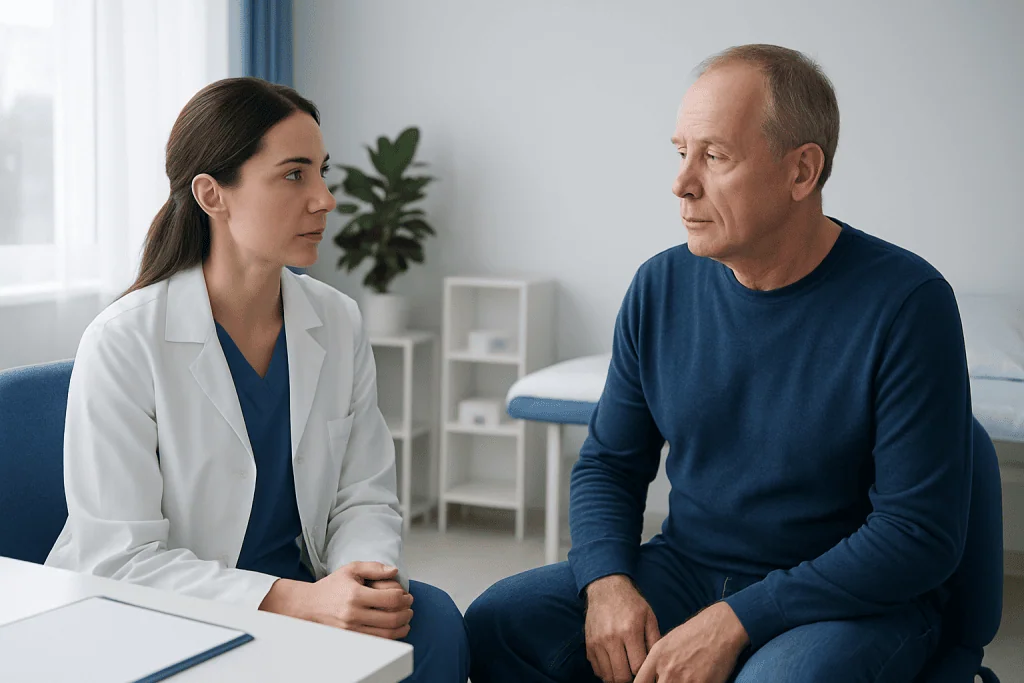
Anal cancer is uncommon, and itching alone is not a typical reason to diagnose it. However, cancers affecting the anal canal or the skin around the anus may sometimes cause itching because they irritate nearby tissue. More often, cancer-related itching appears with additional symptoms such as pain, bleeding, discharge, a feeling of fullness, or a new growth.
Doctors also consider whether a symptom is persistent, progressive, or unexplained. For example, itching that continues despite sensible skin care, or that recurs with bleeding or a lump, deserves evaluation. Cancer risk is not determined by one symptom alone but by the overall pattern, exam findings, age, medical history, and risk factors.
Some anal cancers are linked to long-term human papillomavirus infection, smoking, immune suppression, or a history of anal dysplasia. A specialist may assess for anal cancer when symptoms or exam findings suggest it, but many people with anal itching turn out to have non-cancerous conditions that can be treated effectively.
Red flags that should not be ignored
Most anal itching settles once the cause is identified and the skin is protected. Certain warning signs, however, should prompt a medical review rather than home treatment alone. These features do not necessarily mean cancer, but they do increase the need for proper examination.
Bleeding is one of the most important red flags. Bright red blood can occur with hemorrhoids or fissures, but bleeding can also come from other disorders, including cancer. A lump, persistent anal pain, discharge, or sores around the anus also deserves attention. The same is true if bowel habits change without a clear reason, such as new constipation, narrowing of stool, or difficulty controlling gas or stool.
General symptoms matter too. Unexplained weight loss, fatigue, enlarged groin lymph nodes, or symptoms that steadily worsen should not be self-diagnosed. People with a personal history of HPV-related disease, prior anal lesions, inflammatory bowel disease, or reduced immune function may need earlier assessment if anal symptoms appear.
- Rectal or anal bleeding
- A new lump, mass, ulcer, or thickened area
- Pain, tenderness, or persistent discharge
- Changes in bowel habits or stool caliber
- Unexplained weight loss or swollen groin nodes
- Symptoms lasting more than a few weeks or returning repeatedly
How doctors diagnose the cause
Diagnosis begins with a careful history and physical examination. A clinician will ask when the itching started, whether it is worse at night or after bowel movements, what products are used on the skin, and whether there is bleeding, pain, discharge, diarrhea, or bowel leakage. They may also ask about medications, sexual health, skin conditions, and family or personal history of colorectal or anal disease.
The exam usually includes inspection of the skin around the anus and a digital rectal examination. In many cases, this is enough to identify irritation, fissures, hemorrhoids, dermatitis, or visible lesions. If a closer look is needed, the doctor may use anoscopy, a short instrument that allows the anal canal to be seen more clearly.
If an abnormal area is found, further tests may include a biopsy to check for precancerous change or cancer. Depending on symptoms, doctors may also consider testing for infection, colonoscopy, or imaging. When treatment is being planned for confirmed disease, approaches such as colonoscopy or oncology care may be discussed as part of a broader evaluation and management pathway.
Treatment options: from skin care to cancer care
Treatment depends on the underlying cause. For simple irritation, the first step is often to restore the skin barrier and reduce friction and moisture. This may include avoiding perfumed soaps and wipes, gently cleaning with water, patting dry instead of rubbing, wearing loose cotton underwear, and using a doctor-recommended barrier cream when appropriate.
If hemorrhoids, fissures, or infections are present, targeted treatment may help relieve itching and prevent recurrence. Doctors may recommend stool regulation, topical medicines, treatment for fungal infection or parasites, or management of chronic skin disease. In some cases, specialist review by dermatology, colorectal surgery, or gastroenterology is helpful, especially when symptoms are persistent or the diagnosis is unclear.
If cancer is diagnosed, treatment is based on the type, size, location, and stage of the disease. Care may include chemoradiotherapy, surgery in selected cases, and coordinated follow-up. Patients with cancers of the lower digestive tract may also benefit from evaluation within colorectal surgery services, depending on the exact diagnosis. Near the end of the care pathway, some international patients choose centers such as Acibadem International, where multidisciplinary specialists in JCI-accredited hospitals evaluate and treat anal and colorectal conditions.
Prevention, self-care, and when to seek medical care
Good self-care can often reduce mild anal itching. Helpful steps include keeping the area clean and dry, avoiding vigorous scrubbing, changing out of sweaty clothing promptly, and managing diarrhea or constipation. Some people notice improvement by limiting trigger foods such as very spicy meals, caffeine, or alcohol, although triggers vary and not everyone is affected.
It is wise to avoid overusing creams without a diagnosis, because some products can thin the skin or worsen irritation. Persistent scratching can create a cycle of inflammation, so symptom control and skin protection matter. If there is bowel leakage, chronic diarrhea, or recurrent hemorrhoid symptoms, treating the underlying issue is important rather than focusing only on itching.
Medical care should be sought if itching lasts more than a few weeks, keeps coming back, or occurs with bleeding, pain, discharge, a lump, or bowel changes. Earlier review is sensible for people with immune suppression, a history of HPV-related disease, or previous anal lesions. A qualified doctor can determine whether the problem is a common benign condition or something that needs further testing.
Frequently asked questions
Is an itchy anus usually a sign of cancer?
No. Anal itching is much more commonly caused by irritation, hemorrhoids, moisture, skin conditions, or infection than by cancer. Cancer is considered mainly when itching is persistent or happens with other warning signs such as bleeding, pain, or a lump.
What symptoms are more concerning than itching alone?
Bleeding from the anus, a new lump, ongoing pain, discharge, sores, or changes in bowel habits are more concerning than itching by itself. These symptoms do not always mean cancer, but they should be assessed by a clinician.
How long should someone wait before seeing a doctor for anal itching?
If symptoms are mild and clearly linked to irritation, simple skin-care measures may help within days to a couple of weeks. If itching lasts more than a few weeks, keeps returning, or is associated with bleeding or pain, medical assessment is recommended sooner.
Can hemorrhoids cause itching that feels serious?
Yes. Hemorrhoids can lead to itching, moisture, discomfort, and occasional bleeding, which can feel worrying. Even so, a proper diagnosis matters because hemorrhoids can coexist with other conditions and should not be assumed without an exam.
What tests might be needed if cancer is suspected?
A doctor usually starts with a physical exam and digital rectal examination, often followed by anoscopy to view the anal canal. If an abnormal area is seen, a biopsy is typically needed to confirm whether cancer or a precancerous change is present.
Can home remedies make anal itching worse?
They can. Scented wipes, harsh soaps, repeated scrubbing, and frequent use of creams without guidance may irritate the skin further. Gentle cleaning, keeping the area dry, and getting medical advice for persistent symptoms are safer approaches.
References
- National Cancer Institute
- American Cancer Society
- American Society of Colon and Rectal Surgeons
- National Health Service
- Mayo Clinic
This article is for general information only and is not a substitute for professional medical advice. Please consult a qualified doctor about your individual situation.
Persistent digestive symptoms? Get evaluated in Turkey
JCI-accredited · board-certified surgeons · reply within 24h
Add us as a Preferred Source to see more of our trusted health content across Google Search, AI Overviews and Discover.