Cooper’s Ligament — Explained by Medical Evidence, Not Myths

Cooper's ligaments are normal supportive connective-tissue bands within the breast. They extend from the deeper chest tissues through the breast toward the skin.
Key Takeaways
- Cooper's ligaments are normal supportive connective-tissue bands within the breast.
- They extend from the deeper chest tissues through the breast toward the skin.
- Aging, pregnancy, breastfeeding-related volume changes, weight fluctuation and genetics can all affect breast shape.
- Breast ptosis, commonly called sagging, is influenced by many factors and cannot be attributed to Cooper's ligaments alone.
- A new breast lump, persistent skin dimpling, nipple change or unexplained discharge should be assessed by a healthcare professional.
Cooper's ligament refers to fibrous bands of connective tissue within the breast that help support breast tissue and contribute to its shape. Changes in these ligaments are common over time and are not, by themselves, a sign of disease.
What Is Cooper's Ligament?
Cooper’s ligament, more accurately called the suspensory ligaments of the breast or Cooper’s ligaments, is a network of fibrous connective-tissue bands inside the breast. These bands help anchor breast tissue to deeper structures over the chest wall and connect with the skin. Together with the skin, fat, glandular tissue and other supporting tissues, they contribute to the breast’s overall contour.
The term is often used online in discussions about breast firmness or “sagging.” However, breast shape is not controlled by one structure alone. The breast is a complex organ with natural variation between individuals, and changes in its appearance commonly occur throughout adult life.
Cooper’s ligaments are named after Sir Astley Cooper, a 19th-century surgeon who described these supporting structures. They are a normal part of breast anatomy in people of all breast sizes and shapes.
Where Cooper's Ligaments Are Located and What They Do
Cooper’s ligaments run through the breast in multiple directions rather than forming a single, separate cord. They pass between areas of fatty and glandular breast tissue, extending from the fascia over the chest muscles toward the skin. This arrangement provides internal support while allowing the breast to remain mobile and adaptable to normal body changes.
Their function is best understood as part of a support system. The skin envelope, breast volume, connective tissue quality and the position of the breast on the chest wall all influence how the breast sits. Cooper’s ligaments help distribute the weight of breast tissue, but they do not act like muscles and cannot be strengthened through exercise.
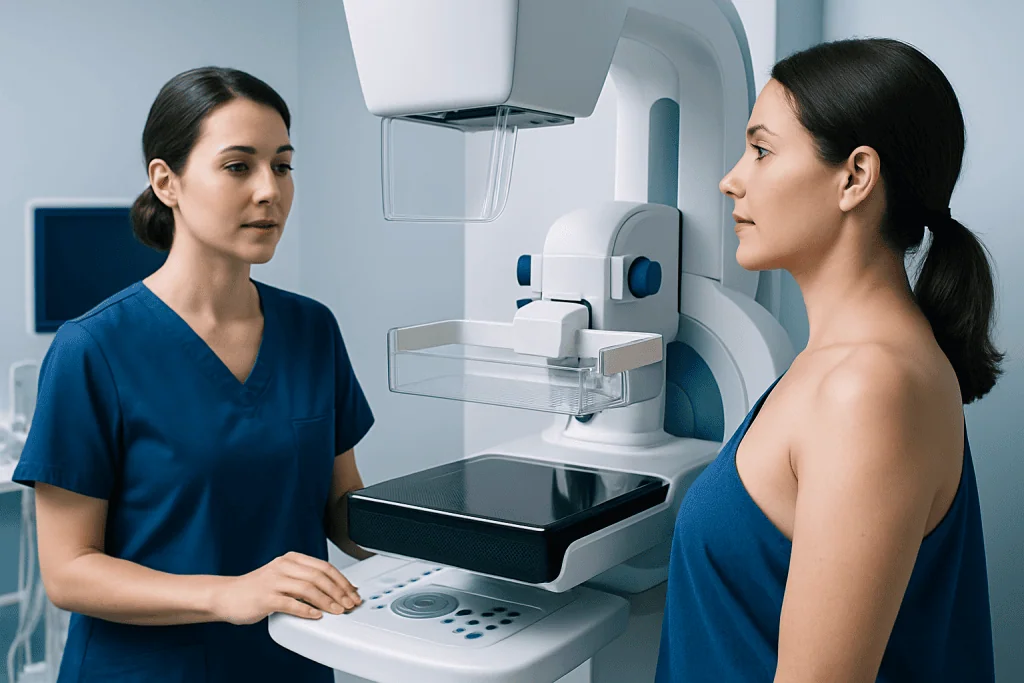
Because these ligaments are interwoven with breast tissue, they may be visible indirectly on breast imaging. Their normal appearance and any areas of tissue pulling are interpreted by radiologists alongside the full clinical and imaging picture.
Do Cooper's Ligaments Cause Breast Sagging?
Breast ptosis is the medical term for a breast position in which the nipple and breast tissue sit lower on the chest than before or lower than expected for a person’s anatomy. It is often described as breast sagging. Stretching and remodeling of supportive tissues, including Cooper’s ligaments and skin, can contribute, but breast ptosis is usually multifactorial.
Natural aging changes collagen and elastin, proteins that help connective tissues remain resilient. Pregnancy can enlarge the breasts, and breast volume may decrease after pregnancy or after breastfeeding ends. Weight changes, inherited skin characteristics, larger breast volume, smoking and hormonal changes can also affect breast shape over time. Breastfeeding itself is not considered the sole cause; pregnancy-related breast changes and other factors are important contributors.
There is no reliable way to “repair” or tighten Cooper’s ligaments with creams, massage, bras or targeted chest exercises. A supportive bra may improve comfort and appearance during activity, while chest-strengthening exercise may improve the muscle beneath the breast, but neither directly changes the ligaments or restores breast position.
Cooper's Ligaments and Skin Dimpling: Why Context Matters
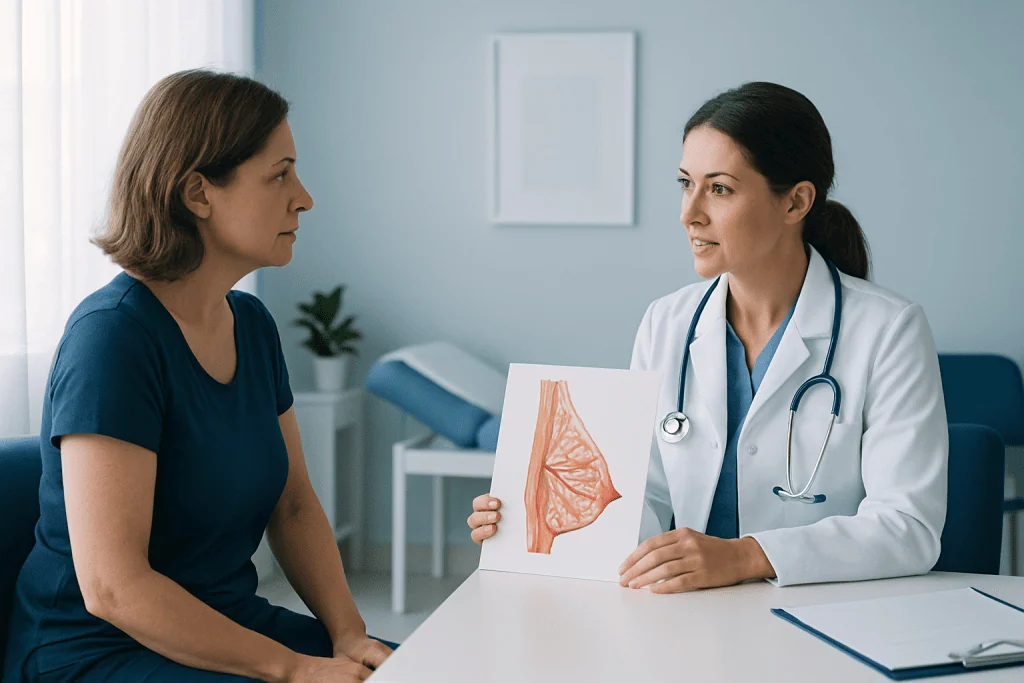
Because Cooper’s ligaments attach toward the skin, pulling on these structures can sometimes create dimpling, puckering or a tethered appearance of the skin. This can occur for several reasons, including benign scarring, inflammation, prior surgery or changes in nearby tissue. It may also be seen in some breast cancers, where abnormal tissue affects the ligaments and skin.
Most breast changes have non-cancerous explanations, but a new or persistent area of skin dimpling should not be assumed to be a normal ligament change. A clinician can examine the breast and determine whether imaging is appropriate. Evaluation may include a diagnostic mammogram, breast ultrasound or, in selected situations, magnetic resonance imaging (MRI).
Other changes worth noting include a new lump, focal thickening, a nipple that has newly turned inward, persistent scaling around the nipple, spontaneous bloody nipple discharge, or a change in one breast that differs clearly from the other. Early assessment helps clarify the cause and supports timely care when needed. For more general information about suspicious findings, see breast cancer.
How Doctors Assess Breast Changes
A healthcare professional begins with a focused history and breast examination. They may ask when the change was first noticed, whether it varies with the menstrual cycle, whether there has been recent pregnancy, breastfeeding, injury, surgery or weight change, and whether there is a personal or family history of breast conditions.
Imaging is chosen according to age, symptoms, examination findings and local screening guidance. Mammography is commonly used to assess breast tissue, while ultrasound can be particularly useful for evaluating a localized lump or distinguishing a fluid-filled cyst from a solid area. MRI may be considered for selected patients when more detailed assessment is needed.
Imaging does not usually “diagnose stretched Cooper’s ligaments” as an isolated problem. Instead, it helps identify or exclude structural causes of a symptom. If an area looks suspicious, a needle biopsy may be recommended to examine cells or tissue under a microscope. This is the most reliable way to confirm or rule out certain diagnoses.
Supporting Breast Comfort and Healthy Body Image
Breast changes over time are common and do not mean that a person has done anything wrong. Choosing a comfortable, well-fitted supportive bra may reduce movement-related discomfort, especially during running or other high-impact activity. Maintaining a stable weight where possible, avoiding smoking and protecting skin from excessive sun exposure can support general skin and connective-tissue health, although they cannot prevent all natural changes.
Regular physical activity, including upper-body and posture exercises, can improve overall strength and comfort. These exercises affect the chest muscles behind the breasts rather than Cooper’s ligaments themselves. They may alter posture or the appearance of the upper chest, but they do not lift breast tissue or reverse ptosis.
People concerned primarily about breast position or volume can discuss options with a qualified clinician. Depending on individual goals and anatomy, this may include advice on bra fitting, observation, or consultation about breast lift surgery (mastopexy). Any procedure has potential benefits, limitations and risks, so informed discussion is important.
When to Seek Medical Care
Medical care is advisable for a new breast lump, a firm area that does not go away, new skin dimpling or puckering, unexplained redness or swelling, a new nipple change, or spontaneous nipple discharge—particularly if it is bloody. A change affecting only one breast, or one that persists beyond a menstrual cycle, also deserves assessment.
Urgent medical advice is appropriate for rapidly increasing breast redness, warmth, swelling, fever or significant pain, as these symptoms may indicate infection or another condition requiring prompt treatment. People who are pregnant or breastfeeding should also seek advice for painful swelling, fever or concerns about mastitis.
Routine breast screening remains important even when there are no symptoms. Screening schedules vary by country, age and personal risk. A doctor can help an individual understand the screening approach that is appropriate for them. Acibadem International’s multidisciplinary specialists and JCI-accredited hospitals can evaluate breast symptoms and provide care for international patients.
Frequently asked questions
What are Cooper's ligaments?
Cooper's ligaments are bands of fibrous connective tissue inside the breast. They help support breast tissue by linking deeper tissues over the chest wall with the skin.
Can Cooper's ligaments be strengthened with exercise?
No. Cooper's ligaments are connective tissue rather than muscle, so they cannot be strengthened with specific exercises. Chest exercises can strengthen the muscles beneath the breasts and may improve posture, but they do not tighten the ligaments.
Does breastfeeding damage Cooper's ligaments?
Breast changes associated with pregnancy and changes in breast volume can affect breast shape over time. Breastfeeding alone is not considered the only or direct cause of breast ptosis, as aging, genetics, weight changes and skin elasticity also play important roles.
Can a bra prevent Cooper's ligaments from stretching?
A supportive bra can improve comfort and reduce breast movement during daily activities or exercise. However, it has not been shown to prevent all long-term changes in breast shape or permanently stop natural connective-tissue changes.
Is breast skin dimpling always caused by Cooper's ligaments?
No. Skin dimpling can result from benign causes such as scarring or inflammation, but it can also occur when an underlying breast condition pulls on supportive tissue. Any new, persistent or unexplained dimpling should be evaluated by a healthcare professional.
Can Cooper's ligaments be repaired without surgery?
There is no proven non-surgical treatment that directly repairs or tightens Cooper's ligaments. Supportive garments and lifestyle measures may help comfort and general wellbeing, while surgical options may be discussed when breast position is a significant concern.
References
- American Cancer Society
- National Cancer Institute
- American College of Radiology
- Mayo Clinic
- World Health Organization
This article is for general information only and is not a substitute for professional medical advice. Please consult a qualified doctor about your individual situation.
Joint and spine care in Turkey — expert assessment & treatment
JCI-accredited · board-certified surgeons · reply within 24h