Liposuction Scars: A Complete Medical Overview
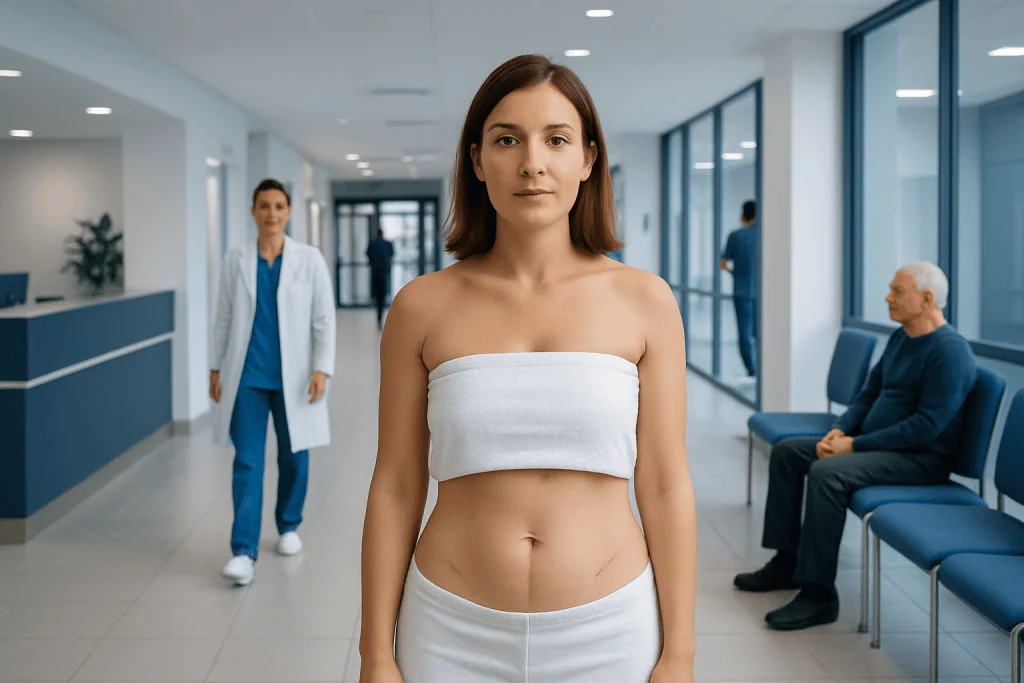
Liposuction usually leaves several small scars at the incision sites where the cannula is inserted. Scars commonly look red, pink, firm or darker than surrounding skin early in healing, then fade gradually over months.
Key Takeaways
- Liposuction usually leaves several small scars at the incision sites where the cannula is inserted.
- Scars commonly look red, pink, firm or darker than surrounding skin early in healing, then fade gradually over months.
- Genetics, skin tone, incision healing, smoking, infection and tension on the skin can influence scar appearance.
- Surgeon-directed wound care, sun protection and avoiding smoking support normal healing.
- Persistent raised, painful, itchy or changing scars should be assessed by a qualified clinician.
Liposuction scars are generally small because the procedure is performed through short incisions used to insert a thin suction tube. With appropriate wound care, sun protection and time, most scars gradually become flatter and less noticeable, although final scar appearance varies between individuals.
Overview: what liposuction scars look like
Liposuction scars are small marks left where a surgeon makes skin incisions to place the cannula, a narrow tube that loosens and removes fat. Incisions are commonly positioned in natural skin creases, beneath underwear or swimwear lines, or other less visible areas when possible. The number and placement depend on the body area treated, the technique used and the amount of contouring required.
In the first weeks, scars may appear red, pink, purple, brown or slightly raised. They can also feel firm, itchy, numb or mildly sensitive while the skin and underlying tissues heal. These features often improve over time, but scar maturation is gradual. Many scars continue to change for 12 months or longer.
Liposuction is a body-contouring procedure rather than a weight-loss treatment. Its recovery may involve swelling, bruising and temporary changes in skin sensation around the treated area, which are separate from the incision scars themselves. Understanding the difference can help people monitor healing more accurately.
Why scars form and why they vary
Any incision that passes through the skin triggers wound healing. The body first closes the wound, then builds collagen to repair it. During this process, collagen production can temporarily make a scar feel thicker or look more noticeable. Over time, collagen is reorganized and many scars soften, flatten and lighten.
Scar appearance differs widely. Important influences include a person’s inherited tendency to scar, skin color, age, the location of an incision, the amount of tension on the healing skin, and whether the wound heals without complications. People with a personal or family history of raised scars may be more prone to hypertrophic scars or keloids.
A hypertrophic scar is raised but remains within the original incision boundary. A keloid extends beyond the original wound edges and may continue growing. Neither is usually dangerous, but both can cause itching, tenderness or cosmetic concern and may benefit from specialist advice. A pre-procedure consultation is a good time to discuss prior scars and any history of keloids.
The usual scar-healing timeline
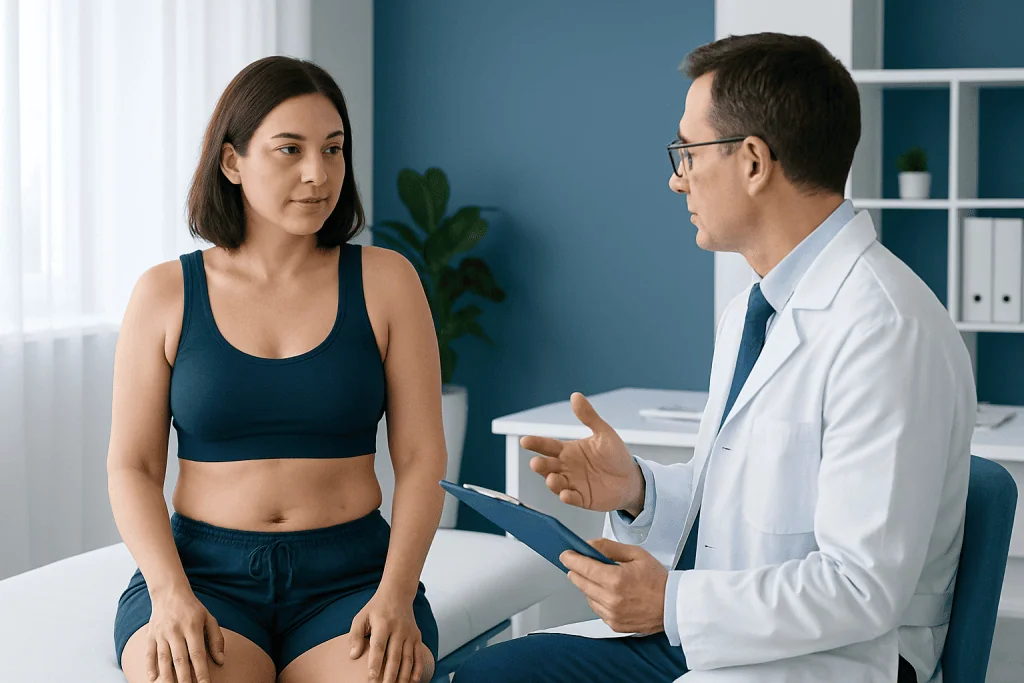
During the first several days after liposuction, incision sites are typically covered with dressings. Small amounts of fluid drainage can be expected with some techniques, particularly early in recovery. The surgical team will advise when dressings can be changed, when showering is appropriate and whether any incision closures need removal.
Over the following weeks, the wound surface closes and early inflammation settles. It is common for a healing incision to remain pink or darker than nearby skin. The scar may seem more visible before it improves, especially between several weeks and a few months after surgery. Swelling in the surrounding area can also make the skin texture look uneven temporarily.
From roughly the following months onward, scars usually enter a remodeling phase. They may become paler, softer and flatter, although they do not always disappear completely. Healing is not identical on every part of the body: areas exposed to friction, movement or sunlight may take longer to settle. Follow-up appointments allow the surgeon to assess both scar development and body contour recovery.
Caring for liposuction incision scars
The most important scar-care steps immediately after surgery are the specific instructions provided by the operating surgeon. Keeping dressings clean and dry, washing only when advised, and avoiding picking at scabs or adhesive strips can reduce avoidable irritation. People should not apply creams, oils or silicone products to an open incision unless their clinician confirms that the skin has fully closed.
Once the incision has healed, silicone gel or silicone sheets may be recommended to help improve scar texture and symptoms in some patients. Gentle scar massage may also be appropriate after clearance from the surgical team. Massage should not be painful and should never be used over an open, draining or infected wound.
Protecting scars from ultraviolet light is particularly important. New scars can darken or become more visible after sun exposure. Covering the area with clothing and using broad-spectrum sunscreen on fully healed skin can help limit discoloration. Compression garments should be worn exactly as advised, as they are primarily used to support postoperative swelling and contour healing rather than to erase scars.
- Do not smoke or use nicotine products during the healing period, as nicotine can impair blood flow and wound healing.
- Maintain adequate nutrition and hydration to support recovery.
- Avoid strenuous activity until the surgical team says it is safe.
- Attend scheduled follow-up visits, even if recovery appears uncomplicated.
Options for scars that remain noticeable
Most liposuction scars improve without additional procedures. If a scar remains raised, dark, itchy, painful or cosmetically concerning after adequate healing time, a plastic surgeon or dermatologist can assess it. Treatment is individualized according to the scar type, location, skin characteristics and the person’s goals.
Possible approaches may include silicone-based therapy, pressure strategies in selected situations, corticosteroid injections for certain raised scars, laser-based treatments for redness or pigment changes, or other scar-management methods. Scar revision surgery is considered only in carefully selected cases, often after the scar has had sufficient time to mature. No treatment can guarantee that a scar will disappear completely.
It is also important to distinguish an incision scar from contour irregularity, prolonged swelling or firmness beneath the skin. These concerns may have different causes and management. An experienced clinician can explain whether observation, nonsurgical care or further treatment is appropriate.
People considering body contouring can discuss incision placement, expected scars and recovery during a consultation for liposuction. Clear preoperative communication helps establish realistic expectations about both contour changes and skin healing.
Reducing risk before and after surgery
Although scars cannot be eliminated entirely after an incision, several steps can support uncomplicated healing. Choosing a properly trained, qualified surgeon and sharing a complete medical history are essential. This includes previous surgery, allergy history, current medicines and supplements, diabetes, circulation problems, smoking or nicotine use, and any past abnormal scarring.
Following preparation instructions matters. Some medicines and supplements can affect bleeding or recovery, so they should be reviewed with the clinician rather than stopped independently. People should arrange appropriate support after surgery and have a clear plan for garment use, wound care, activity restrictions and follow-up.
After the procedure, gradual return to normal activities should follow individual clinical guidance. Maintaining a stable weight and healthy lifestyle can support longer-term contour results, but it does not determine whether a scar forms. Scars are a normal biological response to incisions, not a sign that a person has done something wrong during recovery.
When to seek medical care
Contact the operating surgeon promptly if an incision becomes increasingly red, warm, swollen or painful; if there is pus-like drainage, a foul odor, persistent bleeding, wound opening, fever or feeling unwell. These symptoms can indicate an infection or another wound-healing problem that needs timely assessment. Sudden significant swelling, breathing difficulty, chest pain or fainting requires urgent medical attention.
A non-urgent appointment is also appropriate if a scar becomes progressively raised, spreads beyond the incision, remains very itchy or painful, changes rapidly, or causes ongoing distress. Early assessment may allow scar symptoms to be managed before they become more established.
For international patients, Acibadem International’s multidisciplinary specialists and JCI-accredited hospitals can assess postoperative healing concerns and provide care for people undergoing or recovering from liposuction. Any new or worsening symptom should be evaluated by a qualified healthcare professional rather than managed solely with over-the-counter products.
Frequently asked questions
Are liposuction scars permanent?
Liposuction incisions create permanent scars, but they are often small and usually fade substantially with time. Their final appearance depends on incision location, skin type, individual healing and whether complications occur. Most scars become less noticeable over months to a year or more.
How long does it take for liposuction scars to fade?
Early scars may be red, dark, firm or slightly raised for several weeks to months. Many continue to soften and fade during the first year, and some remodeling can continue beyond that. The pace is individual and may vary between body areas.
Can silicone gel help liposuction scars?
Silicone gel or sheets may help improve the texture and symptoms of some healed scars. They should only be used after the incision is fully closed and according to advice from the surgical team. Silicone products should not be placed on open, infected or draining wounds.
Why are my liposuction scars dark?
New scars can appear darker than surrounding skin because of inflammation and post-inflammatory pigment changes. Sun exposure can make this discoloration more pronounced, especially in darker skin tones. Protecting healed scars from sunlight and discussing persistent discoloration with a clinician may be helpful.
Can liposuction cause keloid scars?
Any skin incision can trigger a keloid in a person who is prone to them, although it is not common for every patient. A personal or family history of keloids should be discussed before surgery. If a scar grows beyond the incision edges or becomes itchy or painful, medical assessment is recommended.
When can scar massage begin after liposuction?
Scar massage should begin only after the incision is fully closed and the surgeon confirms it is safe. Starting too early can irritate a healing wound or interfere with recovery. The clinician can advise on timing, technique and whether massage is appropriate for that individual.
References
- American Society of Plastic Surgeons
- American Academy of Dermatology
- National Health Service
- Mayo Clinic
This article is for general information only and is not a substitute for professional medical advice. Please consult a qualified doctor about your individual situation.
Explore treatments in Turkey — costs, top hospitals & a free quote
JCI-accredited · board-certified surgeons · reply within 24h