Cortisone Shot in Shoulder: An Evidence-Based Patient Guide

Cortisone injections can reduce inflammation-related shoulder pain but do not repair a torn tendon or reverse arthritis. The injection may be placed in a joint, bursa or tendon-adjacent space depending on the suspected pain source.
Key Takeaways
- Cortisone injections can reduce inflammation-related shoulder pain but do not repair a torn tendon or reverse arthritis.
- The injection may be placed in a joint, bursa or tendon-adjacent space depending on the suspected pain source.
- Many people rest the shoulder from strenuous activity for 24 to 48 hours, then gradually return to guided movement.
- Temporary soreness, skin changes and a short-lived rise in blood glucose can occur; serious complications are uncommon.
- Repeated injections in the same area are usually limited because corticosteroids may weaken nearby tissues over time.
A cortisone shot in shoulder is an injection of corticosteroid medicine, often combined with a local anesthetic, used to reduce inflammation and relieve pain in selected shoulder conditions. It may offer short-term symptom relief, but works best as part of a wider plan that can include activity changes, physiotherapy and treatment of the underlying cause.
Overview: what a cortisone shot in shoulder can do
A cortisone shot in shoulder is a targeted injection that uses a corticosteroid medicine to calm inflammation in or around the shoulder. It is often combined with a local anesthetic, which may numb the area for a few hours. The purpose is usually to reduce pain enough for a person to sleep more comfortably, manage daily activities and take part in rehabilitation.
“Cortisone” is a commonly used name for a group of anti-inflammatory steroid medicines. These medicines are different from anabolic steroids used to increase muscle mass. A shoulder injection does not fix every cause of shoulder pain. For example, it cannot reconnect a torn rotator cuff tendon, but it may reduce inflammation contributing to pain while a clinician evaluates and manages the problem.
The effect varies by condition and by individual. Some people notice relief from the local anesthetic immediately, followed by improvement from the steroid over several days. Others have limited or no benefit. A clinician should first identify the likely source of pain, such as bursitis, osteoarthritis, adhesive capsulitis or a rotator cuff-related condition.
How it works and who may be a candidate

Corticosteroids reduce the activity of inflammatory signals in tissues. In the shoulder, a clinician may inject medicine into the glenohumeral joint, the acromioclavicular joint, the subacromial bursa, or another carefully selected area. The correct location depends on symptoms, examination findings and, when needed, imaging.
Potential candidates include people with painful shoulder bursitis, inflammatory arthritis, osteoarthritis, adhesive capsulitis (frozen shoulder), or some rotator cuff-related pain conditions that have not improved sufficiently with initial non-surgical care. An injection may be considered alongside physical therapy rather than as a replacement for it. It can sometimes create a more comfortable opportunity to restore shoulder movement and strength.
An injection may not be appropriate when there is an active infection, a suspected fracture, uncontrolled bleeding risk, allergy to an injection component, or concern that symptoms are caused by a condition needing different treatment. People with diabetes should tell their clinician, as corticosteroids can temporarily raise blood glucose. Careful assessment is also important if a person takes blood-thinning medication or has had prior injections in the same shoulder.
Common shoulder conditions may overlap. For example, a clinician may assess for rotator cuff tear or frozen shoulder before deciding whether an injection is likely to be useful.
Cortisone shot shoulder procedure: what happens step by step

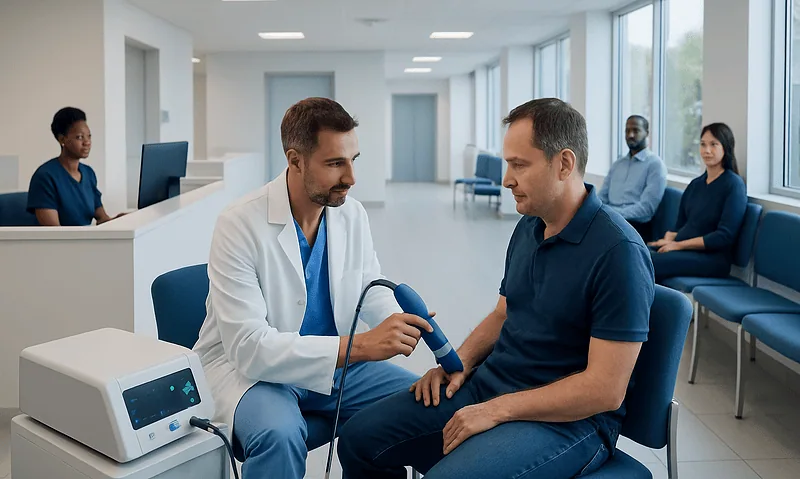
Before the procedure, the clinician reviews symptoms, medical history, medications, allergies and any relevant imaging. The shoulder is examined to help identify the most likely pain generator. The person may be asked to sit or lie in a position that keeps the shoulder relaxed and allows safe access to the injection site.
The skin is cleaned with antiseptic. A local anesthetic may be applied to the skin or included in the injection mixture. The clinician inserts a fine needle into the planned space and injects the medicine. Ultrasound guidance is often used for some shoulder injections because it can help visualize soft tissues and guide needle placement, although the need for imaging guidance depends on the target and clinical situation.
The injection itself commonly takes only a few minutes. Pressure or brief discomfort may be felt, particularly when the needle enters a sensitive area. The shoulder may feel numb, heavy or temporarily more comfortable from the anesthetic. Patients are typically able to go home shortly afterward, but should follow any individualized instructions about driving if numbness or pain affects safe control of the arm.
Documentation and billing systems may use a cortisone shot in shoulder CPT code, but the exact code depends on the injection site, whether imaging guidance is used and local coding rules. This administrative term does not describe whether an injection is medically appropriate; that decision should be based on clinical assessment.
Benefits, limits and cortisone shot in shoulder recovery time
The main potential benefit is a reduction in inflammation-related pain. This may make it easier to begin or continue physiotherapy, improve range of motion, and reduce disruption to sleep and work. Relief can begin after a few days, although the timing and duration differ widely. The local anesthetic may wear off before the corticosteroid begins working.
A cortisone shot in shoulder recovery time is generally short in terms of the procedure itself. Most people can carry out gentle daily activities on the same day or the following day. However, recovery from the underlying shoulder condition may take weeks or longer, especially when stiffness, tendon irritation or weakness is present. A rehabilitation plan remains important even if pain improves.
It is useful to view an injection as one tool within a broader care plan. Depending on the diagnosis, this may include activity modification, physiotherapy, anti-inflammatory pain management when suitable, and further assessment. For persistent tendon tears, severe arthritis or symptoms that do not respond to conservative care, a specialist may discuss shoulder surgery or other options.
Clinicians generally avoid frequent repeated steroid injections into the same area. While appropriate use can be helpful, repeated exposure may contribute to tissue weakening, particularly around tendons, and may have diminishing benefit over time.
What should you not do after a cortisone shot in the shoulder?
After a shoulder injection, people are commonly advised to avoid strenuous use of that arm for about 24 to 48 hours. This includes heavy lifting, repetitive overhead work, forceful pushing or pulling, intense sport and exercises that clearly aggravate pain. Gentle movement for everyday comfort is usually encouraged unless the treating clinician gives different advice.
It is also sensible to avoid using immediate pain relief from the local anesthetic as a reason to overuse the shoulder. Numbness can mask pain temporarily, while the inflamed tissues still need time to settle. A gradual return to physiotherapy or exercise should follow the clinician’s plan.
For the first day, keeping the injection area clean and observing it for unusual redness, warmth or drainage is appropriate. A cool pack wrapped in cloth may help with soreness for short periods. People should use pain medicines only as advised by their clinician, particularly if they have kidney disease, stomach ulcers, blood-thinning treatment or other health considerations.
How long do I need to rest after a cortisone injection in the shoulder?
Most patients need relative rest, not complete immobilization, for 24 to 48 hours after a cortisone injection in the shoulder. Gentle hand, wrist and elbow movement is generally fine, and comfortable shoulder motion may be appropriate. The exact recommendation can differ when the injection was used for a particular tendon, joint or injury, so the treating clinician’s instructions take priority.
After the initial rest period, activity is usually increased gradually according to pain and function. A physiotherapist may recommend mobility exercises first, followed by strengthening when the shoulder tolerates it. Trying to return immediately to demanding exercise or manual work can provoke symptoms and make it harder to judge the injection’s effect.
If the shoulder is increasingly painful after the first few days, or if function is worsening rather than improving, the person should contact the clinician who performed the injection. This does not always indicate a serious problem, but it deserves appropriate advice and assessment.
Is it worth getting a cortisone shot in the shoulder?
Whether a cortisone injection is worthwhile depends on the diagnosis, severity of symptoms, treatment goals and individual health factors. It may be a reasonable option when inflammation is contributing substantially to pain and symptoms are preventing sleep, daily activity or rehabilitation. It is often most useful when paired with a plan to address movement, strength and the underlying condition.
It may be less useful when pain is mainly caused by a full-thickness tendon tear, advanced structural joint damage, neck-related nerve pain or another problem not driven primarily by local shoulder inflammation. In these circumstances, temporary pain relief may still occur, but it may not address the main cause.
A shared discussion with an orthopedic specialist, sports medicine clinician, rheumatologist or physical medicine clinician can clarify expected benefits and limitations. Acibadem International’s multidisciplinary specialists at JCI-accredited hospitals assess and treat shoulder conditions for international patients, including rehabilitation and procedural options when appropriate.
Risks, pain during injection and when to seek medical care
Most people tolerate shoulder injections well, but there can be brief discomfort as the needle enters the skin and deeper tissues. There is no single “most painful” place to get a cortisone shot because pain depends on the injection target, the degree of inflammation, anatomy and individual sensitivity. Injections near tight, very inflamed or deeper structures may feel more uncomfortable, while local anesthetic and careful technique can reduce discomfort.
A cortisone shot in shoulder made pain worse can describe a short-lived post-injection flare. This can happen within the first day or two and often settles with relative rest and simple measures recommended by the clinician. Other possible effects include temporary facial flushing, bruising, skin lightening or thinning near the injection site, and temporary increases in blood glucose in people with diabetes.
Serious complications are uncommon but can include infection, bleeding, allergic reaction, nerve injury or damage to nearby tissues. Medical advice should be sought promptly for fever, increasing redness or warmth, drainage, severe or escalating pain, marked swelling, new weakness, persistent numbness, or symptoms of an allergic reaction. A shoulder injury with sudden inability to lift the arm, obvious deformity or severe pain after trauma also needs urgent assessment.
For ongoing shoulder pain, evaluation may include rehabilitation approaches such as physical therapy and diagnostic imaging where clinically indicated. The safest plan is individualized and reviewed if symptoms do not improve as expected.
Frequently asked questions
How long does a cortisone shot in the shoulder take to work?
The local anesthetic, if used, may give temporary numbness or pain relief within minutes. The corticosteroid effect often begins over several days and can take up to a week or two to become clear. The amount and duration of relief vary with the condition being treated and the individual.
Can I drive after a cortisone injection in my shoulder?
Some people can drive after the procedure, but this depends on comfort, arm movement and whether the shoulder is numb from local anesthetic. Driving should be avoided if pain, weakness or numbness makes it difficult to safely control the vehicle. The clinic’s specific instructions should be followed.
Why is my shoulder more painful after the injection?
A temporary post-injection flare can cause more pain for a day or two after an injection. Relative rest and a wrapped cool pack may help if recommended by the clinician. Severe, worsening pain or pain with fever, redness, drainage or marked swelling needs prompt medical advice.
How many cortisone shots can I have in my shoulder?
There is no single number that is appropriate for everyone. Clinicians usually limit repeated injections in the same shoulder area because frequent corticosteroid exposure may affect tendons, cartilage and skin, and repeated injections may become less effective. The decision should consider the diagnosis, response to prior treatment and other options.
Can a cortisone injection heal a rotator cuff tear?
No. A corticosteroid injection does not repair a torn rotator cuff tendon. It may reduce pain and inflammation in some people, which can support rehabilitation, but a suspected tear should be assessed so that treatment matches its size, symptoms and functional impact.
Should people with diabetes have a shoulder cortisone injection?
People with diabetes can sometimes have a corticosteroid injection, but they should discuss it with the clinician in advance. Blood glucose can rise temporarily after the injection, so additional monitoring and an individualized diabetes plan may be needed. The person’s diabetes care team can advise when appropriate.
References
- American Academy of Orthopaedic Surgeons
- American College of Rheumatology
- National Institute of Arthritis and Musculoskeletal and Skin Diseases
- National Health Service
- Mayo Clinic
This article is for general information only and is not a substitute for professional medical advice. Please consult a qualified doctor about your individual situation.
Joint and spine care in Turkey — expert assessment & treatment
JCI-accredited · board-certified surgeons · reply within 24h