

Eosinophilic Esophagitis Treatment: How It Works, Results and What to Expect

Eosinophilic esophagitis, or EoE, is a chronic immune-mediated condition that affects the esophagus. Treatment can improve symptoms and reduce inflammation, but ongoing follow-up is often needed because symptoms may return.
Key Takeaways
- Eosinophilic esophagitis, or EoE, is a chronic immune-mediated condition that affects the esophagus.
- Treatment can improve symptoms and reduce inflammation, but ongoing follow-up is often needed because symptoms may return.
- Food triggers are common, but they vary between individuals and should be assessed with professional guidance.
- Esophageal dilation can widen a narrowed esophagus but does not treat the underlying inflammation.
- Food getting stuck, trouble swallowing or chest pain with eating should be assessed promptly by a clinician.
Eosinophilic esophagitis treatment aims to control allergic-type inflammation in the esophagus, relieve swallowing symptoms and help prevent narrowing over time. Treatment is individualized and may include acid-suppressing medication, swallowed topical steroids, dietary therapy, biologic medication and esophageal dilation for strictures.
Overview: How eosinophilic esophagitis treatment works
Eosinophilic esophagitis treatment works by reducing inflammation caused by eosinophils, a type of white blood cell, in the lining of the esophagus. The goals are to make swallowing more comfortable, prevent food from becoming stuck, promote healing seen on endoscopy and reduce the risk of scarring or narrowing of the esophagus.
EoE is a long-term immune-mediated condition. It is often linked with allergic conditions such as asthma, eczema or allergic rhinitis, although not every person has these conditions. Because EoE can persist even when symptoms are mild, treatment decisions are usually based on symptoms together with endoscopy and biopsy findings.
A gastroenterologist typically helps coordinate care. Depending on the treatment plan, an allergist, dietitian, pediatrician or other specialist may also be involved. The most appropriate approach depends on age, symptoms, previous treatments, dietary needs and whether narrowing of the esophagus is present.
Who may benefit and how EoE is diagnosed
People may be considered for treatment when they have symptoms and biopsies that support EoE. In adults, the most typical concern is difficulty swallowing solid foods or episodes in which food feels lodged in the chest or throat. Children may have feeding refusal, vomiting, abdominal discomfort, poor appetite or trouble gaining weight.
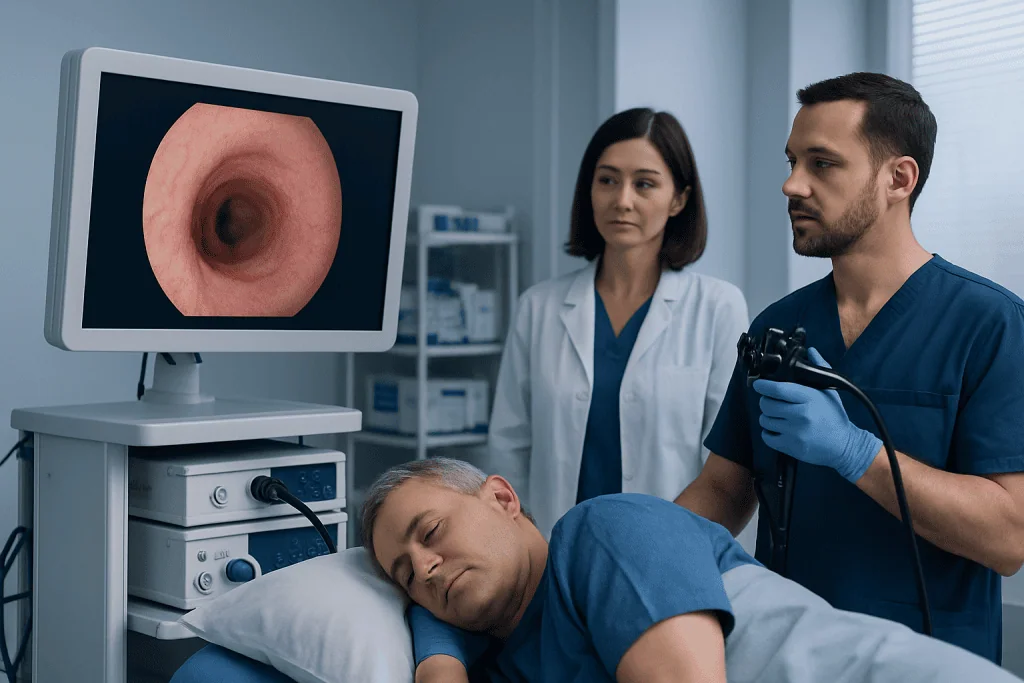
Diagnosis generally requires an upper endoscopy. During this procedure, a flexible camera is passed through the mouth to view the esophagus, stomach and upper small intestine. The clinician takes small tissue samples, called biopsies, because EoE can be present even when the esophagus looks relatively normal.
The assessment also considers other possible causes of symptoms, including reflux disease, swallowing disorders and other forms of esophageal inflammation. Allergy testing may be useful for evaluating coexisting allergies, but it does not reliably identify every food responsible for EoE. A treatment plan should therefore not rely on allergy testing alone.
Treatment options: medication, diet and dilation
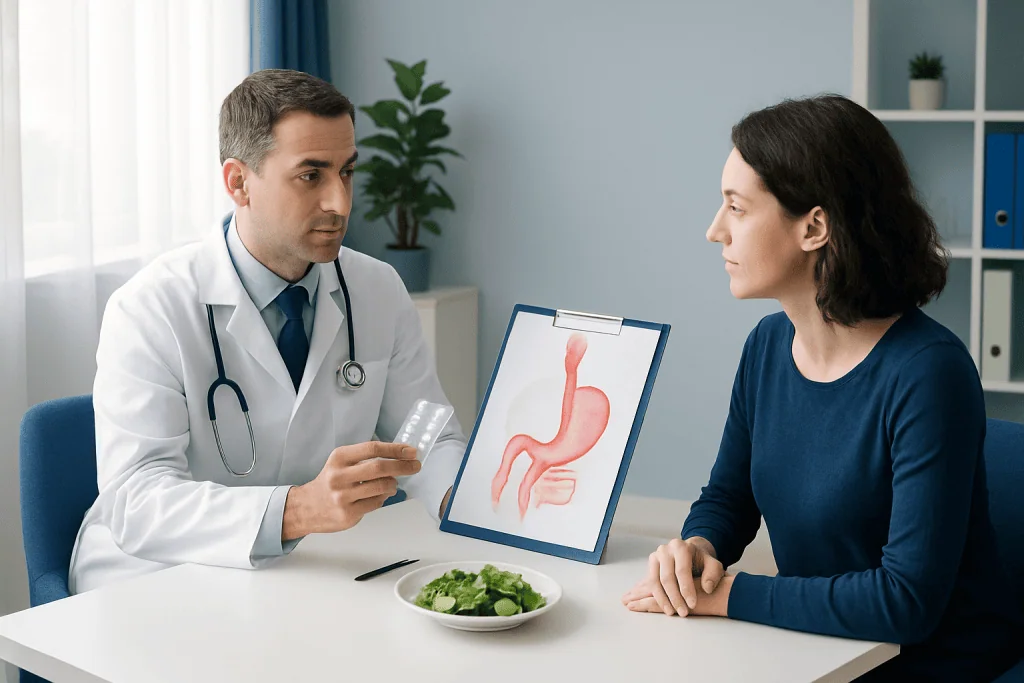
Several evidence-based options can be used alone or in combination. Proton pump inhibitors are acid-suppressing medicines that can reduce esophageal inflammation in some people with EoE. They may be selected as an initial option because they are widely used and can also help when reflux is present.
Swallowed topical corticosteroids are formulated or instructed to coat the esophagus rather than treat the lungs. They reduce local inflammation and can improve biopsy results and swallowing symptoms. A clinician explains how to take them correctly and monitors for possible side effects, such as oral or esophageal yeast infection.
Dietary therapy removes selected foods that may drive inflammation. A less restrictive approach may begin by removing one or two common trigger groups, while some people require a broader elimination diet. Foods are later reintroduced in a structured way, with follow-up endoscopy and biopsies helping to confirm whether inflammation remains controlled. Working with a registered dietitian is particularly important for children, people with nutritional risk and anyone following a restrictive diet.
Biologic medicines that target specific immune pathways may be appropriate for selected people whose disease remains active, who have multiple allergic conditions or who cannot use other options effectively. Esophageal dilation is considered when scar tissue has caused a significant narrowing. It can ease obstruction and swallowing difficulty, but anti-inflammatory treatment remains important because dilation does not control the immune inflammation itself.
What happens during an endoscopy and esophageal dilation
Upper endoscopy is usually an outpatient procedure performed with sedation or anesthesia. Before the procedure, the patient receives instructions about fasting and medicines. During the examination, the clinician inspects the esophagus for features such as rings, furrows, white patches or narrowing and obtains biopsies from more than one area.
If a narrowing is causing symptoms, esophageal dilation may be performed during an endoscopy or planned for a separate session. The clinician gently stretches the narrowed segment using a balloon or a series of dilators. The decision to dilate is based on the individual anatomy, symptoms and safety considerations.
Afterward, many people go home the same day once sedation has worn off. A mild sore throat, chest discomfort or temporary pain with swallowing can occur for a short period after dilation. The care team provides specific instructions about eating, activity, pain relief and warning symptoms after the procedure.
Dilation is often effective for improving the passage of food, especially in people with strictures. However, some people need repeat dilation over time, and continued medical or dietary treatment is generally needed to reduce ongoing inflammation and the chance of further narrowing.
Benefits, limitations and possible risks
Effective EoE care can reduce trouble swallowing, decrease episodes of food impaction and support normal eating and nutrition. Treatment may also improve inflammation on biopsy, which is important because symptoms alone do not always reflect the level of disease activity.
No single treatment is best for everyone. A medicine may be convenient but require consistent long-term use. Dietary therapy can be helpful but may be difficult to maintain and can affect social eating or nutritional intake. Biologic therapy may be suitable for some people but requires discussion of its benefits, administration and monitoring with a specialist.
The risks of endoscopy are generally low but include reactions to sedation, bleeding and, rarely, a tear or perforation. Dilation can cause temporary chest pain and has a small risk of bleeding or perforation. New severe chest pain, fever, difficulty breathing or inability to swallow after a procedure requires urgent medical assessment.
Follow-up endoscopy with biopsies is commonly used after a treatment change. This helps determine whether the esophagus is healing, even if symptoms have improved. The timing of follow-up is individualized by the treating clinician.
Living with EoE: self-care and flare prevention
Consistency is an important part of managing EoE. Medicines should be used as prescribed, and dietary changes should be made only with a clear plan for maintaining balanced nutrition. Keeping a record of swallowing symptoms, suspected food-related symptoms and treatment use can help guide follow-up conversations.
Eating slowly, taking small bites, chewing thoroughly and drinking fluids with meals may make swallowing easier for some people. These measures do not replace treatment. People should avoid trying to force down food that feels stuck, as this may worsen discomfort or delay needed emergency care.
Because EoE frequently occurs alongside other allergic conditions, coordinated care can be helpful. Acibadem International’s multidisciplinary specialists and JCI-accredited hospitals assess and treat EoE for international patients, with gastroenterology, allergy and nutrition support when needed.
There is no proven way to prevent EoE from developing. However, regular care, appropriate anti-inflammatory treatment and timely review of swallowing changes can help reduce complications associated with untreated inflammation.
When to seek medical care
Medical review is advisable for ongoing difficulty swallowing, recurrent heartburn that does not improve, pain when swallowing, repeated vomiting, unexplained food avoidance or a feeling that food moves slowly through the chest. These symptoms can have several causes, and assessment is needed to identify the right one.
Urgent medical care is needed if food becomes stuck and does not pass, particularly if the person cannot swallow saliva, is drooling, has significant chest or neck pain, or has trouble breathing. Food impaction may require emergency endoscopic removal and should not be managed by waiting at home.
People already diagnosed with EoE should contact their clinician if symptoms return or change despite treatment. A flare may indicate active inflammation, a new narrowing, difficulty adhering to therapy or another condition requiring evaluation.
Frequently asked questions
How long does it take to recover from eosinophilic esophagitis?
EoE is generally a chronic condition, so the aim is long-term control rather than a one-time cure. Symptoms and inflammation may improve over weeks to a few months after starting an effective treatment, but the exact timing varies. Follow-up endoscopy and biopsies are often needed because symptom improvement does not always mean the inflammation has resolved.
What is the biggest trigger for EoE?
Food antigens are common triggers for EoE, but there is no single biggest trigger for every person. Milk, wheat, egg, soy or legumes, nuts and seafood are among foods commonly considered during dietary treatment. The relevant triggers should be identified through a clinician-guided elimination and reintroduction plan rather than assumptions alone.
Can I live a long life with EoE?
Yes. EoE is not generally considered a life-shortening condition, and many people live full, active lives with appropriate treatment and follow-up. It is important to manage inflammation and swallowing problems to reduce risks such as food impaction and narrowing of the esophagus. Regular review helps ensure the treatment plan remains effective.
What does an EoE flare up feel like?
An EoE flare can feel like worsening difficulty swallowing, food sticking in the throat or chest, pain with swallowing, chest discomfort during meals or increasing avoidance of certain foods. Children may show more subtle changes, such as eating slowly, refusing textured foods, vomiting or poor appetite. Symptoms alone cannot confirm a flare, so a clinician may recommend endoscopy and biopsies to assess inflammation.
Is esophageal dilation painful, and does it cure EoE?
Dilation is performed with sedation or anesthesia, so the procedure itself is not usually felt. Some people have temporary chest soreness or discomfort when swallowing afterward. Dilation can improve a narrowing and make swallowing easier, but it does not cure the underlying inflammation, so medical or dietary treatment is still usually needed.
Can EoE be controlled without avoiding many foods?
For some people, medication can control EoE without a broad elimination diet. Others may benefit from removing only one or a small number of food groups, rather than following a highly restrictive plan. The best approach balances disease control, nutritional needs, personal preferences and the ability to maintain treatment over time.
References
- American College of Gastroenterology
- American Gastroenterological Association
- National Institute of Allergy and Infectious Diseases
- American Academy of Allergy, Asthma & Immunology
- National Institute of Diabetes and Digestive and Kidney Diseases
This article is for general information only and is not a substitute for professional medical advice. Please consult a qualified doctor about your individual situation.
Explore treatments in Turkey — costs, top hospitals & a free quote
JCI-accredited · board-certified surgeons · reply within 24h

More from the Health Library



Related Specialists

Dr. Ayşe İrem İskenderoğlu
Aesthetic Plastic & Reconstructive Surgery
Dr. Veli Mehmet Kindan
Emergency Service
Dr. Serpil Kılınç
Internal Medicine
Prof. Dr. Fuat Demirci
Gynecology & Obstetrics