Cushing’s Syndrome Surgery: Procedure, Recovery and Results

Surgery is usually the preferred treatment when a cortisol-producing tumor can be safely removed. Pituitary surgery is commonly performed through the nose, while adrenal surgery is often minimally invasive through small abdominal incisions.
Key Takeaways
- Surgery is usually the preferred treatment when a cortisol-producing tumor can be safely removed.
- Pituitary surgery is commonly performed through the nose, while adrenal surgery is often minimally invasive through small abdominal incisions.
- Temporary low cortisol after successful surgery is common and may require replacement steroid medicine.
- Follow-up testing is essential because hormone recovery can be gradual and Cushing's syndrome can sometimes return.
- Emotional and physical symptoms may take months to improve, and mental health support can be an important part of care.
Cushing's syndrome surgery aims to remove the tumor or gland tissue producing too much cortisol, helping restore healthier hormone levels. The procedure, recovery needs and expected results depend on whether the source is in the pituitary gland, adrenal glands or elsewhere in the body.
Overview: What is Cushing's syndrome surgery?
Cushing’s syndrome surgery is an operation to remove the source of excessive cortisol, a hormone made by the adrenal glands. For many people, the excess cortisol comes from a noncancerous tumor in the pituitary gland, known as Cushing’s disease. It may also be caused by a cortisol-producing adrenal tumor or, less commonly, a tumor elsewhere in the body that makes adrenocorticotropic hormone (ACTH).
Surgery is generally the first treatment considered when the hormone source is identified and can be removed. Its goal is to reduce cortisol production, relieve the effects of long-term cortisol excess and prevent complications such as high blood pressure, diabetes, bone loss, infections and blood clots. The exact operation is tailored to the location and nature of the tumor.
Care is usually coordinated by endocrinologists, endocrine surgeons, neurosurgeons, radiologists, pathologists and anesthesia teams. An individualized plan is important because both the disease and its treatment can affect hormone balance throughout the body. For an overview of the underlying condition, see Cushing's syndrome.
How surgery works and who may be a candidate
Before recommending surgery, the medical team confirms that cortisol is high and investigates why. Testing may include repeated urine, saliva or blood cortisol measurements, ACTH testing, pituitary or adrenal imaging, and sometimes specialized sampling procedures. A visible lesion on a scan is not always the cause, so results are interpreted together rather than in isolation.
People may be candidates when testing identifies a removable pituitary tumor, adrenal tumor or ectopic ACTH-producing tumor. Surgery may also be considered when symptoms and complications of cortisol excess are significant, provided the anticipated benefits outweigh procedural risks. Age alone does not determine eligibility; overall health, the tumor’s location, previous treatment and surgical expertise all matter.
When surgery is not possible, does not fully control cortisol, or the condition returns, alternatives may include medicines that lower cortisol, radiation treatment for certain pituitary tumors, or additional surgery. In selected difficult cases, removal of both adrenal glands may be considered, but it causes permanent adrenal insufficiency and lifelong hormone replacement is needed.
- Pituitary source: usually treated with transsphenoidal pituitary surgery.
- Adrenal source: usually treated with removal of the affected adrenal gland.
- Ectopic ACTH source: treated by removing the responsible tumor when feasible.
Step by step: What happens during the procedure?

For Cushing’s disease, the usual procedure is transsphenoidal surgery. A neurosurgeon reaches the pituitary gland through the nostril and sphenoid sinus, often with an endoscope and image guidance. This avoids an incision in the scalp. The surgeon carefully removes the tumor while preserving as much normal pituitary tissue as possible.
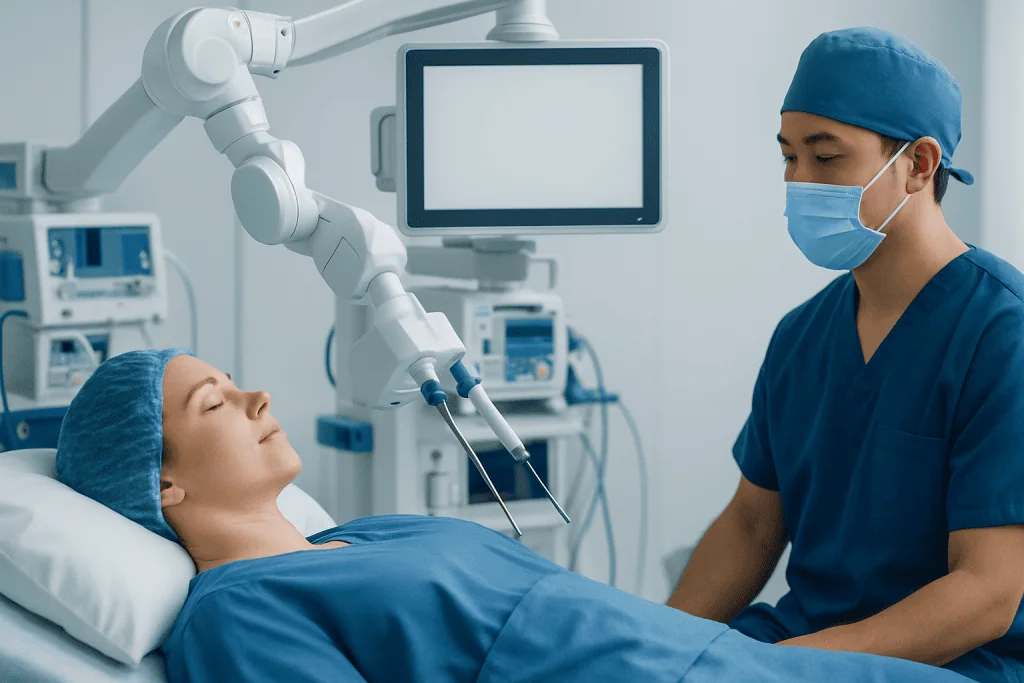
For an adrenal tumor, an endocrine or general surgeon removes one adrenal gland. Many adrenalectomies are performed laparoscopically or robotically through several small incisions. An open operation may be needed for a large tumor, concern about cancer, or complex anatomy. If an ectopic ACTH-producing tumor is found, the procedure is based on its site, such as the lung, pancreas or another organ.
Operations are performed under general anesthesia. The team monitors blood pressure, blood sugar, fluid balance and clotting risk carefully because uncontrolled cortisol excess affects several body systems. Tissue removed during surgery is examined in a laboratory to help confirm the diagnosis and guide follow-up care.
Patients can learn more about the surgical approach in pituitary surgery and adrenalectomy. The best approach should always be discussed with the specialist team after diagnostic testing is complete.
Cushing's surgery recovery time: what to expect
Cushing’s surgery recovery varies widely. A short hospital stay may be expected after uncomplicated transsphenoidal surgery or minimally invasive adrenal surgery, but longer observation is sometimes needed for hormone monitoring or treatment of complications. Physical recovery from incisions often occurs over several weeks, while recovery from the effects of excess cortisol usually takes longer.
After a successful operation, cortisol levels may fall quickly. This is often an intended sign that the source has been removed, but it can leave the body temporarily unable to make enough cortisol. Many people need prescribed glucocorticoid replacement medicine after surgery. They receive clear instructions about taking it, not stopping it suddenly, and using stress doses during illness or surgery when advised.
Cushing’s disease surgery recovery time can extend over months because muscles, bones, skin, metabolism and mood need time to recover. Tiredness, weakness, joint aches, low mood and reduced appetite can occur as the body adjusts. Regular blood tests help clinicians decide when, and how gradually, replacement treatment can be reduced.
In the first weeks, patients are usually advised to avoid heavy lifting and strenuous activity until cleared by their surgeon. Following post-operative nasal care instructions is especially important after pituitary surgery. A gradual return to walking, balanced nutrition, sleep routines and prescribed rehabilitation can support cushing’s syndrome surgery recovery.
Benefits, risks and possible outcomes
The main benefit of surgery is the possibility of normalizing cortisol production and reducing the health effects of cortisol excess. Over time, blood pressure, blood sugar, muscle strength, skin changes and sleep may improve. However, some effects, including osteoporosis, cardiovascular risk and changes in body composition, may require ongoing treatment or improve gradually rather than immediately.
Risks depend on the operation. Pituitary surgery can involve bleeding, infection, leakage of cerebrospinal fluid, changes in vision, damage to normal pituitary function, diabetes insipidus and low sodium levels. Adrenal surgery carries risks such as bleeding, infection, injury to nearby organs, blood clots, anesthesia complications and adrenal insufficiency. The treating team explains the individual risk profile before surgery.
Even after initially successful treatment, persistent disease or recurrence is possible. Follow-up includes symptom review and periodic hormone tests, with imaging when clinically appropriate. Prompt evaluation of new symptoms is useful, but a single symptom alone does not necessarily mean the condition has returned.
Acibadem International’s multidisciplinary specialists at JCI-accredited hospitals diagnose and treat Cushing’s syndrome for international patients, coordinating endocrine testing, surgery and follow-up where appropriate.
What are the emotional symptoms of Cushing's disease?
Cushing’s disease can affect emotional well-being as well as physical health. People may experience irritability, anxiety, low mood, reduced motivation, difficulty concentrating, memory changes or sleep disruption. Some experience more severe depression or, less commonly, marked mood or thinking changes that need urgent clinical attention.
These symptoms are real and can be related to excess cortisol, the burden of long-term illness, changes in appearance and function, and disrupted sleep. Emotional symptoms do not indicate a personal failing, and they deserve the same attention as physical symptoms. Family members may also notice changes before the affected person recognizes them.
Mood and concentration often improve as cortisol levels are controlled, but recovery is not always immediate. A doctor may recommend counseling, psychological support, sleep treatment or mental health care alongside endocrine treatment. Anyone with thoughts of self-harm, severe confusion, hallucinations or inability to stay safe should seek urgent emergency or crisis support.
What disability benefits can I receive if I have Cushing's disease?
Disability benefits for Cushing’s disease depend on the country, local eligibility rules, employment status and how substantially symptoms limit daily activities or work. A diagnosis alone does not automatically establish eligibility. In many systems, decisions are based on medical evidence of functional limitations, expected duration of impairment and the ability to perform work or essential daily tasks.
Useful documentation may include endocrine test results, imaging, operative reports, medication records and clinician notes describing fatigue, muscle weakness, fractures, diabetes, blood pressure problems, cognitive changes or other relevant limitations. Employers may also offer workplace adjustments, such as flexible scheduling, reduced physical demands or time for appointments, depending on local law and job requirements.
A treating clinician, social worker, patient advocate or local disability authority can explain the process in the person’s location. It is helpful to apply early if symptoms significantly affect work, while continuing treatment and follow-up. Benefits guidance is administrative and legal rather than medical, so rules should be checked with the relevant official agency.
What is the prognosis for Cushing's disease and when to seek medical care?
The prognosis for Cushing’s disease is often favorable when the source of excess cortisol is found and successfully treated. Many people experience meaningful improvement in symptoms and reduction in long-term health risks. Outcomes depend on factors such as tumor size and location, whether it can be completely removed, the degree of cortisol excess, other health conditions and whether the disease persists or returns.
Regular endocrine follow-up remains important even after apparent remission. The body may take months to recover, and some people need treatment for residual high blood pressure, diabetes, reduced bone density or pituitary hormone deficiencies. Lifelong attention to symptoms and scheduled hormone testing can help identify changes early.
Medical care should be sought promptly for worsening weakness, vomiting, fainting, severe dizziness, fever or illness while taking steroid replacement, since these can be warning signs of low cortisol requiring urgent assessment. Urgent medical attention is also appropriate for sudden vision changes, severe headache, chest pain, shortness of breath, one-sided leg swelling, severe confusion or thoughts of self-harm.
For non-urgent concerns, patients should contact their endocrinologist or surgeon if symptoms of cortisol excess return, recovery feels unexpectedly difficult, or medication side effects occur. Ongoing communication supports safer adjustment of hormone replacement and a more individualized recovery plan.
Frequently asked questions
How long does it take to recover from Cushing's disease surgery?
Hospital recovery may take a few days after uncomplicated surgery, while healing from the operation itself commonly takes several weeks. Full recovery from the effects of high cortisol often takes months and can be longer, especially when muscle weakness, bone loss or mood symptoms were significant. Follow-up hormone testing guides recovery because temporary cortisol replacement is frequently needed.
Is surgery always the first treatment for Cushing's syndrome?
Surgery is usually preferred when doctors can identify and safely remove the tumor or tissue causing excess cortisol. The type of surgery depends on whether the source is pituitary, adrenal or ectopic. Medicines, radiation or other approaches may be used when surgery is not possible, is incomplete or does not lead to remission.
Will I need steroid medicine after Cushing's syndrome surgery?
Many people need temporary glucocorticoid replacement after successful surgery because the normal cortisol-producing system may be suppressed. The length of treatment varies, and the dose is adjusted only by the medical team using symptoms and laboratory results. Steroid replacement should not be stopped suddenly without medical advice.
What are the emotional symptoms of Cushing's disease?
Possible emotional symptoms include anxiety, irritability, depression, sleep disturbance, difficulty concentrating and memory changes. These symptoms can be related to cortisol excess and the stresses of living with a chronic condition. They may improve after treatment, but mental health support can still be helpful during recovery.
What disability benefits can I receive if I have Cushing's disease?
Eligibility varies by country and is usually based on how the condition limits work and daily activities rather than the diagnosis alone. Medical records showing hormone abnormalities, treatment, complications and functional limitations can support an application. A clinician, social worker or local disability agency can provide location-specific guidance.
What is the prognosis for Cushing's disease?
Prognosis is generally better when the cortisol-producing source is identified and effectively treated. Symptoms and associated health risks can improve, although recovery may be gradual and some complications need ongoing care. Continued endocrine follow-up is important because persistent or recurrent disease can occur.
References
- Endocrine Society
- National Institute of Diabetes and Digestive and Kidney Diseases
- National Institutes of Health
- Mayo Clinic
- Pituitary Society
This article is for general information only and is not a substitute for professional medical advice. Please consult a qualified doctor about your individual situation.
Oncology care in Turkey — second opinion and treatment plan
JCI-accredited · board-certified surgeons · reply within 24h
Check your numbers in seconds
BMI, calories, due date, blood pressure and 30+ more clinical calculators — free, instant, doctor-reviewed ranges.