Cell and Gene Therapy: How It Works, Results and What to Expect

Cell therapy gives, replaces or modifies cells to help the body fight disease or restore a missing function. Gene therapy adds, replaces, silences or edits genetic instructions within a patient’s cells.
Key Takeaways
- Cell therapy gives, replaces or modifies cells to help the body fight disease or restore a missing function.
- Gene therapy adds, replaces, silences or edits genetic instructions within a patient’s cells.
- Some therapies are given directly into the body, while others involve collecting cells, modifying them in a laboratory and returning them by infusion.
- Benefits can be meaningful and sometimes long-lasting, but results vary by condition, disease stage and individual factors.
- Careful screening and follow-up are essential because immune reactions, infections and treatment-related side effects can occur.
Cell and gene therapy uses living cells, genetic material, or both to address the underlying biology of certain inherited conditions, cancers and blood disorders. These advanced treatments can be highly effective for carefully selected patients, but eligibility, risks, recovery and expected results differ substantially by diagnosis and treatment type.
Overview: what cell and gene therapy means
Cell and gene therapy is a group of advanced medical treatments designed to change how cells work or to address a disease-causing genetic change. Rather than only managing symptoms, some of these therapies aim to improve an underlying biological process. They are used for a growing but still limited range of inherited disorders, blood diseases, immune conditions and cancers.
Cell therapy generally involves giving patients living cells. The cells may be donated, collected from the patient, grown or altered in a laboratory, and delivered by infusion, injection or transplantation. Gene therapy works by introducing genetic material, changing the activity of a gene, or editing a genetic sequence in specific cells.
Not every treatment described as “cell and gene therapy” has the same goal. Some therapies are intended to be one-time treatments, while others may need repeat administration or ongoing monitoring. A specialist team explains what is known about the likely benefit, uncertainties and alternatives for a particular diagnosis.
Can you explain how cell and gene therapy work?
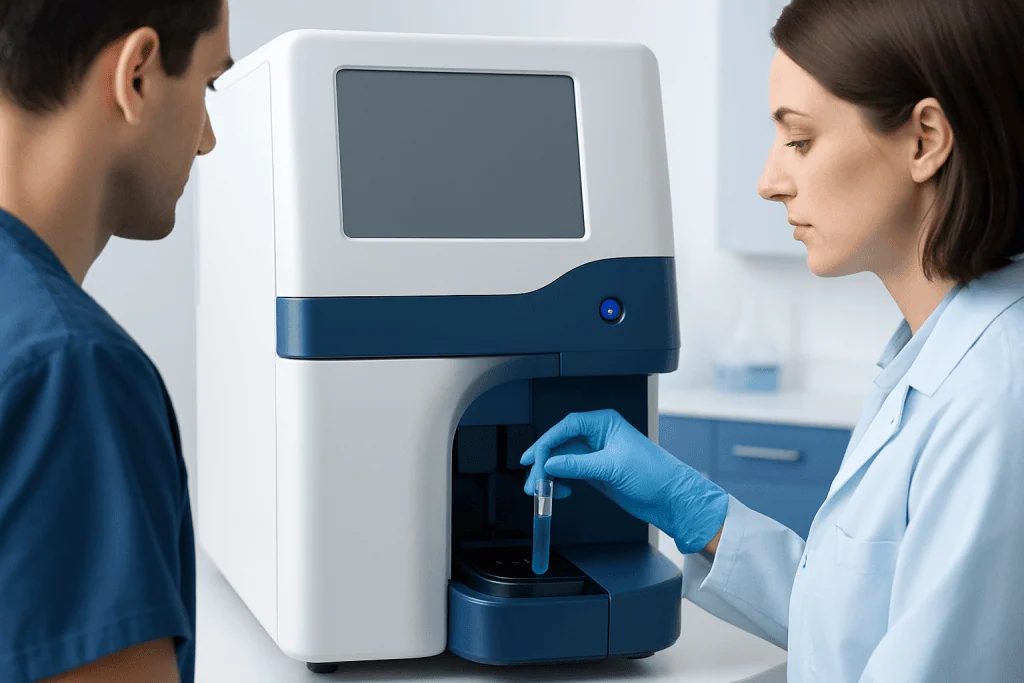
Genes contain instructions that help cells make proteins and perform their normal roles. In some inherited diseases, a change in a gene can lead to too little of an important protein, a protein that does not work properly, or harmful cell behavior. Gene therapy may provide a functional copy of a gene, reduce the activity of a problematic gene, or use gene editing to make a carefully targeted change in selected cells.
Delivery is an important part of gene therapy. Some treatments use a modified virus, called a vector, to carry genetic instructions into cells. The vector is designed not to cause the original viral illness. Other approaches use nonviral delivery systems or modify cells outside the body. The approach depends on which cells need to be reached and the disease being treated.
For ex vivo treatment, clinicians collect blood-forming or immune cells from the patient. In a specialized laboratory, cells may be corrected genetically or equipped with new instructions. They are then checked and infused back into the patient. Certain cancer treatments use engineered immune cells that can recognize and attack cancer cells; these approaches may be considered within CAR T-cell therapy programs when clinically appropriate.
For in vivo treatment, the therapy is administered directly into the body, such as by intravenous infusion or injection into a target tissue. The genetic material is intended to enter relevant cells and produce its effect. The therapy may not affect every cell in the body, and the duration of effect can vary.
Who may be a candidate for cell and gene therapy?

Candidacy depends first on the exact diagnosis. A person usually needs a confirmed disease for which a particular therapy has been approved, is available through a specialized program, or is being studied in a regulated clinical trial. Genetic testing, laboratory tests, imaging and consultation with relevant specialists may be needed to clarify whether the treatment matches the disease mechanism.
Doctors also assess disease severity, previous treatments, organ function, infection status, immune health and the ability to attend close follow-up. For therapies using a patient’s own blood-forming cells, the team evaluates whether enough healthy cells can be collected and whether preparative treatment is safe. Age alone is not the only consideration; overall health and the specific therapy matter.
For some inherited blood conditions, specialist assessment may include discussions of sickle cell disease or other genetic disorders in which blood-forming stem cells are central to treatment. Cell and gene therapy is not automatically the best first choice. Established medicines, supportive care, surgery, transplantation or other targeted treatments may remain appropriate options.
People considering treatment should ask whether the therapy is approved for their condition, what alternatives are available, which tests are required, and what long-term monitoring is recommended. Genetic counseling can also help patients and families understand inheritance, testing and reproductive considerations.
What happens during the procedure and early recovery?
The treatment pathway usually begins with referral to a multidisciplinary center and detailed baseline testing. Patients may meet physicians from hematology, oncology, genetics, infectious diseases, pharmacy and other specialties according to their condition. The team reviews medical history, medications, vaccinations, organ function and potential factors that could increase risk.
For therapies made from a patient’s cells, cells are often collected from the blood through a process called apheresis. The cells are then sent to a specialized facility for processing or genetic modification. This manufacturing stage can take time. During this period, the clinical team may use treatments to control the underlying illness where needed.
Before reinfusion of modified cells, some patients receive conditioning treatment to make space in the bone marrow or reduce competing immune cells. Conditioning may involve chemotherapy and can temporarily lower blood counts. The modified cells are then infused, usually through a vein, much like a transfusion. In vivo gene therapies have different steps and may be delivered as a single infusion or injection without cell collection.
Recovery schedules vary. Some people need hospital observation, especially after intensive conditioning or immune-cell therapy, while others may receive treatment in an outpatient setting with frequent visits. Blood tests, symptom checks and infection prevention measures are common in the first days to months. Energy levels and blood counts can take time to recover after preparative therapy.
Benefits, limitations and what can go wrong with gene therapy
The potential benefit of cell and gene therapy is that it may treat a key driver of disease rather than only its consequences. Depending on the therapy, this can mean fewer disease complications, improved function, a deeper cancer response, or reduced need for other treatments. However, benefits are not guaranteed, and a treatment that works well for one condition may not be useful for another.
What can go wrong with gene therapy? Risks depend on the delivery method, the cells being treated and any preparative treatment. Possible complications include infusion reactions, fever, inflammation, immune responses to the vector or altered cells, infection, low blood counts, fatigue, nausea and organ-related side effects. With engineered immune-cell treatments, serious inflammatory reactions and neurological effects can occur and require prompt specialist management.
Some risks are linked to conditioning chemotherapy rather than the gene-modifying step itself. These may include temporary or prolonged low blood counts, bleeding, infections, infertility and damage to organs in some patients. The team discusses fertility preservation where relevant before treatment. There can also be uncertainty about long-term durability and rare delayed effects, which is why extended follow-up is important.
Safety monitoring includes regular clinical assessments and tests tailored to the therapy. Patients should report fever, chills, shortness of breath, confusion, severe headache, unusual bruising or bleeding, persistent vomiting, or a sudden worsening of symptoms without delay. These symptoms can have many causes, but prompt assessment is the safest approach after advanced therapy.
Is gene therapy better than chemotherapy?
Gene therapy is not simply better or worse than chemotherapy; the two treatments have different purposes. Chemotherapy uses medicines that affect rapidly dividing cells or specific cancer pathways. It remains an important treatment for many cancers and is also sometimes used before cell therapy to prepare the body for the infused cells.
Gene therapy is designed for a defined biological target and may offer a more direct way to address certain inherited diseases or cancers. However, it is available only for selected conditions and may involve substantial preparation, specialized monitoring and specific risks. For many patients, chemotherapy, targeted medicines, immunotherapy, radiation therapy or surgery may be the most appropriate evidence-based option.
In some cancer pathways, gene-modified immune-cell therapy is considered after standard treatments have not controlled the disease or when a particular indication supports its use. Treatment selection is based on cancer type, molecular findings, previous therapy, overall health and personal priorities. A multidisciplinary team can explain whether medical oncology care or an advanced cellular approach is appropriate in an individual situation.
What is the success rate of gene therapy?
There is no single success rate for gene therapy. Outcomes vary greatly according to the disease, the specific product, the treatment setting, the patient’s health and how success is measured. A successful outcome may mean controlling a disease, reducing severe complications, achieving a remission, improving a missing protein level, or reducing the need for transfusions or ongoing medicines.
Some approved gene therapies have shown substantial benefit in carefully selected patients in clinical studies. However, study results cannot predict an individual outcome with certainty. Longer-term information is still being collected for many newer treatments, particularly to understand how durable benefits are and to identify uncommon late side effects.
Patients can ask their care team which outcomes are most relevant for their condition, how long people were followed in studies, what proportion experienced meaningful benefit, and what treatment-related risks were reported. It is also helpful to discuss what happens if the therapy does not work as hoped and whether additional treatments remain possible.
When to seek medical care
People with a known inherited disorder, recurrent severe symptoms, a blood disease, or cancer that is not responding as expected should speak with their treating clinician about whether referral to a specialist center is appropriate. Cell and gene therapy requires diagnosis-specific evaluation and should not be pursued without advice from qualified clinicians experienced in the relevant disease area.
After cell or gene therapy, urgent medical assessment is important for fever, breathing difficulty, chest pain, severe weakness, new confusion, seizures, fainting, uncontrolled vomiting, significant bleeding, rapidly spreading rash or signs of a serious allergic reaction. Patients should follow the contact instructions given by their treatment team, including after-hours guidance.
For international patients, Acibadem International’s multidisciplinary specialists and JCI-accredited hospitals can assess and treat eligible conditions through coordinated cell, gene and related specialty care. Individual recommendations should always follow a full medical evaluation, including discussion of bone marrow transplantation when it is a relevant alternative or part of the treatment pathway.
Frequently asked questions
What is the difference between cell therapy and gene therapy?
Cell therapy provides or modifies living cells to perform a therapeutic function. Gene therapy changes, adds or regulates genetic instructions in cells. Some advanced treatments use both approaches, such as modifying a patient’s cells genetically and then returning them by infusion.
Is cell and gene therapy a cure?
Some therapies may provide long-lasting disease control and, in selected situations, may be described as potentially curative. However, this depends on the condition and the individual therapy. Long-term follow-up is needed to understand durability and monitor safety.
How long does cell and gene therapy take?
The timeline ranges from a single administration to a multi-month process. Treatments using a patient’s cells may involve testing, collection, laboratory manufacturing, conditioning, infusion and recovery monitoring. The exact schedule depends on the diagnosis and treatment method.
Does gene therapy change DNA in all cells?
No. Most gene therapies are designed to reach specific tissues or cell types rather than every cell in the body. Some therapies add genetic instructions without permanently changing a person’s DNA sequence, while gene-editing approaches make targeted changes in selected cells.
Can gene therapy be inherited by future children?
Current approved treatments are intended to affect body cells, also called somatic cells, rather than eggs or sperm. Therefore, they are not designed to be passed on to future children. People with inherited conditions may still benefit from genetic counseling and family-planning discussions.
What follow-up is needed after gene therapy?
Follow-up commonly includes regular examinations, blood tests and monitoring for treatment-related complications or return of disease activity. The duration and intensity of monitoring vary by therapy, and some treatments require long-term follow-up. Patients should keep all scheduled visits and report new symptoms promptly.
References
- World Health Organization
- U.S. Food and Drug Administration
- European Medicines Agency
- National Cancer Institute
- American Society of Gene and Cell Therapy
This article is for general information only and is not a substitute for professional medical advice. Please consult a qualified doctor about your individual situation.
Explore treatments in Turkey — costs, top hospitals & a free quote
JCI-accredited · board-certified surgeons · reply within 24h