Breast Lumpectomy: Procedure, Recovery and Results

Breast lumpectomy removes a tumor and surrounding margin of tissue while preserving as much breast tissue as possible. It may be suitable for many people with early-stage breast cancer, ductal carcinoma in situ, or certain high-risk lesions.
Key Takeaways
- Breast lumpectomy removes a tumor and surrounding margin of tissue while preserving as much breast tissue as possible.
- It may be suitable for many people with early-stage breast cancer, ductal carcinoma in situ, or certain high-risk lesions.
- Most people return to light activities within days, but full healing and comfort can take several weeks.
- Radiation therapy is commonly recommended after lumpectomy for invasive breast cancer and many cases of ductal carcinoma in situ.
- Pathology results after surgery guide whether further surgery or additional treatments are needed.
Breast lumpectomy is breast-conserving surgery that removes a cancerous or suspicious area and a small rim of surrounding tissue while leaving most of the breast in place. It is commonly used for selected early-stage breast cancers and is often combined with radiation therapy to reduce the chance of cancer returning in the breast.
Breast Lumpectomy: What It Is and How It Works
A breast lumpectomy, also called breast-conserving surgery or a wide local excision, removes a breast tumor or abnormal area along with a small border of healthy-looking tissue around it. The aim is to treat the affected area while preserving the rest of the breast. For appropriately selected patients, lumpectomy followed by radiation therapy can provide survival outcomes comparable to mastectomy, which removes the whole breast.
The surgery may be performed for invasive breast cancer, ductal carcinoma in situ (DCIS), or an abnormal finding that needs complete removal and examination. If the lump cannot be felt, imaging guidance may be used before surgery to mark its location with a wire, radioactive seed, magnetic marker, or another localization method.
A lumpectomy focuses on the breast lesion itself. Some patients also need assessment of lymph nodes under the arm, often through sentinel lymph node biopsy. The sentinel nodes are the first lymph nodes most likely to receive drainage from the breast tumor, and testing them helps the care team understand whether cancer has spread.
Who May Be a Candidate for Breast Lumpectomy?
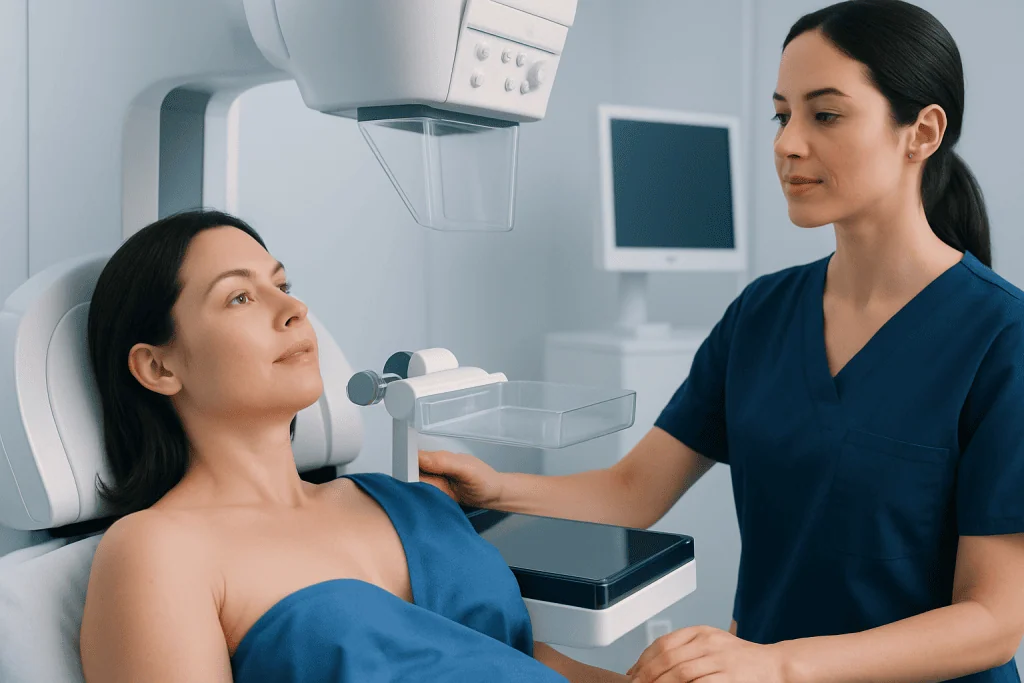
Breast lumpectomy may be considered when the tumor can be fully removed with an acceptable cosmetic result and when radiation therapy can be given afterward if it is recommended. It is often an option for a single, relatively small area of cancer in relation to breast size. The decision is individualized and should reflect the pathology, imaging findings, general health, personal preferences, and treatment goals.
Some people receive chemotherapy, hormone therapy, targeted therapy, or immunotherapy before surgery to shrink a tumor. This is known as neoadjuvant treatment and may make breast-conserving surgery possible for certain cancers that were initially larger.
Lumpectomy may be less suitable when cancer is present in several widely separated areas of the breast, the tumor cannot be removed with clear margins, radiation is not medically advisable, or there is a strong preference for mastectomy. Genetic findings, prior chest radiation, pregnancy timing, and connective-tissue conditions can also influence recommendations. A discussion about breast cancer with a breast surgeon and oncology team can clarify the options.
What Happens During a Breast Lumpectomy?
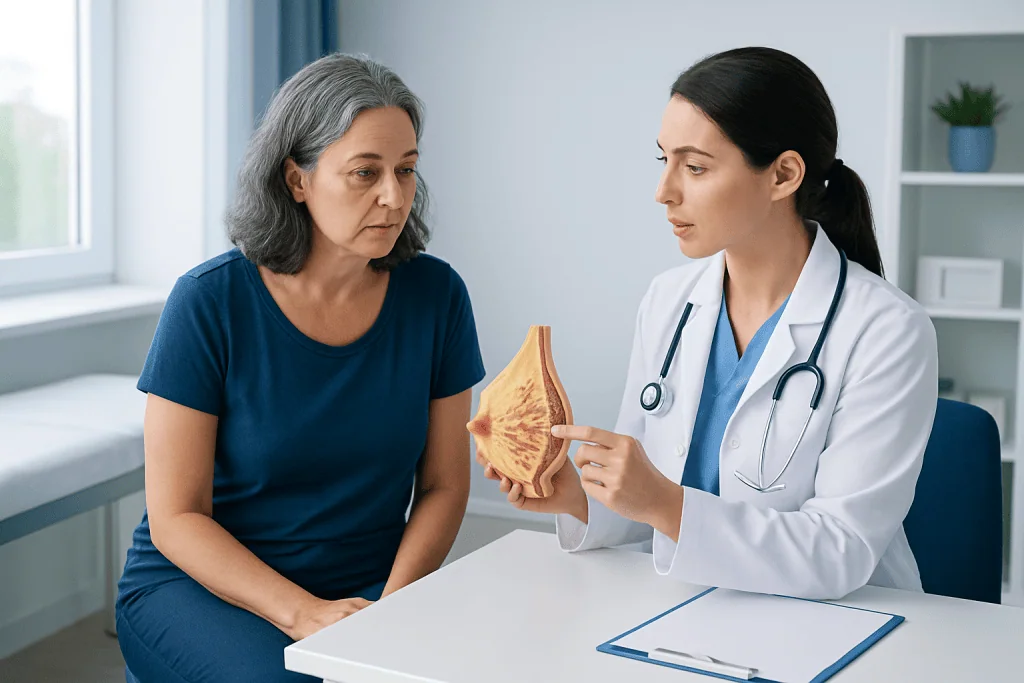
Before surgery, patients usually have a clinical review, imaging assessment, and blood tests or other pre-operative checks when needed. The surgeon explains where the incision may be placed, whether lymph node surgery is planned, and what to expect from pathology testing. Patients should tell the team about all medicines, supplements, allergies, and health conditions, especially medicines that affect bleeding or anesthesia.
The procedure is usually performed under general anesthesia, although anesthesia plans vary. When localization is needed, it is commonly completed on the day of surgery or shortly beforehand. The surgeon makes an incision, removes the tumor and a margin of surrounding tissue, and sends the specimen to pathology. Surgical clips may be placed in the cavity to help guide later radiation planning.
If sentinel lymph node biopsy is planned, the surgeon uses a tracer, dye, or both to identify the relevant nodes and removes a small number for testing. The incision is then closed, often with dissolvable stitches and skin adhesive or dressings. Many patients go home the same day, though individual circumstances and additional procedures may require a longer stay.
Pathology results typically confirm the diagnosis, tumor features, lymph node findings if sampled, and whether the edges of removed tissue, called margins, are clear. If cancer cells are found at or very close to a margin, the surgeon may recommend another operation to remove more tissue. Breast-conserving surgery is one component of a broader breast cancer treatment plan.
Benefits, Limitations and Possible Risks
A key benefit of breast lumpectomy is preservation of most of the breast. Recovery is often shorter than after mastectomy, and reconstruction is not usually required. However, breast shape, size, sensation, and the position of the nipple can still change, especially when a larger volume of tissue is removed or when radiation is part of treatment.
For many people with early-stage breast cancer, lumpectomy plus radiation is an effective local treatment approach. It does not eliminate the need for other treatments when they are indicated. Depending on the cancer type and stage, chemotherapy, hormone therapy, targeted medicines, immunotherapy, and radiation may be recommended to reduce the risk of recurrence elsewhere in the body or in the breast.
Possible surgical risks include bleeding, infection, fluid collection, wound healing problems, pain, numbness, bruising, and changes in breast appearance. Sentinel node surgery can cause temporary shoulder stiffness, numbness in the underarm, or, less commonly, lymphedema, which is swelling caused by disrupted lymph drainage. The surgical team provides individualized information about these risks and how to reduce them.
There is also a possibility of needing additional surgery if margins are not clear or if final pathology changes the treatment plan. This is not necessarily a sign that the original procedure was unsuccessful; pathology provides more detailed information than imaging alone can provide.
Lumpectomy Recovery Timeline and Care at Home
After a breast lumpectomy, it is common to have soreness, swelling, bruising, tightness, or reduced energy. Discomfort is usually most noticeable during the first few days and gradually improves. The healthcare team gives instructions about pain relief, bathing, wound care, driving, lifting, work, and follow-up appointments. These instructions should take priority over general advice.
Many people can walk and manage gentle daily activities within a day or two. Light arm movements and any prescribed exercises can help prevent stiffness, particularly after lymph node surgery. Strenuous exercise, repetitive arm motions, swimming, and heavy lifting are often limited until the incision has healed and the surgeon confirms it is safe to resume them.
A supportive, comfortable bra may reduce movement-related discomfort. At home, helpful preparations include easy-to-prepare meals, water, prescribed medicines or recommended pain relief, clean dressings if advised, a thermometer, and pillows to support the upper body or arm while resting. It can also be useful to arrange practical help with household tasks, childcare, transport, or shopping for the first few days.
Radiation therapy, when recommended, generally begins after the surgical wound has healed and the final treatment plan is confirmed. Follow-up visits review healing and pathology results, and long-term follow-up usually includes regular breast examinations and mammograms. Rehabilitation and supportive care may be helpful when shoulder movement, fatigue, or emotional adjustment is difficult.
When to Seek Medical Care
Patients should contact their surgical team promptly if they develop fever, worsening redness or warmth around the incision, pus-like drainage, increasing swelling, severe or worsening pain, persistent bleeding, or an incision that opens. A new fluid-filled swelling near the surgery site or underarm should also be assessed, as it may need monitoring or treatment.
Urgent medical assessment is needed for symptoms such as trouble breathing, chest pain, fainting, or sudden one-sided arm swelling. These symptoms are uncommon after lumpectomy but should not be ignored. Patients who are unsure whether a symptom is expected should contact a qualified healthcare professional for guidance.
Emotional responses after breast surgery can vary and may include worry, sadness, changes in body image, or fear about pathology results. Discussing these concerns with the oncology team, a counselor, breast care nurse, or support service can be an important part of recovery. Acibadem International’s multidisciplinary specialists and JCI-accredited hospitals support international patients undergoing assessment and treatment for breast conditions.
Results, Follow-Up and Reducing the Risk of Recurrence
Final results from a breast lumpectomy depend on the pathology report and the wider treatment plan. The report may describe tumor size, type and grade, margin status, hormone receptor status, HER2 status, and lymph node findings. These details help the multidisciplinary team recommend whether radiation and systemic treatments are likely to provide benefit.
A lumpectomy can remove all detectable cancer in the breast, and many patients have no evidence of cancer after completing their local and recommended additional treatments. However, no operation can promise that cancer will never return. Follow-up is designed to identify any changes early and to support ongoing health after treatment.
Risk of recurrence varies considerably. It is influenced by the original cancer stage and biology, clear margins, lymph node involvement, age, genetic factors, radiation, and whether recommended systemic treatments are completed. Radiation after lumpectomy substantially lowers the chance of a local recurrence for many patients, while hormone therapy and other medicines may further reduce recurrence risk when appropriate.
Regular follow-up and mammography are important after breast-conserving surgery. Patients should also report a new breast lump, skin change, nipple change, persistent focal pain, or swelling in the breast or underarm rather than waiting for the next routine appointment.
Frequently asked questions
How long should you rest after a lumpectomy?
Most people need a few days of relative rest after a lumpectomy, while gentle walking and basic daily activities are often encouraged as tolerated. Many return to desk-based work within one to two weeks, but recovery varies depending on the extent of surgery, lymph node procedures, pain, and the type of work. Heavy lifting and strenuous activity usually need to wait until the surgical team says healing is sufficient.
Can you be cancer free after a lumpectomy?
Yes. A lumpectomy can remove all detectable cancer from the breast, particularly when pathology confirms clear margins and recommended treatments are completed. Radiation therapy and, when appropriate, systemic treatments help reduce the risk of cancer returning. Continued follow-up remains important because no treatment can guarantee that recurrence will never occur.
What do I need at home after a lumpectomy?
Helpful supplies may include prescribed medicines, easy meals, water, a comfortable supportive bra, pillows, clean dressings if the surgeon recommends them, and a thermometer. It is also useful to arrange help with lifting, household tasks, driving, or childcare during the first few days. The surgical team should provide specific wound-care and activity instructions before discharge.
How often does breast cancer come back after a lumpectomy?
The likelihood of recurrence after lumpectomy differs from person to person and cannot be summarized by one number. It depends on cancer type and stage, margin status, tumor biology, lymph node findings, radiation treatment, and recommended medicines such as hormone therapy. For many patients, radiation after lumpectomy significantly reduces the risk of cancer returning in the treated breast.
Is radiation always needed after breast lumpectomy?
Radiation is commonly recommended after lumpectomy for invasive breast cancer and for many cases of DCIS because it lowers the risk of local recurrence. In selected individuals, such as some older patients with small hormone receptor-positive cancers receiving hormone therapy, it may be reasonable to discuss omitting radiation. The decision should be made with a radiation oncologist and breast cancer team.
Will the breast look the same after a lumpectomy?
The breast may look very similar after a small lumpectomy, but some changes in shape, volume, scarring, firmness, or nipple position can occur. The degree of change depends on the location and amount of tissue removed, breast size, healing, and radiation therapy. Surgeons can discuss incision placement and techniques that may help preserve breast appearance.
References
- National Cancer Institute
- American Cancer Society
- American Society of Clinical Oncology
- National Comprehensive Cancer Network
- World Health Organization
This article is for general information only and is not a substitute for professional medical advice. Please consult a qualified doctor about your individual situation.
Oncology care in Turkey — second opinion and treatment plan
JCI-accredited · board-certified surgeons · reply within 24h