Removal of Fallopian Tubes: Procedure, Recovery and Results

A salpingectomy removes one fallopian tube or both fallopian tubes, while the ovaries may be preserved or removed depending on the reason for surgery. Laparoscopic surgery usually involves small incisions and a shorter recovery than open abdominal surgery.
Key Takeaways
- A salpingectomy removes one fallopian tube or both fallopian tubes, while the ovaries may be preserved or removed depending on the reason for surgery.
- Laparoscopic surgery usually involves small incisions and a shorter recovery than open abdominal surgery.
- Removing both tubes prevents natural conception but does not usually cause menopause if both ovaries remain.
- Pain and fatigue are expected during early healing, but severe or worsening symptoms need prompt medical review.
- The recovery plan depends on the surgical method and whether other procedures, such as hysterectomy or ovary removal, were performed.
Removal of fallopian tubes, also called salpingectomy, is a surgical procedure that may be used to treat disease, prevent pregnancy, reduce certain cancer risks, or manage complications such as an ectopic pregnancy. Most people recover well, especially after minimally invasive surgery, although recovery is longer if the operation is open or includes removal of the ovaries or uterus.
Overview: What Is Removal of Fallopian Tubes?
Removal of fallopian tubes is a procedure known medically as a salpingectomy. It can involve removal of one tube (unilateral salpingectomy) or both tubes (bilateral salpingectomy). The fallopian tubes are narrow structures that carry an egg from an ovary toward the uterus and are the usual site where fertilization occurs.
A gynecologic surgeon may recommend this operation to treat an ectopic pregnancy, a damaged or infected tube, hydrosalpinx (a fluid-filled tube), severe endometriosis, or certain ovarian or tubal masses. It may also be chosen for permanent contraception or performed alongside another pelvic procedure, such as hysterectomy, when clinically appropriate.
When both fallopian tubes are removed but the ovaries and uterus remain, menstrual periods and natural hormone production generally continue. However, pregnancy without assisted reproduction is no longer possible because eggs cannot travel through the tubes. For some people, in vitro fertilization (IVF) may still be an option because eggs can be retrieved directly from the ovaries.
Who May Be a Candidate for Salpingectomy?
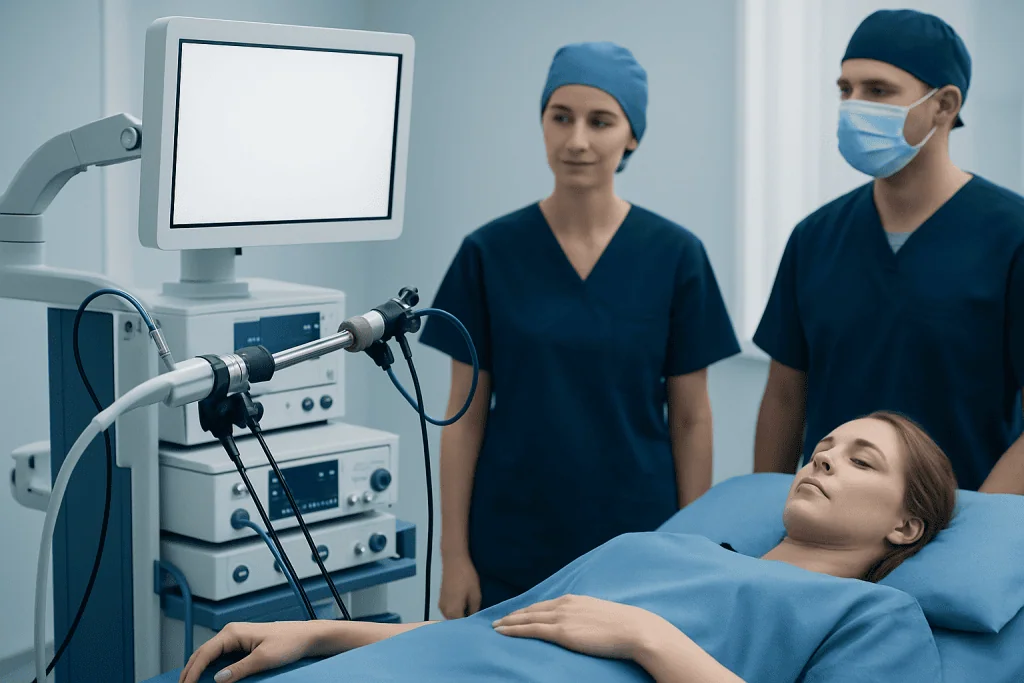
The decision to remove a fallopian tube or tubes is individualized. It is based on symptoms, imaging findings, pregnancy plans, medical history, genetic cancer risk where relevant, and whether the procedure is urgent or planned. A clinician will discuss alternatives when they are suitable, including observation, medication, tube-preserving surgery, or other fertility-focused treatment.
Common reasons for planned or urgent surgery include:
- Ectopic pregnancy, when a pregnancy develops outside the uterus, often in a fallopian tube
- Hydrosalpinx that may cause pain or reduce the chances of successful IVF
- Repeated pelvic infection or significant scarring from pelvic inflammatory disease
- Endometriosis affecting the tubes or surrounding pelvic structures
- Permanent contraception for someone certain they do not wish to become pregnant
- Risk-reducing surgery during another gynecologic operation for selected patients
Before elective surgery, the care team typically reviews medications, allergies, bleeding risk, previous abdominal surgeries, and anesthesia history. Pregnancy testing, blood tests, ultrasound, or other imaging may be arranged depending on the clinical situation.
How Fallopian Tube Removal Surgery Works
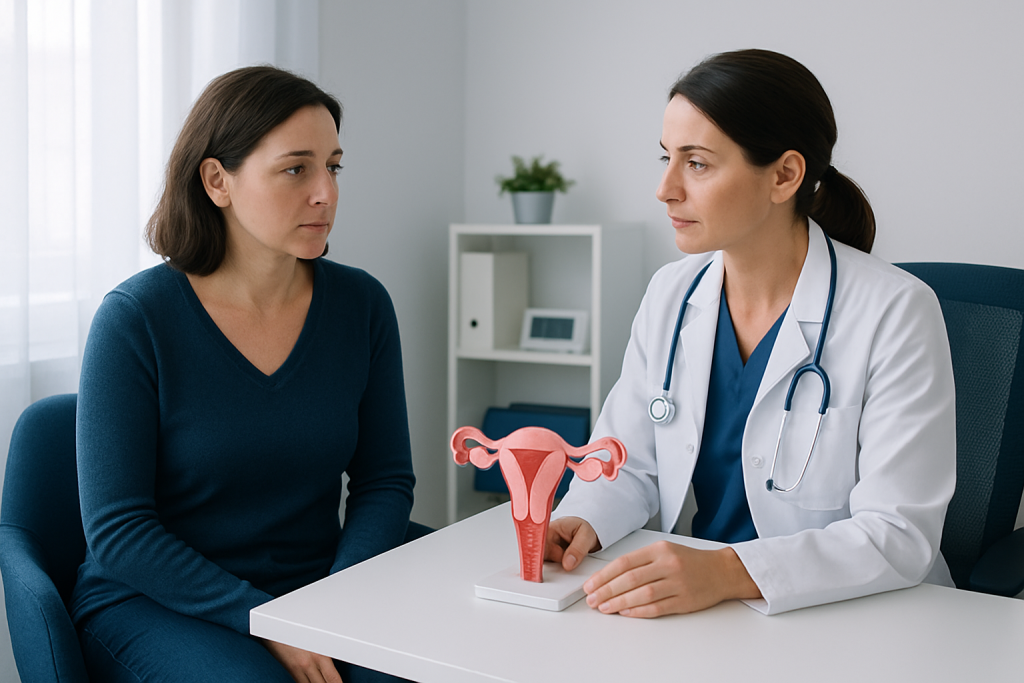
Fallopian tube removal surgery is usually performed under general anesthesia, meaning the patient is asleep and does not feel the procedure. The surgical approach may be laparoscopic, robotic-assisted, vaginal in selected combined procedures, or open abdominal surgery (laparotomy). The best approach depends on the reason for surgery, anatomy, prior surgery, the presence of bleeding or infection, and whether other organs are being treated at the same time.
In laparoscopic surgery, the surgeon makes a small incision near the navel and often one or more additional small incisions in the lower abdomen. A camera and fine instruments are inserted, allowing the surgeon to identify the tube, carefully separate it from nearby tissue and blood vessels, seal the vessels, and remove the tube through a small incision.
During open surgery, a larger abdominal incision is used to provide direct access to the pelvic organs. This may be necessary in emergencies, extensive scar tissue, large masses, severe infection, or when the procedure is combined with major surgery. If a tube is removed because of an ectopic pregnancy, the surgeon also checks for internal bleeding and assesses the other tube and ovary when appropriate.
For patients considering a planned procedure, salpingectomy treatment can be discussed with a gynecologist alongside fertility goals, alternative options, and the expected recovery plan.
Is Fallopian Tube Removal a Big Surgery?
Fallopian tube removal is a significant operation because it requires anesthesia and surgery inside the abdomen or pelvis. However, it is often performed by minimally invasive techniques, which are generally less physically demanding than traditional open abdominal surgery. Whether it feels like a “big surgery” in practical terms depends mainly on the surgical approach and what else is done during the same operation.
A laparoscopic salpingectomy is commonly a same-day procedure or may require a short hospital stay, depending on the person’s health and the reason for surgery. An emergency ectopic pregnancy, active internal bleeding, severe infection, or a combined hysterectomy may require closer observation and a longer stay.
Recovery is also more involved when surgery includes removal of an ovary (oophorectomy), removal of the uterus (hysterectomy), or treatment of extensive endometriosis. If both ovaries are removed before natural menopause, hormone levels change abruptly and menopausal symptoms may develop; this is different from removal of the tubes alone.
How Painful Is Recovery From Fallopian Tube Removal?
Most people have abdominal tenderness, cramping, tiredness, and discomfort around the incision sites during the first several days after surgery. After laparoscopy, some people also notice temporary shoulder-tip discomfort caused by the gas used to create space inside the abdomen. Pain is usually most noticeable early in recovery and gradually improves with rest, prescribed or recommended pain relief, and gentle movement.
The degree of pain varies with the type of surgery, the underlying condition, and whether other procedures were performed. Open surgery generally causes more discomfort and requires a longer period of healing than laparoscopic surgery. Pain following urgent surgery for an ectopic pregnancy may also be affected by blood loss, inflammation, or the emotional impact of an unexpected pregnancy loss.
Patients should follow their surgeon’s instructions about pain medicines, wound care, bathing, lifting, driving, work, and sexual activity. New severe pain, pain that is worsening rather than improving, fainting, shortness of breath, or heavy bleeding should not be managed at home and requires urgent medical advice.
Recovery Timeline and Return to Daily Activities
Removal of fallopian tube recovery time differs from person to person. Following uncomplicated laparoscopic surgery, many people begin light activities within a few days and may feel ready to return to desk-based work in about one to two weeks. Full recovery often takes roughly two to four weeks, although this can be longer when symptoms, complications, or physically demanding work are involved.
After open abdominal surgery, recovery from removal of a fallopian tube often takes about four to six weeks or sometimes longer. The surgeon may advise avoiding heavy lifting, strenuous exercise, swimming, and vaginal intercourse until the incisions have healed and follow-up confirms that it is safe. Short, frequent walks can support circulation and bowel function, but activity should increase gradually.
Removal of ovary and fallopian tube recovery time can be longer than recovery after tube removal alone, particularly if an open incision is needed. Removing one ovary usually leaves the other ovary able to continue producing hormones, while removal of both ovaries may require discussion of menopause symptoms and hormone therapy where appropriate.
It is normal to have mild vaginal spotting, bloating, constipation, or fatigue after pelvic surgery. Drinking fluids, eating fiber-containing foods as tolerated, and using bowel medication only if recommended can help reduce constipation, which may otherwise worsen abdominal discomfort.
What Happens to Your Body After Your Fallopian Tubes Are Removed?
After removal of one fallopian tube, it may still be possible to conceive naturally if the other tube is open and functioning and the ovaries are producing eggs. Fertility depends on many factors, including age, ovulation, the health of the remaining tube, sperm factors, and the condition that led to surgery.
After removal of both fallopian tubes, natural pregnancy is not possible because there is no pathway for eggs and sperm to meet. If the uterus and ovaries remain, IVF may still allow pregnancy because fertilization occurs outside the body and an embryo can be transferred into the uterus. A fertility specialist can explain the likely options for an individual situation.
Fallopian tubes do not produce the main reproductive hormones. Therefore, removing the tubes alone does not usually trigger menopause, change libido directly, or stop periods. If a person has a hysterectomy at the same time, periods stop because the uterus is removed, while ovarian hormone production may continue if the ovaries are retained.
Benefits, Risks and When to Seek Medical Care
The expected benefit of surgery depends on its purpose. Salpingectomy can treat a dangerous ectopic pregnancy, remove a diseased or painful tube, prevent future pregnancy when used for sterilization, and support fertility treatment in specific situations such as hydrosalpinx. In selected circumstances, removal of the tubes during another pelvic operation may also be considered as part of an individualized strategy to reduce the risk of some pelvic cancers.
As with all surgery, possible risks include bleeding, infection, blood clots, anesthesia reactions, injury to nearby organs such as the bladder or bowel, scar tissue, and the need to convert minimally invasive surgery to an open procedure. The surgical team explains the risks that are most relevant to the patient and the measures used to reduce them.
When to seek medical care: Contact the surgical team promptly for fever, increasing redness or drainage from an incision, persistent vomiting, difficulty urinating, heavy vaginal bleeding, or pain that is not controlled by the recommended plan. Seek emergency care for chest pain, trouble breathing, fainting, sudden severe abdominal pain, or signs of a severe allergic reaction.
Acibadem International’s multidisciplinary specialists and JCI-accredited hospitals support international patients needing assessment and treatment for gynecologic conditions. Follow-up with the operating gynecologist remains important to review healing, pathology results when tissue was examined, and fertility or hormone-related questions.
Frequently asked questions
How many days should I rest after fallopian tube removal?
Most people need several days of relative rest after laparoscopic surgery, with short walks and light activity as tolerated. Many return to routine daily tasks gradually over one to two weeks, while open surgery generally needs several weeks of recovery. The surgeon’s instructions should guide the timing of work, exercise, lifting, driving, and sexual activity.
Can a person get pregnant after one fallopian tube is removed?
Yes, natural pregnancy may still be possible if the remaining tube is healthy and open, ovulation occurs, and there are no other fertility concerns. Chances vary according to age, the reason for surgery, the condition of the remaining tube, and partner-related factors. A gynecologist or fertility specialist can provide individualized guidance.
Will removal of both fallopian tubes cause menopause?
No, removal of both fallopian tubes alone does not usually cause menopause because the ovaries make most reproductive hormones. Periods generally continue if the uterus and ovaries remain. Menopause may occur suddenly if both ovaries are removed as well.
How long does laparoscopic salpingectomy take?
The operating time varies according to whether one or both tubes are removed, the reason for surgery, scar tissue, bleeding, and whether another procedure is performed. A straightforward laparoscopic procedure may take around one to two hours, but the full time at the hospital is longer because of preparation and anesthesia recovery. The surgeon can provide a more accurate estimate before surgery.
What should be avoided during recovery from removal of fallopian tubes?
Patients are commonly advised to avoid heavy lifting, high-impact exercise, and sexual intercourse until cleared by their surgeon. They should also avoid driving while taking sedating pain medicine or until they can safely make an emergency stop without pain. Specific restrictions vary with the operation and healing progress.
Does fallopian tube removal affect hormones or sex drive?
Tube removal by itself does not usually have a direct effect on hormone production because the ovaries remain responsible for most reproductive hormones. Sexual comfort and desire can still be influenced temporarily by pain, fatigue, emotions, or concerns about fertility. Persistent symptoms should be discussed with a gynecologist.
References
- American College of Obstetricians and Gynecologists
- Royal College of Obstetricians and Gynaecologists
- National Health Service
- Mayo Clinic
- Centers for Disease Control and Prevention
This article is for general information only and is not a substitute for professional medical advice. Please consult a qualified doctor about your individual situation.
Oncology care in Turkey — second opinion and treatment plan
JCI-accredited · board-certified surgeons · reply within 24h

More from the Health Library



Related Specialists
Prof. Dr. Hasan Uçmak
Clinical Laboratory
Dr. Samprie Ouzoun
Cardiology
Prof. Dr. İlkan Dünder
Gynecology & Obstetrics
Asst. Prof. Dr. Tuğana Akbaş
Radiology