Cologuard Cost: What Patients Really Pay

Cologuard is a stool DNA screening test for certain adults at average risk of colorectal cancer; it does not diagnose cancer. Insurance coverage and patient responsibility vary, so checking benefits before ordering is important.
Key Takeaways
- Cologuard is a stool DNA screening test for certain adults at average risk of colorectal cancer; it does not diagnose cancer.
- Insurance coverage and patient responsibility vary, so checking benefits before ordering is important.
- A positive Cologuard result needs diagnostic follow-up with colonoscopy, which may create separate costs.
- Cologuard is not appropriate for everyone, including people with symptoms or a higher-than-average colorectal cancer risk.
- Colorectal cancer screening should be selected with a qualified clinician based on personal risk, preferences and access to follow-up care.
Cologuard cost is not one fixed amount: what a patient pays depends on their insurance plan, screening eligibility, where the test is ordered and whether follow-up colonoscopy is needed. Understanding these factors can help patients compare screening options and avoid unexpected expenses.
Cologuard Cost: The Practical Answer
Cologuard cost depends on a person’s health insurance, screening eligibility, local billing arrangements and whether the result requires follow-up testing. Rather than relying on a quoted retail figure, patients can ask their insurer and the ordering clinician what their plan covers, whether prior authorization is needed and what costs may apply if colonoscopy is recommended afterward.
Cologuard is a home-based stool DNA test used to screen for colorectal cancer in selected adults at average risk. The kit is completed at home and mailed to a laboratory. It looks for altered DNA markers and blood in stool, but it cannot confirm or rule out cancer on its own.
The most useful cost discussion includes the full screening pathway. A negative result may mean no immediate further test is needed, while a positive result requires colonoscopy to examine the colon and, if needed, remove or sample polyps. Patients should consider both the initial test and potential follow-up care when deciding which screening method suits them.
How Cologuard Works and Who May Be a Candidate
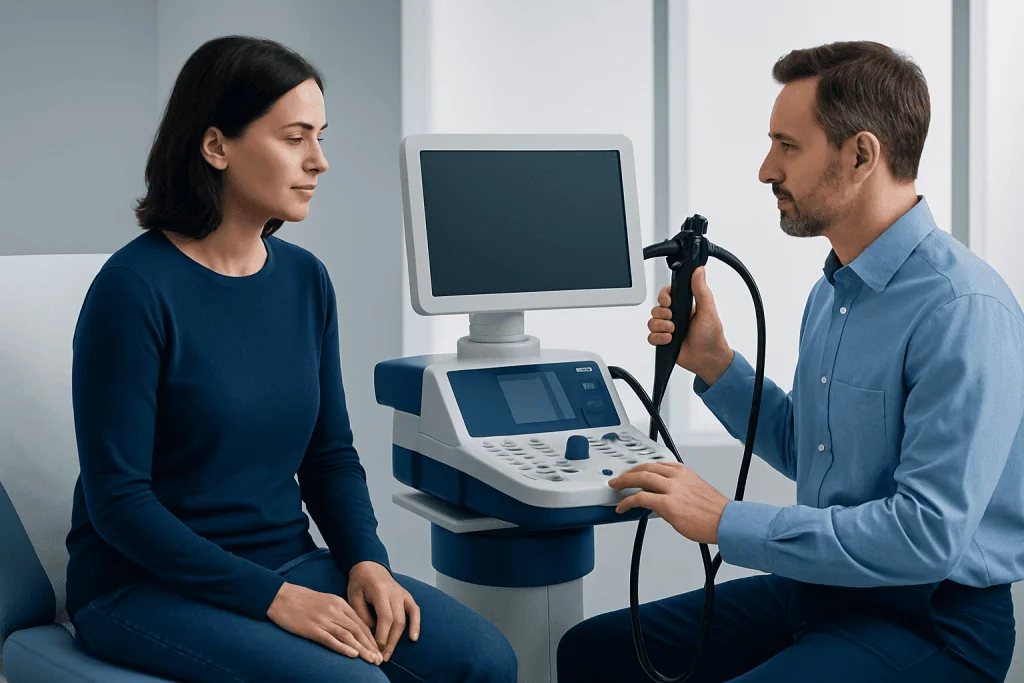
Cologuard combines stool DNA testing with a test for hidden blood in stool. Certain colorectal cancers and precancerous polyps can release abnormal cells or blood into stool, which the laboratory analyzes. A result may be negative or positive; it is not a cancer diagnosis.
It is generally intended for adults at average risk who meet the age and screening criteria used in their country or insurance plan. Average risk usually means no personal history of colorectal cancer, advanced polyps or certain inflammatory bowel diseases, and no strong family history or inherited syndrome that substantially raises colorectal cancer risk.
People with rectal bleeding, persistent changes in bowel habits, unexplained iron-deficiency anemia, unexplained weight loss, abdominal pain, or a positive stool test need medical assessment rather than routine stool-based screening alone. A clinician may recommend colonoscopy as the more appropriate examination because it can identify, biopsy and remove polyps during the same procedure.
Screening choices are individual. A healthcare professional can help compare stool testing with colonoscopy and other recommended approaches based on risk, medical history, preferences and the ability to complete follow-up testing if necessary.
The Testing Process, Results and What Happens Next

After a clinician orders the test, the patient receives a collection kit with instructions. The sample is collected at home without bowel preparation, dietary restrictions or sedation, then packaged and returned according to the kit instructions. The laboratory sends the result to the ordering clinician, who discusses the next steps with the patient.
A negative result means the test did not detect the markers it measures. It lowers the likelihood of colorectal cancer or advanced precancerous changes at that time, but it does not eliminate risk. Screening must be repeated at the interval recommended by the clinician and relevant guidelines.
A positive result does not mean that a person has colorectal cancer. False-positive results can occur, and some positive tests reflect polyps or other findings. However, colonoscopy should be arranged promptly after a positive result, because it is the standard way to investigate the finding and remove or biopsy suspicious tissue.
There is no physical recovery period after collecting a Cologuard sample. The important timeline is follow-up: patients should review the result with the clinician, arrange colonoscopy when indicated and not delay assessment because they feel well. Early colorectal cancer and polyps often cause no symptoms.
Why Don’t Doctors Like Cologuard?
Most doctors do not oppose Cologuard outright. It can be a reasonable screening option for appropriately selected average-risk adults who are unable or unwilling to have colonoscopy. The concern is that it may be misunderstood as equivalent to a complete colon examination or used by people for whom it was not designed.
Colonoscopy can directly inspect the colon and remove many polyps during the procedure, while Cologuard only identifies markers that may suggest an abnormality. A stool DNA test can miss some cancers or advanced polyps, and a positive result still leads to colonoscopy. For people at increased risk, colonoscopy is often preferred because it provides a more direct and comprehensive evaluation.
Clinicians also consider the possibility of delayed follow-up. If a patient has a positive stool test but does not complete colonoscopy, the screening process is incomplete. The best test is one that is medically appropriate and can be completed, including any necessary follow-up.
Patients with a history of polyps or colorectal cancer, inflammatory bowel disease, a significant family history, or a known inherited cancer syndrome may need a more individualized surveillance plan. Related conditions such as colorectal cancer require specialist-led diagnosis and management rather than stool screening alone.
How Much Is Cologuard If You Pay Out-of-Pocket?
There is no single reliable out-of-pocket answer for Cologuard cost. Self-pay pricing, discounts, laboratory arrangements, clinician fees, insurance exclusions and regional policies can change what an individual is asked to pay. Patients should contact the test provider, ordering practice and insurer for a written or documented estimate before proceeding.
It is helpful to ask whether the estimate includes only the home kit and laboratory analysis or also includes the medical consultation required to order the test. Patients can also ask how the test is billed, whether they must meet a deductible, and whether any authorization or eligibility requirements apply.
The most important financial question is what happens after a positive result. Colonoscopy performed after an abnormal screening test may be billed differently from a routine screening colonoscopy depending on the insurer and local rules. Costs can also vary if biopsies, polyp removal, pathology, anesthesia or facility services are needed.
Patients should not postpone recommended screening solely because costs are unclear. A clinician’s office, insurer or patient financial-services team can often explain available screening pathways and help identify the option that is both medically suitable and affordable.
What Is the Downside of Using Cologuard?
The main downside is that Cologuard is an indirect screening test, not a diagnostic procedure. It cannot remove polyps, biopsy tissue or show the cause of bleeding. A positive result requires colonoscopy, meaning some people will ultimately undergo two steps rather than one.
No screening test is perfect. Cologuard can produce false-positive results, which may cause understandable worry and lead to an unnecessary colonoscopy if no significant abnormality is found. It can also produce false-negative results, so a negative result should not be used to dismiss new bowel symptoms or other concerning changes.
It is also not the right choice for everyone. People with increased colorectal cancer risk or symptoms need an assessment tailored to their situation. Colonoscopy has its own preparation and procedural risks, but it remains valuable because it can prevent some cancers by finding and removing precancerous polyps.
Potential benefits of stool DNA testing include privacy, convenience, no sedation and no bowel preparation. For eligible people who would otherwise skip screening, it may help support participation. A clinician can explain the balance of benefits, limitations and follow-up responsibilities.
At What Age Does Medicare Stop Paying for Cologuard?
Medicare coverage rules can change and may depend on whether a person meets eligibility criteria for average-risk colorectal cancer screening. Patients should confirm current coverage directly with Medicare, their Medicare Advantage plan and the ordering clinician before the test is ordered.
Coverage is commonly tied to age range, screening interval and risk status rather than applying indefinitely to every person. Once someone falls outside the covered criteria, has symptoms, has a higher-risk history or requires diagnostic evaluation, the appropriate test and billing category may be different.
It is especially important to ask about coverage for colonoscopy after a positive Cologuard result. The follow-up colonoscopy is medically important, but a patient’s cost-sharing may not match that of an initial preventive screening test. Getting clarification in advance supports informed planning.
Older adults should make screening decisions with their clinician based on overall health, prior screening history, life expectancy, personal values and ability to undergo follow-up testing. There is no one-size-fits-all age at which screening decisions should stop.
When to Seek Medical Care
People should seek medical advice promptly if they notice blood in the stool, black or tar-like stools, ongoing changes in bowel habits, persistent abdominal discomfort, unexplained weight loss, fatigue related to possible anemia, or a new feeling that the bowel does not empty completely. These symptoms have many possible causes, but they should not be evaluated with screening tests alone.
A positive Cologuard result also needs timely follow-up with colonoscopy, even when no symptoms are present. Conversely, a negative result should not delay medical care when concerning symptoms develop.
For patients considering colorectal screening or investigating digestive symptoms, Acibadem International’s multidisciplinary specialists and JCI-accredited hospitals support diagnosis and treatment for international patients. A gastroenterology consultation can help determine whether stool testing, colonoscopy evaluation or another assessment is appropriate.
Frequently asked questions
Is Cologuard covered by insurance?
Coverage varies by insurer, plan type, age, risk status and whether the test is ordered for routine screening or symptom evaluation. Patients should verify benefits before testing and ask about deductible, prior authorization and follow-up colonoscopy coverage.
Does a positive Cologuard result mean cancer?
No. A positive result means the test found DNA markers or blood that need further evaluation. Colonoscopy is needed to determine whether cancer, polyps or another cause is present.
Can Cologuard replace colonoscopy?
For some average-risk adults, Cologuard may be one accepted screening option. It does not replace colonoscopy when a person has a positive test, concerning symptoms, a high-risk history or a clinician’s recommendation for direct colon examination.
How often should Cologuard be repeated?
The repeat interval depends on current clinical guidelines, test results, insurance rules and personal risk. A clinician can recommend the appropriate schedule and update it if family or medical history changes.
What should patients ask about Cologuard cost before ordering?
Patients can ask whether the test is covered, whether they meet eligibility requirements, what their expected out-of-pocket responsibility is and whether authorization is needed. They should also ask how a follow-up colonoscopy would be covered if the result is positive.
Can someone with symptoms use Cologuard?
Cologuard is intended for screening, not for diagnosing the cause of symptoms. Someone with rectal bleeding, persistent bowel changes, unexplained anemia, weight loss or abdominal pain should contact a healthcare professional for an appropriate diagnostic evaluation.
References
- U.S. Preventive Services Task Force
- Centers for Medicare & Medicaid Services
- American Cancer Society
- National Cancer Institute
- U.S. Food and Drug Administration
This article is for general information only and is not a substitute for professional medical advice. Please consult a qualified doctor about your individual situation.
Persistent digestive symptoms? Get evaluated in Turkey
JCI-accredited · board-certified surgeons · reply within 24h