Operation on Lower Back: Procedure, Recovery and Results

Lower back surgery is not one single procedure; it may remove pressure from nerves, repair a disc problem, or stabilize unstable vertebrae. Surgery is usually considered after a careful assessment and a trial of suitable nonsurgical treatment, unless urgent nerve warning signs are present.
Key Takeaways
- Lower back surgery is not one single procedure; it may remove pressure from nerves, repair a disc problem, or stabilize unstable vertebrae.
- Surgery is usually considered after a careful assessment and a trial of suitable nonsurgical treatment, unless urgent nerve warning signs are present.
- Walking, following wound-care instructions, and gradually increasing activity are central to safe recovery.
- Pain and fatigue are often most noticeable during the first several days, while nerve recovery may take weeks to months.
- Potential benefits must be balanced with risks such as infection, blood clots, persistent symptoms, and the possibility of further treatment.
An operation on lower back may be recommended when a structural spinal problem causes persistent pain, nerve symptoms, weakness, or loss of function despite appropriate nonsurgical treatment. The type of surgery, expected recovery, and likely results depend on the diagnosis, the spinal levels involved, and the person’s overall health.
Overview: What Is an Operation on Lower Back?
An operation on lower back is surgery performed on the lumbar spine, the five vertebrae between the ribs and pelvis. It may be used to relieve pressure on spinal nerves, remove part of a damaged disc, widen a narrowed spinal canal, or join unstable spinal bones together. The goal is usually to improve leg pain, numbness, weakness, walking tolerance, or spinal stability rather than to treat every type of low back pain.
Common procedures include discectomy or microdiscectomy for a herniated disc, decompression or laminectomy for spinal stenosis, and spinal fusion when instability, deformity, or certain degenerative conditions are present. Some operations use smaller incisions and specialized instruments, while others require a more traditional open approach. The most suitable technique is based on imaging, symptoms, neurological findings, and the exact cause of pain.
Most people are assessed by an orthopedic spine surgeon or neurosurgeon after conservative measures such as guided exercise, physical therapy, activity adjustments, and appropriate medicines have not provided adequate relief. Surgery may be considered sooner when nerve compression is causing progressive weakness or problems with bladder or bowel control.
Who May Be a Candidate for Lower Back Surgery?
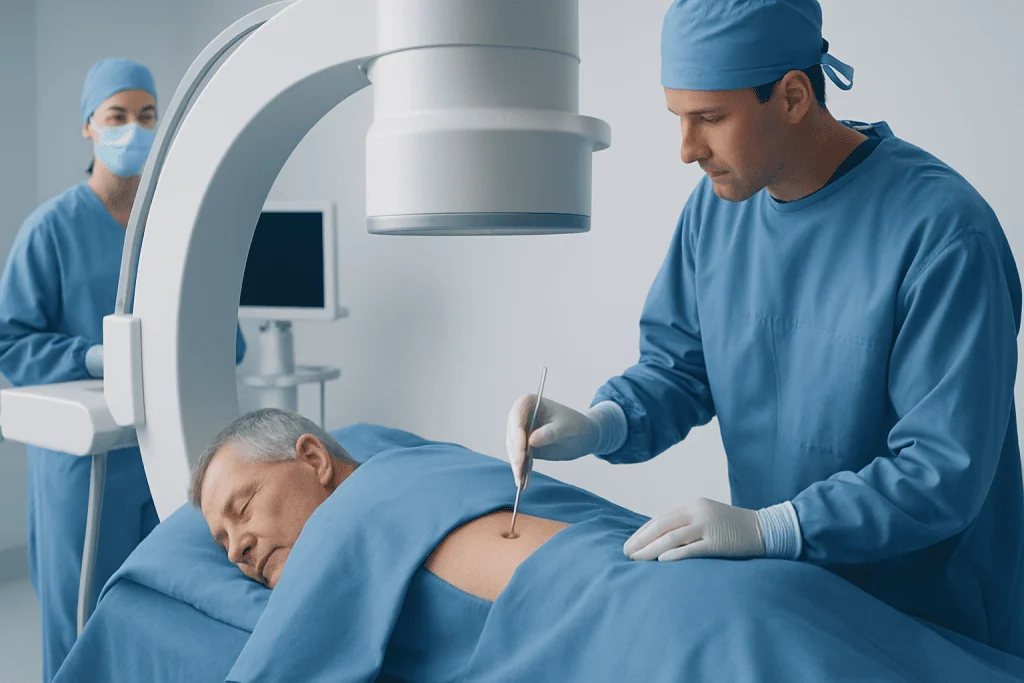
Lower back surgery is considered when there is a clear match between a person’s symptoms, physical examination, and imaging findings. For example, a disc herniation that presses on a nerve may cause pain travelling from the buttock down the leg, often called sciatica. In this setting, surgery may help if severe leg symptoms continue despite nonsurgical care or if weakness develops.
Other possible reasons include lumbar spinal stenosis, spondylolisthesis, spinal instability, selected spinal fractures, infections, tumors, or deformity. A clinician will also consider how symptoms affect daily life, including walking, sleeping, working, and personal care. An operation in lower back pain is generally less predictable when pain is limited to the back and no specific surgically correctable cause is found.
Before recommending surgery, the care team reviews medical conditions, smoking status, bone health, medicines, prior operations, and expectations for recovery. Imaging may include X-rays, MRI, or CT scans. People with conditions such as lumbar disc herniation or spinal narrowing may benefit from a specialist discussion about whether symptoms are likely to improve with an operation.
How Does the Procedure Work Step by Step?

The exact steps differ by operation, but lumbar surgery is generally performed under general anesthesia. After positioning the person safely, the surgeon makes an incision over the affected part of the lower back. In minimally invasive surgery, the incision may be smaller, but the operation still requires careful access to the spine and is not appropriate for every condition.
For a discectomy, the surgeon removes the portion of disc material pressing on a nerve while preserving as much healthy tissue as possible. In a decompression procedure, small amounts of bone or thickened ligament may be removed to create more space for nerves. If fusion is necessary, the surgeon prepares the bone surfaces and may use bone graft material and implants such as screws and rods to support healing and stability.
During and after the procedure, the team monitors nerve function, bleeding, pain control, and mobility. Some people go home the same day or after one night following a less extensive operation, while fusion or complex open surgery can require a longer hospital stay. Spine surgery planning should include a discussion of the intended procedure, alternatives, expected benefit, and possible complications.
After surgery, removed tissue may be examined when clinically appropriate, and individualized rehabilitation begins early. The surgeon’s instructions take priority because permitted movements, lifting limits, and brace use can vary substantially between procedures.
Is Lower Back Surgery a Major Surgery?
Lower back surgery can be a major surgery, especially when it involves spinal fusion, multiple spinal levels, extensive decompression, or an open approach. These procedures affect structures near important nerves and blood vessels, require anesthesia, and involve a meaningful period of healing. They should be approached with thorough preparation and informed consent.
However, not all lumbar operations have the same scale. A single-level microdiscectomy is typically less extensive than a multilevel fusion, and recovery is often quicker. Even with a smaller incision, it remains a real operation with risks and postoperative restrictions.
Whether a procedure is “major” is best understood in relation to the person’s health, the diagnosis, the number of levels treated, and the surgical approach. The surgeon can explain what the planned operation involves and how it compares with other options for that individual.
Benefits and Risks to Consider
The main expected benefit of surgery is relief of symptoms caused by a clearly identified structural problem. Decompression and disc surgery often aim to reduce leg pain and improve walking or nerve function. Fusion aims to improve stability and may reduce pain linked to abnormal movement, although it requires longer bone healing.
Results vary. Pain that travels down the leg due to nerve compression often improves more reliably than longstanding nonspecific low back pain. Numbness and weakness can improve gradually, but recovery depends on how long and how severely the nerve was affected before surgery. Some symptoms may remain even after technically successful treatment.
Possible risks include bleeding, infection, blood clots, wound problems, spinal fluid leak, nerve injury, ongoing or recurrent pain, failure of a fusion to heal, and a need for additional treatment. Anesthesia-related risks and medical complications are also considered. A careful preoperative assessment, safe mobilization, and follow-up help reduce risk, but no operation can guarantee a particular outcome.
For patients travelling for care, Acibadem International’s multidisciplinary specialists and JCI-accredited hospitals can assess and treat spinal conditions with coordinated surgical, anesthesia, rehabilitation, and follow-up planning.
Recovery Timeline and What to Expect
Recovery time on lower back surgery depends strongly on the procedure. After a straightforward lumbar discectomy or decompression, many people begin short walks within hours or the next day and may gradually return to light daily activities over several weeks. Recovery from lower back disc surgery can take longer when nerve symptoms were severe or present for a long time.
Following fusion, healing is more gradual because the bones must unite. Return to everyday activities may take several months, and full recovery can extend beyond that depending on the number of levels treated, job demands, conditioning, and imaging evidence of healing. Open back surgery recovery time may also be longer than recovery after a less extensive procedure, although the approach alone does not determine the result.
The first few days commonly bring surgical soreness, stiffness, fatigue, and disrupted sleep. Symptoms may fluctuate as activity increases. New or persistent nerve sensations can occur during recovery, but worsening weakness, fever, wound drainage, or severe uncontrolled pain should be reported promptly. Follow-up visits help the team adjust activity and rehabilitation plans safely.
What are the worst days after back surgery? Many people find the first two to five days the most uncomfortable because anesthesia effects, incision pain, limited mobility, constipation, and sleep disruption can overlap. This varies by procedure and pain-management plan. Pain should generally become more manageable over time; a sudden or marked worsening should be discussed with the surgical team.
What Is the Best Thing to Do After Lower Back Surgery?
What is the best thing to do after lower back surgery? The most helpful approach is to follow the surgeon’s individualized recovery plan while staying gently active. Short, frequent walks are commonly encouraged because they support circulation, reduce stiffness, and rebuild confidence with movement. Activity should increase gradually rather than through prolonged bed rest or sudden strenuous exercise.
Wound care, prescribed medicines, hydration, balanced nutrition, and prevention of constipation are also important. People should avoid smoking and nicotine exposure because these can interfere with wound and bone healing, particularly after fusion. Lifting, bending, twisting, driving, and return-to-work guidance should come from the treating team rather than a generic timeline.
Physical therapy may begin early or later depending on the procedure. It commonly focuses on safe movement, walking tolerance, posture, core control, and return to daily tasks. Physical therapy and rehabilitation can support recovery when it is tailored to the operation and the person’s symptoms.
Contact sports, heavy lifting, and high-impact exercise should not be resumed until cleared by the surgeon. Keeping follow-up appointments is important, particularly after fusion, where healing may be assessed over time.
How Successful Is L4 L5 Back Surgery and When to Seek Medical Care
How successful is L4 L5 back surgery? L4-L5 surgery can be effective when it treats a confirmed cause of symptoms at that level, such as a disc herniation, stenosis, or instability. Success is not defined by one universal number: it may mean less leg pain, better walking, improved strength, or greater ability to carry out daily activities. Outcomes are influenced by the diagnosis, procedure type, nerve damage before surgery, smoking, general health, rehabilitation, and expectations.
A surgeon should explain which symptoms are most likely to improve and which may persist. For instance, surgery for nerve compression may relieve leg pain more predictably than chronic back pain alone. If fusion is proposed, the discussion should include the reason stabilization is needed and the longer recovery involved.
When to seek medical care: Prompt medical assessment is important for new or worsening leg weakness, numbness in the saddle area, loss of bladder or bowel control, fever with severe back pain, or pain after significant trauma. After surgery, urgent contact with the care team is appropriate for increasing redness, swelling, wound drainage, fever, chest pain, shortness of breath, calf swelling, or new neurological changes.
Persistent lower back or leg symptoms deserve medical review even without emergency warning signs. A spine specialist can determine whether further imaging, rehabilitation, pain management, or surgical evaluation is appropriate.
Frequently asked questions
How long does recovery from lower back surgery take?
Recovery varies by procedure and individual health. A discectomy or decompression may allow a gradual return to light activities within weeks, while fusion often requires several months of progressive healing. The surgeon’s activity guidance should be followed because timelines differ between operations.
Will lower back surgery cure all back pain?
No. Surgery is most likely to help symptoms linked to a specific problem visible on examination and imaging, such as nerve compression or instability. It may not fully resolve chronic pain with several contributing causes, and some discomfort can remain after surgery.
Can a herniated disc come back after surgery?
A disc herniation can recur at the same level after discectomy, although many people do not experience recurrence. Maintaining a gradual exercise program, using safe movement techniques, and avoiding smoking may support spinal health. New leg pain after recovery should be assessed by a clinician.
How soon can someone walk after lower back surgery?
Many people are encouraged to stand and take short walks on the day of surgery or the following day, depending on their condition and procedure. Walking is usually increased gradually in short, regular sessions. The care team may set different limits after complex surgery or fusion.
What should be avoided after lower back surgery?
People are commonly advised to avoid heavy lifting, repeated bending or twisting, high-impact exercise, and prolonged sitting early in recovery. Driving, work, and sports should be resumed only when the surgeon says it is safe. Nicotine should be avoided because it can impair healing.
When should pain after back surgery be reported?
Pain that is suddenly worsening, not controlled by the prescribed plan, or accompanied by fever, wound drainage, new weakness, numbness, chest pain, shortness of breath, or bladder or bowel changes needs prompt medical attention. The surgical team can advise whether urgent assessment is needed.
References
- American Academy of Orthopaedic Surgeons
- National Institute of Arthritis and Musculoskeletal and Skin Diseases
- National Institute of Neurological Disorders and Stroke
- North American Spine Society
- Mayo Clinic
This article is for general information only and is not a substitute for professional medical advice. Please consult a qualified doctor about your individual situation.
Joint and spine care in Turkey — expert assessment & treatment
JCI-accredited · board-certified surgeons · reply within 24h