Fractured Femur Operation: Procedure, Recovery and Results
Most femur fractures need urgent assessment and often surgical stabilization because the femur is a large, weight-bearing bone. The operation may use an intramedullary nail, plate and screws, external fixation, or hip replacement depending on where and how the bone is broken.
Key Takeaways
- Most femur fractures need urgent assessment and often surgical stabilization because the femur is a large, weight-bearing bone.
- The operation may use an intramedullary nail, plate and screws, external fixation, or hip replacement depending on where and how the bone is broken.
- Walking commonly begins with a walker or crutches under clinical guidance, while a full return to usual mobility may take months.
- Physical therapy, nutrition, fall prevention, and follow-up imaging are central parts of fractured femur surgery recovery.
- New severe pain, fever, wound changes, chest pain, or shortness of breath after surgery need prompt medical attention.
A fractured femur operation is usually performed to realign and stabilize a broken thigh bone using metal implants such as a rod, plate, screws, or, in some hip fractures, a joint replacement. Recovery varies with the fracture location, overall health, and rehabilitation plan, but early guided movement is an important part of healing.
Overview: What Is a Fractured Femur Operation?
A fractured femur operation treats a break in the femur, the long bone in the thigh that connects the hip to the knee. The goal is to restore the bone’s alignment and stability so it can heal in the correct position while allowing the person to begin safe movement and rehabilitation as soon as appropriate.
Most femur fractures are caused by high-energy trauma, such as a road traffic accident or major fall. In older adults, a lower-impact fall can cause a fracture near the hip when bone strength has been reduced by osteoporosis. A femur fracture can involve the upper end near the hip, the shaft in the middle of the thigh, or the lower end near the knee.
The exact operation depends on the fracture pattern, its location, whether the skin has been broken, and the person’s health and mobility before injury. Orthopedic trauma teams may use internal fixation with a metal rod, plate, or screws. Some fractures at the top of the femur may be treated with partial or total hip replacement instead.
When to Seek Medical Care
A suspected broken femur needs urgent medical assessment. A person should call emergency services after a significant injury if there is severe thigh, hip, or knee pain; an inability to stand or bear weight; visible deformity; rapid swelling; numbness; or a cold, pale, or blue-looking foot. The leg should not be straightened or moved unnecessarily.
An open fracture, where bone is visible or there is a deep wound near the injury, is a medical emergency because of bleeding and infection risk. Emergency clinicians assess breathing, circulation, nerve function, and other possible injuries before planning fracture treatment.
After an operation, urgent advice is needed for worsening redness or drainage from the wound, fever, calf swelling, increasing pain not controlled by the prescribed plan, chest pain, sudden shortness of breath, or new confusion. These symptoms do not always indicate a serious complication, but they should be assessed without delay.
Who May Need Surgery and How the Procedure Works
Surgery is recommended for many femur fractures because the bone is exposed to large forces during standing and walking. Without stable alignment, the bone may heal poorly, heal in the wrong position, or leave the person unable to mobilize safely. Non-surgical treatment may be considered in selected stable fractures or when surgery presents unacceptable risk, but prolonged immobilization can create its own health concerns.
Before surgery, the care team uses X-rays and sometimes CT scanning to define the fracture. Blood tests, medication review, and anesthesia assessment help prepare for the operation. People taking blood-thinning medicines, living with heart or lung disease, or having diabetes may need individualized planning. In older adults, clinicians also look for reversible contributors to falls, frailty, and reduced bone strength.
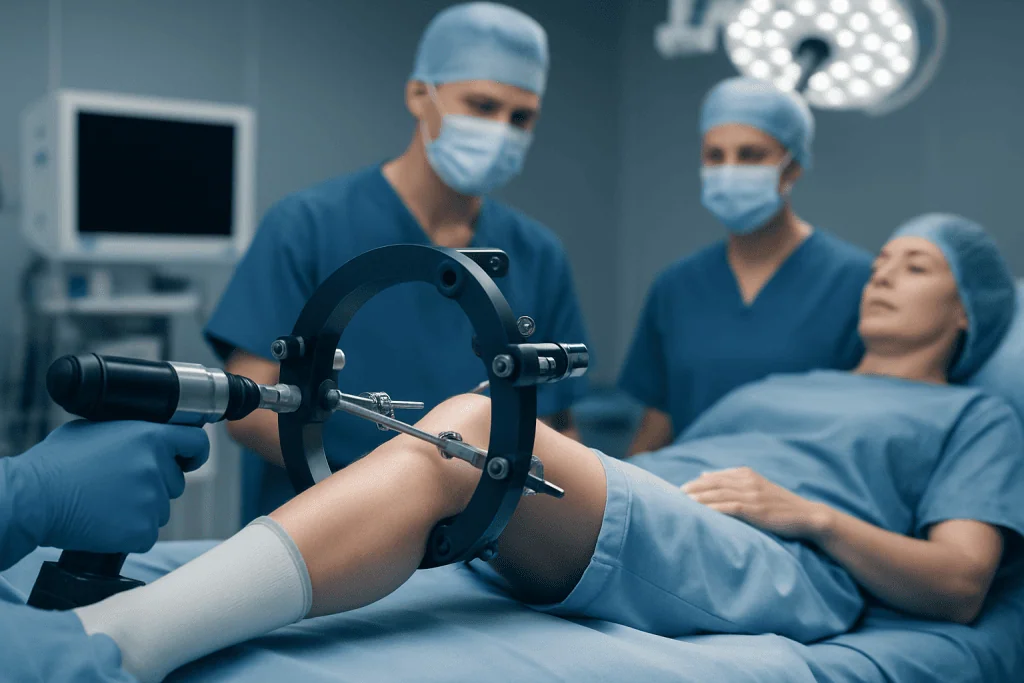
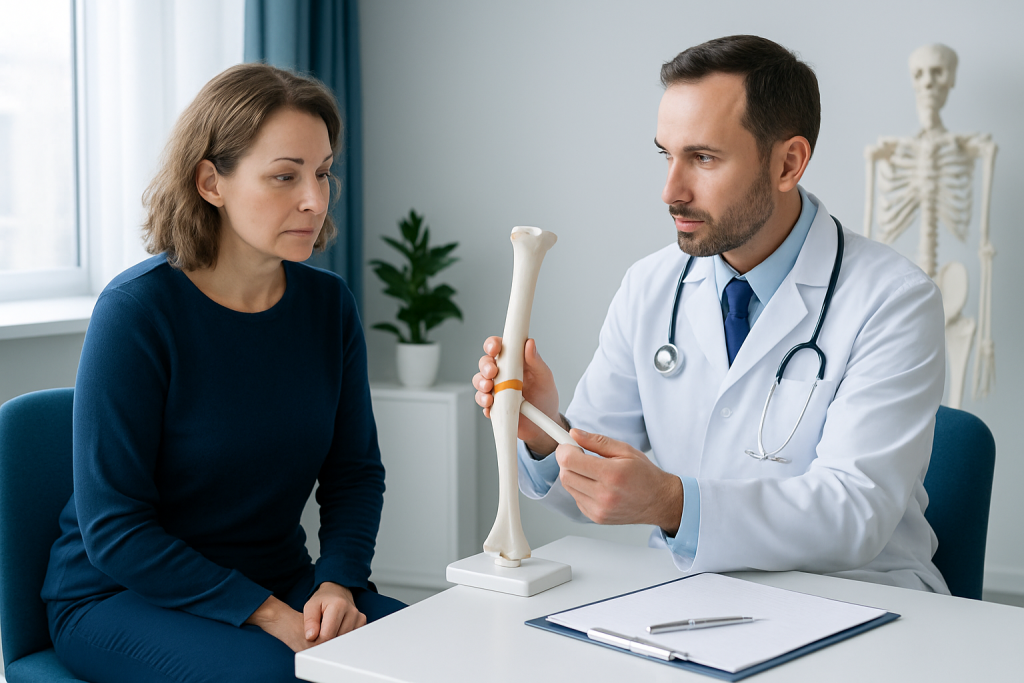
Internal fixation is the most common approach. An intramedullary nail is a metal rod placed through the center of the bone; it is particularly common for many femoral shaft fractures. Plates and screws may be used where they offer better control of the fracture, particularly near a joint. Temporary external fixation may be used in severe trauma before definitive surgery. For certain upper femur fractures, replacing part or all of the hip joint can be the most suitable way to restore mobility.
Orthopedic specialists work alongside anesthesiologists, rehabilitation physicians, physiotherapists, nurses, and, when needed, geriatric, vascular, and pain-management teams. This coordinated approach supports both fracture healing and recovery of independence.
Step-by-Step: What Happens During Femur Surgery?
Femur surgery is generally carried out under general anesthesia, although regional anesthesia may also be part of the anesthesia plan. The surgical team positions the patient carefully, often using X-ray imaging during the operation to confirm alignment and implant placement. Antibiotics may be given around the time of surgery to reduce infection risk.
The surgeon makes one or more incisions, realigns the bone fragments, and secures them using the planned implant. With intramedullary nailing, small incisions may be used to insert a rod into the central canal of the femur, then lock it in place with screws above and below the fracture. With plates, the hardware is positioned along the outside of the bone and fixed with screws.
When the fracture involves the hip and replacement is advised, the damaged part of the joint may be replaced with a prosthesis. The incision is closed, covered with a dressing, and the person is monitored in a recovery area as anesthesia wears off. Postoperative X-rays are often used to confirm the position of the repair.
Early plans include pain control, prevention of blood clots, wound care, and supervised mobilization. The surgeon’s instructions about weight-bearing are individualized; some people can put weight through the leg soon after fixation, while others need to limit weight-bearing for a period.
How Long Does Femur Surgery Take?
How long femur surgery takes depends on the fracture’s location and complexity, the type of fixation used, associated injuries, and whether a hip replacement is needed. Many straightforward fixation procedures take a few hours, but preparation, anesthesia, positioning, imaging, and recovery-room monitoring mean the total time around surgery is longer.
Complex or open fractures can require additional cleaning of damaged tissue, staged procedures, or more extensive reconstruction. If a person has multiple injuries after major trauma, the surgical timing and sequence may be adjusted to prioritize overall stability and safety.
The surgical team can give the most accurate estimate after reviewing imaging and the patient’s medical condition. It is also helpful for patients and families to ask about the expected hospital stay, weight-bearing plan, blood-clot prevention, and when rehabilitation will begin.
Recovery Timeline, Walking and Rehabilitation
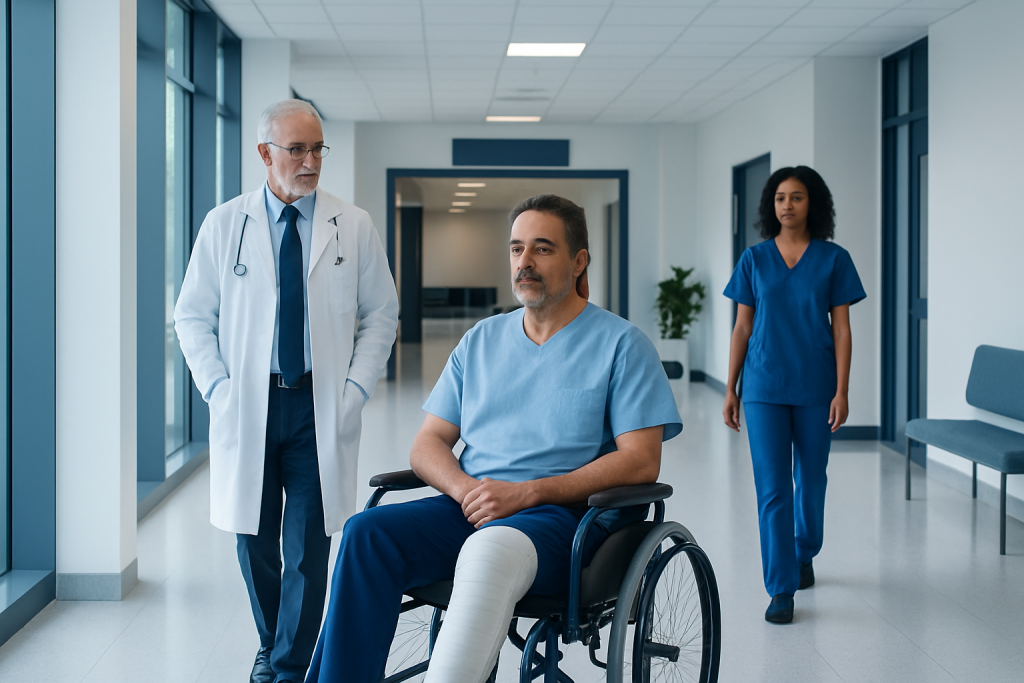
Fractured femur surgery recovery begins in hospital, often with supported sitting, standing, and exercises guided by physiotherapy as soon as medically safe. Pain, swelling, fatigue, and reduced confidence with movement are common early on. A walker, crutches, or other mobility aid may be needed, and the rehabilitation plan should follow the surgeon’s weight-bearing instructions.
The fractured femur recovery timeline varies considerably. In the first days to weeks, priorities include protecting the repair, managing pain, keeping the wound clean, preventing complications from reduced movement, and gradually restoring range of motion. Over subsequent weeks and months, therapy focuses on strength, balance, walking pattern, stair practice, and return to daily tasks.
Fractured femur recovery time is often longer in older adults, especially when the injury is near the hip or when there are other health conditions, frailty, dementia, or low bone density. Fractured femur recovery time in the elderly can also be affected by pre-injury mobility and whether reliable support is available at home. Rehabilitation should be tailored rather than compared with another person’s progress.
A balanced diet with adequate protein, calories, vitamin D, and calcium supports general bone health, although supplements should be discussed with a clinician. Avoiding smoking and limiting alcohol can also support healing. Follow-up appointments and X-rays allow the orthopedic team to monitor bone union and implant position.
How Long Does It Take to Walk Normally After Femur Surgery?
Some people begin assisted walking within days after surgery, but walking normally can take several months and sometimes longer. The timeframe depends on whether full weight-bearing is permitted, the severity and location of the fracture, muscle strength, balance, pain control, and the person’s health before the injury.
It is common to use a walker or crutches at first and then progress to a cane or unaided walking as strength and stability improve. A limp may persist while the hip and thigh muscles regain strength. Trying to progress faster than the prescribed plan can place unnecessary stress on the healing bone or fixation.
Regular physiotherapy and home exercises are important, but recovery should remain symptom-guided and medically supervised. A person should inform the team about worsening pain, a new inability to bear weight, or a sudden change in leg alignment or function.
How Painful Is a Broken Femur After Surgery?
A broken femur is usually very painful at the time of injury, and discomfort after surgery is expected. Surgical pain generally improves over the first days and weeks, though soreness around the incision, stiffness, bruising, and discomfort during exercises can continue while tissues heal.
Care teams use a multimodal pain-management approach that may include non-drug measures, regional anesthesia techniques where suitable, and prescribed medicines. The specific plan should take account of age, kidney and liver health, other medicines, and risks such as drowsiness or constipation. Taking medication only as directed and reporting inadequate pain relief helps the team adjust treatment safely.
Pain should gradually become more manageable rather than steadily worsening. Increasing pain with fever, drainage, spreading redness, calf swelling, or new shortness of breath warrants prompt assessment because it may indicate a complication requiring treatment.
Benefits, Risks and Expected Results
The main benefits of surgery are improved bone alignment and stability, earlier rehabilitation when appropriate, better opportunity for the fracture to heal, and reduced risks associated with prolonged bed rest. For many people, the longer-term aim is to return to previous activities or to the highest safe level of independence.
As with any major operation, there are possible risks. These include bleeding, infection, blood clots, injury to nerves or blood vessels, anesthesia-related problems, delayed bone healing, nonunion, malunion, hardware irritation or failure, and stiffness. Some people need further surgery, such as removal or revision of hardware, though this is not routine.
Do you ever fully recover from a broken femur? Many people achieve solid bone healing and return to independent walking and daily activities. However, full recovery is not identical for everyone. A severe injury, joint involvement, muscle damage, complications, or pre-existing mobility limitations can leave ongoing weakness, stiffness, pain, or a need for mobility support.
After healing, clinicians may recommend assessment for osteoporosis and fall risk, particularly after a low-impact fracture. Addressing vision, footwear, home hazards, medication effects, strength, and balance can help reduce the risk of another fall. Acibadem International’s multidisciplinary specialists and JCI-accredited hospitals provide evaluation, surgical care, and rehabilitation planning for international patients with femur fractures.
Frequently asked questions
What is the most common operation for a fractured femur?
The most common operation depends on the location of the break. Femoral shaft fractures are often treated with an intramedullary nail, while fractures near the hip or knee may require plates and screws or, in selected hip fractures, joint replacement. The surgeon chooses the method that best restores stable alignment.
How long does it take to walk normally after femur surgery?
Assisted walking may begin within days if the surgeon permits it, but normal walking commonly takes months. Progress depends on the fracture, the fixation method, permitted weight-bearing, muscle recovery, and regular rehabilitation. Some people need a walking aid for a longer period.
How painful is a broken femur after surgery?
Pain is expected after femur surgery but should become more manageable over time with an individualized treatment plan. Incision soreness, swelling, bruising, and stiffness are common during early recovery. Pain that suddenly worsens or occurs with fever, wound drainage, chest symptoms, or calf swelling should be reviewed urgently.
Do you ever fully recover from a broken femur?
Many people recover bone healing and regain independent movement after a broken femur. Recovery may be incomplete when the injury is severe, the fracture involves a joint, complications occur, or there were mobility limitations before the fracture. Physiotherapy and follow-up care help maximize function.
How long does femur surgery take?
Many femur fixation operations take a few hours, but the duration varies by fracture complexity, surgical technique, associated injuries, and the patient’s condition. Time spent preparing for anesthesia and recovering afterward adds to the overall hospital experience. The surgical team can provide a more individualized estimate.
What is the fractured femur surgery recovery time for an older adult?
Older adults may need several months or longer to recover, especially after a hip-area fracture or when frailty and other medical conditions are present. Early, supported mobilization and tailored rehabilitation are important. A coordinated plan for nutrition, medication review, bone health, and fall prevention can support recovery.
References
- American Academy of Orthopaedic Surgeons
- National Institute for Health and Care Excellence
- OrthoInfo
- MedlinePlus
- World Health Organization
This article is for general information only and is not a substitute for professional medical advice. Please consult a qualified doctor about your individual situation.
Joint and spine care in Turkey — expert assessment & treatment
JCI-accredited · board-certified surgeons · reply within 24h

More from the Health Library

Related Specialists

Prof. Dr. Harzem Özger
Orthopedic Surgery & Traumatology
Dt. Memduha Merve Kara
Oral and Dental Health
Prof. Dr. Reyhan Çeliker
Physical Medicine & Rehabilitation
Dr. Seyfettin Aslan
Ear Nose & Throat