Endoscopic Spine Surgery: Procedure, Recovery and Results
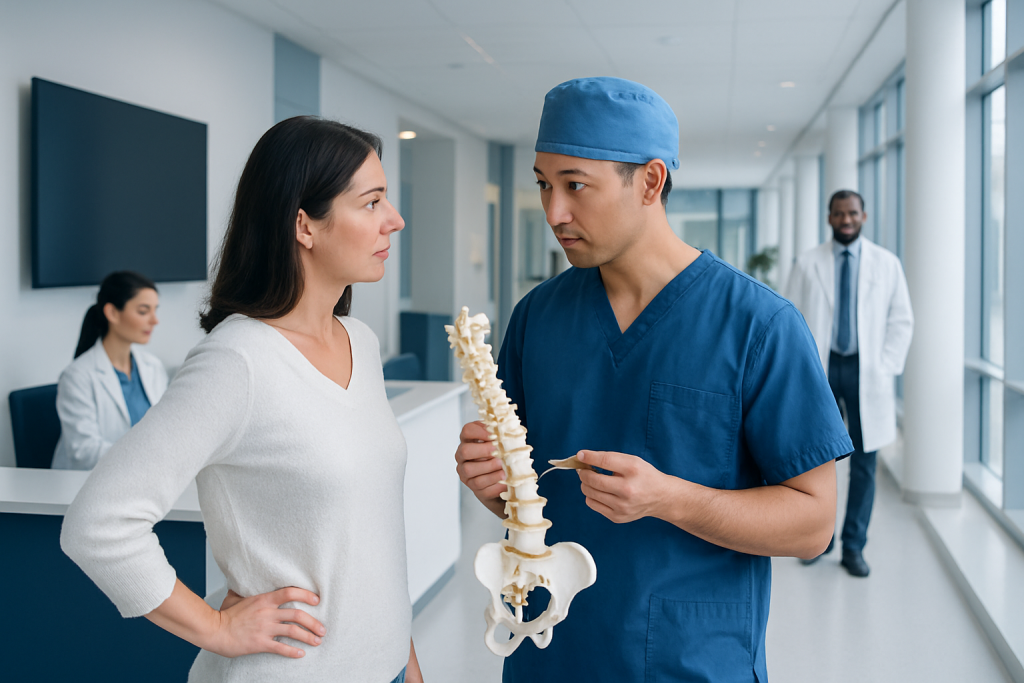
Endoscopic spine surgery is not suitable for every spinal condition; imaging findings, symptoms and spinal stability guide candidacy. Many patients walk on the day of surgery or soon afterward, but return-to-work and exercise timelines vary by procedure and individual recovery.
Key Takeaways
- Endoscopic spine surgery is not suitable for every spinal condition; imaging findings, symptoms and spinal stability guide candidacy.
- Many patients walk on the day of surgery or soon afterward, but return-to-work and exercise timelines vary by procedure and individual recovery.
- The main aim is to relieve nerve-related leg or arm symptoms; improvement in long-standing numbness or weakness may take longer.
- Risks include infection, bleeding, nerve injury, persistent symptoms, recurrent disc herniation and a possible need for further treatment.
- A structured rehabilitation plan and follow-up with the surgical team support a safe recovery.
Endoscopic spine surgery is a minimally invasive technique used to treat selected causes of spinal nerve compression, such as a herniated disc or spinal narrowing. Through a small incision, a surgeon uses a camera and specialized instruments to relieve pressure while limiting disruption to nearby muscle and tissue.
Overview: what is endoscopic spine surgery?
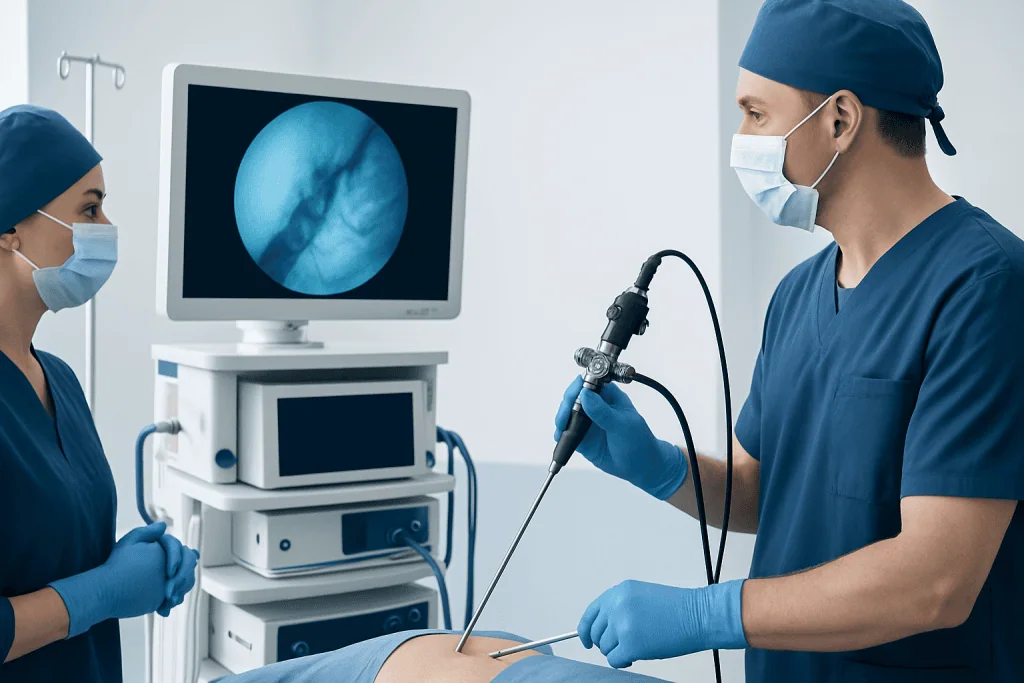
Endoscopic spine surgery is a minimally invasive surgical approach that can treat certain conditions causing pressure on spinal nerves. It uses an endoscope, a narrow tube containing a camera and light, inserted through a small skin incision. The camera provides a magnified view of the surgical area, allowing the surgeon to use small instruments to remove or reshape tissue that is irritating a nerve.
It is most commonly performed in the lower back for carefully selected cases of disc herniation or spinal stenosis. Depending on the location and approach, the surgeon may remove part of a herniated disc, small amounts of bone, thickened ligament or other tissue that narrows the space around a nerve. The goal is usually to reduce radiating pain, tingling, numbness or weakness caused by nerve compression.
“Endoscopic” describes the viewing and access technique, not one single operation. The exact procedure, expected benefits and recovery depend on the spinal level, the condition being treated and whether decompression alone or stabilization is needed. A spine specialist can explain whether a minimally invasive approach is appropriate after reviewing symptoms, examination findings and imaging.
How endoscopic spine surgery works and who may be a candidate
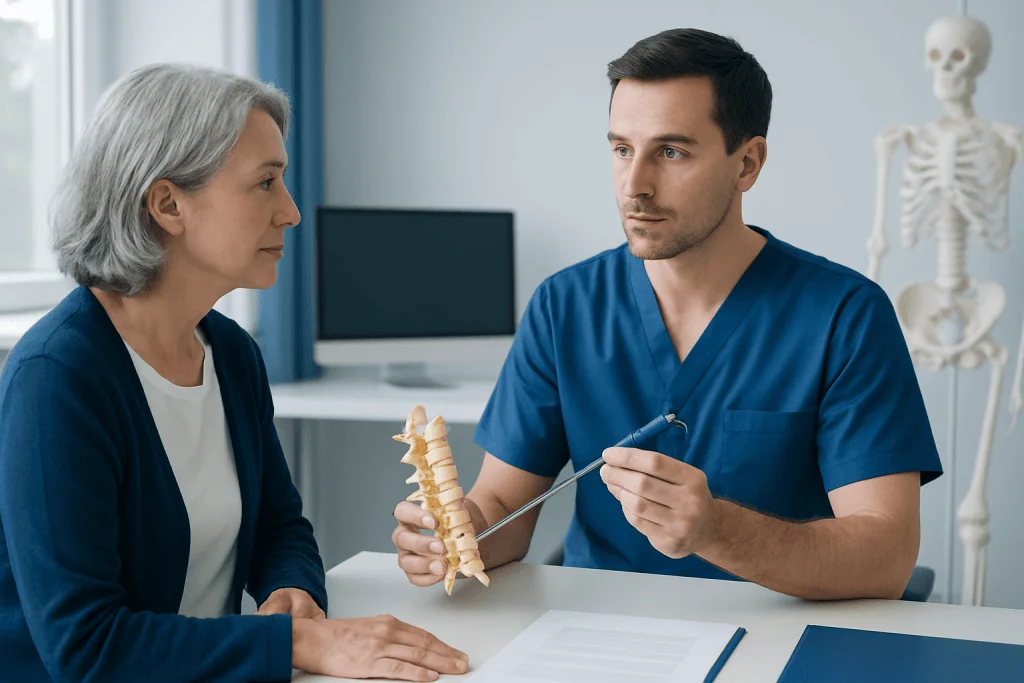
Spinal nerves travel through openings in and around the spine. A disc that bulges or herniates, age-related narrowing of the spinal canal, arthritis-related bone changes or thickened ligaments can reduce this space. When a nerve is compressed, it may cause pain traveling into the buttock and leg, or into the shoulder and arm, as well as tingling, altered sensation or loss of strength.
Endoscopic surgery may be considered when non-surgical care has not provided sufficient relief and symptoms match a specific area of nerve compression seen on imaging. Non-surgical treatment can include activity modification, guided exercise or physical therapy, pain-relief strategies and, in some cases, injections. Surgery may be considered sooner when there is worsening weakness or another concerning neurological finding.
Suitable candidates often have a localized problem that can be reached safely through an endoscopic approach. It may be less suitable when there is significant spinal instability, extensive deformity, severe multi-level disease, infection, a tumor or a need for major reconstruction. In these situations, another form of minimally invasive spine surgery or conventional surgery may be recommended.
- Symptoms should be consistent with the affected nerve and imaging findings.
- The surgeon assesses spinal alignment and whether the spine is stable enough for decompression alone.
- General health, previous spinal procedures, medications and anesthesia considerations are reviewed individually.
What happens during the procedure?
Before surgery, the team confirms the treatment level using clinical assessment and imaging such as MRI, CT or X-ray studies. Patients receive individualized instructions about eating and drinking before anesthesia, regular medicines and arrangements for transportation and support after discharge. The procedure may be performed under general anesthesia or, in selected situations, with sedation and local anesthetic.
During the operation, the patient is positioned to provide safe access to the spine. The surgeon uses X-ray guidance to place the endoscope through a small incision. Saline fluid may be used to maintain a clear view. Through the working channel, the surgeon removes the portion of disc, bone or ligament that is compressing the nerve while preserving as much normal tissue as possible.
After the nerve has been decompressed, instruments are removed and the incision is closed or covered. Some procedures are performed as day surgery, while others require a short hospital stay depending on the operation, anesthesia, medical needs and recovery immediately after surgery. The surgical team provides specific instructions for wound care, walking, pain management and follow-up.
Benefits, limitations and possible risks
Compared with traditional open techniques, endoscopic surgery may involve a smaller incision and less disruption of muscle and soft tissue. For appropriate patients, this can mean less early postoperative discomfort, earlier mobilization and a shorter hospital stay. However, these potential advantages do not mean that endoscopic surgery is automatically the best option for every spinal problem.
The expected benefit is relief of symptoms caused by the compressed nerve, particularly radiating limb pain. Back or neck pain that has several contributing causes may not improve to the same degree. Symptoms that have been present for a long time, especially numbness or weakness, can recover gradually and sometimes incompletely because nerve healing takes time.
All spinal operations have risks. These include infection, bleeding, a fluid leak around the spinal cord, blood clots, reactions to anesthesia, injury to a nerve or surrounding structures, persistent pain, recurrent disc herniation and the possible need for another procedure. Technical feasibility also depends on anatomy, and a surgeon may recommend changing to a different approach if that is safer or more effective.
Outcomes are influenced by accurate diagnosis, appropriate patient selection, the underlying condition and rehabilitation. A patient should discuss their individual goals, alternatives and likely limitations with a qualified spine surgeon before making a decision.
Recovery timeline and returning to activity
Recovery begins with gentle movement. Many people are encouraged to stand and walk on the same day or the day after surgery, provided their care team agrees. Short, frequent walks can support circulation and reduce stiffness. Temporary soreness around the incision and fatigue are common, while nerve pain may improve quickly or settle more gradually over several weeks.
In the first days and weeks, patients usually avoid heavy lifting, repeated bending, twisting and high-impact activity. The timing for driving, office work, physical work, exercise and travel should be based on the surgeon’s instructions, pain control, neurological recovery and the demands of the activity. A clinician may recommend physiotherapy or a graded home exercise program to restore mobility and strength.
Follow-up appointments allow the team to check the incision, assess symptoms and adjust the recovery plan. Contact the surgical team promptly for increasing redness or drainage from the wound, fever, worsening pain, new weakness, loss of bladder or bowel control, or new numbness in the groin or saddle area. These symptoms need timely medical assessment.
Acibadem International’s multidisciplinary specialists and JCI-accredited hospitals support international patients undergoing assessment and treatment for spine conditions, with care plans tailored to the individual procedure and recovery needs.
How many days should I rest after endoscopy spine surgery?
Complete bed rest is usually not recommended after endoscopic spine surgery unless the surgeon gives a specific reason. Most patients are encouraged to take short walks and change position regularly soon after surgery, while also allowing time to rest when tired. The first few days are generally focused on protecting the incision, controlling discomfort and gradually increasing light activity.
Many people need several days away from usual routines, but the right amount of time varies. A desk-based role may be possible sooner than physically demanding work, while jobs involving lifting, driving for long periods, bending or vibration often require more recovery time. The operating surgeon should provide the most reliable guidance because the extent of surgery and each person’s health are different.
Rather than following a fixed number of rest days, patients should use a gradual approach. They should avoid activity that clearly worsens pain, follow lifting restrictions and build walking time steadily. Persistent or worsening symptoms should be discussed with the clinical team rather than pushed through.
How successful is endoscopic spine surgery?
Endoscopic spine surgery can be effective when it is used for the right diagnosis, especially localized nerve compression from a disc herniation or selected forms of spinal narrowing. Its purpose is to remove the source of pressure on a nerve, so improvement is often most noticeable in radiating arm or leg pain. The degree and speed of relief differ from person to person.
Success should be judged against realistic goals agreed before surgery. Some patients experience substantial symptom relief and improved function, while others have partial improvement or continuing back or neck pain from other spinal structures. Long-standing numbness and weakness may take months to improve, and recovery may be limited if a nerve has been significantly affected before treatment.
Recurrence or persistent symptoms can occur, whether surgery is endoscopic or open. Careful preoperative assessment, appropriate technique and adherence to recovery guidance can help optimize the result, but no procedure can guarantee a particular outcome. A surgeon can discuss the expected result for the specific spinal level and condition.
How long does it take to recover from endoscopic spinal fusion surgery?
Endoscopic spinal fusion is different from endoscopic decompression or discectomy because it involves stabilizing a spinal segment and allowing bone to heal across that segment. Early recovery from the incision and hospital stay may be relatively quick with minimally invasive techniques, but biological fusion develops over a much longer period. The pace depends on the fusion method, number of levels treated, bone health, smoking status, general health and activity demands.
Light daily activities may resume gradually in the early weeks, while return to more strenuous work, lifting and impact exercise commonly requires a longer, surgeon-directed schedule. The team may use follow-up examinations and imaging to evaluate alignment, hardware and healing. Physical therapy may be introduced at a time that is appropriate for the fusion and the patient’s progress.
Patients should not assume that a small incision means the spine has fully healed. Restrictions are important because the fusion site needs time and stability to heal. The surgeon’s individual plan should take priority over general timelines found online.
Is endoscopic spine surgery painful?
Patients receive anesthesia or sedation so they should not feel surgical pain during the procedure. Afterward, it is normal to have some soreness at the incision and temporary muscle discomfort. The intensity varies according to the operation, the treated area, individual pain sensitivity and whether a nerve was already inflamed before surgery.
Many patients find that the radiating pain caused by nerve compression improves after decompression, although nerve symptoms can fluctuate during early healing. The clinical team may recommend a personalized pain-management plan that can include non-drug measures, activity pacing and prescribed medicines when appropriate. Patients should use medicines exactly as instructed and report pain that is severe, worsening or not controlled by the plan.
New severe pain accompanied by progressive weakness, fever, wound drainage, difficulty passing urine or loss of bowel control needs urgent medical advice. These symptoms are uncommon but should be assessed promptly rather than managed at home.
When to seek medical care
A medical assessment is appropriate for persistent neck or back pain that travels into an arm or leg, especially when it is associated with numbness, tingling or weakness. A clinician can determine whether symptoms may be related to a spinal nerve and whether conservative treatment, imaging or referral to a spine specialist is needed.
Urgent medical care is needed for new or worsening weakness, numbness around the genital or buttock area, inability to control bladder or bowel function, or severe pain following significant trauma. These symptoms can indicate serious nerve involvement and should not be delayed.
People with suspected disc-related nerve pain may also benefit from learning about herniated disc symptoms and treatment options. A timely, individualized assessment helps ensure that surgery is considered only when it is likely to offer a meaningful benefit.
Frequently asked questions
What is the difference between endoscopic spine surgery and open spine surgery?
Endoscopic spine surgery uses a camera and specialized instruments through a small incision to reach selected spinal problems. Open surgery generally requires a larger incision and broader exposure of tissues. The best approach depends on the condition, spinal anatomy, stability and the amount of decompression or reconstruction required.
Can endoscopic spine surgery treat a herniated disc?
Yes, endoscopic techniques may be used to remove part of a herniated disc that is pressing on a spinal nerve in selected patients. It is most often considered when leg or arm symptoms persist despite non-surgical care, or when weakness is progressing. A specialist uses examination findings and imaging to determine suitability.
Will numbness disappear immediately after endoscopic spine surgery?
Pain caused by nerve compression may improve quickly, but numbness can take longer because nerves recover slowly. The time course depends on how long and how severely the nerve was compressed before surgery. In some cases, numbness may not fully resolve.
When can a person drive after endoscopic spine surgery?
Driving should wait until the person can sit comfortably, move safely, react quickly and is no longer using medicines that impair alertness. The surgeon’s instructions are important because restrictions vary by procedure and individual recovery. Short journeys may be recommended before longer trips.
Can a disc herniation come back after endoscopic surgery?
A recurrent disc herniation is possible after any discectomy technique, including endoscopic surgery. Following activity restrictions, maintaining gradual conditioning and avoiding smoking may support recovery, although recurrence cannot always be prevented. New or recurrent radiating pain should be reviewed by a clinician.
Is physical therapy needed after endoscopic spine surgery?
Some patients benefit from a supervised rehabilitation program, while others begin with walking and a structured home exercise plan. The timing and intensity depend on the procedure, symptoms and healing progress. A surgeon or physiotherapist can tailor the plan to restore movement, strength and confidence safely.
References
- American Academy of Orthopaedic Surgeons
- North American Spine Society
- National Institute of Neurological Disorders and Stroke
- National Institute for Health and Care Excellence
- World Health Organization
This article is for general information only and is not a substitute for professional medical advice. Please consult a qualified doctor about your individual situation.
Spine Surgery in Turkey — costs, top hospitals & a free quote
JCI-accredited · board-certified surgeons · reply within 24h