Bowel Transplant: Procedure, Recovery and Results

Bowel transplant is considered for irreversible intestinal failure, particularly when long-term intravenous nutrition causes serious complications. The operation may involve the intestine alone or a combined transplant with the liver, stomach, pancreas or colon.
Key Takeaways
- Bowel transplant is considered for irreversible intestinal failure, particularly when long-term intravenous nutrition causes serious complications.
- The operation may involve the intestine alone or a combined transplant with the liver, stomach, pancreas or colon.
- Recovery includes intensive early monitoring, nutrition support, rehabilitation and lifelong anti-rejection treatment.
- Rejection and infection are important risks, so new digestive symptoms or fever need prompt medical review.
- Outcomes vary substantially with the person’s health, transplant type, donor factors and specialist follow-up.
A bowel transplant is a complex operation that replaces part or all of the small intestine with a donor intestine when intestinal failure cannot be safely managed with intravenous nutrition. It may restore the ability to absorb nutrition, but requires lifelong follow-up and medicines to prevent rejection.
Overview: what is a bowel transplant?
A bowel transplant, also called an intestinal transplant, is surgery to replace a diseased or non-functioning small intestine with healthy intestine from a deceased donor. It is used for selected people with irreversible intestinal failure, meaning the bowel can no longer absorb enough fluid and nutrients to sustain health. The main goal is to help the person absorb nutrition through the digestive tract and reduce or stop dependence on intravenous nutrition.
Most people with intestinal failure can be managed with carefully tailored nutrition support, medicines and treatment of the underlying condition. Bowel transplant surgery is usually considered only when long-term intravenous nutrition, also called parenteral nutrition, leads to serious complications or is no longer safe or effective. The transplant team assesses each person individually because this is a highly specialized treatment.
Depending on the person’s needs, the donor organ may include the small intestine alone or be transplanted together with other abdominal organs. These may include the liver, stomach, pancreas or colon. A temporary opening on the abdomen, called an ileostomy, is often created so clinicians can monitor the new bowel closely in the early period after surgery.
Who may be a candidate and why is it needed?

The most common bowel transplant reasons relate to permanent short bowel syndrome or severe intestinal disease. Short bowel syndrome can develop after extensive bowel removal for conditions such as blood-flow problems in the intestine, severe inflammatory disease, trauma or repeated surgery. Other possible causes include severe disorders of intestinal movement, certain congenital bowel conditions and complications affecting the intestinal blood supply.
Referral for transplant assessment may be appropriate when a person has irreversible intestinal failure and develops major complications from long-term intravenous nutrition. Examples include repeated bloodstream infections related to central venous catheters, progressive liver disease linked to intravenous nutrition, loss of reliable vein access, or frequent severe dehydration despite expert treatment.
Assessment is multidisciplinary. It commonly includes gastroenterology, transplant surgery, nutrition, infectious diseases, liver specialists, anaesthesia, psychology and rehabilitation. The team reviews the underlying diagnosis, nutrition needs, heart and lung health, infection risk, previous operations, social support and ability to take lifelong medicines. Evaluation also helps determine whether intensive non-transplant care remains the safer option.
For people with complex intestinal failure, intestinal transplant assessment and treatment can clarify whether transplantation, intestinal rehabilitation or another approach is most appropriate.
How does bowel transplant surgery work?
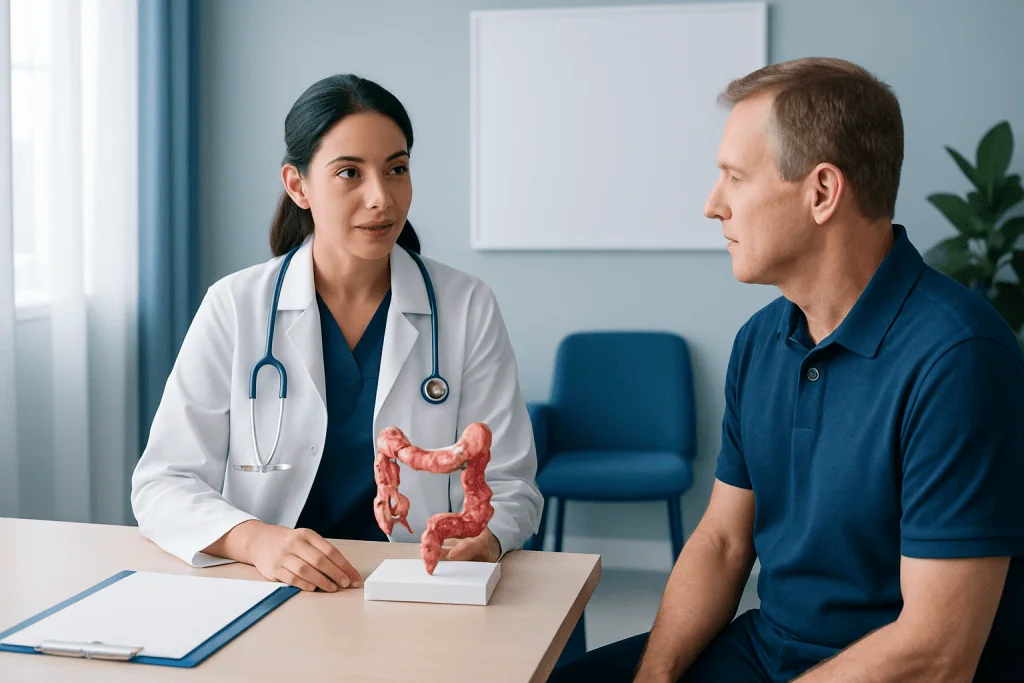
Before surgery, the recipient is prepared with blood tests, imaging, infection screening and nutritional planning. When a suitable donor organ becomes available, the operation is performed under general anaesthesia. The exact approach depends on whether the transplant involves the intestine alone or multiple abdominal organs.
The surgeon removes the diseased intestine when necessary and connects the donor intestine to the recipient’s blood vessels. The new bowel is then connected to the digestive tract so food can eventually pass through it. If other organs are being transplanted, their blood supply and digestive connections are also reconstructed. The procedure is long and technically demanding because it involves major blood vessels and previous abdominal scarring may be present.
A small segment of the donor bowel may be brought to the skin as an ileostomy. This allows frequent visual checks and biopsies of the bowel lining, which can identify rejection before symptoms become severe. In some cases, the stoma can later be reversed once healing is established and the transplant is stable.
After surgery, the person is cared for in an intensive care setting. Immunosuppressive medicines begin immediately to reduce the immune system’s attack on the donor bowel. These medicines are essential after every transplant, but they also increase susceptibility to infections and require careful long-term monitoring.
Bowel transplant recovery: what happens after surgery?
Bowel transplant recovery starts in hospital and continues for months after discharge. Early care focuses on breathing support if needed, pain control, fluid balance, blood tests, wound healing and close observation of bowel function. Nutrition is usually provided through a vein at first, then through tube feeding or small amounts by mouth as the transplanted intestine begins to work.
Endoscopy and small biopsies of the transplanted bowel are commonly performed on a planned schedule, especially during the first year. These checks are important because bowel transplant rejection may be detected on biopsy before it causes obvious symptoms. The frequency gradually reduces if the transplant remains stable.
Hospital stay varies widely. Some people need a prolonged admission because recovery depends on surgical healing, infections, bowel function, nutrition and other medical conditions. After discharge, frequent clinic visits, laboratory tests and medication adjustments are typical. Rehabilitation can help rebuild strength, mobility and confidence with eating and daily activities.
Long-term care includes lifelong immunosuppressive treatment, attention to food safety and infection prevention, vaccinations recommended by the transplant team, and regular screening for medicine-related complications. Patients should not change anti-rejection medicines or supplements without advice from their transplant clinicians.
Benefits, risks and expected results
A successful bowel transplant can improve hydration, nutritional absorption and independence from long-term intravenous nutrition. For some people, it can also reduce complications associated with central venous catheters and parenteral nutrition. However, the benefit must be weighed against the substantial demands and risks of transplantation.
The main risks include bleeding, blood clots, leakage or blockage at surgical connections, infections, kidney problems, medication side effects and post-transplant lymphoproliferative disorder, a type of immune-system-related complication. Rejection is especially important because the intestine contains abundant immune tissue and is exposed to bacteria from the digestive tract.
Bowel transplant success rate figures should be interpreted carefully. Results differ between transplant centers, adults and children, intestine-only and combined transplants, the reason for intestinal failure, the person’s condition at surgery and the duration of follow-up. A transplant team can explain its current outcomes using measures that are meaningful for the individual, such as survival, graft function, quality of life and freedom from intravenous nutrition.
Although the path can be demanding, coordinated follow-up allows complications to be recognized and treated early. Acibadem International’s multidisciplinary specialists and JCI-accredited hospitals support diagnosis and treatment planning for international patients requiring complex transplant care.
What are the common symptoms of a bowel transplant rejection?
Rejection occurs when the recipient’s immune system recognizes the donor bowel as foreign and damages its tissue. It can happen at any time, although it is more common in the earlier months after surgery. Rejection cannot be diagnosed from symptoms alone; endoscopy with a biopsy is often needed to confirm it and guide treatment.
Possible warning signs include increased stoma output or diarrhea, abdominal pain or cramping, nausea, vomiting, fever, fatigue, poor appetite, dehydration, abdominal swelling or unexpected weight loss. In babies and children, changes in feeding, irritability or reduced activity may also be important. Some people may have few or no symptoms, which is why scheduled surveillance is valuable.
These symptoms can also be caused by infection, medication effects or other digestive problems. A transplant recipient should contact the transplant team promptly if symptoms are new, persistent or worsening, rather than trying to manage them alone. Early assessment may include blood tests, stool testing, imaging, endoscopy and biopsy.
When to seek medical care
Anyone being considered for bowel transplant should seek medical care through an intestinal failure or transplant specialist, rather than waiting until nutrition problems become severe. Early referral can help protect vein access, optimize nutrition and identify complications of long-term intravenous nutrition before they progress.
After a transplant, urgent medical advice is needed for fever, chills, vomiting that prevents medicines from being kept down, new or severe abdominal pain, a marked change in stool or stoma output, bleeding, reduced urine output, dizziness, signs of dehydration, jaundice, shortness of breath or confusion. The transplant team should provide individualized instructions on when to call the clinic and when emergency assessment is needed.
Regular appointments remain important even when the person feels well. Blood tests, medication reviews, endoscopy when advised and nutrition monitoring help detect rejection, infection and other complications at an early stage.
Common questions about long-term outlook and fecal transplant
What is the average life expectancy of a patient who has had a bowel transplant? There is no single average that accurately predicts an individual’s life expectancy after a bowel transplant. Survival varies with age, diagnosis, whether other organs were transplanted, prior health, rejection episodes, infections and ongoing graft function. The transplant team can discuss the most relevant current outcome data and what it may mean for the individual situation.
What is the hardest transplant to survive? It is not medically accurate to label one transplant as universally the hardest to survive. Different transplants carry different challenges, and intestinal transplantation is particularly complex because of rejection risk, infection risk, nutritional needs and the frequent need for close monitoring. Individual health and the experience of the transplant program strongly influence risk.
Where do the feces come from for a fecal transplant? A fecal microbiota transplant is entirely different from a bowel transplant. It uses carefully screened stool from a healthy donor to transfer beneficial microorganisms, most commonly for selected recurrent Clostridioides difficile infections. Donor stool is obtained through regulated screening and processing procedures; it is not related to the donor intestine used in bowel transplantation.
Frequently asked questions
Is a bowel transplant the same as a fecal transplant?
No. A bowel transplant is major surgery that replaces a failing intestine with donor intestinal tissue. A fecal microbiota transplant transfers screened stool-derived microorganisms to treat specific conditions and does not replace the bowel.
How long does bowel transplant recovery take?
Recovery varies greatly and often involves a lengthy hospital stay followed by months of close outpatient follow-up. Healing, nutrition tolerance, infection prevention, rehabilitation and adjustment of anti-rejection medicines all affect the timeline.
Can a person eat normally after a bowel transplant?
Many recipients can gradually increase oral food and fluid intake as the transplanted intestine adapts. Dietary progression is individualized, and some people need supplemental nutrition for a period of time or longer-term support depending on graft function and other health factors.
Can bowel transplant rejection be treated?
Yes, treatment may be possible, particularly when rejection is found early. The approach depends on biopsy results and severity, and may include changes to immunosuppressive treatment and treatment of related infections or complications.
Why are anti-rejection medicines needed for life?
The immune system can recognize the transplanted bowel as foreign at any point after surgery. Lifelong immunosuppressive medicines lower this risk, but they must be balanced carefully because they can also increase infection risk and cause other side effects.
Who is not usually suitable for bowel transplantation?
Suitability depends on a full specialist assessment rather than one rule. Uncontrolled infection, certain untreated cancers, severe illness affecting other organs or inability to safely follow the required long-term treatment plan may affect eligibility, but decisions are individualized.
References
- National Institute of Diabetes and Digestive and Kidney Diseases
- National Institute of Allergy and Infectious Diseases
- American Society of Transplantation
- United Network for Organ Sharing
- European Society for Organ Transplantation
This article is for general information only and is not a substitute for professional medical advice. Please consult a qualified doctor about your individual situation.
Persistent digestive symptoms? Get evaluated in Turkey
JCI-accredited · board-certified surgeons · reply within 24h