Surgery Ovarian: Procedure, Recovery and Results

Ovarian surgery may remove a cyst, part of an ovary, one ovary, or both ovaries depending on the diagnosis and treatment goal. Laparoscopic surgery usually involves smaller incisions and a quicker recovery than open abdominal surgery.
Key Takeaways
- Ovarian surgery may remove a cyst, part of an ovary, one ovary, or both ovaries depending on the diagnosis and treatment goal.
- Laparoscopic surgery usually involves smaller incisions and a quicker recovery than open abdominal surgery.
- Most simple ovarian cysts do not need surgery; imaging, symptoms, cyst features and cancer risk guide the decision.
- Removing one ovary often leaves enough ovarian hormone production and eggs for menstrual cycles and possible pregnancy, if the other ovary is healthy.
- Recovery needs vary, but worsening pain, fever, heavy bleeding, vomiting or wound problems require prompt medical advice.
Surgery ovarian refers to operations on one or both ovaries, most often to remove a cyst, investigate a suspicious mass, treat torsion or endometriosis, or manage ovarian cancer. The operation, expected recovery and long-term effects depend on whether surgery is minimally invasive or open, and whether the ovary can be preserved.
Overview: what is surgery ovarian?
Surgery ovarian is a broad term for an operation involving one or both ovaries. It may be recommended to remove an ovarian cyst, untwist an ovary affected by torsion, treat endometriosis, assess a pelvic mass, prevent complications, or remove cancer. The surgeon aims to use the least extensive operation that can safely address the underlying problem.
Common procedures include cystectomy, which removes a cyst while preserving the ovary; oophorectomy, which removes one ovary; and bilateral oophorectomy, which removes both ovaries. In some circumstances, the fallopian tube is removed at the same time. For suspected or confirmed cancer, surgery may include additional staging procedures to determine whether disease has spread.
Operations are usually performed through laparoscopy, also called keyhole surgery, or laparotomy, an open operation through a larger abdominal incision. The appropriate approach is based on the size and appearance of a mass, symptoms, prior surgery, the likelihood of cancer, general health and the need for other procedures during the same operation.
Why it may be recommended and who may be a candidate
Many ovarian cysts are harmless and resolve without treatment, particularly before menopause. Surgery may be considered when a cyst is persistent, large, painful, complex on ultrasound, growing, twisted, ruptured with significant bleeding, or raises concern for cancer. Symptoms such as recurrent pelvic pain, pressure, bloating or pain during sex may also influence the decision.
People with a suspected ovarian tumor may need surgery both to establish a diagnosis and to treat it. When cancer is a possibility, referral to a gynecologic oncologist is often appropriate because specialist surgical planning can be important. Related concerns, such as ovarian cancer, require individualized assessment of imaging, blood tests, medical history and operative findings.
Fertility goals should be discussed before surgery whenever possible. For many benign conditions, surgeons can preserve ovarian tissue. However, preserving an ovary may not be safe or feasible if it is severely damaged, if torsion has compromised its blood supply, or if cancer is suspected. Age, menopausal status, family history and genetic cancer risk can also affect recommendations.
How ovarian surgery works: preparation and step-by-step
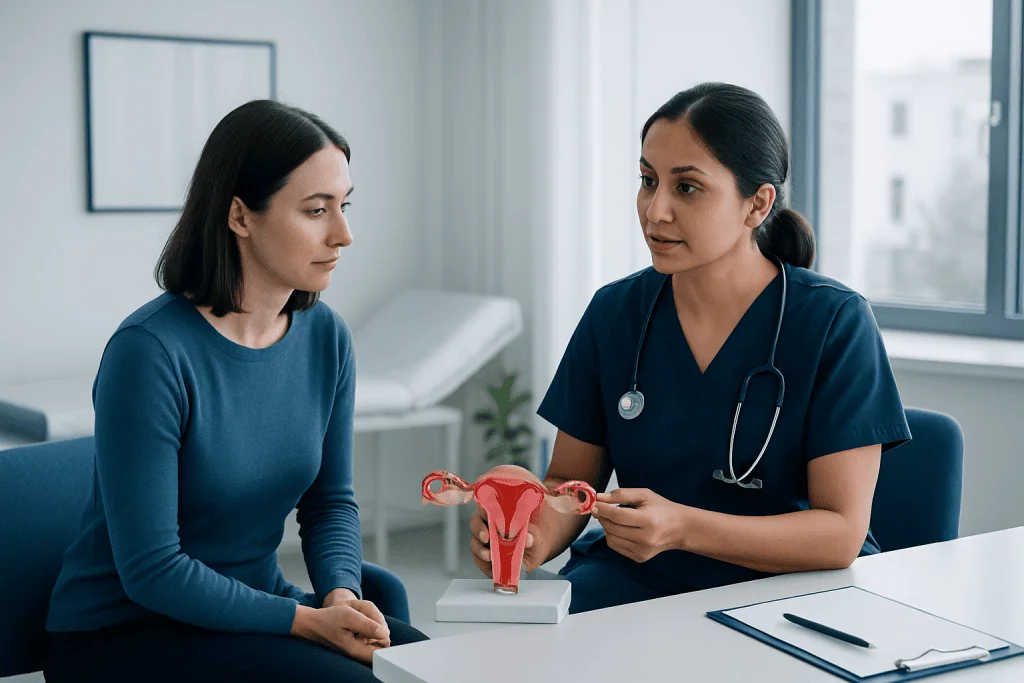
Before surgery, the care team reviews symptoms, medications, allergies, medical conditions and previous operations. Evaluation may include pelvic examination, pregnancy testing when relevant, ultrasound and sometimes additional imaging or blood tests. Patients receive instructions about eating and drinking before anesthesia, medicines to pause or continue, and plans for transport and support after discharge.
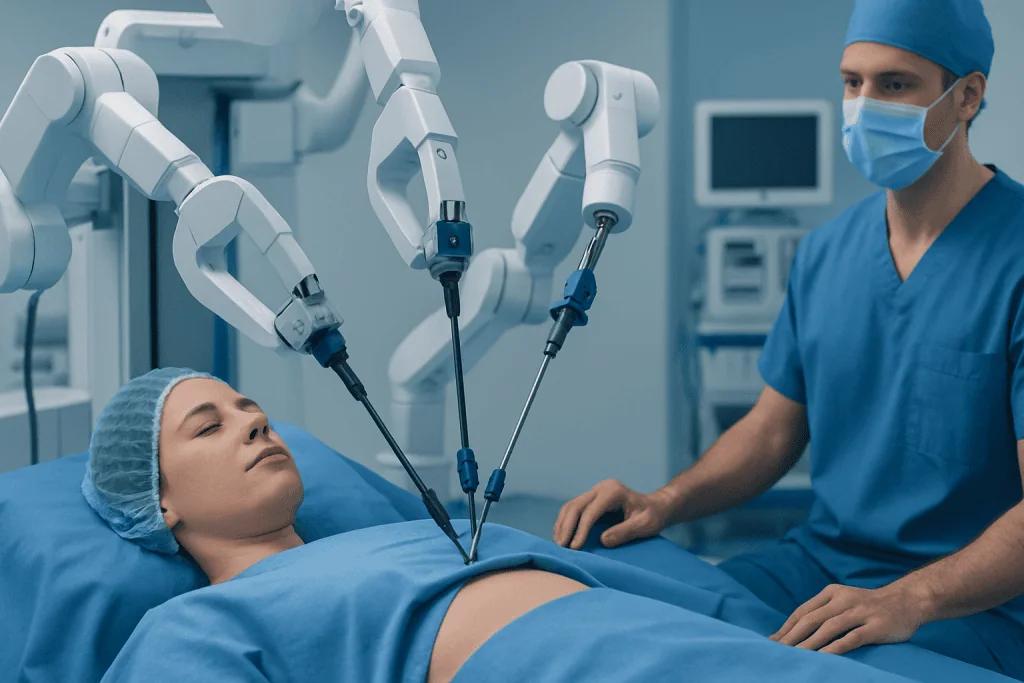
During laparoscopic surgery, the patient is asleep under general anesthesia. The surgeon makes several small abdominal incisions, introduces a camera and fine instruments, and uses the camera view to examine the pelvis. A cyst may be separated from normal ovarian tissue and removed in a protective bag. If an ovary must be removed, its blood supply and attachments are carefully sealed before removal.
In an open laparotomy, the surgeon uses a larger abdominal incision to access the pelvic organs directly. This may be safer for a very large mass, extensive scar tissue, severe disease or suspected cancer. Tissue removed during surgery may be examined by a pathologist. In some cases, pathology findings during the operation help guide whether additional treatment is needed.
After the procedure, patients recover from anesthesia while nurses monitor pain, nausea, breathing, blood pressure and bleeding. Some laparoscopic procedures are day surgery, while open surgery and cancer operations commonly require a longer hospital stay. The team gives individualized guidance on activity, wound care, bowel function and follow-up.
Benefits, limitations and possible risks
The main benefit of surgery ovarian is that it can relieve symptoms, prevent or treat urgent complications, provide a definitive tissue diagnosis and remove disease when appropriate. Cystectomy may preserve ovarian function, while removal of a diseased ovary can prevent recurrence of certain problems in that ovary. For cancer, surgery is often a central part of treatment planning.
All operations carry some risk. Possible complications include bleeding, infection, blood clots, reactions to anesthesia, injury to the bowel, bladder, ureter or blood vessels, and scar tissue formation. A cyst can recur after cystectomy, depending on its type and underlying condition. Occasionally, a planned laparoscopic operation needs to be converted to an open procedure for safety.
Removal of one ovary does not usually trigger menopause if the other ovary is functioning. Removing both ovaries before natural menopause causes an abrupt fall in estrogen and progesterone, which can lead to menopausal symptoms and may have longer-term bone and heart health implications. The care team can discuss symptom management, hormone therapy suitability and fertility preservation where relevant.
For patients requiring surgical management of a cyst, the goals and options can be reviewed through ovarian cyst surgery. A clear preoperative conversation should cover the planned procedure, circumstances that could change the extent of surgery, and what results may mean for fertility and hormone health.
How many days should I rest after ovarian cyst surgery?
After laparoscopic ovarian cyst surgery, many people need several days of rest and may gradually return to light daily activities within about one to two weeks. Tiredness, mild lower abdominal discomfort, bloating and shoulder-tip pain from surgical gas can occur early in recovery. Rest is helpful, but short, gentle walks are usually encouraged to support circulation and bowel function.
The surgery ovarian cyst recovery time is longer after open surgery. People often need four to six weeks, and sometimes longer, before resuming usual activities. The surgeon’s advice should take priority because recovery depends on the cyst, the extent of surgery, other health conditions and any complications.
Heavy lifting, strenuous exercise, swimming and sexual activity may need to be avoided temporarily. Patients should ask their surgical team when it is safe to drive, return to work and restart specific activities. Pain that is worsening rather than steadily improving should be assessed rather than managed alone at home.
Is ovarian surgery a major surgery?
Ovarian surgery can range from a relatively short minimally invasive procedure to a major abdominal operation. Laparoscopic removal of a simple cyst is generally less invasive, uses smaller incisions and often allows discharge on the same day or after one night. It is still surgery under general anesthesia and requires appropriate recovery and follow-up.
Open ovary surgery, removal of both ovaries, surgery involving extensive endometriosis or adhesions, and ovarian cancer surgery are considered more major operations. They may involve a longer procedure, a larger incision, hospital admission and a longer period of reduced activity. The complexity is determined by the condition being treated rather than by the word “ovarian” alone.
Patients can prepare by arranging help at home, understanding medication instructions and discussing work, caregiving and travel plans. Asking the surgeon whether laparoscopy is suitable, what might require a change in surgical approach, and what tissue will be removed can make expectations clearer.
How long is recovery after ovary surgery?
Ovarian surgery recovery time varies considerably. After uncomplicated laparoscopic surgery, discomfort often improves noticeably within several days, while energy and normal routines may take one to two weeks to return. Full internal healing takes longer, so activity restrictions may continue even when a person feels well.
Following laparotomy, the surgery ovaries recovery time is commonly around four to six weeks, though recovery can be longer after complex procedures or cancer treatment. The surgery recovery ovary removal may also include adjustment to hormonal changes if both ovaries have been removed. Follow-up appointments allow the team to review wound healing, pathology results and next steps.
A healthy recovery plan includes taking prescribed medicines as directed, drinking fluids, eating as tolerated, preventing constipation, walking gently and attending scheduled reviews. Returning to activity too quickly can increase discomfort and slow recovery. Individual instructions from the operating team are the safest guide.
How painful is ovarian cancer surgery?
Ovarian cancer surgery can cause moderate to significant pain in the first days after the operation, particularly when it involves an open abdominal incision or removal of additional tissues for staging and treatment. Pain is expected to be managed actively in hospital using a tailored plan that may include several types of pain relief, movement support and treatment for nausea or constipation.
As healing progresses, pain should generally become less intense and easier to manage. Some people experience fatigue, abdominal tenderness, altered bowel habits or emotional strain for weeks afterward. It is important to tell the care team if pain is uncontrolled, suddenly worse, associated with fever or vomiting, or accompanied by swelling or redness at the incision.
Ovarian cancer care may involve gynecologic oncology, medical oncology, pathology, radiology, nutrition and supportive care professionals. Treatment can include ovarian cancer treatment after surgery when indicated, based on the cancer type, stage, pathology results and the person’s overall health.
When to seek medical care
Urgent medical assessment is important for sudden severe pelvic or abdominal pain, especially when it occurs with fainting, fever, vomiting, dizziness or heavy vaginal bleeding. These symptoms can have several causes, including ovarian torsion or a ruptured cyst, and should not be diagnosed at home.
After ovarian surgery, patients should contact their surgical team promptly for fever, increasing rather than improving pain, persistent vomiting, heavy bleeding, inability to pass urine, worsening abdominal swelling, leg pain or swelling, shortness of breath, or wound redness, drainage or separation. Emergency care is appropriate for severe symptoms or breathing difficulty.
Persistent pelvic pain, a feeling of fullness, new bloating, changes in appetite, or changes in menstrual patterns also deserve a routine medical review. Acibadem International’s multidisciplinary specialists and JCI-accredited hospitals diagnose and treat ovarian conditions for international patients, with care plans based on individual findings and goals.
Frequently asked questions
Can ovarian cyst surgery affect fertility?
It can, depending on the type of cyst, how much ovarian tissue must be removed and the health of the other ovary. A cystectomy is often designed to preserve the ovary and fertility where this is safe. Anyone planning pregnancy should discuss fertility goals with the surgeon before the procedure.
Will periods continue after one ovary is removed?
In many cases, periods continue after removal of one ovary because the remaining ovary can still produce hormones and release eggs. Menstrual patterns may be temporarily irregular while the body recovers. Individual outcomes depend on age, ovarian reserve and other gynecologic conditions.
What is the difference between cystectomy and oophorectomy?
A cystectomy removes the cyst and aims to leave healthy ovarian tissue in place. An oophorectomy removes an entire ovary. The recommended option depends on the cyst or mass, the condition of the ovary and concern for cancer.
Can I walk after ovarian surgery?
Gentle walking is often encouraged soon after surgery, usually with support at first, because it can help circulation and bowel function. The amount should increase gradually according to comfort and the surgical team’s instructions. Strenuous exercise and heavy lifting should wait until the surgeon says they are safe.
How soon can I return to work after ovarian surgery?
Some people return to desk-based work within one to two weeks after uncomplicated laparoscopic surgery. Recovery after open surgery often requires four to six weeks or longer. A job involving lifting, prolonged standing or physical exertion may require more time away.
What happens if both ovaries are removed?
If both ovaries are removed before natural menopause, surgical menopause occurs because ovarian hormone production falls suddenly. Symptoms can include hot flushes, sleep changes, vaginal dryness and mood changes, although experiences vary. The care team can discuss ways to manage symptoms and protect long-term health, including whether hormone therapy is appropriate.
References
- American College of Obstetricians and Gynecologists
- National Cancer Institute
- National Health Service
- Mayo Clinic
- World Health Organization
This article is for general information only and is not a substitute for professional medical advice. Please consult a qualified doctor about your individual situation.
Oncology care in Turkey — second opinion and treatment plan
JCI-accredited · board-certified surgeons · reply within 24h
Check your numbers in seconds
BMI, calories, due date, blood pressure and 30+ more clinical calculators — free, instant, doctor-reviewed ranges.