Corn on Toe Treatment: How It Works, Results and What to Expect

A corn is a small, concentrated area of thickened skin caused by repeated pressure or friction. Successful corn on toe treatment addresses both the hardened skin and the footwear, toe shape, or activity causing pressure.
Key Takeaways
- A corn is a small, concentrated area of thickened skin caused by repeated pressure or friction.
- Successful corn on toe treatment addresses both the hardened skin and the footwear, toe shape, or activity causing pressure.
- People with diabetes, poor circulation, neuropathy, or immune suppression should avoid self-cutting or medicated corn removers unless advised by a clinician.
- A clinician can confirm whether a painful lesion is a corn, callus, wart, infection, or another foot condition.
- Corns can return if the source of friction or pressure is not corrected.
Corn on toe treatment works by reducing the repeated pressure or friction that formed the corn and safely thinning or removing the hardened skin. Many corns improve with better-fitting footwear and protective padding, while persistent or painful lesions may need assessment and treatment by a qualified clinician.
Overview: How Corn on Toe Treatment Works
Corn on toe treatment is designed to relieve the pressure that causes a small area of skin to become hard, thick, and painful. A corn commonly develops over or between toes where shoes rub, toes press against each other, or a bony prominence experiences repeated force. Treatment usually combines pressure relief, gentle removal of excess hard skin, and changes that prevent the problem from returning.
For a mild corn, practical measures such as wider toe-box shoes, soft socks, cushioning pads, and toe separators may be enough. If the corn is painful, recurrent, unusually thick, or difficult to identify, a podiatrist, dermatologist, orthopedic specialist, or primary care clinician can examine the foot and safely reduce the corn. Surgery is uncommon and is generally considered only when a structural foot or toe problem repeatedly causes severe symptoms despite conservative care.
It is important not to assume every hard, painful spot is a corn. Plantar warts, calluses, foreign bodies, skin conditions, and infections can look similar. An accurate diagnosis helps ensure that treatment is appropriate and avoids unnecessary irritation to the skin.
What a Toe Corn Looks and Feels Like
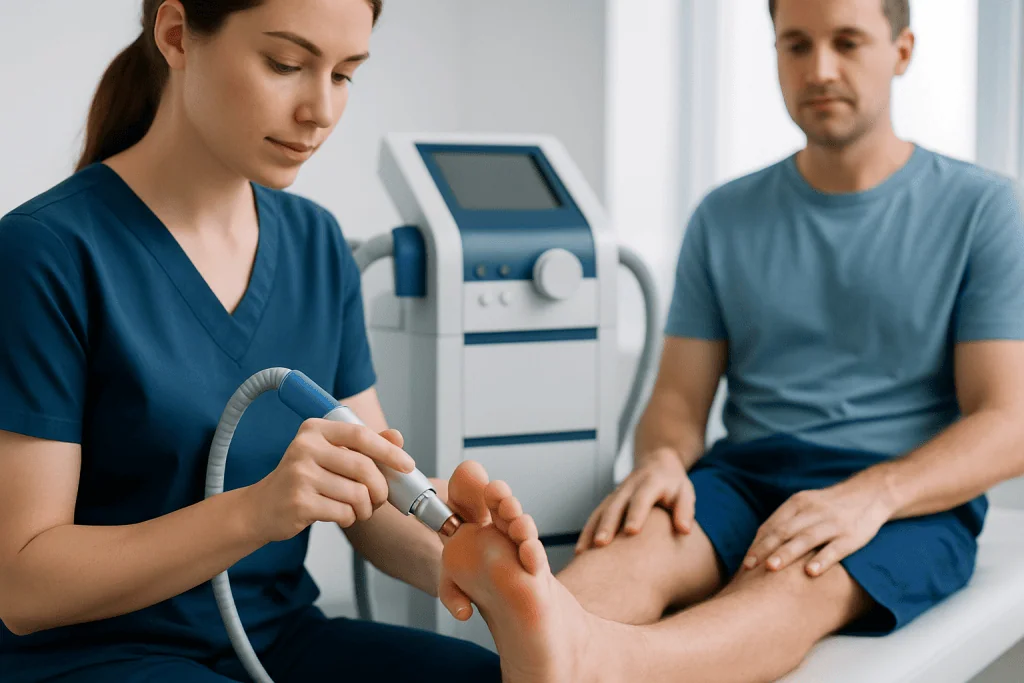
A corn is typically smaller and more sharply defined than a callus. It may have a firm central core and can feel tender or painful when direct pressure is applied. Hard corns often form on the tops or sides of toes, while soft corns may occur in the moist space between toes, especially between the fourth and fifth toes.
Common symptoms include a rough or thickened patch of skin, local tenderness while walking or wearing shoes, and a sensation that something is pressing into the toe. The surrounding skin may be dry, flaky, or mildly inflamed. Soft corns may appear whitish and rubbery because moisture between the toes keeps the tissue from becoming fully hard.
Symptoms may change with footwear. Pain that occurs mainly in narrow, pointed, high-heeled, or stiff shoes often suggests that friction or compression is contributing. However, increasing redness, warmth, swelling, drainage, or an open sore is not typical of a simple corn and should be assessed promptly.
Causes, Risk Factors, and Candidacy for Treatment
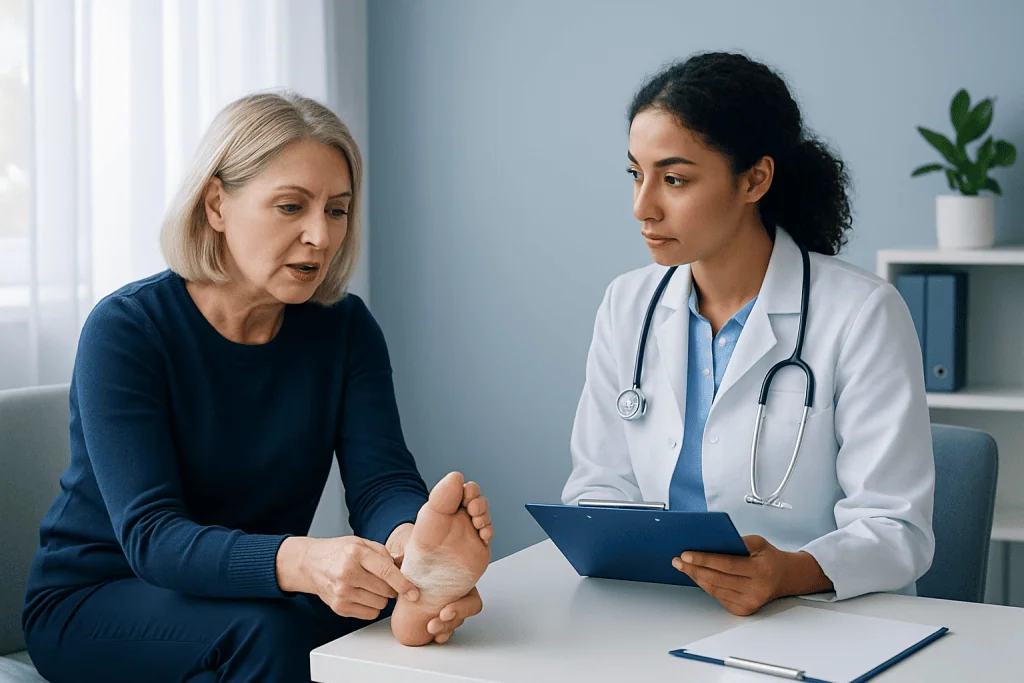
Corns develop as the skin’s protective response to repeated pressure or rubbing. Tight shoes, narrow toe boxes, loose shoes that allow the foot to slide, high heels, and shoes with prominent seams can all contribute. Activities involving frequent walking, running, or standing may make symptoms more noticeable when footwear does not fit well.
Toe alignment and foot structure can also play a role. Hammertoes, bunions, overlapping toes, and prominent joints can create focal areas of pressure. In these situations, a corn may return after it is trimmed unless the pressure is relieved with footwear adjustments, padding, orthotics, or, in selected cases, treatment of the underlying deformity.
Most people with a toe corn are candidates for conservative care. Clinician-directed treatment is especially appropriate for a corn that remains painful after footwear changes, returns repeatedly, affects walking, or has an uncertain diagnosis. People with diabetes, reduced circulation, peripheral neuropathy, kidney disease, immune suppression, or a history of foot ulcers need individualized advice before using over-the-counter corn products or attempting home removal.
- Footwear-related friction or compression
- Toe deformities or prominent joints
- Footwear that is worn out or poorly fitted
- Walking patterns that place extra pressure on one area
- Reduced sensation, which can make skin injury harder to notice
Step by Step: What Happens During Professional Treatment
A clinician begins by asking about symptoms, footwear, activity, medical conditions, and previous treatments. They inspect the skin and toe alignment, and may assess circulation and sensation in the feet. In many cases, the diagnosis can be made by examination. Imaging is not routinely needed, but an X-ray may be considered when a bone or joint problem is thought to be contributing to recurrent pressure.
When appropriate, the clinician may carefully pare down the thickened outer layer using sterile instruments. This is usually done in the office and is generally quick. Removing excess dead skin can reduce pressure on the sensitive central area and provide immediate symptom relief. The procedure should not be confused with cutting into healthy living tissue; it is performed gradually and conservatively.
The next step is prevention. The clinician may recommend a silicone toe sleeve, non-medicated corn pad, toe spacer, felt off-loading pad, or shoe modification. If there is a deformity such as a hammertoe, treatment may include an orthotic device, stretching or strengthening guidance, and referral to a foot and ankle specialist. When structural correction is being considered, orthopedic surgery evaluation can help determine whether it is appropriate.
Acid-containing medicated corn removers may be suitable for some otherwise healthy adults when used exactly as directed, but they can damage nearby healthy skin if misplaced. They should not be used without medical guidance by people with diabetes, poor circulation, neuropathy, or fragile skin.
Benefits, Risks, and Expected Results
The main benefits of corn on toe treatment are less pain, improved comfort in shoes, and easier walking. Professional paring often gives rapid relief when the corn is causing focal pressure. However, the visible hard skin may form again over weeks or months if the same source of friction continues.
Conservative treatment has relatively low risk when it is matched to the individual’s health status. Padding or toe separators can occasionally cause irritation if they are too tight, incorrectly placed, or used in shoes with limited space. Medicated products containing salicylic acid can cause chemical burns or skin breakdown, particularly in people with reduced sensation or circulation.
Professional trimming also carries small risks, including temporary tenderness, minor bleeding, or skin injury, although these are less likely when performed by a trained clinician. Infection is uncommon but requires medical care if it develops. Treating the underlying pressure pattern is the most important factor in reducing recurrence.
When recurrent corns are connected to toe deformity, clinicians may discuss whether non-surgical options are sufficient or whether correction of the structural cause may be reasonable. Decisions are individualized and depend on symptoms, function, overall health, and the likelihood that a procedure would meaningfully improve pressure distribution.
Recovery Timeline and Self-Care After Treatment
After professional paring, many people can return to usual daily activities immediately. The treated area may feel more comfortable the same day, though it can be mildly sensitive for a short time if the corn was deep or inflamed. Comfortable, well-fitting shoes and protective padding should be used as advised.
At home, the skin can be cared for with regular washing and thorough drying, particularly between the toes. Moisturizer can help dry, thickened skin on the tops and sides of the feet, but it is usually best not to leave excess moisturizer between toes because persistent moisture can soften the skin too much. A clinician may advise gentle use of a pumice stone only for people without diabetes, neuropathy, or circulation concerns and only on intact skin.
A helpful footwear check includes measuring both feet, choosing shoes with enough length and a roomy toe box, and trying shoes on later in the day when feet may be slightly larger. Socks should be smooth, clean, and comfortable without seams that rub the affected toe. Replace worn shoes when the lining, cushioning, or shape no longer supports the foot properly.
If symptoms recur quickly, it is useful to bring commonly worn shoes to the appointment. The pattern of wear and the areas of shoe contact can help identify why pressure is returning. Acibadem International’s multidisciplinary specialists and JCI-accredited hospitals can assess recurrent foot concerns and coordinate care for international patients when needed.
When to Seek Medical Care
Medical assessment is recommended when a toe lesion is very painful, keeps returning, interferes with walking, or does not improve after reducing friction and improving footwear. A clinician should also examine any lesion that is bleeding, changing in appearance, or not clearly a corn.
People with diabetes, peripheral artery disease, neuropathy, poor circulation, immune suppression, or prior foot ulcers should seek professional foot care rather than trying to cut, shave, or dissolve a corn at home. Even a small skin injury can be harder to heal in these circumstances. Diabetes-related foot concerns may require coordinated care, including diabetes management and regular foot examinations.
Urgent medical advice is appropriate if there is spreading redness, warmth, swelling, pus, fever, a foul smell, a deep crack, an ulcer, or a darkened area of skin. These signs may indicate infection or tissue injury rather than a routine corn and should not be treated with over-the-counter products alone.
Frequently asked questions
Can a corn on the toe go away on its own?
A corn may gradually improve when the repeated friction or pressure is removed, such as by switching to better-fitting shoes and using appropriate cushioning. The hard skin can persist, however, particularly if toe shape or walking mechanics continue to create pressure. A clinician can safely reduce a persistent corn and help identify the cause.
Is it safe to remove a toe corn at home?
People should not cut or shave a corn themselves, as this can cause bleeding, infection, or deeper skin injury. Over-the-counter salicylic acid products may be appropriate for some healthy adults when used carefully, but they are not suitable for everyone. People with diabetes, poor circulation, neuropathy, or fragile skin should seek medical advice first.
How long does corn on toe treatment take to work?
Pressure relief from shoe changes or padding may begin helping within days, while professional paring can relieve pressure immediately. The longer-term result depends on whether the friction source is corrected. Corns may recur if the same shoes, toe deformity, or pressure pattern remains.
What is the difference between a corn and a callus?
A corn is usually smaller, more localized, and may have a hard central core that hurts with direct pressure. A callus is generally a broader area of thickened skin caused by repeated friction or weight-bearing. Both can improve when the source of pressure is reduced.
Why does my corn hurt more in certain shoes?
Narrow, pointed, stiff, or high-heeled shoes can concentrate pressure on the toes and rub against a corn. Shoes that are too loose may also allow the foot to slide and create friction. A wider toe box and adequate depth often improve comfort.
Will surgery be needed for a recurring toe corn?
Most recurrent corns can be managed without surgery through footwear changes, padding, orthotics, and periodic professional care. Surgery may be discussed when a significant toe or bone deformity causes ongoing pain and conservative options have not been effective. A foot and ankle specialist can explain the potential benefits and risks for the individual situation.
References
- American Academy of Dermatology Association
- American Podiatric Medical Association
- Mayo Clinic
- National Institute of Diabetes and Digestive and Kidney Diseases
This article is for general information only and is not a substitute for professional medical advice. Please consult a qualified doctor about your individual situation.
Joint and spine care in Turkey — expert assessment & treatment
JCI-accredited · board-certified surgeons · reply within 24h

More from the Health Library



Related Specialists

Dr. Mustafa Mutlu
Inpatient Clinic Physicians Clinical Service
Dr. Alihan Özcan
Gynecology & Obstetrics
Dr. Lala Aslanova
Gynecology & Obstetrics
Prof. Dr. Berrin Karadağ
Internal Medicine