Debulking Surgery: Procedure, Recovery and Results

The purpose of debulking surgery is to reduce the amount of tumor or excess tissue while protecting important organs and function. The exact operation, incision, hospital stay, and recovery depend on the body area, underlying condition, and extent of surgery.
Key Takeaways
- The purpose of debulking surgery is to reduce the amount of tumor or excess tissue while protecting important organs and function.
- The exact operation, incision, hospital stay, and recovery depend on the body area, underlying condition, and extent of surgery.
- For ovarian cancer, achieving little or no visible remaining tumor is associated with better outcomes when it can be done safely.
- Recovery commonly involves pain control, wound care, gradual activity, nutrition support, and follow-up with the treating team.
- Debulking surgery has meaningful potential benefits but also carries surgical risks that should be discussed individually.
Debulking surgery is an operation that removes as much disease or excess tissue as possible when complete removal is not safe, practical, or beneficial. It is most often discussed in cancer care, especially ovarian cancer, but can also describe contouring procedures after reconstructive flap surgery or treatment for persistent limb swelling.
Overview: What Is Debulking Surgery?
Debulking surgery, also called cytoreductive surgery, is an operation to remove as much visible tumor or excess tissue as safely possible. It may be used when removing every affected cell is not feasible, when reducing the amount of disease can help other treatments work better, or when bulky tissue is causing symptoms such as pressure, pain, swelling, or reduced movement.
The term is used most commonly in cancer care. In ovarian cancer, surgeons may remove tumors from the ovaries and other areas of the abdomen or pelvis as part of a carefully planned treatment approach. The word can also be used in reconstructive and lymphatic surgery, such as a debulking procedure after flap reconstruction or surgery for severe, long-standing limb enlargement.
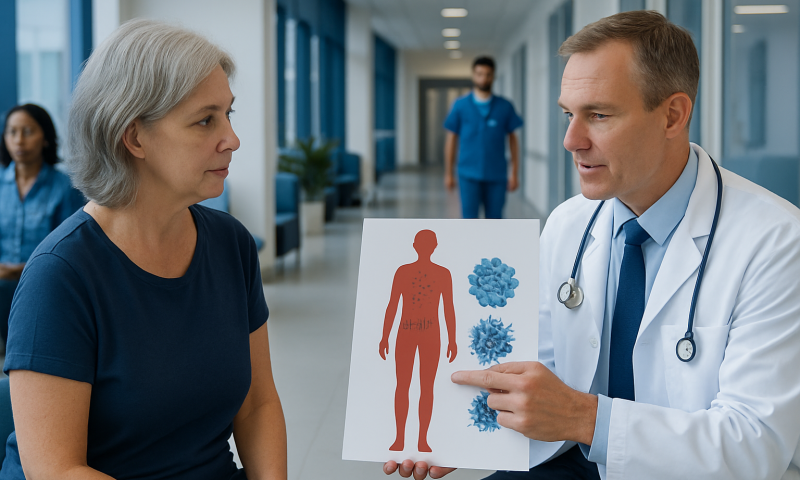
Debulking is not one standard operation. It is tailored to the diagnosis, location and spread of disease, prior treatments, overall health, and the person’s goals of care. The surgical team explains what they expect to remove, what findings might change the plan during surgery, and whether further treatment may be recommended afterward.
How Debulking Surgery Works and Who May Be a Candidate
The central goal is to leave behind as little visible disease or problematic tissue as possible without causing unacceptable harm. In cancer surgery, this may reduce the number of cancer cells remaining for chemotherapy or other systemic treatments to address. In reconstructive settings, removing excess bulky tissue may improve comfort, clothing fit, mobility, hygiene, or the shape of a reconstructed area.
Candidacy is determined by a multidisciplinary assessment. Clinicians consider imaging findings, biopsy results when available, the likely origin and extent of disease, previous operations, nutritional status, heart and lung health, and whether a person can safely recover from a major procedure. For some cancers, chemotherapy may be given before surgery; this is sometimes called interval debulking surgery.
Not everyone benefits from an extensive operation. If disease cannot be reduced safely, if surgery is unlikely to improve symptoms or treatment options, or if health risks are too high, the team may recommend systemic therapy, symptom-focused care, or another procedure first. Shared decision-making helps align the treatment plan with the person’s preferences and medical needs.
- Primary debulking: surgery performed early in the treatment plan.
- Interval debulking: surgery performed after initial chemotherapy in selected situations.
- Secondary or recurrent-disease surgery: considered in carefully selected people when cancer returns.
Step by Step: What Happens During the Procedure?
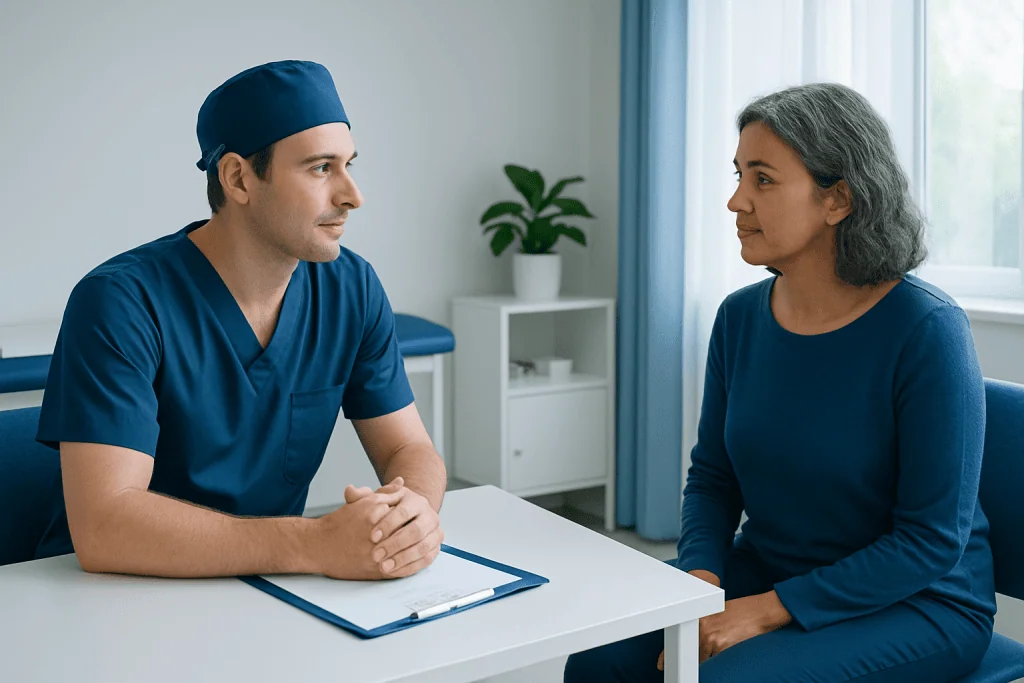
Before surgery, patients usually have blood tests, imaging, an anesthesia assessment, and discussions about medications, fasting, and expected recovery. Depending on the operation, the team may also discuss possible blood transfusion, bowel preparation, temporary drainage tubes, or the small possibility of a stoma if part of the bowel must be removed.
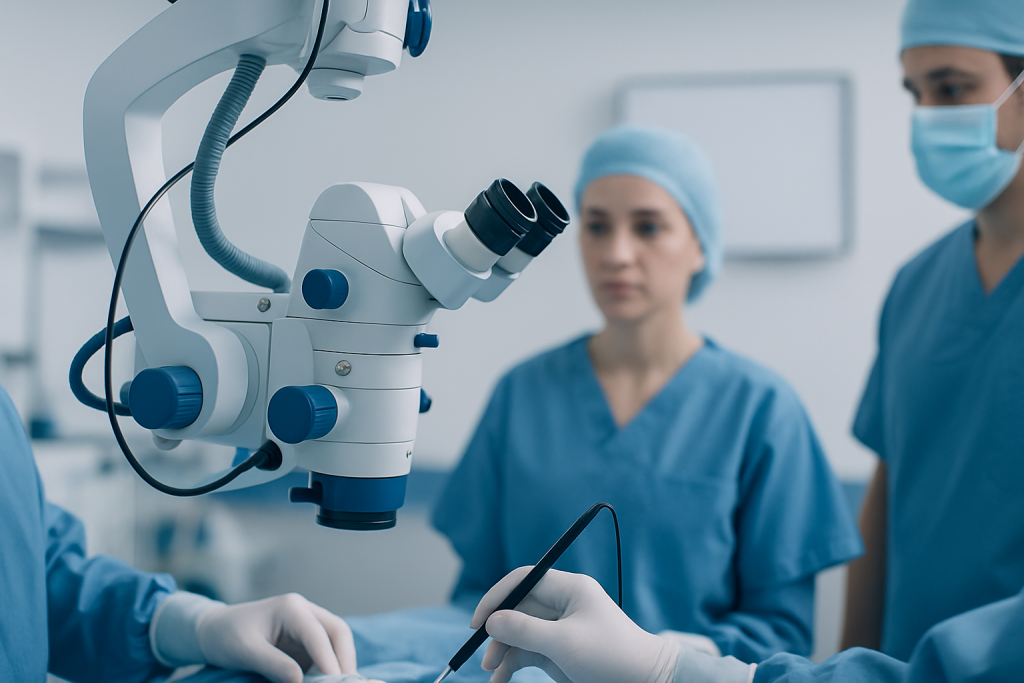
Most cancer debulking operations are performed under general anesthesia. The surgeon makes an incision that provides safe access to the affected area; for abdominal and pelvic cancer surgery, this is often a vertical abdominal incision. The length and location of a debulking surgery incision depend on the extent of disease and the structures that need to be assessed or treated.
During the procedure, surgeons inspect the relevant organs and tissues, remove visible tumor or excess tissue where possible, and may take samples for pathology. In ovarian cancer, this can involve the ovaries, fallopian tubes, uterus, omentum, lymph nodes, or sections of tissue affected by disease. If tumor involves the bowel, bladder surface, diaphragm, spleen, or other structures, additional specialist surgeons may be involved.
For non-cancer procedures, such as a debulking surgery leg operation for severe lymphedema or excess tissue after reconstruction, the approach is different. The surgeon removes or reshapes tissue while preserving blood supply, lymphatic drainage, skin viability, and limb function. The final scope is based on what can be done safely in that individual operation.
Benefits, Limits and Risks of Debulking Surgery
A potential benefit of debulking is a lower volume of disease or tissue. In cancer care, this can improve the effectiveness of subsequent treatment and may relieve symptoms caused by tumor pressure, obstruction, fluid buildup, or bleeding. In reconstructive surgery, debulking can reduce heaviness and improve movement, comfort, and daily function.
However, debulking surgery does not always mean that all disease has been cured. Microscopic cancer cells may remain even when no tumor can be seen during the operation, which is why chemotherapy, targeted therapy, radiation therapy, or ongoing surveillance may be part of the care plan. Results depend on the diagnosis, stage, tumor biology, completeness of cytoreduction, response to other treatment, and overall health.
Risks vary with the operation but can include bleeding, infection, blood clots, anesthesia reactions, wound problems, pain, scar formation, fluid collections, and injury to nearby organs. Major abdominal procedures may also involve bowel leakage or blockage, urinary problems, pneumonia, delayed return of bowel function, or a need for another procedure. A surgeon can explain the risks most relevant to the planned operation.
Patients should ask what the intended benefit is, what alternatives are available, and what changes in the surgical plan might be needed if unexpected findings arise. Understanding these points can make consent and recovery planning more manageable.
How Long Is Recovery After Debulking?
Debulking surgery recovery varies considerably. After a major abdominal cancer operation, hospitalization may last several days, followed by several weeks of healing at home. Many people need around six to eight weeks before resuming most usual activities, although fatigue and reduced stamina can last longer, particularly if chemotherapy is also planned.
In the first days after surgery, the care team monitors pain, breathing, circulation, bowel function, urine output, and the surgical wound. Patients are encouraged to begin gentle movement as advised, because walking and breathing exercises can support recovery and reduce the risk of complications. Eating is usually reintroduced gradually as the bowel begins functioning normally.
Recovery after a limb or flap-related debulking procedure may follow a different timeline. Swelling, bruising, compression garments, drains, activity restrictions, and wound-care needs may all influence healing. After a debulking procedure following flap reconstruction, the reconstructive surgeon will provide specific advice about protecting the flap, avoiding pressure or strain, and attending follow-up visits.
People should avoid heavy lifting, intense exercise, driving while taking sedating pain medication, and returning to work too quickly until their surgeon confirms it is appropriate. A gradual return to activity, balanced nutrition, hydration, and help at home can make the recovery period safer and more comfortable.
What to Expect After Debulking Surgery?
It is normal to have pain, tiredness, reduced appetite, and emotional ups and downs after surgery. Pain medicines are adjusted to help patients breathe deeply, walk, rest, and participate in recovery. The incision may feel tender, tight, numb, or itchy as it heals; these sensations often improve over time, although some numbness or scar sensitivity can persist.
Follow-up appointments are used to check wound healing, review pathology results, remove drains or stitches when needed, and discuss the next phase of treatment. For cancer surgery, pathology findings may clarify the cancer type, stage, and whether chemotherapy or other therapies are recommended. The care team may also refer patients to dietitians, physiotherapists, rehabilitation professionals, or psychosocial support services.
After a debulking surgery leg procedure, swelling management can be especially important. Depending on the cause of swelling and the operation performed, the team may recommend compression, elevation, skin care, guided exercise, or specialist lymphedema therapy. These measures should be individualized, particularly while incisions are healing.
Patients should contact their surgical team promptly if they have worsening rather than improving pain, fever, increasing redness or drainage from the incision, repeated vomiting, new shortness of breath, chest pain, one-sided leg swelling, inability to pass urine, or a wound that opens. These symptoms do not always indicate a serious problem, but they need timely assessment.
How Successful Is Debulking Surgery for Ovarian Cancer?
For ovarian cancer, the success of debulking surgery is not measured by one number. A key surgical aim is complete gross resection, meaning no visible tumor remains at the end of surgery, when this can be achieved safely. In general, leaving less visible disease is associated with better outcomes, but prognosis also depends on cancer stage, tumor type and biology, response to chemotherapy, and the person’s overall health.
Some patients can have surgery before chemotherapy, while others may benefit from chemotherapy first and then interval debulking. The decision is based on imaging, medical fitness, the likely ability to achieve meaningful tumor reduction, and expert review by gynecologic oncology and other specialists. The operation is only one part of a wider treatment plan.
It is important to distinguish surgical success from a guarantee of cure. Even after an excellent operation, further treatment and regular follow-up may be needed because ovarian cancer can recur. Open discussions with the oncology team can help patients understand the purpose of surgery in their own situation and what outcomes are realistic.
At Acibadem International, multidisciplinary specialists at JCI-accredited hospitals assess and treat complex conditions requiring debulking surgery for international patients, coordinating surgical, oncology, imaging, pathology, and rehabilitation care when appropriate.
How Serious Is Debulking Surgery? When to Seek Medical Care
Debulking surgery can be a serious operation, especially when it involves the abdomen, pelvis, multiple organs, or advanced cancer. Its seriousness is related to the extent of surgery, the underlying condition, the need for additional procedures, and a person’s health before surgery. Careful preoperative planning and experienced multidisciplinary support help the team balance potential benefit with surgical risk.
Before an operation, patients should seek medical advice about new or worsening symptoms such as persistent abdominal bloating, pelvic or abdominal pain, unexplained swelling, rapidly increasing limb size, changes in bowel or bladder habits, early fullness when eating, or unexplained weight change. These symptoms have many possible causes, but persistent or concerning changes deserve assessment.
After surgery, urgent medical care is appropriate for severe shortness of breath, chest pain, fainting, uncontrolled bleeding, severe abdominal pain, confusion, or signs of a serious allergic reaction. Patients should also contact the surgical team promptly for fever, worsening wound redness, pus-like drainage, persistent vomiting, or new leg pain and swelling. Early communication allows complications to be assessed and treated without delay.
Frequently asked questions
What is the main purpose of debulking surgery?
The main purpose is to remove as much visible tumor or excess tissue as safely possible. This may improve symptoms, make further treatment more effective, or improve function and comfort. The goal differs depending on the underlying diagnosis.
How long is recovery after debulking surgery?
Recovery depends on the type and extent of operation. Major abdominal debulking surgery often requires several days in hospital and about six to eight weeks for much of the initial recovery. Energy levels may take longer to return, especially if further cancer treatment is needed.
How serious is debulking surgery?
It can be a major operation, particularly when surgeons need to treat disease across the abdomen or pelvis or operate on more than one organ. Risks and recovery needs vary from person to person. The surgical team assesses health status and expected benefit before recommending it.
What should a patient expect after debulking surgery?
Patients can expect pain management, monitoring in hospital, gradual return to eating and walking, and ongoing incision care. Tiredness, appetite changes, and temporary bowel changes are common after major abdominal surgery. Follow-up visits review healing and the need for additional treatment.
How successful is debulking surgery for ovarian cancer?
For ovarian cancer, the best surgical outcome is often no visible tumor remaining when this is safe to achieve. Lower amounts of remaining visible disease are generally associated with better outcomes. However, success also depends on cancer stage, biology, chemotherapy response, and other individual factors.
Will a patient need chemotherapy after debulking surgery?
Many people having debulking surgery for cancer will also need chemotherapy or another systemic treatment, but the plan depends on the cancer type, stage, pathology results, and previous treatment. In some cases, chemotherapy is given before surgery as well. The oncology team will explain the recommended sequence of care.
References
- National Cancer Institute
- American Cancer Society
- Society of Gynecologic Oncology
- National Health Service
- American College of Surgeons
This article is for general information only and is not a substitute for professional medical advice. Please consult a qualified doctor about your individual situation.
Oncology care in Turkey — second opinion and treatment plan
JCI-accredited · board-certified surgeons · reply within 24h