

Chocolate and Radiation: How It Works, Results and What to Expect

Chocolate does not interfere with radiation therapy, but individual symptoms can affect whether it is comfortable to eat. Smooth, mild-flavoured chocolate may be easier to tolerate than very dark, bitter or nut-filled varieties when taste or mouth sensitivity changes.
Key Takeaways
- Chocolate does not interfere with radiation therapy, but individual symptoms can affect whether it is comfortable to eat.
- Smooth, mild-flavoured chocolate may be easier to tolerate than very dark, bitter or nut-filled varieties when taste or mouth sensitivity changes.
- Radiation works gradually; some effects begin during treatment, while tumor shrinkage and symptom improvement may take weeks to months.
- Hydration, adequate calories and protein are usually more important than avoiding specific foods unless the care team advises otherwise.
- New or worsening swallowing problems, dehydration, fever, severe pain or inability to eat should be discussed with the oncology team promptly.
Chocolate is not known to reduce the effectiveness of radiation therapy. For many people, a small amount of chocolate can be enjoyed during treatment if it feels comfortable, fits their nutritional needs and does not worsen symptoms such as mouth soreness, nausea, reflux or diarrhea.
Chocolate and radiation: the practical answer
Chocolate and radiation therapy can usually go together: chocolate is not known to make radiation less effective or to interfere with how radiation damages cancer cells. Whether it is a good choice during treatment depends mainly on the person’s symptoms, the body area being treated, other medical conditions and the dietary guidance from their oncology team.
Some people find chocolate comforting or helpful when foods taste different. Others find its sweetness, bitterness, texture or fat content unpleasant during treatment. The most useful approach is flexible: choose foods that provide nourishment and are comfortable to eat, rather than following broad food restrictions that have not been recommended by a clinician.
This article explains what may be happening when chocolate tastes different during radiation, how radiation treatment works, what to expect over time, and when professional medical advice is important.
How radiation therapy works and when results appear
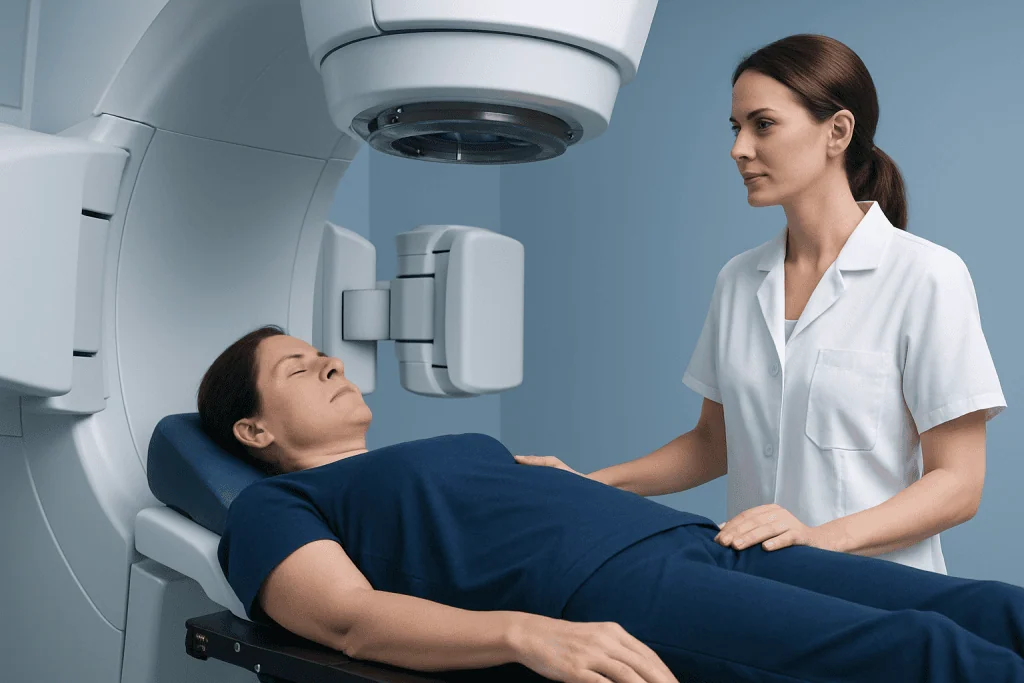
Radiation therapy uses carefully planned high-energy radiation to damage the DNA of cancer cells. Cancer cells are generally less able than healthy cells to repair this damage, so they may stop dividing and gradually die. Treatment planning aims to direct radiation at the cancer while limiting exposure to nearby healthy tissue as much as possible.
External-beam radiation is the most common form. Before treatment begins, the radiation oncology team performs planning scans and may make a positioning device or marks to help reproduce the same treatment position each day. Some cancers are treated with radiation delivered from a source placed inside or close to the body; this is called brachytherapy.
Radiation may be used alone, after surgery, before surgery, or alongside systemic treatments such as chemotherapy, targeted therapy or immunotherapy. The timing, number of sessions and expected response depend on the cancer type, stage, location, treatment goal and the person’s overall health.
How long does it take for radiation to start working?
Radiation begins causing cellular damage from the first treatment, but visible tumor shrinkage or symptom relief is not always immediate. Some people notice improvement during the treatment course, while others need several weeks or months after it ends for the full effect to become clear. Temporary inflammation and swelling can occasionally make symptoms feel unchanged or worse before improvement occurs, so follow-up assessments are important.
Who may need extra care with chocolate during radiation

There is no universal “radiation diet,” and chocolate is not automatically restricted. However, food choices often need to be adjusted when radiation affects areas involved in eating or digestion. Radiation to the head and neck can cause dry mouth, altered taste, mouth sores and pain with swallowing. Radiation to the chest may make swallowing uncomfortable, while treatment to the abdomen or pelvis can contribute to nausea, cramps or diarrhea.
Chocolate may be less comfortable if it feels gritty, sticks to a dry mouth, worsens heartburn, causes nausea or aggravates diarrhea. Chocolate-containing drinks can also be high in sugar, and some products contain caffeine. People with diabetes, reflux, lactose intolerance, kidney disease or a medically prescribed diet should ask their care team or oncology dietitian what fits their individual plan.
For someone who is losing weight or struggling to meet calorie needs, a dietitian may suggest energy-dense foods, including suitable chocolate-containing foods, as part of a wider nutrition strategy. Conversely, when mouth sores are present, cool and smooth foods may be better tolerated than rough, crunchy or intensely flavoured foods. The goal is to maintain hydration and nourishment while minimizing discomfort.
- Choose a small portion first and notice how it feels.
- Consider smooth, plain chocolate rather than products with nuts, crisp pieces or sticky fillings if the mouth is sore.
- Pair foods with water, milk or another tolerated drink if dry mouth is a concern.
- Follow any food-safety instructions from the oncology team, especially if blood counts are low.
What chocolate, juice and taste changes may mean during treatment
Which type of chocolate is best for cancer patients?
There is no single best type of chocolate for all cancer patients. The best choice is one that is safe within the person’s care plan, tolerated comfortably and does not replace more nourishing foods when appetite is limited. Plain milk chocolate may taste less bitter than dark chocolate for some people, while others prefer dark chocolate because it is less sweet. If mouth soreness or dry mouth is present, smooth chocolate without nuts, hard pieces or sharp fragments may be easier to manage.
Dark chocolate contains cocoa flavanols, but it should not be considered a cancer treatment or a substitute for prescribed care. Chocolate may contain substantial sugar and fat, and it can trigger reflux or nausea in some people. A registered dietitian can help tailor snacks to appetite, weight changes, blood sugar needs and treatment-related symptoms.
What is the best juice to drink while on radiation treatment?
There is no one juice that is best for every person receiving radiation. Water and other non-irritating fluids are often the most dependable ways to support hydration. If juice is appealing and tolerated, pasteurized juice can be used in moderation; diluting it with water may reduce sweetness and acidity.
People with mouth sores, throat irritation or reflux may find acidic juices, such as orange, grapefruit, lemon or tomato juice, uncomfortable. Those with diarrhea may need to limit very sweet drinks because they can worsen symptoms. Grapefruit and some other citrus products can interact with certain medicines, so the oncology pharmacist or doctor should be asked before making it a regular choice.
What taste comes back first after radiation?
Taste recovery does not follow the same pattern for everyone. Sweet, salty, sour, bitter and savoury tastes can change differently, and the order in which they return is unpredictable. Some people notice sweet tastes first, while others recover salty or savoury perception earlier.
Taste changes are particularly common after radiation involving the mouth, throat or salivary glands. Recovery may begin within weeks after treatment, but it can take months, and dry mouth can prolong the problem. Regular mouth care, good hydration and guidance from the treatment team can support comfort while taste is changing.
What to expect during the treatment course and recovery
A radiation appointment itself is usually painless. For external-beam radiation, the person lies in the planned position while the treatment machine moves around them. The radiation therapists operate the machine from a nearby control area but can see and communicate with the patient. Each visit may take several minutes, although planning and positioning can take longer than the radiation delivery.
Side effects vary according to the treatment site, dose, schedule and whether other cancer therapies are being used. Fatigue is common and may build gradually. Skin in the treated area can become dry, sensitive or darker in color. Site-specific effects can include mouth or throat symptoms, cough, urinary changes, bowel changes, nausea or sexual health concerns.
Many side effects improve in the weeks after treatment ends, but some take longer and a small number may persist or develop later. The oncology team explains likely effects before treatment and monitors for problems throughout the course. Keeping a simple record of appetite, fluids, bowel habits, pain, skin changes and energy can help the team offer timely support.
Recovery is not a test of endurance. Rest, gentle activity when appropriate, balanced meals and symptom management are all meaningful parts of care. If eating becomes difficult, early input from a dietitian, speech and swallowing specialist, nurse or doctor can help prevent dehydration and unintended weight loss.
Benefits, limitations and possible risks of radiation therapy
Radiation can be used with curative intent, to reduce the risk of cancer returning after another treatment, or to relieve symptoms caused by cancer. For example, it may reduce pain, bleeding, pressure or obstruction in selected situations. Its potential benefits are assessed against the likely short- and long-term effects for each individual.
Radiation affects healthy tissue in the treatment field as well as cancer cells, which is why side effects can occur. Modern planning techniques and image guidance help improve precision, but they cannot remove all risk. The exact risks depend greatly on the body area treated; the radiation oncologist is the best source of personalized information.
Possible longer-term effects can include ongoing skin changes, tissue stiffness, changes in organ function, fertility concerns or, rarely, a new cancer in the treated area years later. These risks are considered during planning, and follow-up care is designed to identify and manage late effects. Patients should feel comfortable asking why radiation is recommended, what alternatives exist and what results are realistic in their situation.
Self-care and when to seek medical care
During radiation, the safest self-care plan is one agreed with the oncology team. This often includes drinking regularly, eating small frequent meals if appetite is low, using recommended skin-care products only, protecting treated skin from sun exposure and allowing time for rest. New supplements, herbal products and restrictive diets should be discussed with the care team because they may not be appropriate for every treatment plan.
For food-related symptoms, it can help to prioritize foods that are soft, moist and calorie- or protein-rich when needed. Cooling foods may ease mouth discomfort for some people, while bland foods can be more acceptable with nausea. Chocolate can remain an occasional option if it is enjoyable and tolerated, but it does not need to be forced if taste changes make it unpleasant.
When to seek medical care
The oncology team should be contacted promptly for inability to drink enough fluids, repeated vomiting, severe or worsening pain, trouble swallowing, fever, confusion, severe diarrhea, signs of dehydration, unexpected bleeding or rapidly worsening skin reactions. Urgent medical assessment is also appropriate for sudden shortness of breath, chest pain, a severe allergic reaction or any symptom that feels immediately serious.
Acibadem International’s multidisciplinary specialists and JCI-accredited hospitals support international patients receiving cancer diagnosis and treatment, including individualized radiation therapy planning and symptom care.
Questions to discuss with the radiation oncology team
Before treatment, patients can ask what the radiation is intended to achieve, how many sessions are planned, what side effects are most likely for the specific treatment area and how the response will be monitored. It is also reasonable to ask whether other treatments will be given at the same time and how they may affect fatigue, appetite or taste.
Nutrition questions are especially useful when treatment involves the head, neck, chest, abdomen or pelvis. A patient may ask which foods are likely to be easiest to tolerate, whether they need a dietitian referral, how to manage dry mouth or diarrhea, and whether any drinks, supplements or medications should be avoided.
Clear communication helps the care team adjust supportive treatments early. There is no need to wait until symptoms become severe before mentioning reduced appetite, altered taste or concern about food choices such as chocolate.
Frequently asked questions
Can chocolate interfere with radiation therapy?
Chocolate is not known to interfere with radiation therapy or make it less effective. It may be included in moderation if it is comfortable to eat and fits the person’s medical and nutrition plan. The oncology team may recommend adjustments if symptoms or conditions such as diabetes, reflux or diarrhea are present.
Can radiation therapy cause a metallic taste?
Yes. Taste changes, including metallic, bitter or reduced taste, can occur during cancer treatment, particularly when radiation involves the head and neck area. Some medicines and dry mouth can also contribute. The care team can suggest mouth-care measures and nutrition support if taste changes affect eating.
Should people avoid dark chocolate during cancer treatment?
Most people do not need to avoid dark chocolate solely because they are having cancer treatment. However, its bitterness, caffeine content and texture may be less tolerable for some people, especially with nausea, reflux, mouth sores or altered taste. Individual symptoms and medical advice should guide the choice.
When do radiation side effects begin?
Some effects may develop during the first days or weeks of treatment, while others build gradually over the course. The timing depends on the body area treated and the treatment plan. Certain effects can continue briefly after treatment ends before they begin to improve.
Will taste return to normal after radiation?
Taste often improves after radiation, but the timing and degree of recovery vary. Many people notice gradual improvement over weeks to months, particularly after head and neck treatment. Persistent taste changes or dry mouth should be discussed with the oncology team because supportive care may help.
Is juice safe during radiation therapy?
Pasteurized juice is generally safe for many people when consumed as part of an overall nutrition plan, but it is not required. Acidic or very sweet juices can worsen mouth soreness, reflux or diarrhea in some people, and grapefruit may interact with certain medicines. Water and other tolerated fluids are often preferable for regular hydration.
References
- National Cancer Institute
- American Cancer Society
- American Society for Radiation Oncology
- National Health Service
- Academy of Nutrition and Dietetics
This article is for general information only and is not a substitute for professional medical advice. Please consult a qualified doctor about your individual situation.
Persistent digestive symptoms? Get evaluated in Turkey
JCI-accredited · board-certified surgeons · reply within 24h
Check your numbers in seconds
BMI, calories, due date, blood pressure and 30+ more clinical calculators — free, instant, doctor-reviewed ranges.

More from the Health Library


Related Specialists

Prof. Dr. Hayati Özkan
Cardiovascular Surgery
Dr. Burcu Duran Tak
Acibadem Life Clinical Service
Dr. Sibel Uysal
Gynecology & Obstetrics
Dr. Emre Sahillioğlu
Anesthesiology