Chemotherapy Precautions for Family Members at Home: How It Works, Results and What to Expect

Cancer and chemotherapy are not contagious, so family members can usually hug, talk with, and share living spaces with a person receiving treatment. Extra precautions mainly apply when handling body fluids, contaminated laundry, medical devices, or chemotherapy tablets at home.
Key Takeaways
- Cancer and chemotherapy are not contagious, so family members can usually hug, talk with, and share living spaces with a person receiving treatment.
- Extra precautions mainly apply when handling body fluids, contaminated laundry, medical devices, or chemotherapy tablets at home.
- The duration of precautions varies by medicine, dose, and treatment method; the oncology team should provide the person’s specific timeframe.
- Pregnant people, those trying to conceive, children, and people with weakened immune systems should discuss caregiving tasks with the oncology team.
- Accidental low-level household contact is unlikely to cause harm, but direct skin, eye, or mouth exposure should be washed promptly and reported for advice.
Chemotherapy precautions for family members at home are usually simple and temporary: chemotherapy itself is not contagious, but small amounts of medicine can leave the body in urine, stool, vomit, sweat, semen, vaginal fluids, or blood for a period advised by the oncology team. Careful hand hygiene, gloves for body-fluid cleanup, and following individual treatment instructions help protect household members while allowing close, supportive contact.
Overview: chemotherapy precautions for family members at home
Chemotherapy precautions for family members at home focus on preventing unnecessary contact with chemotherapy medicines and the body fluids that may contain small amounts of those medicines after treatment. Chemotherapy is not infectious. A person cannot pass cancer or chemotherapy to another person through touch, breathing the same air, sharing a meal, hugging, kissing on intact skin, or sitting together.
Some chemotherapy drugs leave the body through urine, stool, vomit, blood, sweat, semen, and vaginal fluids. For a limited period, often the first 48 hours but sometimes longer, family members may need to use gloves when cleaning body fluids, wash hands carefully, and follow instructions for laundry, toilets, and waste. The exact plan depends on the medicines used, whether treatment is intravenous, oral, injected, or delivered by a pump, and the patient’s health needs.
These measures are practical safeguards, not a reason to isolate someone during treatment. Maintaining everyday connection, emotional support, rest, nutrition, and a clean home environment can all be important parts of coping with cancer care. The oncology team is the best source for individualized instructions before each treatment cycle.
How chemotherapy works and why home precautions may be needed
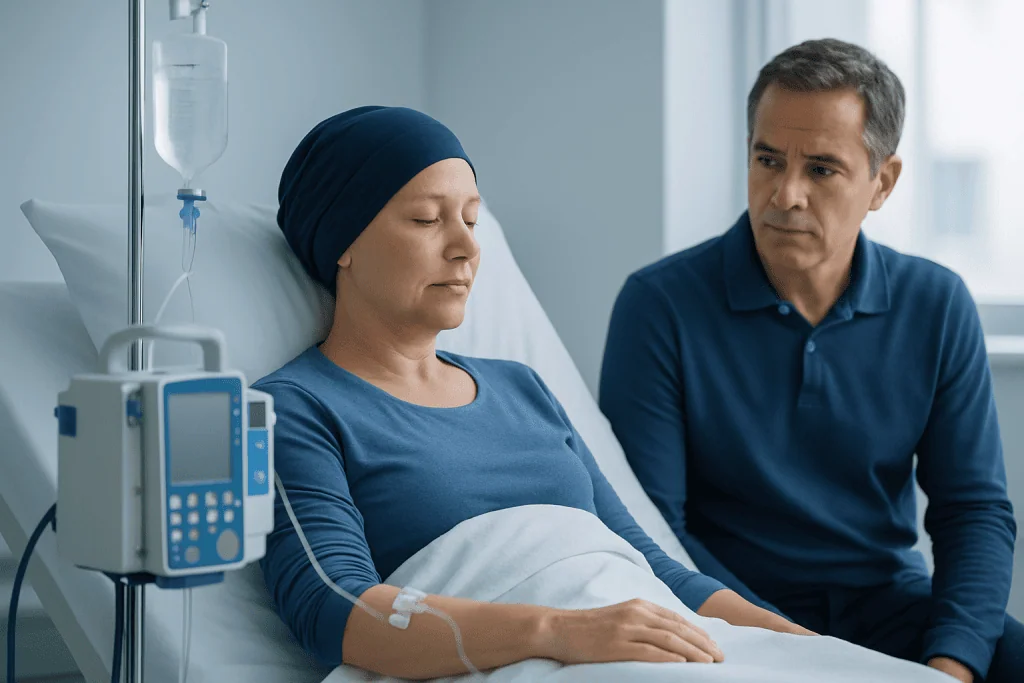
Chemotherapy uses medicines that damage or stop the growth of rapidly dividing cells. Cancer cells often divide more quickly than many normal cells, but some healthy tissues are also affected. This is why treatment can cause side effects such as fatigue, nausea, mouth soreness, bowel changes, hair loss, or low blood counts, depending on the regimen.
After chemotherapy is given, the body processes and removes the medicines over time. A small amount of some drugs or their breakdown products can be present in body fluids. Home precautions reduce the chance that another person touches, inhales, swallows, or gets these materials into their eyes. They are particularly important during cleanup after vomiting, diarrhea, urinary leakage, or a toileting accident.
Modern cancer care includes many approaches, and not every medicine has the same handling requirements. Some people receive chemotherapy as part of a broader plan that may include chemotherapy treatment, surgery, radiation therapy, targeted therapy, immunotherapy, or hormone therapy. The treating team can explain which precautions apply and for how long after each dose.
Who needs a household safety plan and what to prepare
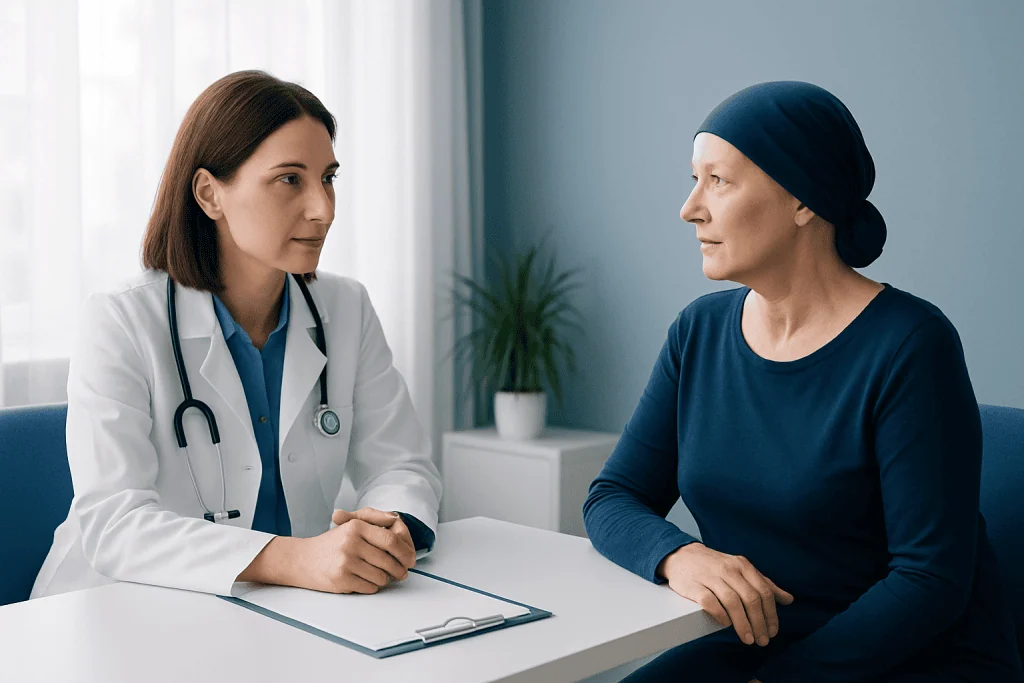
Anyone receiving chemotherapy should be given written or verbal guidance for home care, especially when treatment is administered regularly, involves oral chemotherapy tablets, or is followed by symptoms such as vomiting, diarrhea, incontinence, or heavy sweating. A household safety plan is also useful for people who use an infusion pump at home or have devices such as central venous catheters, drains, or ostomies.
Family members who are pregnant, breastfeeding, trying to become pregnant, or who may be pregnant should tell the oncology team before taking on caregiving duties involving body fluids or chemotherapy medicines. The same applies to children and people with a weakened immune system. They can often remain close to the patient, but another adult may be asked to handle specific cleanup or medication tasks when possible.
Before treatment begins, it can help to keep a small supply of disposable gloves, absorbent paper towels, household detergent, a designated container or bag for soiled materials, and the cancer center’s contact details. Families should ask whether medicines, waste, sharps, ostomy supplies, or contaminated laundry need special disposal. Instructions from the treating center always take priority over general guidance.
- Keep chemotherapy tablets and medicines in their original labeled containers.
- Do not crush, split, or handle tablets unless the pharmacist or oncology team has specifically instructed this.
- Keep medicines away from children, visitors, and pets.
- Know whom to call if a pump leaks, disconnects, alarms, or appears damaged.
A practical step-by-step routine after a chemotherapy session
After treatment, the person receiving chemotherapy can normally travel home, rest, eat as tolerated, and spend time with family. The first day may include fatigue, nausea, or anxiety, while some side effects begin later. The person should follow the treatment team’s instructions for anti-nausea medicines, hydration, activity, food safety, and monitoring symptoms.
For the period specified by the oncology team, family members should wear disposable gloves when handling urine, stool, vomit, blood, soiled incontinence products, ostomy output, or contaminated linens. Hands should be washed with soap and water after removing gloves. If possible, the toilet should be flushed twice with the lid down. Any urine splashes or other visible contamination should be cleaned promptly using the cleaning method recommended by the cancer center.
Soiled clothing or bedding can usually be washed separately from other laundry using regular detergent and the warmest appropriate water setting. It should be handled with gloves if visibly contaminated and washed promptly. If an item cannot be laundered immediately, it may be placed in a sealed bag or container according to the oncology team’s advice.
Sexual activity is often possible during chemotherapy if the patient feels well enough and their clinician has not advised otherwise. However, clinicians commonly recommend barrier protection because chemotherapy medicines may be present in semen or vaginal fluids. Pregnancy should generally be avoided during chemotherapy unless the oncology team and reproductive specialists have discussed a specific plan.
Can you get sick from being around someone on chemo?
No. Being around someone on chemotherapy does not make another person sick from the treatment, and cancer is not contagious. Family members can provide affection and practical support, including hugging, holding hands, eating together, and sharing normal conversation. Regular social connection can be valuable when a person is managing the physical and emotional effects of treatment.
The main exception is direct exposure to chemotherapy medicine or body fluids containing trace amounts of it. This is why gloves and careful cleaning are advised for certain tasks during the recommended precaution period. Casual contact, such as touching a doorknob, sitting on the same sofa, or sleeping in the same home, is not considered chemotherapy exposure.
It is also helpful to remember that chemotherapy may lower the patient’s infection-fighting white blood cell count. In that situation, the greater concern may be protecting the patient from infections carried by others. Visitors and household members should wash their hands, avoid close contact when they have fever, vomiting, diarrhea, cough, or other infectious symptoms, and follow the oncology team’s advice about masks or visitor restrictions.
What should I avoid doing during chemotherapy?
Family members should avoid handling chemotherapy drugs with bare hands, sharing oral chemotherapy medicines, or altering tablets or capsules without professional guidance. They should also avoid direct contact with the patient’s urine, stool, vomit, blood, or genital fluids during the timeframe given by the oncology team. Gloves, prompt cleanup, and handwashing are usually sufficient for routine household care.
The person receiving chemotherapy should avoid taking new medicines, supplements, herbal products, or vaccines without checking with the oncology team, as interactions can occur. Alcohol, certain foods, and activities may also need adjustment depending on the treatment plan, liver and kidney function, blood counts, and symptoms. Individual instructions matter because chemotherapy regimens differ widely.
Everyone in the household should avoid exposing the patient to contagious illnesses. Good hand hygiene, food safety, and staying home when unwell can reduce infection risk. If the patient develops a low white blood cell count, the clinical team may give additional instructions about crowds, travel, dental work, pets, gardening, or food preparation.
What to do the day after chemo?
The day after chemotherapy, the patient should prioritize rest, fluids, prescribed medicines, and gentle activity as tolerated. Some people feel relatively well, while others develop tiredness, nausea, changes in appetite, constipation, diarrhea, or flu-like symptoms. Keeping a simple record of symptoms, temperature when advised, fluid intake, and medicines can help the oncology team provide timely support.
Family members can assist by preparing easy-to-tolerate foods, encouraging hydration when appropriate, helping with transport or household tasks, and watching for symptoms the cancer team has asked them to report. They should continue body-fluid precautions for the specified period, particularly if there is vomiting, diarrhea, urinary leakage, or incontinence.
There is no single recovery timeline after chemotherapy. Some side effects occur within hours or days, while lowered blood counts can develop later in the cycle. The team may schedule blood tests and follow-up visits to assess treatment response, side effects, and whether supportive care is needed. If the person has persistent or worsening symptoms, the treating oncology team should be contacted rather than waiting for the next appointment.
What happens if you are exposed to chemotherapy?
Most brief, low-level household exposures do not cause illness. If chemotherapy medicine or body fluid contacts intact skin, wash the area thoroughly with soap and water. If it enters the eyes, rinse gently with clean running water for at least 15 minutes and seek prompt advice from the oncology team, pharmacist, or local urgent medical service.
If a chemotherapy tablet is spilled, do not pick it up with bare hands. Keep children and pets away, use gloves, and follow the cancer center’s instructions for cleanup and disposal. For a spill involving an infusion pump, leaking bag, or tubing, avoid touching the medication directly, keep the area clear, and contact the oncology service immediately for instructions.
Exposure through a needle-stick injury, swallowing a chemotherapy medicine, significant skin exposure, or exposure during pregnancy should be treated as urgent and discussed promptly with a clinician or poison information service. The healthcare team may ask what medicine was involved, when the exposure happened, where it contacted the body, and what first-aid steps were taken.
When to seek medical care
The patient should contact the oncology team promptly for symptoms listed in their treatment plan, especially fever or chills, new confusion, trouble breathing, chest pain, uncontrolled vomiting, severe diarrhea, inability to keep fluids down, unusual bleeding, severe pain, or signs of dehydration. A fever during chemotherapy can sometimes be the first sign of a serious infection, so the patient should use the temperature threshold provided by their team and should not delay calling.
Family members should seek medical advice after a significant chemotherapy exposure, including medication ingestion, a needle-stick injury, eye exposure, a large spill on skin, or a pump leak. They should also call promptly if the exposed person is pregnant or may be pregnant. In an emergency, local emergency services should be contacted.
Acibadem International’s multidisciplinary specialists and JCI-accredited hospitals support international patients undergoing cancer treatment, including individualized guidance for treatment and home care. Questions about chemotherapy side effects, infection prevention, or practical household precautions are appropriate to raise at every oncology visit.
Frequently asked questions
How long should family members take precautions after chemotherapy?
The precaution period depends on the chemotherapy medicine and how it is given. Many regimens require body-fluid precautions for about 48 hours after treatment, but some medicines require a longer period. The oncology team should provide the exact timeframe for each patient.
Can family members hug or kiss someone receiving chemotherapy?
Yes, normal affectionate contact is usually safe because chemotherapy and cancer are not contagious. Hugging, holding hands, and kissing on intact skin do not expose another person to chemotherapy. Avoid contact with body fluids during the period advised by the treatment team.
Do family members need to use a separate bathroom during chemotherapy?
A separate bathroom is usually not necessary. When sharing a toilet, the patient may be asked to flush twice with the lid down, and anyone cleaning visible spills should wear gloves. The oncology team may give additional instructions for particular medicines or circumstances.
Should laundry be washed separately after chemotherapy?
Laundry that is not visibly soiled can usually be washed normally. Clothing or bedding contaminated with urine, stool, vomit, blood, or other body fluids should generally be handled with gloves and washed separately with regular detergent. Follow the instructions provided by the cancer care team for the specific regimen.
Is it safe to have sex during chemotherapy?
Sex may be safe if the patient feels well and their clinician has not advised against it. Barrier protection is commonly recommended because traces of chemotherapy medicine may be present in semen or vaginal fluids. The oncology team can also advise about fertility, pregnancy prevention, low blood counts, infection risk, and symptoms that may make sex uncomfortable.
What should a caregiver do if chemotherapy medicine spills at home?
Keep other people and pets away from the area, put on disposable gloves, and follow the cancer center’s spill instructions. Do not touch a chemotherapy tablet, liquid, pump, or tubing with bare hands. Contact the oncology team or pharmacy for specific disposal guidance, especially if a pump leaks or the spill is large.
References
- American Cancer Society
- National Cancer Institute
- Oncology Nursing Society
- Cancer Research UK
- Centers for Disease Control and Prevention
This article is for general information only and is not a substitute for professional medical advice. Please consult a qualified doctor about your individual situation.
Chemotherapy in Turkey — costs, top hospitals & a free quote
JCI-accredited · board-certified surgeons · reply within 24h

Hematology Department
17 specialists in this unitMore from the Health Library


Related Specialists

Dr. Nıloufar Poat Kısomı
Emergency Service
Dr. Ahmet Sabir Duhair
Emergency Service
Dr. Battal Altun
Internal Medicine
Assoc. Prof. Dr. Umut Kara
Anesthesiology