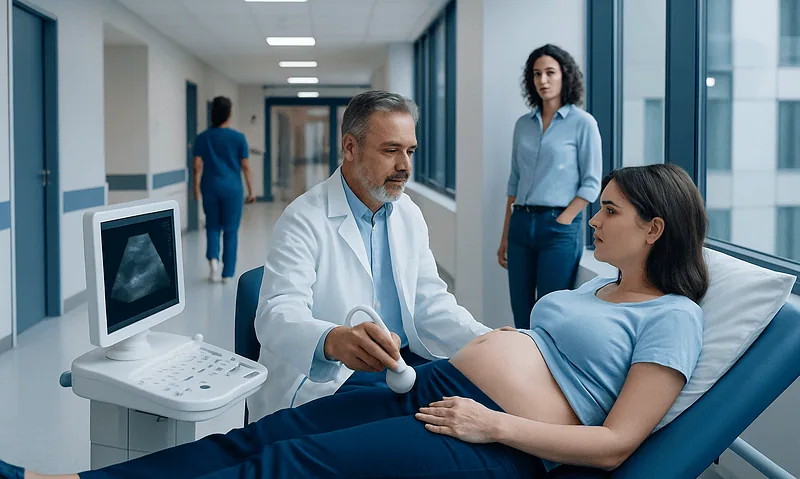
Post Acute Rehab: An Evidence-Based Patient Guide
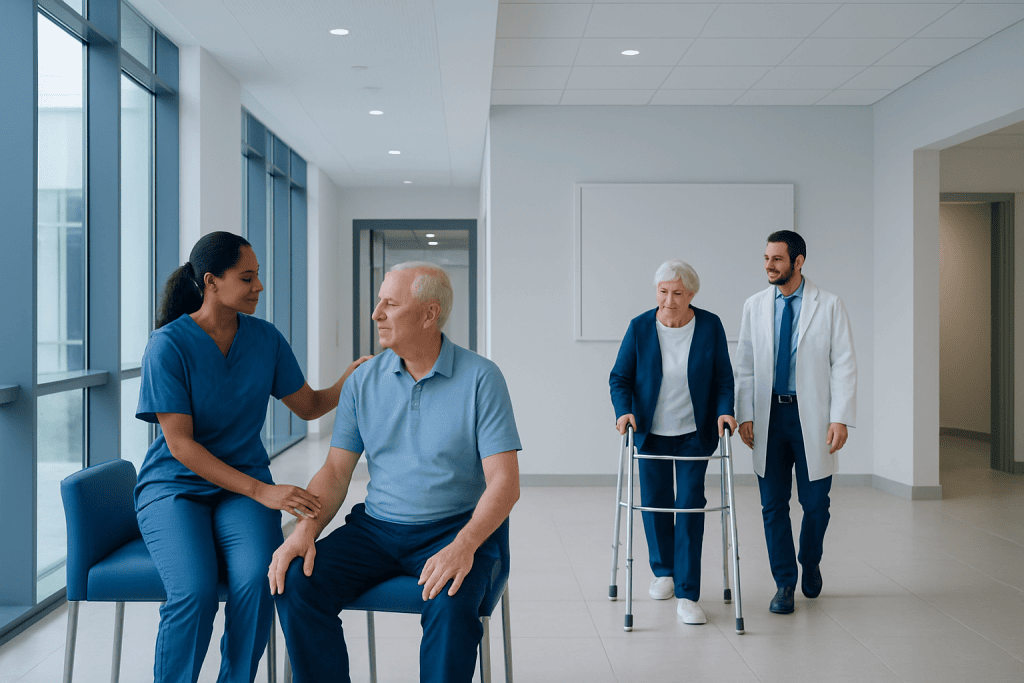
Post acute rehab begins after urgent hospital treatment is complete but recovery needs continue. Care may be delivered in an inpatient rehabilitation facility, skilled nursing facility, outpatient clinic, or at home.
Key Takeaways
- Post acute rehab begins after urgent hospital treatment is complete but recovery needs continue.
- Care may be delivered in an inpatient rehabilitation facility, skilled nursing facility, outpatient clinic, or at home.
- A multidisciplinary team sets practical goals such as walking safely, managing medicines, eating independently, or returning home.
- The best setting depends on medical stability, therapy tolerance, functional needs, and available support.
- Recovery plans should be reviewed regularly and adjusted as needs change.
Post acute rehab is the care provided after an acute hospital stay to help a person recover strength, mobility, daily living skills, and confidence. The setting and intensity are tailored to the person’s medical needs, rehabilitation goals, home support, and ability to participate in therapy.
Post Acute Rehab Overview
Post acute rehab is organized medical and rehabilitation care that follows an acute illness, injury, surgery, or hospital admission. It supports recovery when a person no longer needs the intensive monitoring and emergency treatment of an acute-care hospital but is not yet ready to manage safely and independently at home. Its central aim is to restore the highest possible level of function and help make the next transition of care safer.
Post acute examples include rehabilitation after a stroke, hip fracture, joint replacement, major surgery, serious infection, traumatic injury, heart or lung illness, or a period of severe weakness after intensive care. The program may address movement, balance, endurance, speech, swallowing, thinking skills, personal care, nutrition, pain, wound care, medication management, and emotional adjustment.
Post acute rehab is not a single procedure or one fixed location. It is a coordinated process involving assessment, goal setting, therapy, medical follow-up, discharge planning, and education for the person and family. The level of care can change as recovery progresses, from a closely supervised facility-based program to outpatient therapy or home-based support.
Post Acute Rehab vs Acute, Inpatient, and Subacute Rehab
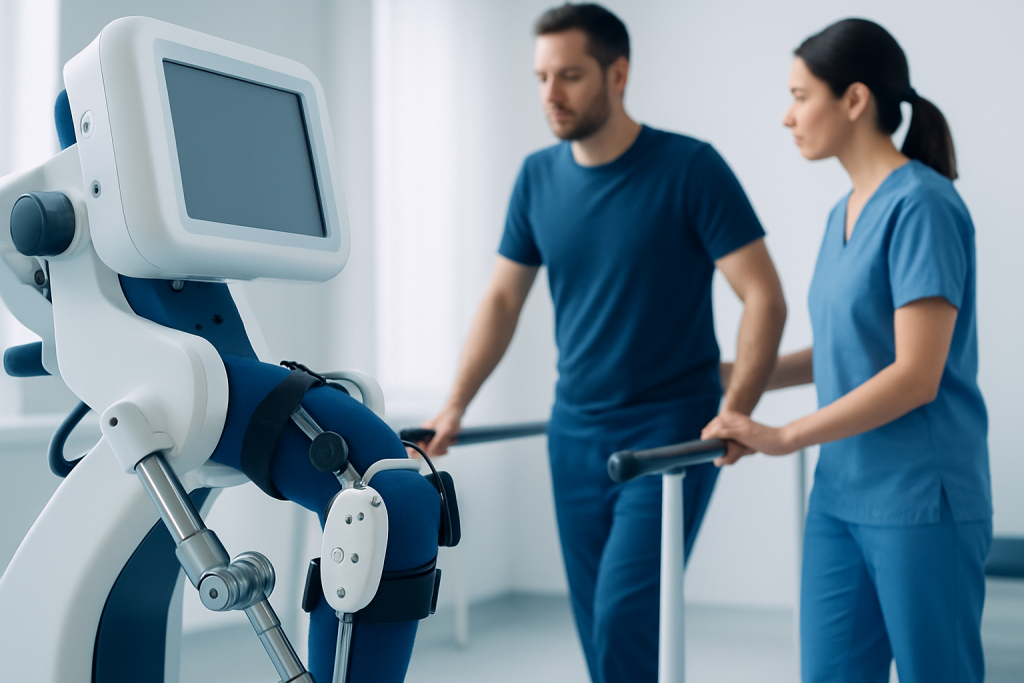
Understanding the terms can make care planning easier. Acute care is the hospital-based care used to diagnose and stabilize urgent or serious medical problems. In a comparison of post acute vs acute rehab, acute hospital services focus primarily on medical stabilization, while post acute rehab focuses on restoring daily function after the immediate crisis has been addressed.
Post acute rehab is a broad term that includes several settings. Inpatient rehabilitation is one form of post-acute care, usually intended for people who can take part in an intensive, closely supervised therapy program and who need regular physician oversight. When people compare post acute rehab vs inpatient rehab, the key distinction is that inpatient rehabilitation is a specific setting within the wider post-acute care continuum.
Post acute rehab vs subacute rehab is another common comparison. Subacute rehabilitation generally provides a lower-intensity pace of therapy than an inpatient rehabilitation facility, often within a skilled nursing setting. It may suit people who need ongoing nursing support or who are not yet able to tolerate a more demanding schedule. A rehabilitation clinician can explain which option fits the person’s current needs rather than relying on the label alone.
Who May Benefit and How a Program Is Chosen
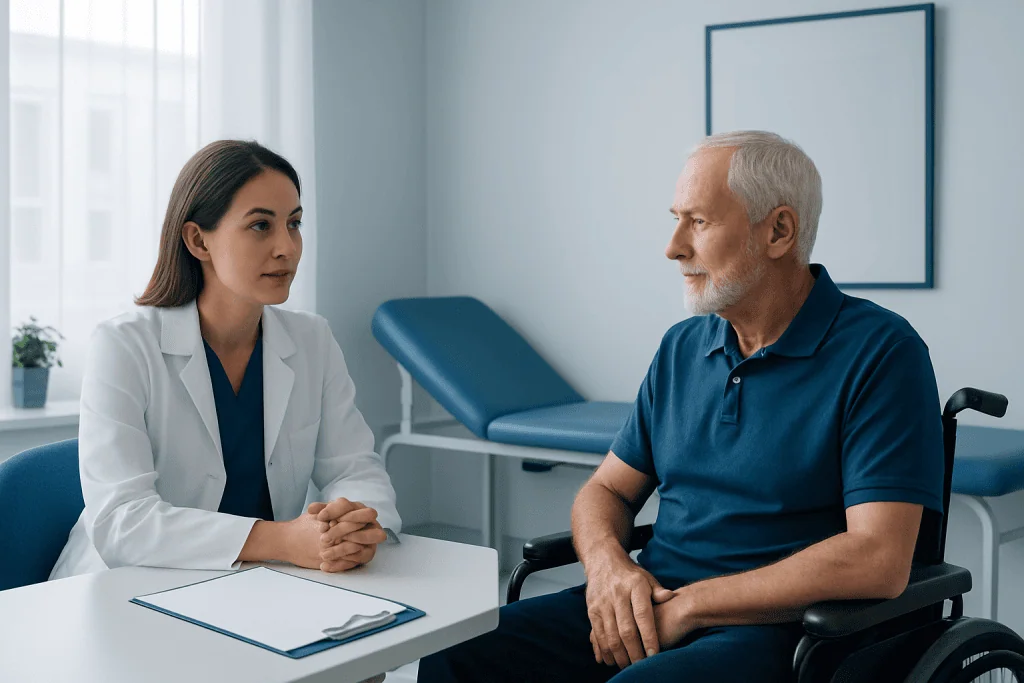
A person may be considered for post acute rehab when a hospital stay has caused or revealed difficulty with mobility, self-care, communication, swallowing, memory, planning, or safe medication use. It can also be helpful when a person needs support to recover from surgery or manage a newly changed health condition. Referral may come from the hospital team, a primary care clinician, surgeon, neurologist, or another specialist.
Clinical teams consider several factors when selecting a setting: medical stability, need for nursing or physician review, ability to participate in therapy, likely rehabilitation potential, wound or equipment needs, cognitive status, and the safety of the home environment. Family or caregiver availability, travel distance, language needs, and personal goals are also important. The decision should be shared with the patient whenever possible.
For example, people recovering from neurological conditions may need focused support for mobility, speech, swallowing, or cognition. Those who have experienced a stroke may benefit from coordinated rehabilitation that combines physical, occupational, and speech-language therapy. Following orthopedic surgery or injury, priorities often include protecting healing tissues, controlling pain, improving range of motion, and learning to move safely.
- Inpatient rehabilitation facility: intensive therapy and regular medical oversight.
- Skilled nursing or subacute rehabilitation: ongoing nursing care with a less intensive therapy schedule.
- Outpatient rehabilitation: scheduled therapy visits while living at home.
- Home-based rehabilitation: therapy and clinical support delivered in the home when appropriate.
How Post Acute Rehab Works: Assessment to Discharge
Post acute rehab begins with a detailed assessment. The team reviews the reason for hospitalization, current medical conditions, medicines, pain, nutrition, mobility, communication, mood, thinking skills, and ability to perform daily tasks. They also ask about the person’s usual level of function, home layout, work or family roles, and goals for recovery. This creates an individualized care plan rather than a generic exercise program.
The next step is goal setting. Short-term goals may include transferring safely from bed to chair, walking with an aid, bathing with less assistance, eating safely, or remembering a medication schedule. Longer-term goals can include returning home, resuming valued activities, or reducing the need for caregiver help. Goals are reviewed regularly, because recovery rates and priorities can change.
Therapy sessions are then matched to the person’s needs. Physical therapists work on strength, balance, walking, endurance, and safe use of mobility aids. Occupational therapists help with dressing, bathing, cooking, hand function, and adapting the home or work environment. Speech-language therapists may support speech, language, memory strategies, swallowing, and communication. Nurses, physicians, dietitians, psychologists, social workers, and pharmacists may also contribute.
Discharge planning starts early. The team helps arrange follow-up appointments, equipment, prescriptions, home modifications, caregiver teaching, and the next level of therapy if needed. For people needing structured recovery after an operation or injury, physical therapy and rehabilitation can continue to build safe movement and function after the initial post-acute phase.
Benefits, Limits, and Possible Risks
The potential benefits of post acute rehab include improved strength, mobility, balance, self-care ability, communication, confidence, and readiness for daily life. It also provides an opportunity to identify barriers to safe discharge, such as medication confusion, fall hazards, swallowing difficulty, caregiver strain, or unmet equipment needs. Education and practice in real-life tasks are as important as exercises alone.
Recovery is not always linear. Progress may be rapid at first, gradual over months, or limited by the severity of the original illness, pain, fatigue, frailty, memory difficulties, or other long-term conditions. A good program uses measurable goals while recognizing that independence can mean different things for different people. It may include learning compensatory strategies as well as restoring lost abilities.
Like any healthcare setting, post-acute care has possible risks. These can include falls, skin injury from reduced mobility, infection, medication side effects, blood clots during prolonged inactivity, deconditioning, low mood, or confusion in an unfamiliar environment. The care team works to reduce these risks through mobility plans, skin checks, medication review, infection prevention, nutrition, hydration, and regular reassessment.
Patients and families can help by reporting new pain, breathlessness, fever, dizziness, worsening weakness, confusion, swallowing problems, or concerns about treatment tolerance. It is reasonable to ask how progress will be measured, who coordinates the plan, and what support will be in place after discharge.
Recovery Timeline and Self-Care After Rehab
There is no single recovery timeline for post acute rehab. Some people need only a short period of therapy after a straightforward operation, while others require weeks or months of staged rehabilitation after a serious neurological, orthopedic, cardiac, or critical illness. The appropriate length of care depends on the underlying condition, complications, baseline health, functional goals, and response to therapy.
During recovery, consistent participation matters more than pushing through unsafe pain or exhaustion. Clinicians may recommend a home exercise program, activity pacing, mobility aids, a nutrition plan, or strategies for managing fatigue. Family members and caregivers may be taught safe transfer techniques, how to encourage independence, and warning signs that should prompt medical contact.
Safe self-care includes taking medicines as prescribed, attending follow-up appointments, using prescribed equipment correctly, maintaining hydration and balanced nutrition, and keeping walkways clear to lower fall risk. People recovering after joint procedures may continue with orthopedic rehabilitation to improve mobility while protecting healing structures. Those with speech, swallowing, or cognitive concerns should follow individualized recommendations rather than attempting to manage these issues alone.
After discharge, the primary care clinician and relevant specialists should remain informed about progress and new symptoms. Rehabilitation is often most effective when it is integrated with ongoing treatment of the condition that led to hospitalization, rather than viewed as a separate final step.
When to Seek Medical Care
Prompt medical advice is important if recovery suddenly worsens. A person or caregiver should contact the healthcare team for new or increasing weakness, worsening pain, fever, persistent vomiting, new confusion, a fall, poor oral intake, a new wound problem, or difficulty participating in usual rehabilitation activities. Early review can help identify treatable problems and prevent setbacks.
Emergency assessment is needed for symptoms that may indicate a serious urgent problem, such as chest pain, severe shortness of breath, fainting, sudden facial drooping, new trouble speaking, sudden one-sided weakness, or signs of a severe allergic reaction. These symptoms should not be attributed simply to rehabilitation fatigue or the normal recovery process.
Questions about the right level of care, expected progress, or safe discharge should be discussed with a qualified clinician. Acibadem International’s multidisciplinary specialists and JCI-accredited hospitals support diagnosis, treatment, and rehabilitation planning for international patients, with care coordinated according to individual clinical needs.
Frequently asked questions
What is post acute rehab?
Post acute rehab is medical and therapy-based care provided after an acute hospital stay. It helps a person regain function, manage ongoing health needs, and prepare for a safe return home or to another appropriate setting.
Is post acute rehab the same as inpatient rehab?
No. Inpatient rehabilitation is one type of post-acute care and usually provides intensive therapy with regular physician oversight. Post acute rehab is a broader term that can also include skilled nursing, outpatient therapy, and home-based rehabilitation.
What is the difference between acute rehab and post acute rehab?
Acute hospital care focuses on diagnosing and stabilizing an urgent medical problem. Post acute rehab begins when the person is medically stable enough to focus more fully on restoring movement, independence, communication, and daily living skills.
How is subacute rehab different from post acute rehab?
Subacute rehab is generally a category within post-acute care. It often offers a less intensive pace of therapy than an inpatient rehabilitation facility while providing ongoing nursing and rehabilitation support.
How long does post acute rehab last?
The duration varies widely according to the condition, the person’s prior level of function, medical needs, and progress toward agreed goals. Some people transition home quickly with outpatient support, while others need a longer period of facility-based or home-based rehabilitation.
Who is on a post acute rehab team?
The team may include rehabilitation physicians, nurses, physical therapists, occupational therapists, speech-language therapists, dietitians, pharmacists, psychologists, and social workers. The patient, family, and caregivers are also important partners in planning and carrying out recovery goals.
References
- World Health Organization
- Centers for Disease Control and Prevention
- American Academy of Physical Medicine and Rehabilitation
- American Physical Therapy Association
- National Institute on Aging
This article is for general information only and is not a substitute for professional medical advice. Please consult a qualified doctor about your individual situation.
Joint and spine care in Turkey — expert assessment & treatment
JCI-accredited · board-certified surgeons · reply within 24h