Replacement for Contact Lens Solution: Procedure, Recovery and Results

Water, saliva, eye drops, homemade saline and disinfectants must not be used to rinse, store or clean contact lenses. Multipurpose solution and hydrogen peroxide systems are used differently and should be used exactly as their labels instruct.
Key Takeaways
- Water, saliva, eye drops, homemade saline and disinfectants must not be used to rinse, store or clean contact lenses.
- Multipurpose solution and hydrogen peroxide systems are used differently and should be used exactly as their labels instruct.
- Reusable lenses need fresh solution every time they are cleaned or stored; old solution should never be topped up.
- Pain, redness, light sensitivity, blurred vision or discharge while wearing lenses needs prompt eye-care assessment.
- Keeping spare spectacles and travel-size approved solution can help prevent unsafe substitutions.
There is no safe homemade replacement for contact lens solution. If approved lens solution is unavailable, the safest choice is to remove the lenses, discard daily disposables, or store reusable lenses only as directed by an eye-care professional and wear glasses until fresh solution is available.
Replacement for Contact Lens Solution: the Safe Answer
A replacement for contact lens solution should not be improvised. Contact lens solutions are formulated and tested to clean, disinfect, rinse or store specific types of lenses; household liquids and homemade mixtures do not provide reliable disinfection and may injure the surface of the eye.
If a person has no approved solution, they should remove their lenses with clean, dry hands. Daily disposable lenses should be thrown away after removal. People who wear reusable lenses should follow the instructions provided by their eye-care professional and lens manufacturer; if proper storage is not possible, they should seek advice from an optometrist or ophthalmologist rather than use an unsafe substitute.
This issue is especially important because contact lenses sit directly on the cornea, the clear front surface of the eye. Poor lens hygiene can increase the chance of irritation, inflammation and serious eye infection, including keratitis.
How Contact Lens Solution Works
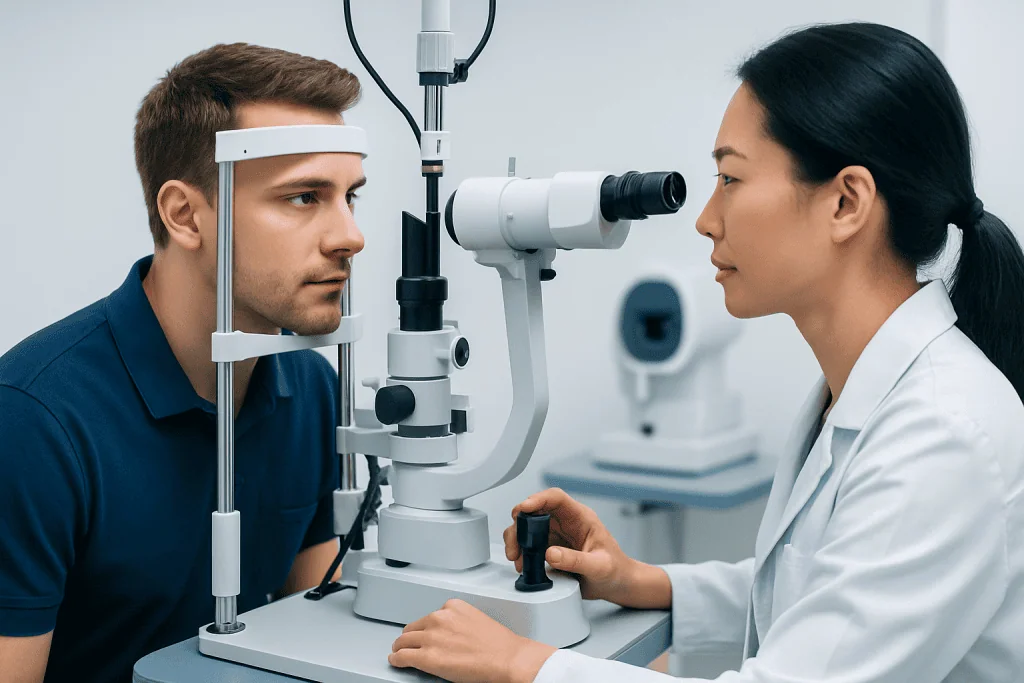
Contact lens care systems are designed for particular lens materials and wearing schedules. Multipurpose solutions commonly clean, rinse, disinfect and store soft lenses when used according to the product directions. They help remove deposits such as proteins, oils and environmental debris while reducing microorganisms that could cause infection.
Hydrogen peroxide systems disinfect lenses effectively but require a dedicated case and a neutralisation step. Lenses must never be placed in the eye directly from unneutralised hydrogen peroxide, because it can cause severe burning and eye injury. Saline products may be intended only for rinsing and are not necessarily disinfectants.
Proper care is a process rather than a single step. It includes washing and drying hands, rubbing and rinsing lenses if instructed, using fresh solution, cleaning the lens case, allowing it to air-dry, and replacing it regularly. The instructions supplied with the lenses and solution take priority because products are not always interchangeable.
Is There Anything Else I Can Use Instead of Contact Solution?

No household liquid is a safe replacement for contact lens solution. Tap water, bottled water, distilled water, saliva, artificial tears, rewetting drops, homemade saltwater, rubbing alcohol and other cleaning products should not be used to clean, rinse, wet or store lenses. These substances may contain microorganisms, have the wrong salt balance or pH, or damage the lens material.
Water exposure deserves particular caution. Even water that appears clean can carry microorganisms, including Acanthamoeba, which can cause a difficult-to-treat corneal infection. Lenses should be removed before swimming, using a hot tub or showering whenever possible. If lenses are exposed to water, the wearer should follow professional advice for that lens type; daily disposable lenses are generally discarded after removal.
Some people confuse sterile saline with multipurpose solution. Sterile saline may have a role in rinsing certain lenses when the manufacturer permits it, but it does not disinfect lenses. It cannot replace the cleaning and disinfection system required for reusable contact lenses.
What Can I Use If I Don't Have Contact Solution?
The safest immediate option is to take the lenses out and use spectacles. A person should wash and thoroughly dry their hands before handling lenses. Daily disposable lenses should not be saved for later use once removed; they should be discarded and replaced with a new pair when available.
For reusable lenses, the appropriate action depends on the lens type, the prescribed care system and how long the lenses must be stored. It is not safe to place them in water or an unapproved liquid. Contacting an eye-care practice, pharmacy or the solution manufacturer’s support service may help clarify what to do until proper supplies can be obtained.
People who frequently need lenses while travelling can reduce this problem by carrying a spare pair of glasses, an unopened travel-size bottle of compatible solution, and a clean lens case. A clinician can also discuss whether daily disposable lenses or another vision-correction approach may suit the person’s lifestyle, including laser eye surgery for appropriately assessed candidates.
How Often Should You Replace Contact Lens Solution?
Solution should be replaced every time reusable lenses are cleaned or stored. The old liquid in the case should be poured away completely, and fresh solution should be used. “Topping off” means adding fresh solution to old solution; this dilutes the disinfectant and is not recommended.
After lenses are inserted, the case should be emptied, rinsed with fresh appropriate solution rather than water when the product instructions advise this, and left open to air-dry. Lens cases can develop a film of microorganisms over time, so they should be replaced at the interval recommended by the manufacturer or eye-care professional, often at least every few months.
A bottle of solution also has a discard-after-opening period. This varies by product, so users should check the label and avoid using expired solution. The bottle tip should not touch fingers, lenses, surfaces or the eye, as this can contaminate the remaining solution.
What Is the 3:1:1 Rule for Contacts?
The “3:1:1 rule” is often used informally to describe basic contact lens habits, but it is not a universal clinical guideline and its meaning can differ between online sources. Some use it to encourage replacing a lens case every three months, changing solution daily, and having one backup pair of glasses. It should not replace the specific instructions for an individual’s lenses and care product.
A more dependable approach is to follow the lens replacement schedule, use only compatible solution, avoid sleeping in lenses unless specifically prescribed, and attend regular eye examinations. A person should never extend the use of daily, fortnightly or monthly lenses simply because they still feel comfortable.
Comfort is not a reliable measure of eye health. Lenses can accumulate deposits or cause subtle corneal stress before symptoms develop. Regular assessments can identify dry eye, allergy, changes in prescription or contact-lens-related complications early.
Benefits, Risks and Everyday Lens Care
When prescribed and cared for correctly, contact lenses can provide clear vision and may be convenient for sport, work and social activities. However, they require more attention than spectacles because they touch the eye. The main preventable risks are linked to overwearing, sleeping in lenses, water exposure, poor hand hygiene and incomplete cleaning or disinfection.
Symptoms such as dryness or mild discomfort may occur with lens wear, particularly in air-conditioned environments or during prolonged screen use. A clinician may recommend changing the lens material, wearing schedule or care system rather than relying on frequent use of drops. Only drops labelled as suitable for contact lens wear should be used while lenses are in place.
People considering an alternative to ongoing lens use can have an individual eye assessment. Options may include spectacles, different lens types or refractive procedures where suitable. Acibadem International’s multidisciplinary specialists and JCI-accredited hospitals assess eye conditions and treatment options for international patients.
When to Seek Medical Care
A person should remove contact lenses and seek urgent eye-care advice if they develop eye pain, increasing redness, marked light sensitivity, blurred or reduced vision, swelling, discharge, or the feeling that something is stuck in the eye. These symptoms can signal infection or corneal injury and should not be managed by continuing lens wear or using leftover drops.
Prompt assessment is also important after sleeping in lenses unintentionally, wearing lenses after water exposure, or using an unapproved liquid to store or rinse them, especially if any symptoms appear. The person should bring their lenses, case and solution products to the appointment if possible, unless advised otherwise.
For non-urgent concerns such as repeated dryness, discomfort, redness at the end of the day or recurring deposits, an optometrist or ophthalmologist can review fit, prescription, lens replacement frequency and the care routine. Continuing to wear uncomfortable lenses can worsen irritation and delay appropriate treatment.
Frequently asked questions
Can I use water instead of contact lens solution?
No. Tap water, bottled water and distilled water are not safe for cleaning, rinsing or storing contact lenses. Water does not disinfect lenses and may expose the eye to microorganisms that can cause serious infection.
Can saline solution replace contact lens solution?
Not usually. Sterile saline may be appropriate for rinsing some lenses if the manufacturer allows it, but it does not disinfect reusable lenses. A compatible disinfecting system is still needed for cleaning and storage.
Can I put contacts in eye drops overnight?
No. Artificial tears and rewetting drops are not designed to disinfect or store contact lenses. They should not be used as an overnight storage liquid.
Can I sleep in contact lenses if I do not have solution?
It is generally safer to remove lenses than to sleep in them, unless an eye-care professional has specifically prescribed overnight wear. Sleeping in lenses can reduce oxygen reaching the cornea and increases the risk of infection.
What should I do if I accidentally used water on my contact lenses?
Remove the lenses as soon as possible. Daily disposable lenses should be discarded; reusable lens wearers should contact an eye-care professional or follow the manufacturer’s guidance before wearing the lenses again. Urgent care is needed if pain, redness, light sensitivity or vision changes occur.
Do I need to rub contact lenses with multipurpose solution?
Many multipurpose systems recommend rubbing each lens gently with solution before rinsing and storing it, even if the product is labelled "no-rub." Rubbing can improve deposit removal, but the wearer should always follow the exact directions for their specific solution and lenses.
References
- American Academy of Ophthalmology
- Centers for Disease Control and Prevention
- U.S. Food and Drug Administration
- American Optometric Association
- National Eye Institute
This article is for general information only and is not a substitute for professional medical advice. Please consult a qualified doctor about your individual situation.
Explore treatments in Turkey — costs, top hospitals & a free quote
JCI-accredited · board-certified surgeons · reply within 24h

More from the Health Library

Related Specialists

Dt. Beril Karakaya Gökçimen
Oral & Dental Health
Assoc. Prof. Dr. Ersoy Hazneci
Dermatology
Prof. Dr. İsmet Aydoğdu
Hematology
Dr. Varlık Doğan
Anesthesiology