Knee Arthritis Treatment Without Surgery: Procedure, Recovery and Results

Knee osteoarthritis cannot usually be reversed, but symptoms and function can improve substantially with non-surgical care. Exercise guided by a physiotherapist is a core treatment because stronger muscles help reduce load on the knee joint.
Key Takeaways
- Knee osteoarthritis cannot usually be reversed, but symptoms and function can improve substantially with non-surgical care.
- Exercise guided by a physiotherapist is a core treatment because stronger muscles help reduce load on the knee joint.
- Weight management, if appropriate, can lessen knee stress and improve pain and mobility.
- Medicines and injections may provide symptom relief, but they work best as part of a broader treatment plan.
- Severe or persistent symptoms deserve assessment by an orthopaedic specialist, even when surgery is not currently planned.
Knee arthritis treatment without surgery can often ease pain, support daily movement and delay or avoid an operation. A personalised plan usually combines rehabilitation, lifestyle measures, pain-relieving medicines and, for selected people, joint injections or supportive devices.
Knee Arthritis Treatment Without Surgery: An Overview
Knee arthritis treatment without surgery focuses on relieving pain, improving movement and helping a person stay active while protecting the joint. For many people, a structured plan including exercise, weight management where relevant, pain relief and selected injections can provide meaningful improvement without an operation.
The most common form is osteoarthritis, in which the tissues within the joint gradually change over time. Cartilage, the smooth covering that helps joint surfaces glide, may become thinner, while the surrounding bone, lining and muscles can contribute to pain, stiffness and reduced function. Symptoms may fluctuate, with relatively comfortable periods followed by flare-ups.
Non-surgical treatment is not a single procedure. It is a stepwise, individualised approach that takes account of symptoms, X-ray findings, overall health, work and activity needs, and personal goals. An orthopaedic clinician, physical medicine and rehabilitation specialist, physiotherapist and pain specialist may all contribute to care.
Related conditions such as osteoarthritis can affect more than one joint, so a full assessment may also consider hip, foot, back or inflammatory health problems that influence knee loading and mobility.
How Non-Surgical Care Works and Who May Benefit
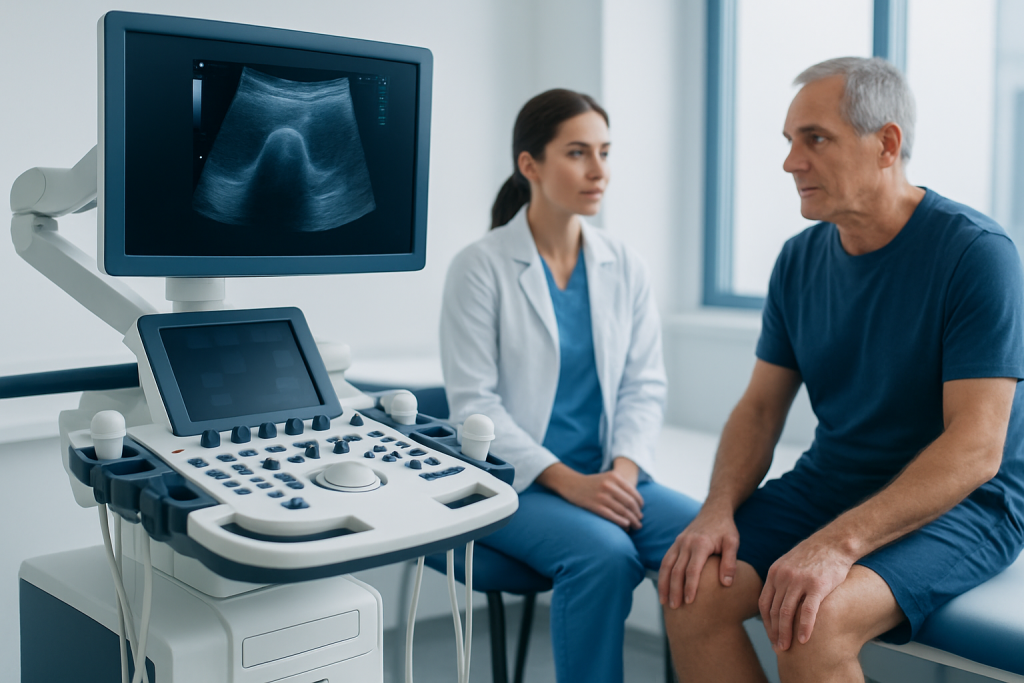
Non-surgical care works by addressing several contributors to knee pain at once. Exercise improves the strength and control of muscles around the knee and hip, helping the joint absorb force more effectively. Education about pacing activities, suitable footwear and safe movement can reduce avoidable aggravation while keeping the knee mobile.
Most people with mild to advanced knee osteoarthritis can try conservative treatment, provided there is no urgent injury or another condition requiring immediate care. It may be especially suitable for people who wish to avoid surgery, are not ready for joint replacement, have medical reasons to postpone an operation or still have manageable symptoms despite X-ray changes.
Candidacy for particular options differs. For example, an injection may be considered when pain remains limiting despite rehabilitation and basic measures, while a brace may help selected people whose arthritis affects one part of the knee more than another. The clinician will review medicines, allergies, diabetes, blood-thinning treatment, prior injections and signs of infection before recommending a procedure.
Imaging severity does not always match symptoms. Some people with marked changes on X-ray remain mobile with little pain, while others experience significant symptoms with less visible joint damage. Treatment decisions should therefore be based on the whole clinical picture rather than an image alone.
A Step-by-Step Non-Surgical Treatment Plan
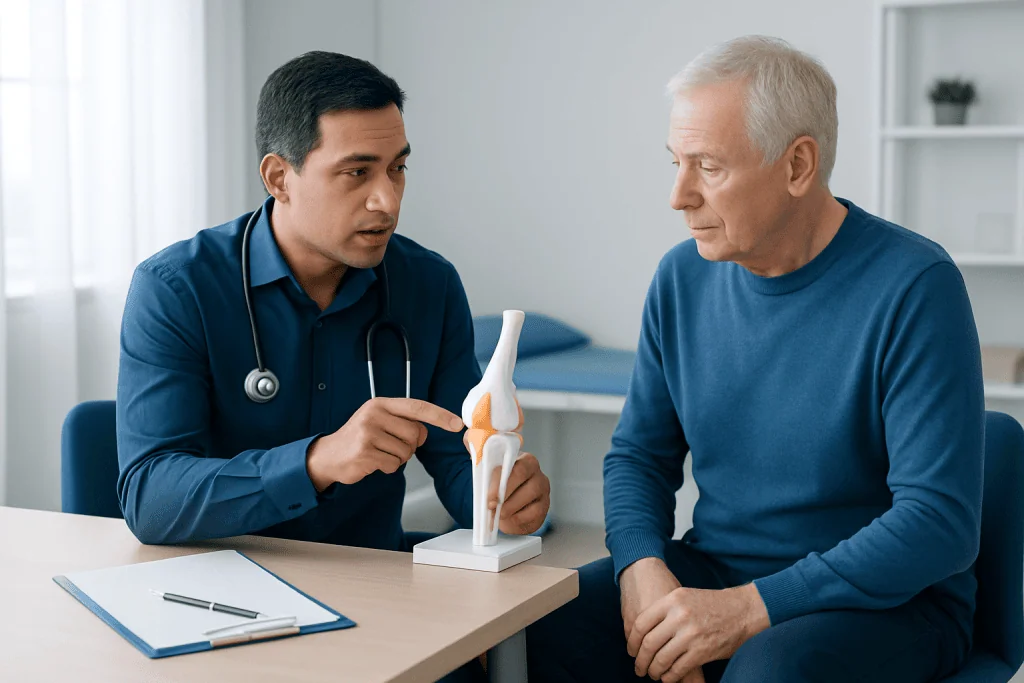
Care commonly begins with a clinical review. The clinician asks about pain location, stiffness, swelling, locking, instability, sleep, daily activities and previous injury. They examine alignment, range of motion, muscle strength and walking pattern. Weight-bearing X-rays may help confirm osteoarthritis and assess the joint spaces; MRI is not routinely required unless another problem is suspected.
Next, the team develops a practical programme. This often includes physiotherapy-led strengthening of the thigh, hip and core muscles, flexibility work and low-impact aerobic activity such as cycling, swimming or walking within tolerance. The programme is progressed gradually, with the aim of improving function rather than forcing the knee through severe pain.
If symptoms continue to interfere with rehabilitation or daily life, medicines or injections may be discussed. Topical anti-inflammatory medicines may be suitable for some people, and oral pain medicines may be considered after a clinician reviews kidney, stomach, heart and medication-related risks. A knee injection may be offered in selected cases to reduce symptoms for a period of time and support participation in rehabilitation.
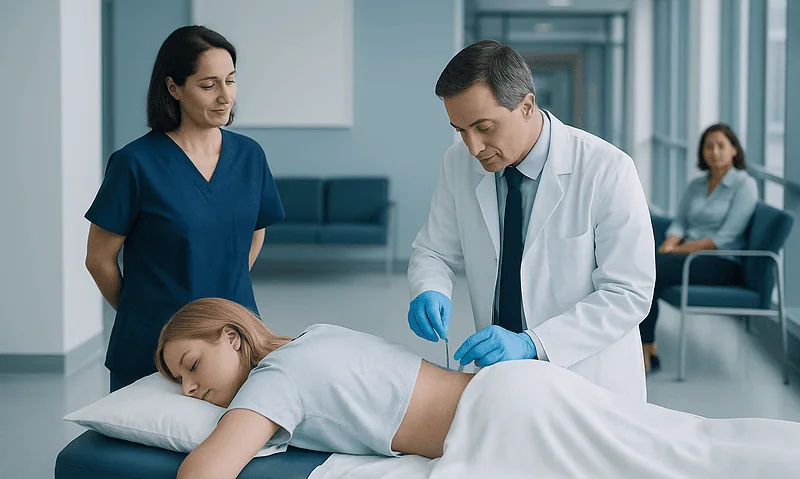
During an injection appointment, the skin is cleaned and the clinician places a needle into the knee joint, sometimes using ultrasound guidance. The exact medicine depends on the indication and local clinical practice. The procedure is usually brief, after which the person receives advice on activity, symptom monitoring and follow-up.
Recovery Timeline, Benefits and Risks
Recovery from a non-surgical knee arthritis plan is gradual rather than immediate. After an initial assessment, people may begin activity modification and a home exercise programme straight away. Improvements in confidence, strength and everyday function often develop over several weeks of consistent practice, although the pace differs between individuals.
Following a knee injection, temporary soreness or a brief increase in discomfort can occur. Many clinicians advise avoiding strenuous activity for a short period and then returning gradually to the prescribed exercise plan. The timing and degree of pain relief vary according to the injection type, the condition being treated and individual response.
Potential benefits include less pain, improved walking tolerance, better sleep, greater ability to climb stairs or complete daily tasks, and a reduced need for surgery in some people. However, non-surgical treatment does not rebuild lost cartilage or guarantee that arthritis will stop progressing. Regular review helps ensure the plan remains appropriate.
Risks depend on the treatment used. Anti-inflammatory medicines can cause side effects and may not be safe for everyone. Injections have uncommon but important risks, including infection, bleeding, allergic reaction and a temporary flare of pain. New severe pain, fever, marked redness or rapidly increasing swelling after an injection requires urgent medical advice.
Can Arthritis of the Knee Go Away?
Knee osteoarthritis does not usually go away because the structural changes in cartilage and bone cannot currently be reversed by standard treatment. However, arthritis symptoms can improve considerably. Pain levels may settle, swelling may reduce and a person may regain strength and confidence with a well-matched treatment plan.
Flare-ups are common and do not always mean the knee has suffered new permanent damage. Changes in activity, sleep, stress, muscle weakness, illness or joint overuse may temporarily worsen symptoms. Adjusting activity, using symptom-relief measures and returning to a regular strengthening programme can often help.
The goal is not simply to eliminate every sensation in the knee. It is to support comfortable, meaningful movement and help the person do the activities that matter to them. Ongoing self-management and periodic clinical review are important because needs may change over time.
What Are the Treatment Options for Stage 4 Knee Arthritis?
“Stage 4” is commonly used to describe advanced osteoarthritis on X-ray, often with substantial joint-space narrowing. Even at this stage, treatment is guided by symptoms and function rather than imaging alone. Many people first use a combination of tailored exercise, walking aids if needed, weight management, medicines, bracing and injections.
For people with severe pain that persists despite comprehensive non-surgical care and significantly limits sleep, work or basic daily activities, knee replacement may be discussed. It is an elective decision made after considering health status, expectations, the extent of symptoms and likely rehabilitation needs. Surgery is not automatically required because an X-ray appears advanced.
An orthopaedic review can help clarify whether symptoms are coming mainly from knee arthritis or whether other issues, such as hip disease, back-related pain, tendon problems or inflammatory arthritis, also need attention. This is particularly important when pain patterns are unusual or treatment has not helped as expected.
Acibadem International’s multidisciplinary specialists and JCI-accredited hospitals assess and treat knee arthritis for international patients, including those considering conservative care or surgical consultation.
What Is the Best Way to Relieve Pain Caused by Arthritis in the Knees?
There is no single best method for every person. The most reliable approach is usually a combination of regular, appropriate exercise; activity pacing; weight management when clinically appropriate; and carefully selected pain-relief measures. A physiotherapist can adapt exercises around mobility, balance, other joint problems and personal goals.
For day-to-day comfort, people may benefit from breaking longer tasks into shorter periods, alternating positions, choosing supportive shoes and using a cane in the opposite hand when recommended by a clinician. Some may find a knee brace helpful, particularly if pain is concentrated on one side of the joint. A clinician or physiotherapist should advise on fit and suitability.
Topical medicines, such as anti-inflammatory gels, may be an option for some adults. Oral medicines should not be started or used regularly without appropriate professional guidance, particularly for people with stomach ulcers, kidney disease, cardiovascular disease, high blood pressure, liver disease or those taking blood thinners.
Resting completely for long periods can weaken muscles and increase stiffness. Gentle, frequent movement within a tolerable range is usually more helpful than avoiding all activity. Pain that is worsening, occurs at rest or is not responding to a sensible care plan should be reviewed by a qualified clinician.
Is Heat or Ice Better for Knee Arthritis? When to Seek Medical Care
Both heat and ice can be useful, depending on the symptom. Heat often helps morning stiffness, muscle tightness and discomfort before gentle activity. A warm shower, heat pack or warm towel may be used for a short time, with a protective layer between the heat source and skin to avoid burns.
Ice may be more useful after activity or during a flare-up when the knee feels warm, swollen or irritated. A cold pack wrapped in a towel can be applied briefly, avoiding direct contact with the skin. People with reduced sensation, circulation problems or certain nerve conditions should ask a clinician before using heat or cold therapy.
Medical assessment is advisable for knee pain that is persistent, worsening or affecting sleep and normal activities. Prompt care is important for a hot, very swollen or red joint; fever; inability to bear weight after an injury; sudden locking; new calf swelling; or symptoms that develop after a joint injection.
Early advice can help identify the cause of symptoms and prevent unnecessary loss of mobility. A clinician can also review whether a rehabilitation plan, medication strategy, injection or referral to an orthopaedic specialist is appropriate.
Frequently asked questions
Can knee arthritis be treated without surgery?
Yes. Many people manage knee arthritis with exercise therapy, activity adjustments, weight management where appropriate, medicines, braces or walking aids, and selected injections. The right combination depends on symptoms, general health and treatment goals.
How long does non-surgical treatment for knee arthritis take to work?
Some symptom-relief measures may help within days, but strength and functional gains from exercise often take several weeks of regular practice. Improvement is usually gradual, and the plan may need adjustment over time.
Are knee injections a cure for arthritis?
No. Knee injections do not cure osteoarthritis or restore worn cartilage. They may provide temporary symptom relief for selected people and can make it easier to participate in rehabilitation and daily activities.
Should a person exercise when their arthritic knee hurts?
In most cases, gentle, appropriately modified exercise is beneficial, even when some discomfort is present. Severe pain, major swelling, instability or pain that remains worse after activity should be discussed with a clinician or physiotherapist.
Does losing weight help knee arthritis?
For people carrying excess body weight, gradual weight loss can reduce load through the knee and may improve pain and function. It should be approached safely, with nutritional support when needed, rather than through restrictive short-term diets.
When is knee replacement considered for arthritis?
Knee replacement may be considered when severe symptoms continue to limit everyday life despite a thorough trial of non-surgical treatment. The decision is based on pain, function, overall health and personal priorities, not X-ray findings alone.
References
- American College of Rheumatology
- Osteoarthritis Research Society International
- National Institute for Health and Care Excellence
- Arthritis Foundation
- American Academy of Orthopaedic Surgeons
This article is for general information only and is not a substitute for professional medical advice. Please consult a qualified doctor about your individual situation.
Arthritis in Turkey — costs, top hospitals & a free quote
JCI-accredited · board-certified surgeons · reply within 24h

Orthopedics & Spine
Care for bones, joints and the musculoskeletal system, including joint replacement, sports injuries and trauma.
125 specialists in this unitMore from the Health Library


Related Specialists

Fzt. Munise Nilay Güven
Physical Medicine and Rehabilitation
Dr. Doğaç Çağlar Gürbüz
Cardiology
Prof. Dr. Reyhan Çeliker
Physical Medicine & Rehabilitation
Prof. Dr. Özmen Öztürk
Ear Nose & Throat