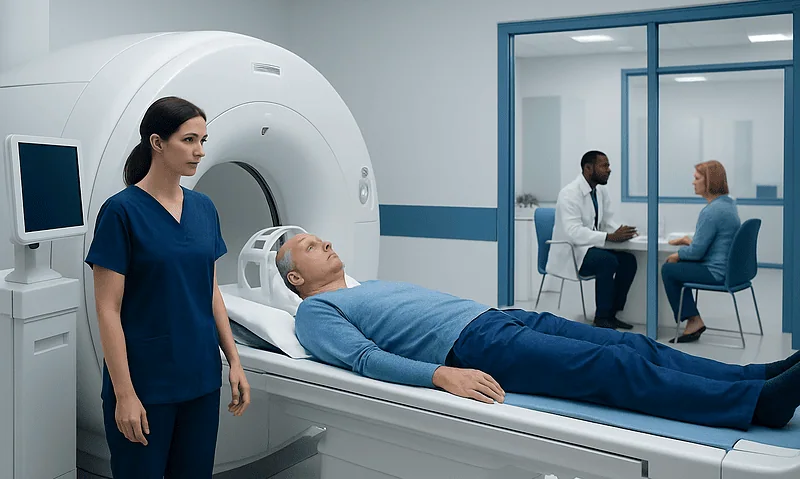
Rehab for Brain Injury: An Evidence-Based Patient Guide
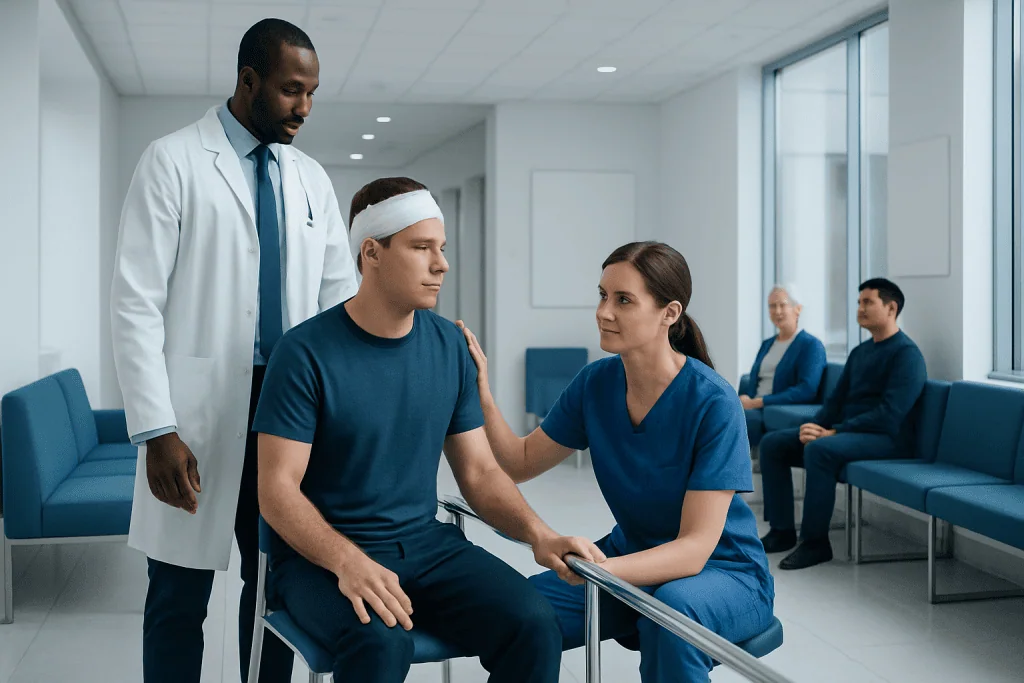
Brain injury rehabilitation is tailored to the person’s symptoms, strengths, goals and living situation. A multidisciplinary team may address mobility, speech, thinking skills, swallowing, mood, behavior and daily independence.
Key Takeaways
- Brain injury rehabilitation is tailored to the person’s symptoms, strengths, goals and living situation.
- A multidisciplinary team may address mobility, speech, thinking skills, swallowing, mood, behavior and daily independence.
- Early rehabilitation can begin in hospital once the person is medically stable, while recovery and therapy needs may continue for months or longer.
- Progress is often uneven; measurable functional goals help the team adjust therapy over time.
- Family education, emotional support and a safe transition home are important parts of effective rehabilitation.
Rehab for brain injury is a coordinated, goal-focused process that helps a person regain skills, adapt to lasting changes and return to meaningful daily activities after an acquired or traumatic brain injury. The program is individualized, begins as soon as medically appropriate and may continue across hospital, outpatient and home settings.
Overview: What Is Rehab for Brain Injury?
Rehab for brain injury is a structured healthcare program that supports recovery after damage to the brain from trauma, stroke, lack of oxygen, infection, tumor treatment or other causes. It aims to help the person recover abilities where possible and develop practical strategies for challenges that remain. The central focus is not simply exercise: it is improving safe participation in everyday life, such as communicating, eating, moving around, managing personal care, returning to school or work and maintaining relationships.
Rehabilitation for brain injuries is individualized because no two injuries affect the same skills in the same way. One person may primarily need help with balance and walking, while another may have changes in attention, memory, speech, fatigue, mood or behavior. Care may begin in an intensive care unit or acute hospital, then continue in an inpatient rehabilitation unit, outpatient clinic, community setting or at home.
Evidence-based practice for brain injury combines the best available research with clinical expertise and the individual’s priorities. The care plan is reviewed regularly, as needs may change during recovery. For people recovering from an injury caused by head trauma, rehabilitation is often one part of wider traumatic brain injury care, alongside medical follow-up and prevention of further injury.
How Brain Injury Rehabilitation Works
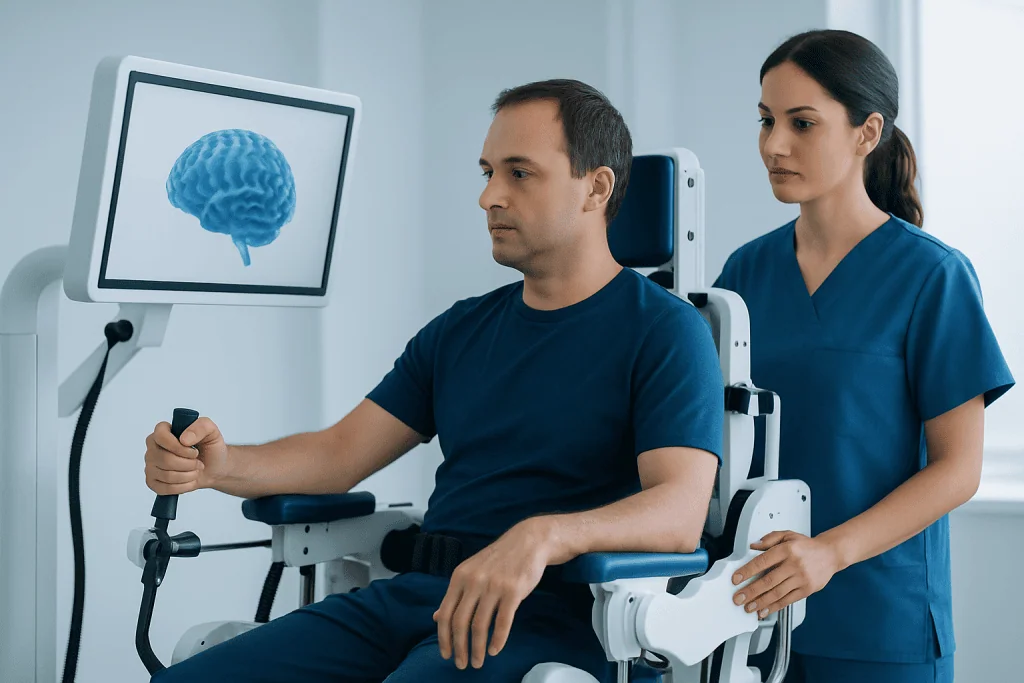
Brain injury rehabilitation works through repeated, meaningful practice, education and environmental support. The brain can form and strengthen connections over time, a process often described as neuroplasticity. Therapy uses this capacity while also teaching compensatory approaches, such as calendars, smartphone reminders, written routines or changes to the home environment when a difficulty does not fully resolve.
The rehabilitation team begins by identifying the activities that matter most to the person. Goals might include transferring safely from bed to chair, preparing a simple meal, following a conversation, managing fatigue during the day or returning to a valued family, social, educational or work role. Goals should be realistic, specific and reviewed at regular intervals.
Evidence based practice for traumatic brain injury supports task-specific training and regular reassessment rather than a one-size-fits-all program. Therapy intensity, setting and duration depend on medical stability, stamina, cognition, safety and the person’s ability to participate. Rest is also important, since pushing through severe fatigue or worsening symptoms may reduce the quality of practice.
Who May Benefit and What the Assessment Includes
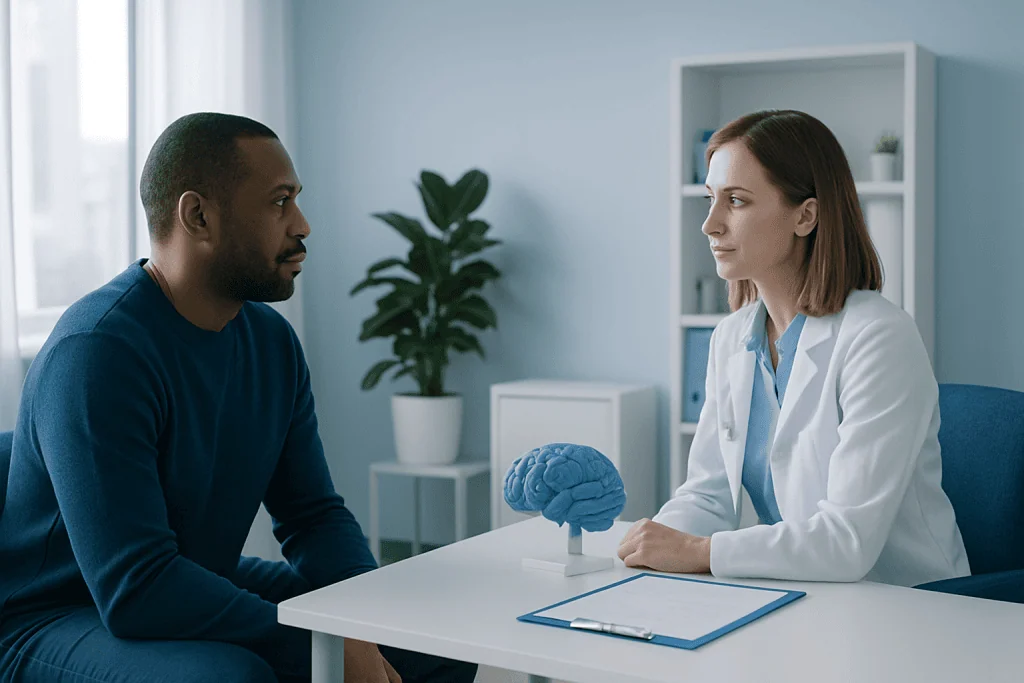
Most people with new functional difficulties after a brain injury may benefit from rehabilitation assessment. This includes people with mild injuries whose symptoms persist, as well as people with moderate or severe injuries who need intensive support. Candidacy is based on current needs and potential benefit, not on a single test result or a prediction about how much recovery will occur.
Before a program begins, clinicians review the cause and severity of injury, medical stability, medication effects, pain, sleep, vision, hearing and emotional wellbeing. They also assess strength, coordination, walking, communication, swallowing, memory, attention, judgment and ability to complete daily tasks. Family members or caregivers can provide valuable information about the person’s usual abilities, routines and support system.
Assessment also considers practical factors that influence recovery, including home access, transportation, work or school demands, language needs and caregiver availability. The resulting plan may involve a physiatrist or rehabilitation physician, neurologist, neurosurgeon, nurses, physiotherapists, occupational therapists, speech and language therapists, neuropsychologists, dietitians, social workers and mental health professionals.
What Happens During a Rehabilitation Program
The first step is medical and functional assessment, followed by shared goal setting with the person and, where appropriate, family or caregivers. The team then creates a schedule of therapies and education sessions. Programs may be delivered daily in an inpatient setting or several times a week as outpatient care, with home practice between appointments.
Physiotherapy may address strength, balance, coordination, endurance, dizziness and safe walking. Occupational therapy focuses on daily activities such as dressing, bathing, meal preparation, hand use and adapting the home or workplace. Speech and language therapy can support speech, language, thinking skills, social communication and swallowing. A neuropsychological assessment may clarify changes in memory, attention, planning, mood or behavior and guide targeted strategies.
Rehabilitation may also include management of headaches, spasticity, pain, sleep difficulties, visual symptoms, bowel or bladder concerns, anxiety, depression and agitation. When swallowing is affected, the team may recommend changes in food texture, positioning or eating techniques while safety is assessed. Some people benefit from physical therapy and rehabilitation that integrates mobility training with wider neurological recovery goals.
Family training is an active part of the process. Caregivers may learn safe transfer techniques, ways to communicate clearly, how to support routines without taking over every task and signs that should prompt medical review. Planning for discharge starts early and includes equipment, follow-up appointments, medication review and return-to-community support.
Recovery Timeline, Benefits and Possible Challenges
Recovery after brain injury varies greatly. Some improvements may occur over days or weeks, while others develop over months or longer. Early gains can be more visible, but meaningful progress remains possible later through practice, adaptation and treatment of symptoms that limit participation. Recovery is rarely a straight line: fatigue, poor sleep, illness, stress or increased activity can temporarily make symptoms more noticeable.
The potential benefits of rehab for brain injuries include greater independence, improved mobility and self-care, safer swallowing, clearer communication, better management of memory or attention difficulties and increased confidence in daily routines. Rehabilitation can also help reduce caregiver strain by providing practical training and connecting families with appropriate support services.
Therapy itself is generally safe when it is tailored and monitored. However, sessions can temporarily increase tiredness, frustration, headache, dizziness or emotional distress, particularly when challenging skills are being practiced. Falls, overexertion and swallowing-related complications are potential concerns for some people, which is why therapists assess safety, adapt activities and coordinate with the medical team.
There is no guaranteed timeline or outcome. A strong rehabilitation plan recognizes both recovery potential and the need for long-term adaptations when symptoms persist. Treating sleep, pain, mood and other health conditions can be as important as direct skill practice because these factors affect concentration, motivation and participation.
Self-Care and Support Between Therapy Sessions
Consistent daily routines can reinforce rehabilitation goals. A clinician may recommend short, manageable periods of home practice that are directly related to therapy goals, such as using a memory notebook, following a mobility program or practicing communication strategies. It is important to follow individualized advice rather than copying exercises or restrictions from another person’s program.
Helpful general measures include keeping regular sleep and meal schedules, drinking enough fluids when medically appropriate, taking prescribed medicines as directed and gradually increasing activity only with professional guidance. A calm environment, clear one-step instructions and reduced distractions may help a person with attention or memory difficulties. A written schedule can make appointments, rest periods and household tasks easier to manage.
Family members should encourage participation while allowing the person time to try tasks independently when it is safe to do so. Emotional changes after a brain injury are common and deserve support, not blame. Counseling, neuropsychology services, peer support and caregiver respite may be helpful parts of recovery.
Alcohol, recreational drugs and activities with a risk of another head injury should be avoided unless a treating clinician says otherwise. Before driving, returning to high-risk work, playing contact sports or making major changes to daily responsibilities, the person should receive guidance from the rehabilitation or medical team.
When to Seek Medical Care
Urgent medical assessment is needed for new or worsening symptoms after a brain injury, especially severe or increasing headache, repeated vomiting, seizure, fainting, increasing confusion, unusual drowsiness, new weakness or numbness, loss of balance, slurred speech, unequal pupils or fluid or blood from the nose or ears. Emergency services should be contacted if these symptoms occur suddenly or are severe.
A doctor should also be consulted when symptoms interfere with daily life, school, work, sleep, relationships or safety, even if the original injury seemed mild. Persistent headaches, dizziness, memory problems, irritability, depression, anxiety, vision changes or difficulty concentrating may need assessment and targeted rehabilitation.
Follow-up is especially important after discharge because rehabilitation needs can become clearer as a person returns to normal routines. Acibadem International’s multidisciplinary specialists and JCI-accredited hospitals assess and treat brain injury rehabilitation needs for international patients, coordinating care across relevant neurological and rehabilitation services.
Frequently asked questions
How soon should rehab for brain injury start?
Rehabilitation can begin as soon as the person is medically stable, sometimes while they are still in hospital. Early care may focus on positioning, preventing complications, basic movement, communication and family education. The intensity and type of therapy are adjusted to the person’s condition and ability to participate safely.
Can rehabilitation help after a mild brain injury or concussion?
Yes. Many people recover from a mild brain injury with rest and gradual return to activity, but some have symptoms that persist. Rehabilitation may help with dizziness, headaches, fatigue, balance, concentration, memory, vision-related symptoms or return-to-work and return-to-school planning.
How long does brain injury rehabilitation last?
There is no standard duration. Some people need short-term outpatient support, while others require inpatient rehabilitation followed by months of outpatient and community-based services. The plan should be reviewed regularly according to progress, goals and ongoing challenges.
What therapies are included in rehabilitation for brain injuries?
Programs may include physiotherapy, occupational therapy, speech and language therapy, neuropsychology, nursing rehabilitation, nutrition support, counseling and social work. The combination depends on the person’s symptoms and goals. Medical specialists may also treat issues such as seizures, pain, sleep problems, spasticity or mood changes.
Will a person return to their previous abilities after a brain injury?
Some people recover many or most of their previous abilities, while others have lasting changes. Recovery depends on factors such as the cause and severity of injury, overall health, support and the specific skills affected. Rehabilitation helps maximize function and teaches strategies to support independence when difficulties remain.
How can family members support a person in brain injury rehabilitation?
Family members can attend education sessions, help maintain routines and encourage safe practice of therapy strategies. It is helpful to communicate clearly, allow extra time for responses and recognize fatigue or emotional changes. Caregivers should also seek support for their own wellbeing, as brain injury recovery can affect the whole family.
References
- Centers for Disease Control and Prevention
- National Institute of Neurological Disorders and Stroke
- World Health Organization
- American Congress of Rehabilitation Medicine
- Brain Injury Association of America
This article is for general information only and is not a substitute for professional medical advice. Please consult a qualified doctor about your individual situation.
Oncology care in Turkey — second opinion and treatment plan
JCI-accredited · board-certified surgeons · reply within 24h