Lordosis Treatment: How It Works, Results and What to Expect
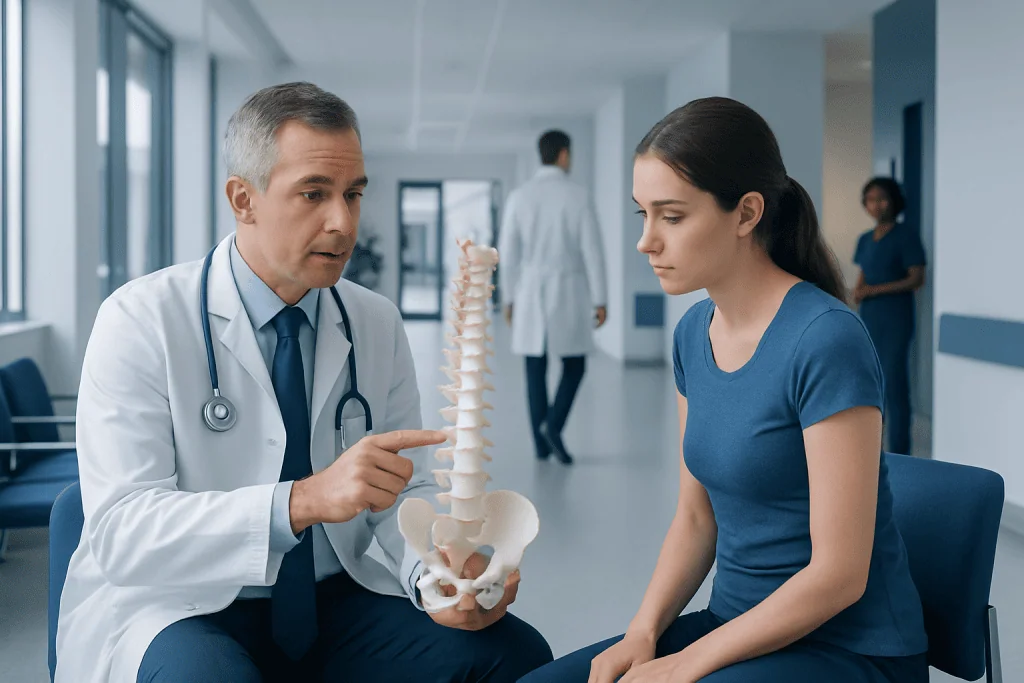
Lordosis describes an inward curve of the lower back; a mild curve is normal, but an exaggerated curve can cause symptoms or affect posture. A clinician assesses posture, flexibility, strength, neurological function, and, when needed, spinal imaging to identify the cause.
Key Takeaways
- Lordosis describes an inward curve of the lower back; a mild curve is normal, but an exaggerated curve can cause symptoms or affect posture.
- A clinician assesses posture, flexibility, strength, neurological function, and, when needed, spinal imaging to identify the cause.
- Physical therapy is often the main treatment and focuses on mobility, core control, hip strength, and movement habits.
- Bracing or surgery is reserved for selected children, adolescents, or adults with progressive curves, structural problems, significant pain, or nerve-related symptoms.
- New weakness, loss of bladder or bowel control, numbness around the groin, or severe pain after an injury requires urgent medical assessment.
Lordosis treatment depends on the cause, severity, symptoms, and whether the spinal curve is stable or progressing. Many people improve with guided exercise, physical therapy, and management of contributing conditions, while a small number need bracing or surgery.
Lordosis Treatment: How It Works
Lordosis treatment aims to address an excessive inward curve of the lower spine, reduce pain or strain, improve movement, and prevent progression when a curve is changing over time. The best approach depends on why the curve is present. Some people have a flexible, posture-related increase in the curve, while others have a structural spinal condition, hip problem, neuromuscular disorder, or another underlying cause.
A normal degree of lumbar lordosis helps the spine absorb forces and maintain balance. Treatment is considered when the curve is pronounced, painful, associated with muscle fatigue or restricted activity, or linked with changes in walking, balance, sensation, or strength. Lordosis treatment in adults often focuses on symptoms, function, bone health, and the conditions that may be contributing to spinal alignment.
Most treatment plans start conservatively. A clinician may recommend physiotherapy, activity modification, weight management where appropriate, and treatment for related problems such as hip tightness, arthritis, osteoporosis, or inflammatory disease. Bracing and surgery are considered only in specific situations after a careful specialist assessment.
Lordosis Symptoms, Causes and Severity
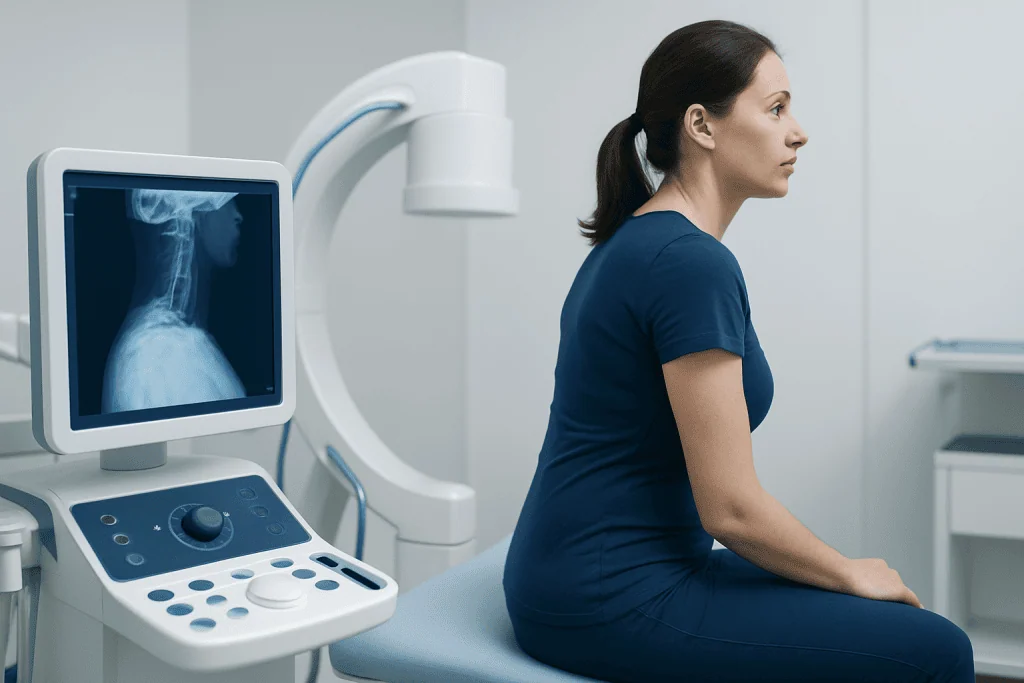
An increased lumbar curve can make the buttocks and abdomen appear more prominent and may be more noticeable when standing. Some people have no symptoms. Others experience lower-back aching, muscle tiredness after standing, stiffness, reduced range of motion, or discomfort during daily activities. Symptoms can also come from a separate condition affecting the discs, joints, nerves, hips, or muscles.
Possible causes include posture and muscle imbalance, obesity, pregnancy, tight hip flexor muscles, spondylolisthesis, spinal injuries, developmental differences, osteoporosis-related spinal changes, and certain neuromuscular conditions. In children and teenagers, rapid growth or conditions affecting bone and muscle development may also play a role. A fuller spinal assessment may be needed when lordosis occurs alongside another curvature, such as scoliosis.
How serious is lordosis? Lordosis is not automatically serious. A mild, stable curve without pain or functional limitation may simply be monitored. It can become more concerning if it progresses, causes persistent pain, affects mobility or balance, or is accompanied by neurological symptoms such as leg weakness, tingling, numbness, or changes in bladder or bowel control.
Lordosis How Is It Diagnosed?
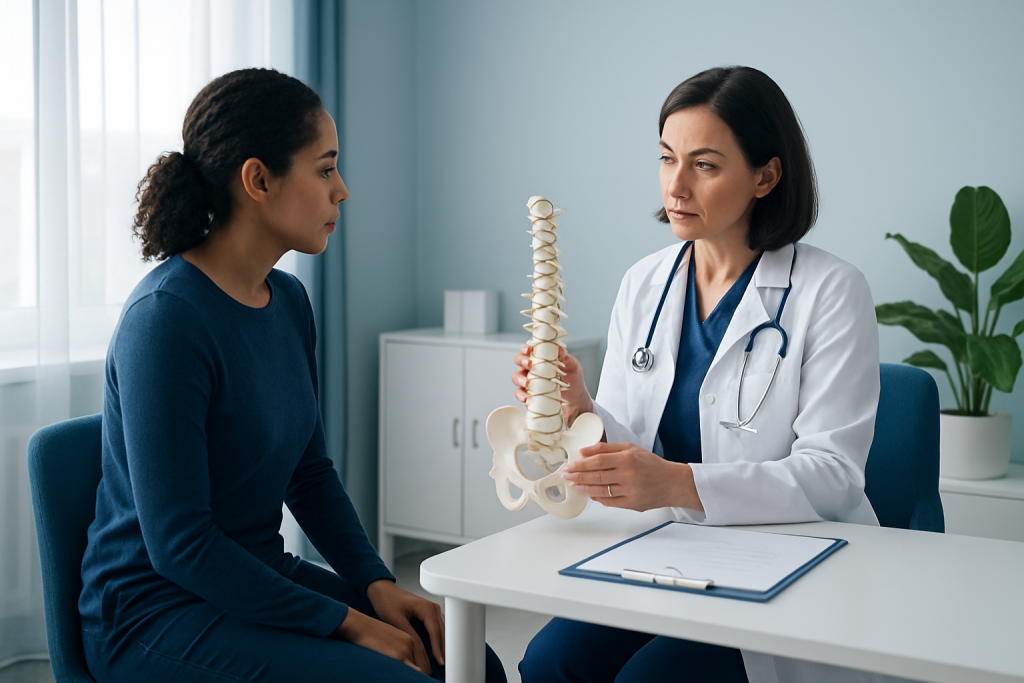
Lordosis is diagnosed through a medical history and physical examination. The clinician asks about symptoms, activity limitations, previous injuries, growth and development in children, medical conditions, and medicines. They observe posture and gait, assess the spinal curve from different positions, and check hip movement, muscle flexibility, strength, reflexes, and sensation.
Imaging is not always necessary for mild, uncomplicated symptoms. If the curve appears structural, symptoms are significant, or an underlying condition is suspected, standing spinal X-rays can show alignment and help measure the curve. MRI may be used when there are signs of nerve compression, spinal cord involvement, infection, tumor, or disc-related problems. CT scans and bone-density testing may be useful in selected cases.
Diagnosis also involves identifying what is driving the curve. This distinction guides lordosis treatment options: a flexible curve related to posture and muscle control is managed differently from a curve due to a vertebral slip, fracture, congenital difference, or neuromuscular condition. Referral to an orthopedic spine specialist, physiatrist, neurologist, or pediatric specialist may be appropriate depending on the findings.
Non-Surgical Lordosis Treatment Options
For many people, physiotherapy is the central part of lordosis treatment. A therapist designs an individual program that may include gentle stretching for tight hip flexors and lower-back muscles, strengthening for the abdominal wall, gluteal muscles, and hips, and training to improve spinal control during standing, walking, lifting, and exercise. The goal is not to force the spine into a single “perfect” shape, but to improve comfort, function, and support around the spine.
What muscles are weak with lordosis? Muscle patterns vary from person to person. In posture-related hyperlordosis, reduced endurance or control in the deep abdominal muscles, gluteal muscles, and hip stabilizers may contribute. Hip flexors and lower-back muscles can be relatively tight or overactive. A physical therapist can assess the individual pattern, because strengthening without addressing tightness, technique, and daily movement habits may not be as effective.
Other non-surgical measures may include temporary pain relief recommended by a clinician, heat or cold for short-term symptom management, gradual return to activity, ergonomic advice, and support for healthy body weight when relevant. Treatment may also target a contributing condition, such as low bone density or a hip disorder. Structured physical therapy and rehabilitation can help patients progress safely and adjust exercises as symptoms and capacity change.
Can you naturally fix lordosis? A flexible posture-related curve may improve naturally with consistent guided exercise, movement changes, and management of contributing factors. However, a structural curve cannot reliably be corrected through home exercises alone. Self-care should therefore complement, rather than replace, an assessment when pain is persistent, the curve is changing, or neurological symptoms are present.
Bracing and Surgery: Candidacy and the Procedure
Bracing may be considered mainly for growing children or adolescents when a spinal curve is progressive and a specialist believes external support may help control alignment during growth. A brace does not suit every type of lordosis and is usually combined with monitoring and rehabilitation. Adults are less commonly treated with bracing for long-term curve correction, although short-term support may occasionally be used for symptom relief in selected circumstances.
Surgery is not needed for most people with lordosis. It may be discussed when there is severe or progressive structural deformity, disabling pain that has not improved with appropriate non-surgical care, marked imbalance, nerve compression, spinal instability, or a condition such as high-grade vertebral slip. Decisions are individualized and take account of symptoms, imaging findings, general health, bone quality, goals, and likely risks.
When surgery is appropriate, the procedure is planned using imaging and detailed alignment measurements. Under anesthesia, the surgeon may decompress affected nerves, correct part of the deformity, and stabilize the spine with implants and bone graft to support fusion. The exact steps vary substantially according to the affected spinal levels and underlying diagnosis. Patients considering spine surgery should discuss alternatives, expected functional goals, rehabilitation needs, and the possibility that complete correction of the curve may not be necessary or advisable.
Recovery Timeline, Benefits and Risks
Recovery varies by cause and treatment. With a non-surgical program, some people notice improved comfort and movement within several weeks, but building strength, flexibility, and movement confidence often takes months of regular practice. Follow-up helps ensure that exercises remain appropriate and that symptoms or alignment are not worsening.
How long does it take to correct lordosis? There is no single timeline. Flexible posture-related lordosis may improve gradually over weeks to months with a tailored rehabilitation plan, while a structural curve may not fully change without treating its underlying cause. After surgery, hospital recovery is followed by weeks to months of progressive activity and rehabilitation, with spinal fusion healing continuing over a longer period.
Potential benefits of treatment include less pain and muscle fatigue, improved mobility, better balance, and improved ability to participate in work, school, exercise, or daily activities. Surgery may improve stability, nerve symptoms, or spinal balance for appropriately selected patients, but it involves meaningful risks. These can include infection, bleeding, blood clots, anesthesia reactions, nerve injury, persistent symptoms, failure of bone fusion, implant-related issues, and the possible need for further treatment.
A surgeon explains individual risks based on the procedure and the person’s health. Multidisciplinary specialists at Acibadem International and its JCI-accredited hospitals diagnose and treat spinal conditions for international patients, with rehabilitation and follow-up planning tailored to clinical needs.
When to Seek Medical Care
Medical review is advisable for persistent or worsening low-back pain, a visibly changing spinal curve, difficulty standing upright, repeated falls, reduced ability to walk or exercise, or symptoms that interfere with sleep, work, school, or daily activities. Children and adolescents should be assessed if caregivers notice rapid postural change, uneven body alignment, pain, or reduced participation in normal activities.
Urgent assessment is needed for new or worsening leg weakness, numbness that spreads or affects the groin area, loss of balance, fever with significant back pain, unexplained weight loss, or pain following a major injury. Sudden loss of bladder or bowel control, especially with leg weakness or saddle-area numbness, requires emergency care.
It is sensible to avoid attempting forceful spinal manipulation or intensive unsupervised exercise programs when the cause of the curve is unclear. A qualified clinician can determine whether conservative care is suitable and help develop a safe, realistic plan for lordosis how to treat based on the individual diagnosis.
Frequently asked questions
What is the best lordosis treatment?
The best lordosis treatment depends on the cause, severity, symptoms, age, and whether the curve is flexible or structural. Physiotherapy and treatment of contributing factors are often appropriate first steps. Bracing or surgery is reserved for selected cases with progression, instability, severe symptoms, or nerve involvement.
Can adults improve lordosis without surgery?
Many adults can improve pain, movement, strength, and function without surgery. A tailored program may include physical therapy, gradual activity, movement retraining, and treatment for related hip, bone, or spinal conditions. Structural changes may not completely reverse, but symptoms can still improve substantially with appropriate care.
Does exercise make lordosis worse?
Appropriately selected exercise is usually helpful, but the wrong exercise or poor technique can aggravate symptoms. Activities that repeatedly force the lower back into extension may be uncomfortable for some people. A physiotherapist can adapt exercises to the person's mobility, strength, pain level, and diagnosis.
Is lordosis the same as scoliosis?
No. Lordosis is an inward curve of the spine when viewed from the side, most often in the lower back. Scoliosis is a sideways spinal curve that is assessed from the front or back. Some people may have more than one type of spinal alignment difference.
Will a back brace correct lordosis?
A brace may have a role for some growing children or adolescents with a progressive curve, but it is not a universal treatment. It is less often used to correct adult lordosis. A spine specialist determines whether bracing is appropriate based on the cause and pattern of the curve.
When is surgery considered for lordosis?
Surgery may be considered when there is severe or worsening structural deformity, spinal instability, persistent disabling symptoms despite non-surgical care, or nerve compression. It is a carefully individualized decision made after clinical assessment and imaging. The expected benefits must outweigh the risks and recovery demands.
References
- American Academy of Orthopaedic Surgeons
- Scoliosis Research Society
- National Institute of Arthritis and Musculoskeletal and Skin Diseases
- National Health Service
- Mayo Clinic
This article is for general information only and is not a substitute for professional medical advice. Please consult a qualified doctor about your individual situation.
Joint and spine care in Turkey — expert assessment & treatment
JCI-accredited · board-certified surgeons · reply within 24h
Add us as a Preferred Source to see more of our trusted health content across Google Search, AI Overviews and Discover.

More from the Health Library
Targeted Therapy Breast Cancer Treatment: How It Works, Results and What to Expect
How Long Does Conjunctivitis Last with Treatment: How It Works, Results and What to Expect