Linac Radiation: How It Works, Results and What to Expect
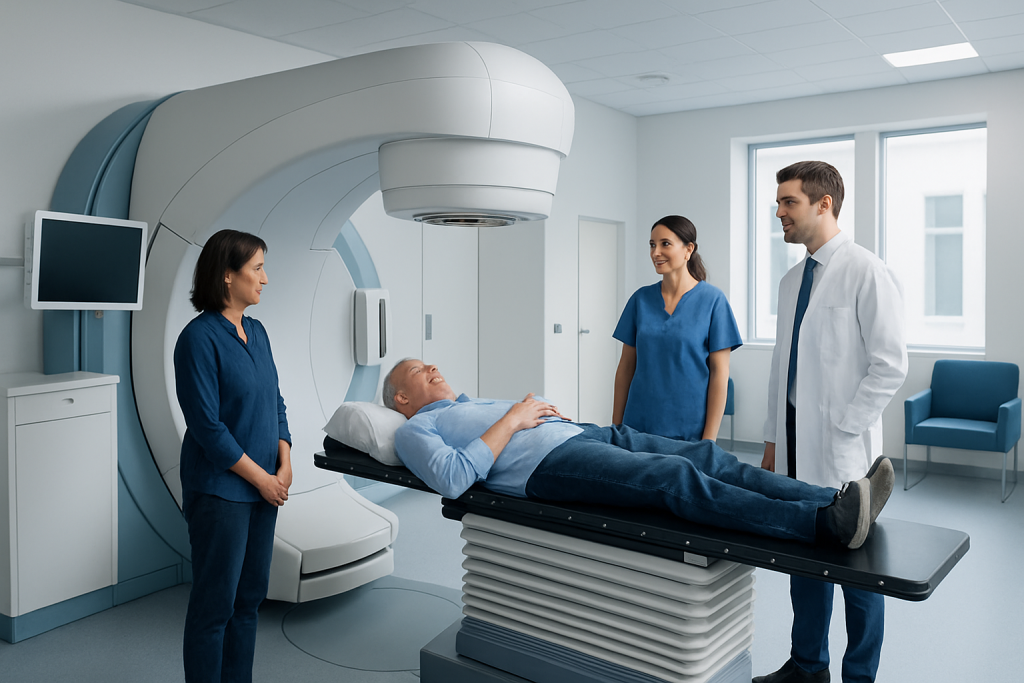
A LINAC creates high-energy X-rays or electrons used to treat many cancers and some noncancerous conditions. Planning scans, immobilization devices, and image guidance help the team position treatment accurately each day.
Key Takeaways
- A LINAC creates high-energy X-rays or electrons used to treat many cancers and some noncancerous conditions.
- Planning scans, immobilization devices, and image guidance help the team position treatment accurately each day.
- LINAC treatment itself is painless; fatigue and skin or organ-specific side effects can develop gradually during or after treatment.
- Results depend on the cancer type, stage, treatment goal, tumor biology, and whether radiation is combined with surgery, chemotherapy, or other therapies.
- Follow-up visits and imaging are essential because treatment response may take weeks to months to become clear.
Linac radiation is a form of external-beam radiation therapy that uses a linear accelerator (LINAC) to aim high-energy radiation at a tumor while limiting exposure to nearby healthy tissue. Treatment is carefully planned by a radiation oncology team, usually delivered over several outpatient visits, and adjusted to the person’s cancer type, location, and overall health.
Overview: What Is Linac Radiation?
Linac radiation is radiation therapy delivered with a machine called a linear accelerator, often shortened to LINAC. The machine produces carefully shaped beams of high-energy X-rays, or sometimes electrons, that pass through the body to damage cancer cells’ ability to divide and grow. It is a widely used form of external-beam radiation therapy in modern radiation oncology.
A LINAC does not make a person radioactive and does not touch the body during treatment. The radiation team uses detailed imaging and computerized planning to direct the dose toward the treatment area while protecting nearby organs as much as possible. Depending on the cancer, LINAC radiation may be used to cure disease, reduce the chance of recurrence after surgery, shrink a tumor before another treatment, or ease symptoms.
The term linac rad onc may appear in medical records or conversations as shorthand for linear-accelerator treatment in radiation oncology. A related approach, radiotherapy, can be delivered in several ways; LINAC treatment specifically refers to external radiation produced by this advanced machine.
How Linac Radiation Works and Who May Be a Candidate
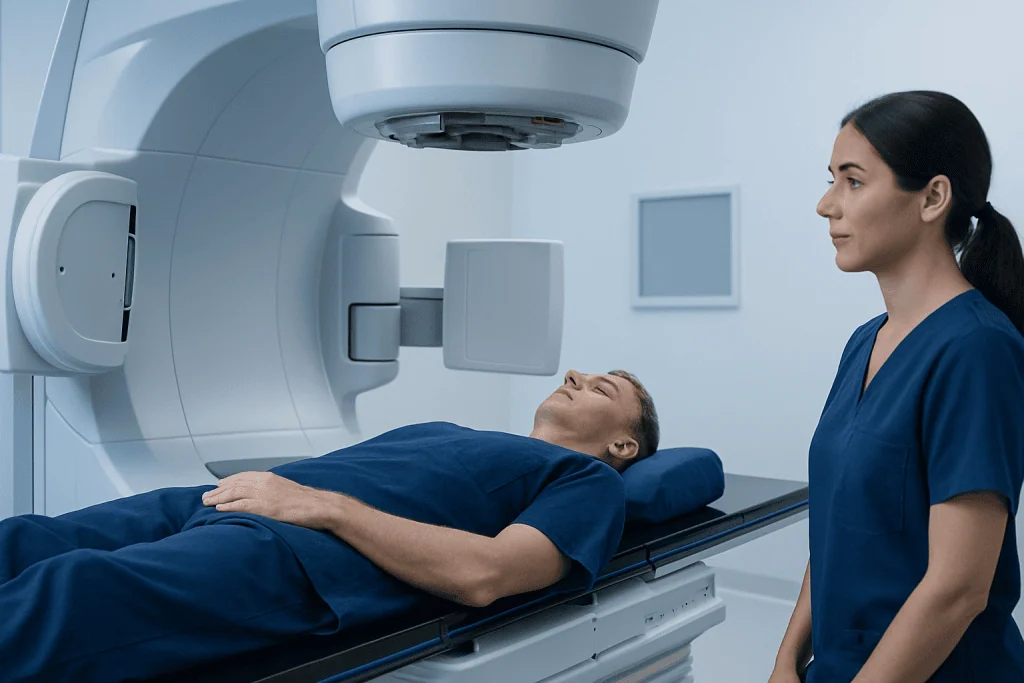
Radiation works by causing damage to the genetic material inside cells. Cancer cells often have less ability than normal cells to repair this damage, so they are more likely to stop growing or die over time. Healthy cells can also be affected, which is why treatment is planned precisely and usually divided into separate sessions, called fractions, when appropriate.
LINAC machines can rotate around the treatment table and deliver beams from different angles. Technologies such as three-dimensional conformal radiation therapy, intensity-modulated radiation therapy (IMRT), volumetric modulated arc therapy, stereotactic treatment, and image-guided radiation therapy can help shape and verify the treatment. The best linac radiation type depends on the tumor’s location, size, movement, nearby organs, and the overall treatment goal.
People may be candidates for linac radiation treatment for cancers of the breast, prostate, lung, head and neck, brain, digestive system, gynecologic organs, skin, bones, and other sites. It may also be used for some blood cancers and selected noncancerous conditions. A radiation oncologist considers pathology results, staging scans, previous treatments, medical conditions, and personal priorities before recommending a plan.
- Radiation may be the main treatment for a localized tumor.
- It may be given after surgery to treat possible remaining microscopic cancer cells.
- It may be combined with systemic therapy, such as chemotherapy, immunotherapy, or hormone therapy, when clinically appropriate.
- It may be used palliatively to relieve pain, bleeding, pressure, or other symptoms caused by cancer.
Step by Step: What Happens During Linac Radiation Treatment
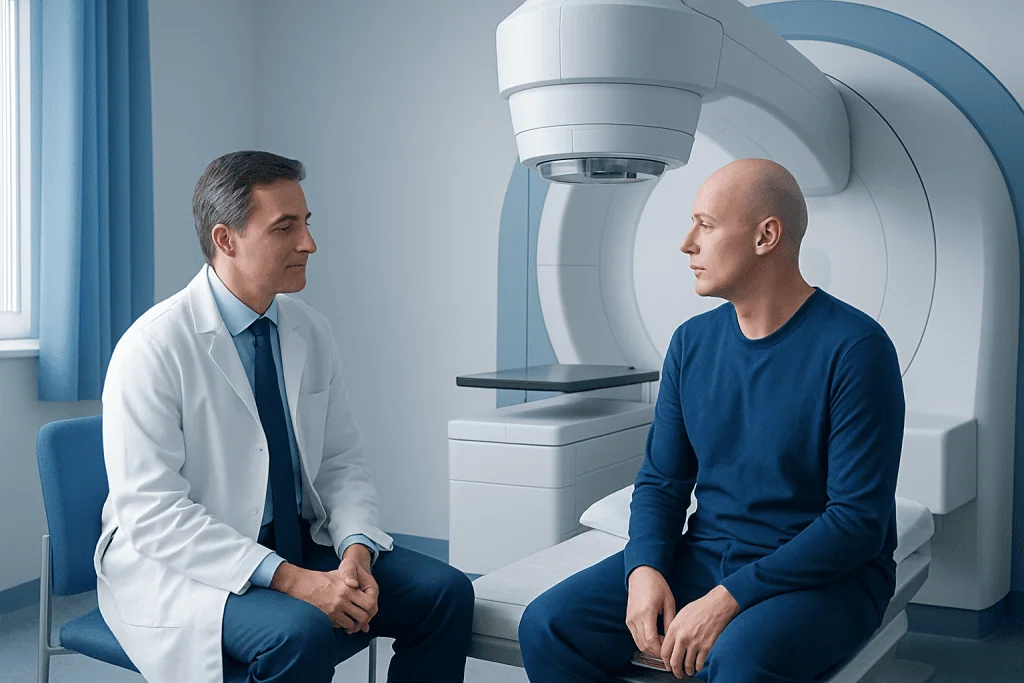
Before treatment begins, the person meets the radiation oncology team for consultation and informed consent. A planning CT scan, often called simulation, maps the treatment area. Depending on the body region, the team may make a custom mask, body mold, cushion, or other positioning device to help maintain the same position each day. Small skin marks or tiny tattoos may be used as alignment references.
Radiation oncologists, medical physicists, and dosimetrists then create and check a personalized plan. This process may take several days or longer because the team calculates how to deliver the prescribed dose while respecting safety limits for nearby normal tissues. Additional imaging, such as MRI or PET/CT, may be fused with the planning scan when it helps define the target.
At each treatment appointment, radiation therapists position the person on the treatment table and use imaging to confirm alignment. The LINAC moves around the table but does not usually touch the person. The actual beam delivery commonly takes only minutes, although setup and verification can take longer. The person needs to remain still, but can communicate with the team through an intercom and is monitored throughout.
Most courses are given on weekdays for a number of days or weeks, though some conditions can be treated in fewer, higher-dose sessions. The schedule is individualized; it should not be compared directly with another person’s plan. Regular on-treatment reviews allow the team to assess symptoms and provide supportive care.
Benefits, Risks, and Recovery Timeline
The central benefit of LINAC radiation is its ability to treat a defined target without an operation. Modern planning and image guidance can improve dose accuracy and reduce unnecessary radiation to normal tissue. It can be an important curative treatment, a useful addition to surgery or drug therapy, or a way to improve comfort and function when cure is not the goal.
LINAC treatment is painless while the beam is on. Side effects vary substantially according to the treated body area, total dose, treatment technique, and use of other therapies. Common short-term effects include tiredness, skin redness or sensitivity in the beam path, and local symptoms such as sore throat, swallowing difficulty, nausea, bowel changes, urinary irritation, or hair loss in the treated area. The team can suggest practical strategies and medicines where needed.
Many effects begin gradually after treatment starts and may continue for a short time after the final session. Fatigue can last for weeks, while skin reactions often peak near the end of treatment or shortly afterward before healing. Some late effects can occur months or years later, such as scarring, tissue stiffness, changes in organ function, infertility risk, or a small risk of a new cancer in the treated area. These risks are discussed in relation to the expected benefit before treatment.
Recovery is individual. Patients are often able to continue some usual activities during treatment, but may need more rest and help with practical responsibilities. Keeping follow-up appointments is important because the team monitors both recovery and longer-term effects.
What Is the Success Rate of LINAC?
There is no single success rate for LINAC radiation. The machine is a method of delivering radiation; outcomes are determined mainly by the type of cancer, stage, tumor features, location, treatment intent, dose plan, and whether radiation is combined with surgery or medicines. For some early-stage cancers, radiation may be used with curative intent and achieve excellent local control. In other situations, its main goal is symptom relief or slowing disease progression.
Success may also mean different things in different settings. A clinician may evaluate whether a tumor has disappeared, stopped growing, become easier to remove, or caused fewer symptoms. Local control describes control of cancer in the treated area, while survival depends on many additional factors, including whether cancer is present elsewhere in the body.
Patients can ask their radiation oncologist what treatment is intended to achieve, what outcome measures are most relevant for their diagnosis, and how response will be monitored. This provides a more meaningful expectation than a general percentage from another cancer type or treatment center.
How to Tell If Radiation Therapy Is Working
Radiation therapy usually works gradually. Cancer cells may continue to lose their ability to divide for weeks or months after the final treatment, so an immediate change on a scan is not always expected. The timing and method of assessment depend on the cancer site and the reason for treatment.
Doctors may monitor symptoms, physical examination findings, blood tests such as tumor markers when appropriate, and follow-up imaging. For example, reduced pain or bleeding may indicate that palliative radiation is helping, while a scan may be scheduled later to assess tumor shrinkage or stability. In some cancers, early imaging can show inflammation or treatment-related change that needs expert interpretation.
It is important not to judge effectiveness solely by side effects. Having few side effects does not mean radiation is ineffective, and more side effects do not prove it is working better. The oncology team will explain the follow-up schedule and what changes should prompt an earlier call.
What Are the Hardest Days After Radiation Treatment?
For many people, the most challenging period is near the end of the treatment course and the first one to two weeks after it finishes. Radiation effects can build over time, and some short-term symptoms may temporarily worsen after the last session before beginning to improve. The exact pattern depends strongly on the body area treated.
For example, skin irritation may become more noticeable after treatment ends, while radiation to the head and neck can cause mouth or throat discomfort that needs close nutritional and symptom support. Treatment to the pelvis or abdomen can lead to temporary bowel or bladder symptoms. Fatigue may be most noticeable when travel, daily appointments, sleep disruption, and the body’s healing response occur together.
Patients should tell the care team early about pain, difficulty eating or drinking, dehydration, uncontrolled nausea, diarrhea, skin breakdown, fever, or symptoms that interfere with daily life. Supportive treatment can often make recovery safer and more comfortable. Symptoms should not simply be endured without asking for help.
What I Wish I Knew Before Radiation and When to Seek Medical Care
Before radiation, many patients find it helpful to know that the daily treatment appointment is usually brief, but the planning process is detailed because accuracy matters. Comfortable clothing, reliable transportation, a simple plan for meals and rest, and a written list of questions can make the treatment course easier. Skin in the treatment area should be cared for only with products approved by the radiation team, as some products may worsen irritation or affect treatment markings.
It is also useful to expect that emotional responses can change during treatment. Uncertainty, tiredness, and concern about side effects are common. Patients may benefit from asking about dietitian support, pain and symptom management, counseling, rehabilitation, fertility preservation when relevant, and social-work services before treatment begins.
When to seek medical care: Patients should contact their radiation team promptly for severe or rapidly worsening symptoms, inability to drink fluids or take prescribed medicines, persistent vomiting, fever, new confusion, heavy bleeding, severe shortness of breath, chest pain, or a painful or extensive skin reaction. Emergency care is appropriate for severe breathing difficulty, chest pain, signs of stroke, fainting, or other urgent symptoms. Acibadem International’s multidisciplinary specialists and JCI-accredited hospitals diagnose and treat cancer for international patients, with care plans coordinated across relevant specialties.
Frequently asked questions
Is LINAC radiation painful?
No. A person does not feel the radiation beam during LINAC treatment, and the machine does not usually touch the body. Some people may find holding a treatment position uncomfortable, but the team can help with positioning and support devices.
How long does a LINAC radiation appointment take?
The radiation beam may be delivered in only a few minutes, but setup, imaging, and position checks take additional time. The total appointment length varies by treatment technique and body area, and the team will explain what to expect.
Does LINAC radiation make a person radioactive?
External-beam LINAC radiation does not make the person radioactive. They can generally be around family members, children, and pregnant people after each session unless their medical team gives different instructions for another treatment type.
Can a person work during linac radiation treatment?
Many people continue working or maintaining parts of their usual routine, particularly early in a course of treatment. However, fatigue, travel requirements, and site-specific side effects can make schedule adjustments or time away from work necessary.
Why are follow-up scans not always done immediately after radiation?
Radiation effects continue after treatment ends, and early scans can be difficult to interpret because inflammation and healing may resemble tumor changes. The oncology team chooses the timing of scans based on the cancer type and treatment goal.
What should a patient bring to radiation treatment appointments?
Comfortable clothing, a list of current medicines, water if permitted, and any questions for the care team are often helpful. The team may also provide specific instructions about food, bladder filling, skin care, or preparation for the treated area.
References
- National Cancer Institute
- American Society for Radiation Oncology
- RadiologyInfo.org
- Cancer Research UK
- World Health Organization
This article is for general information only and is not a substitute for professional medical advice. Please consult a qualified doctor about your individual situation.
Oncology care in Turkey — second opinion and treatment plan
JCI-accredited · board-certified surgeons · reply within 24h