Focal Convulsions Treatment: How It Works, Results and What to Expect

Focal seizures begin in one area of the brain and may or may not affect awareness. Antiseizure medication is usually the first treatment and should be taken exactly as prescribed.
Key Takeaways
- Focal seizures begin in one area of the brain and may or may not affect awareness.
- Antiseizure medication is usually the first treatment and should be taken exactly as prescribed.
- An EEG can support a diagnosis, but a normal routine EEG does not rule out focal epilepsy.
- People with ongoing seizures despite appropriate medicines may benefit from assessment at a specialist epilepsy center.
- Urgent care is needed for a prolonged seizure, repeated seizures without recovery, injury, breathing difficulty, or a first seizure.
Focal convulsions treatment aims to prevent seizures, reduce their impact on daily life, and address the underlying cause when one is identified. Most people begin with antiseizure medication, while persistent seizures may require detailed assessment for dietary therapy, neuromodulation, or surgery.
Overview: how focal convulsions treatment works
Focal convulsions treatment is individualized care for seizures that begin in one part of the brain. The main goal is seizure freedom where possible, while also minimizing treatment side effects and helping the person safely continue work, education, driving decisions, sleep, and other daily activities. Treatment usually begins after a clinician has confirmed that the episodes are likely seizures and assessed possible causes.
Not every focal seizure causes visible shaking. Some involve unusual sensations, brief staring, changes in behavior, lip smacking, repetitive movements, loss of awareness, or confusion afterward. A focal seizure can sometimes spread to both sides of the brain and cause a bilateral tonic-clonic seizure, with stiffening and rhythmic jerking.
For many people, an antiseizure medicine controls seizures well. If seizures continue after trials of two suitable, tolerated medications, the condition is often described as drug-resistant epilepsy. This does not mean that no options remain; it signals the need for a comprehensive review, which may include advanced testing and consideration of non-medication treatments.
Assessment and candidacy for treatment
Anyone who has experienced a suspected focal seizure should be assessed by a qualified clinician, often a neurologist. Diagnosis relies on a careful description of what happened before, during, and after the episode. A witness account or a safely recorded phone video can sometimes provide useful information, although it should never delay first aid or emergency care.
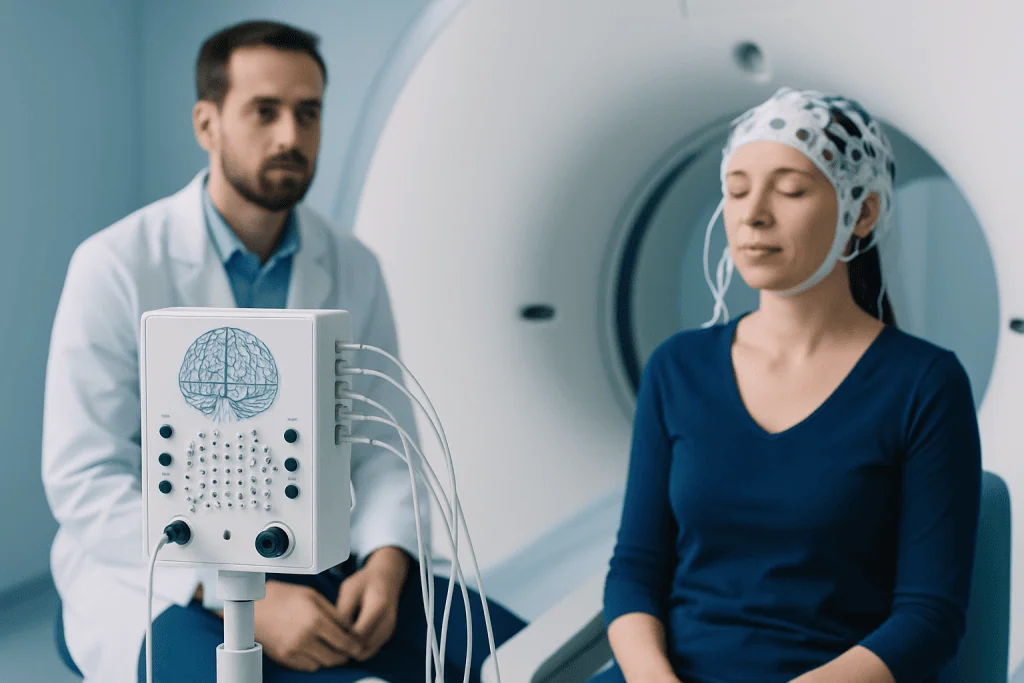
The assessment commonly includes a neurological examination, blood tests when appropriate, an electroencephalogram (EEG), and brain imaging. Magnetic resonance imaging (MRI) is especially useful for identifying structural changes that may be linked with focal seizures, such as a previous injury, scar tissue, developmental differences, stroke-related changes, inflammation, or a tumor.
Medication is generally appropriate for people with recurrent unprovoked seizures or a high likelihood of recurrence. Specialist evaluation is particularly important for seizures that persist despite treatment, seizures that may start from a defined brain area, pregnancy planning, substantial medication side effects, or uncertainty about whether episodes are epileptic seizures or another condition.
Children, older adults, and people with other medical conditions may need additional consideration when selecting a treatment. The most suitable plan is based on seizure type, likely seizure origin, medical history, other medicines, lifestyle needs, and personal preferences.
Treatment options and the step-by-step care pathway

The first step is usually selecting an antiseizure medication that is appropriate for focal seizures. The clinician starts treatment, explains how and when to take it, and arranges follow-up to review seizure control and possible side effects. It is important not to stop medication suddenly unless a clinician advises it, because abrupt withdrawal can trigger seizures.
If one medicine does not adequately control seizures or causes unacceptable effects, the clinician may adjust the plan or try another appropriate medicine. Some people need more than one medicine, but combining medicines can also increase side effects. Follow-up may include seizure diaries, medication reviews, blood tests for selected medicines, and discussion of sleep, mood, memory, and daily functioning.
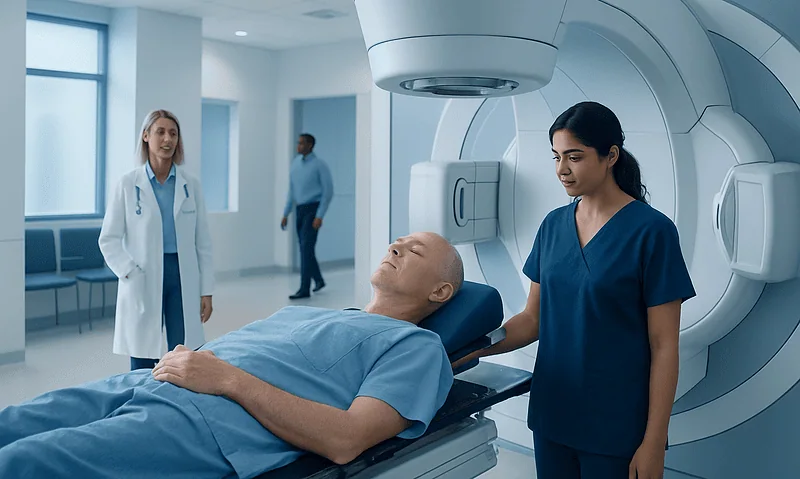
When seizures continue after two suitable medication trials, referral for specialist epilepsy assessment should not be delayed. This may include prolonged video-EEG monitoring, high-resolution MRI, neuropsychological testing, and other studies to determine where seizures begin and whether a procedure could be safe and helpful. Depending on the findings, options can include epilepsy surgery, vagus nerve stimulation, responsive neurostimulation where available, deep brain stimulation, or dietary therapy in selected people.
Epilepsy surgery is not one single procedure. In some cases, surgeons remove or disconnect a small seizure-producing brain area while protecting functions such as language, movement, and memory. Other procedures use implanted devices to alter seizure-related brain activity. A multidisciplinary team reviews each case carefully, because suitability depends on the seizure focus, brain function mapping, general health, and the individual’s goals.
Benefits, risks, and recovery expectations
The potential benefit of treatment is fewer seizures or complete seizure freedom, along with improved safety, independence, and quality of life. Even when seizures do not stop entirely, reducing their frequency, severity, or recovery time can be meaningful. Effective treatment may also lower the risk of injuries associated with loss of awareness or falls.
Antiseizure medicines can cause side effects, which vary by medicine and person. Possible effects include tiredness, dizziness, changes in appetite or weight, rash, mood changes, or difficulty concentrating. A person should report new or troublesome symptoms promptly; urgent medical advice is needed for a severe rash, swelling, breathing problems, or marked changes in mood or behavior.
Recovery after medication changes is usually gradual and involves monitoring rather than a fixed recovery period. It can take time to identify the medicine and dose that offer the best balance between seizure control and tolerability. Keeping a detailed seizure diary can help the care team recognize patterns and adjust treatment safely.
Recovery after an epilepsy procedure depends on the procedure performed and the person’s health. Hospital stay may range from a short admission for a device procedure to a longer stay after brain surgery. Follow-up includes wound care when relevant, medication management, rehabilitation if needed, and ongoing seizure monitoring. Many people continue antiseizure medicine for a period after surgery, even if seizures improve.
How does someone feel after a focal seizure?
How a person feels after a focal seizure varies widely. Some recover quickly and remember the event clearly, particularly after focal aware seizures. Others experience a post-seizure period of confusion, fatigue, headache, muscle soreness, nausea, emotional changes, or difficulty finding words and may need minutes to hours to feel fully back to normal.
After a focal impaired-awareness seizure, the person may not recall what happened and may be temporarily disoriented. They should be guided away from hazards, offered calm reassurance, and allowed time to recover in a safe place. It is best not to restrain them or put anything in their mouth.
If a person has a new pattern of severe symptoms after a seizure, does not regain their usual awareness, has trouble breathing, is injured, or has repeated seizures, emergency medical care is needed. A clinician can advise the individual and family about an appropriate seizure action plan.
How serious is focal epilepsy?
Focal epilepsy can range from infrequent, brief seizures that respond well to treatment to persistent seizures that substantially affect safety and daily life. Its seriousness depends on factors such as seizure frequency, loss of awareness, risk of falls or injuries, underlying brain condition, response to treatment, and the impact on school, work, mental well-being, and relationships.
Many people with focal epilepsy achieve good seizure control with the right treatment plan. However, ongoing seizures deserve timely specialist review because they may affect independence and carry safety risks, especially around water, heights, traffic, machinery, or cooking. Individual advice about driving and work safety should follow local regulations and guidance from the treating clinician.
Epilepsy may also coexist with anxiety, depression, sleep difficulties, or cognitive concerns. These are treatable aspects of care and should be discussed openly. A comprehensive plan addresses both seizure control and overall well-being.
Will focal seizures show up on an EEG?
Focal seizures may show characteristic electrical patterns on an EEG, especially when the recording captures a seizure or shows interictal epileptiform discharges between seizures. EEG findings can help support the diagnosis, classify the seizure type, and suggest the region of the brain where seizures may begin.
However, a normal routine EEG does not exclude focal epilepsy. Seizure-related electrical changes can be intermittent or located deep in the brain, where they are not easily detected during a short scalp recording. For this reason, clinicians interpret EEG results alongside the person’s history, examination, imaging, and witness descriptions.
If the diagnosis remains uncertain or seizures are difficult to control, longer ambulatory EEG or inpatient video-EEG monitoring may be recommended. These tests record brain activity over a longer period and can correlate symptoms or behaviors with EEG changes.
What happens if you do not treat focal seizures?
Untreated focal seizures may recur, and their frequency or severity can be unpredictable. Seizures involving impaired awareness can create risks during activities such as driving, bathing or swimming alone, using machinery, cooking over an open flame, or being at heights. Repeated seizures can also disrupt sleep, education, employment, and emotional well-being.
In some people, untreated seizures can progress to bilateral tonic-clonic seizures. A prolonged seizure or a series of seizures without normal recovery is a medical emergency. In addition, recurrent seizures may signal an underlying condition that needs investigation, which is another reason to seek assessment rather than managing symptoms alone.
Treatment does not always mean immediate long-term medication after a single event; the decision depends on the likelihood of another seizure and the person’s individual circumstances. A neurologist can explain the benefits and limitations of treatment and help the person make an informed plan.
Self-care and when to seek medical care
Alongside prescribed treatment, regular sleep, taking medicine consistently, avoiding known personal seizure triggers, and limiting alcohol if advised can support seizure control. Skipped medication doses are a common avoidable contributor to breakthrough seizures. People should consult their clinician before starting over-the-counter medicines, supplements, or herbal products because some may interact with antiseizure medication.
A seizure diary can record the date, time, symptoms, duration, possible triggers, recovery, and any missed doses. Family members, friends, colleagues, or teachers may also benefit from knowing basic seizure first aid: remain calm, protect the person from injury, time the seizure, place them on their side if they are unresponsive or convulsing, and stay with them until recovery.
Emergency medical care is needed for a first seizure, a seizure lasting five minutes or longer, repeated seizures without full recovery, breathing difficulty, injury, seizure in water, pregnancy, or concern that the person is not returning to their usual state. Non-urgent medical review is appropriate for any new suspected seizure, changes in seizure pattern, medication side effects, or worsening seizure control.
Acibadem International’s multidisciplinary specialists in JCI-accredited hospitals evaluate and treat focal epilepsy for international patients, including people who may need advanced epilepsy assessment or procedural options.
Frequently asked questions
Can focal seizures be cured?
Some focal seizures can stop completely with antiseizure medication, treatment of an underlying cause, or a suitable procedure such as epilepsy surgery. Others require ongoing management. The outlook depends on the seizure cause, the area of brain involved, and response to treatment.
What is the first-line treatment for focal seizures?
Antiseizure medication is commonly the first treatment for recurrent focal seizures. The specific medicine is chosen by a clinician based on seizure type, age, other health conditions, possible interactions, and pregnancy considerations. Regular follow-up helps assess effectiveness and side effects.
When is surgery considered for focal epilepsy?
Surgery may be considered when seizures continue despite trials of two appropriate antiseizure medicines or when a removable seizure-producing area is clearly identified. A specialist epilepsy team performs detailed testing before recommending any procedure. Not everyone is a candidate, but evaluation can clarify the available options.
Can stress trigger focal seizures?
Stress does not cause epilepsy itself, but it can be a seizure trigger for some people. Stress may affect sleep, medication routines, and overall health, which can increase seizure susceptibility. Identifying individual patterns in a seizure diary can be useful.
Should someone go to the emergency department after every focal seizure?
Not necessarily, especially if the person has a known diagnosis, the seizure follows their usual pattern, and they recover fully according to their care plan. Emergency care is important for a first seizure, a prolonged seizure, repeated seizures without recovery, injury, breathing problems, pregnancy, or an unusual recovery. Individual instructions from the treating clinician should take priority.
Can a person live normally with focal epilepsy?
Many people with focal epilepsy lead active lives, particularly when seizures are well controlled and safety planning is in place. Some activities may need temporary or ongoing adjustments depending on seizure type and local driving rules. Ongoing communication with the care team can help support independence and quality of life.
References
- World Health Organization
- International League Against Epilepsy
- National Institute of Neurological Disorders and Stroke
- National Institute for Health and Care Excellence
- Epilepsy Foundation
This article is for general information only and is not a substitute for professional medical advice. Please consult a qualified doctor about your individual situation.
Explore treatments in Turkey — costs, top hospitals & a free quote
JCI-accredited · board-certified surgeons · reply within 24h
Add us as a Preferred Source to see more of our trusted health content across Google Search, AI Overviews and Discover.