

Gi Specialist: An Evidence-Based Patient Guide

A GI specialist is a physician with advanced training in digestive, liver and pancreatic health. Persistent symptoms such as swallowing difficulty, bleeding, unexplained weight loss or ongoing bowel changes should be medically assessed.
Key Takeaways
- A GI specialist is a physician with advanced training in digestive, liver and pancreatic health.
- Persistent symptoms such as swallowing difficulty, bleeding, unexplained weight loss or ongoing bowel changes should be medically assessed.
- GI specialist procedures may include upper endoscopy, colonoscopy, capsule endoscopy and certain therapeutic interventions.
- Preparation, medical history and current medicines are important for a safe and useful consultation or procedure.
- The right specialist is one whose expertise, communication style, credentials and access to appropriate testing fit the patient’s needs.
A GI specialist, also called a gastroenterologist, is a doctor trained to diagnose and manage conditions affecting the digestive tract, liver, pancreas and bile ducts. They can investigate persistent digestive symptoms, recommend lifestyle or medication-based care, and perform procedures such as endoscopy or colonoscopy when appropriate.
What Does a GI Specialist Do?
A GI specialist is a physician who focuses on the digestive system. This specialist is usually called a gastroenterologist. Gastroenterologists diagnose and manage conditions involving the esophagus, stomach, small intestine, large intestine, rectum, liver, gallbladder, bile ducts and pancreas. They may also help coordinate care with primary care doctors, surgeons, dietitians, oncologists and other specialists.
Many people see a gastroenterologist for symptoms that do not settle with basic care, such as persistent heartburn, abdominal pain, ongoing diarrhea, constipation, bloating or changes in bowel habits. Others are referred because of abnormal blood tests, imaging findings, a family history of digestive cancer, or a need for colorectal cancer screening.
GI care is not limited to diagnosis. A gastroenterologist may recommend nutrition changes, medicines, monitoring tests and preventive screening. They are also trained to perform procedures that examine the digestive tract or treat selected problems, including removing polyps during colonoscopy or managing some causes of digestive bleeding.
What Is the Difference Between a Gastroenterologist and GI?
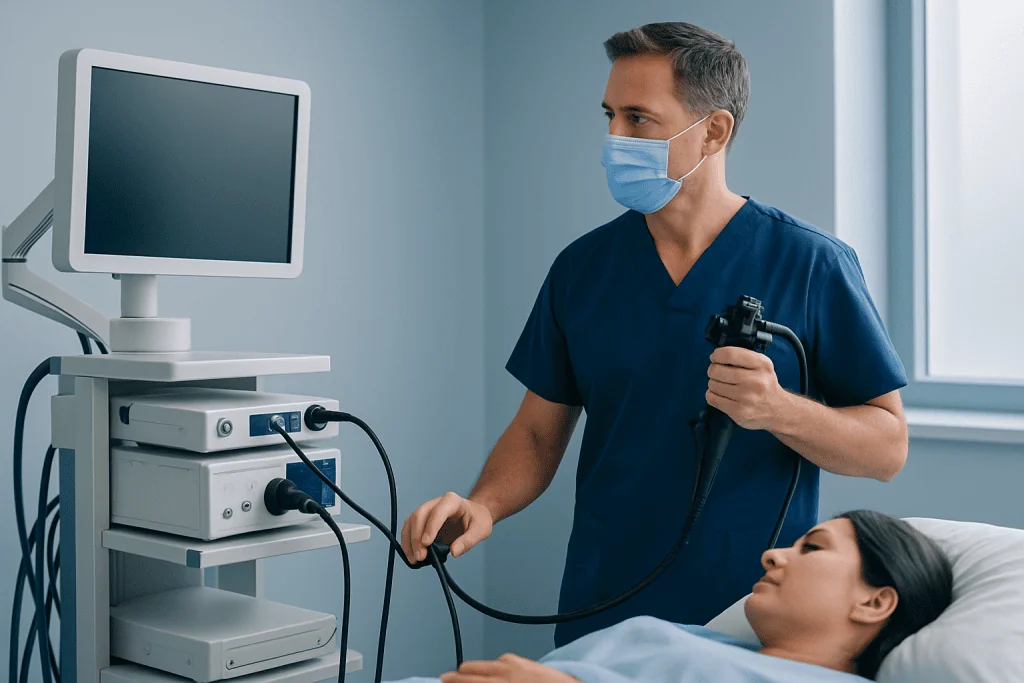
GI is a shortened term for gastrointestinal, meaning the stomach and intestines. In everyday healthcare language, people may say “GI doctor,” “GI clinic” or “GI specialist” when referring to gastroenterology services. A gastroenterologist is the medical doctor with specialist training in this field.
Some digestive concerns are managed by other professionals as well. A hepatologist focuses particularly on liver disease and may be a gastroenterologist with additional liver-focused expertise. A colorectal surgeon treats conditions of the colon, rectum and anus that may need surgery. A gastrointestinal surgeon performs operations involving the digestive system, while a gastroenterologist generally manages medical care and endoscopic procedures.
Patients may also encounter a GI expert witness in legal settings. This is a separate professional role in which a qualified clinician provides an independent medical opinion for a legal case; it is not a type of clinical treatment or a measure of routine patient care.
What Are 7 Signs It’s Time to See a Gastroenterologist?

Digestive symptoms are common and often have non-serious causes. However, an appointment with a gastroenterologist can be helpful when symptoms are persistent, recurrent, unexplained or affecting daily life. A primary care doctor can also help determine whether a GI referral is appropriate.
- Heartburn or acid reflux that continues despite lifestyle changes or recommended treatment.
- Difficulty swallowing, pain with swallowing or a sensation that food is getting stuck.
- Persistent abdominal pain, significant bloating, nausea or vomiting without a clear explanation.
- Ongoing diarrhea, constipation, or a new and lasting change in bowel habits.
- Blood in the stool, black stools, rectal bleeding or unexplained iron-deficiency anemia.
- Unintentional weight loss, reduced appetite or fatigue that may be related to a digestive condition.
- A need for colorectal cancer screening, surveillance after polyps, or assessment of a strong family history of colorectal cancer or inflammatory bowel disease.
These signs do not automatically mean a serious illness is present. They do indicate that a clinician should take a careful history, perform an examination when needed, and decide whether blood tests, stool tests, imaging or a GI procedure would be useful.
GI Specialist Procedures: How Testing and Treatment Work
GI specialist procedures are chosen according to a person’s symptoms, age, medical history, examination findings and test results. Common diagnostic procedures include upper endoscopy, which examines the esophagus, stomach and first part of the small intestine, and colonoscopy, which examines the colon and rectum. Other options may include flexible sigmoidoscopy, capsule endoscopy, ultrasound-based procedures and specialized functional tests.
For an upper endoscopy or colonoscopy, the patient is usually asked to follow fasting or bowel-preparation instructions. At the clinic or hospital, the care team reviews allergies, medical conditions and medicines, including blood thinners and diabetes medicines. Sedation is commonly used for comfort, and a thin flexible instrument with a camera is carefully guided through the mouth or rectum depending on the procedure.
During the examination, the gastroenterologist may take small tissue samples called biopsies. This is often painless and can help identify inflammation, infection, celiac disease or other conditions. Polyps found during colonoscopy can frequently be removed at the same visit. Most patients return home on the day of the procedure, but need a responsible adult to accompany them if sedation was used.
The benefits of endoscopic testing include direct visualization of the digestive tract, the ability to collect tissue samples and, in some cases, treatment during the same session. Risks are uncommon but can include medication reactions, bleeding, infection, a tear in the digestive tract or complications related to sedation. The care team explains individual risks, benefits and alternatives before obtaining consent.
Candidacy, Preparation and Recovery After GI Procedures
A person may be a candidate for a GI procedure when symptoms, screening recommendations or test results indicate that direct examination could clarify a diagnosis or support treatment. For example, a colonoscopy may be recommended for colorectal cancer screening or evaluation of bleeding and bowel changes. An upper endoscopy may be considered for persistent reflux, swallowing problems, upper abdominal symptoms or unexplained anemia.
Preparation matters because it affects both safety and the accuracy of results. Patients should share a complete medication list, including over-the-counter pain relievers, supplements and herbal products. They should not stop prescribed medicines on their own; instead, they should ask the clinical team whether any adjustments are needed before a procedure.
After sedation, temporary drowsiness and reduced coordination are expected, so driving, alcohol, important decisions and operating machinery should be avoided for the remainder of the day. Mild bloating, gas or a sore throat can occur after some procedures and generally settles quickly. The doctor will explain when normal eating, work, exercise and medicines can be resumed.
Patients should contact their care team promptly after a procedure if they develop severe or worsening abdominal pain, fever, persistent vomiting, heavy rectal bleeding, black stools, chest pain, fainting or trouble breathing. Written discharge instructions should always take priority because recovery advice varies by procedure and individual health needs.
What Should I Avoid Before Seeing a Gastroenterologist?
Before a gastroenterology appointment, patients should avoid changing or stopping prescribed medicines without medical advice. This is especially important for blood thinners, diabetes medicines, steroid medicines and treatments for heart conditions, seizures or immune-related diseases. A GI specialist needs an accurate picture of symptoms and current treatment to make safe recommendations.
It can also be helpful to avoid beginning highly restrictive diets immediately before the assessment unless a clinician has advised it. For example, eliminating gluten before testing for celiac disease may affect some results. Rather than trying to self-diagnose with multiple dietary changes, patients can keep a short record of foods, symptoms, bowel habits and possible triggers to discuss during the visit.
Patients should bring prior records when available, including laboratory reports, imaging results, procedure reports and a list of family conditions. They should not ignore concerning symptoms while waiting for an appointment. Blood in the stool, black stools, severe pain, repeated vomiting, yellowing of the skin or eyes, or signs of dehydration need timely medical assessment.
When to Seek Medical Care
Medical advice should be sought for digestive symptoms that persist, recur frequently or interfere with eating, sleep, work or daily activities. A routine appointment may be suitable for ongoing reflux, bowel changes, mild recurrent discomfort or questions about screening. Primary care clinicians can often arrange initial tests and referrals.
Urgent medical care is appropriate for severe abdominal pain, vomiting blood, black tar-like stools, significant rectal bleeding, fainting, confusion, a rigid abdomen, inability to keep fluids down, or symptoms of dehydration. These symptoms require prompt evaluation because they can sometimes indicate bleeding, obstruction, infection or another condition needing urgent treatment.
For patients seeking coordinated digestive care, Acibadem International’s multidisciplinary specialists and JCI-accredited hospitals assess digestive symptoms and arrange appropriate investigations and treatment plans for international patients. The best next step is an appointment with a qualified clinician who can consider the individual’s symptoms, medical history and test findings.
Who Is the Best Gastroenterologist in Winston-Salem, NC?
There is no single best gastroenterologist for every person in Winston-Salem, NC, or any other location. The most suitable doctor depends on the patient’s concern, such as inflammatory bowel disease, liver disease, swallowing difficulty, pancreatic conditions, complex endoscopy needs or routine colorectal screening.
When choosing a gastroenterologist, patients may consider board certification, relevant subspecialty experience, hospital affiliations, communication style, language needs, appointment availability and whether the practice can provide appropriate diagnostic testing. Referrals from a primary care clinician and information from a health insurer can also help narrow options.
A gi specialist patient portal can be useful for reviewing preparation instructions, test results, visit summaries and secure messages, but it should not replace urgent medical care. Search terms such as “GI Specialists of GA patient portal” usually refer to a particular practice’s online system; patients should use the official portal information provided by their own healthcare organization.
Frequently asked questions
Do I need a referral to see a GI specialist?
This depends on the healthcare system, insurance plan and country. Some patients can book directly with a gastroenterologist, while others need a referral from a primary care clinician. Checking with the clinic and insurer beforehand can prevent delays.
What conditions does a gastroenterologist treat?
Gastroenterologists manage many conditions affecting the digestive tract, liver, pancreas and bile ducts. These include reflux disease, ulcers, irritable bowel syndrome, inflammatory bowel disease, celiac disease, hepatitis, fatty liver disease, gallstones and colorectal polyps, among others.
What should I bring to my first gastroenterology appointment?
Patients should bring a medication and supplement list, details of symptoms, previous test results and relevant medical records. Information about family history of colorectal cancer, inflammatory bowel disease, celiac disease or liver disease can also be important.
Does a GI specialist always perform a colonoscopy?
No. A colonoscopy is recommended only when it is clinically appropriate, such as for screening, follow-up of polyps, bleeding, unexplained anemia or certain bowel changes. The specialist may first recommend other tests, observation or treatment depending on the situation.
How long does it take to recover from an endoscopy or colonoscopy?
Most people go home the same day and feel largely back to normal by the next day. Sedation can cause drowsiness for several hours, and mild bloating or throat discomfort may occur. Recovery can differ if treatment such as polyp removal was performed.
Can I eat before a gastroenterology consultation?
For a standard office consultation, patients can usually eat normally unless the clinic has given different instructions. If blood tests, imaging, endoscopy or colonoscopy are planned, fasting or bowel preparation instructions may apply. The clinic should provide clear guidance in advance.
References
- American College of Gastroenterology
- National Institute of Diabetes and Digestive and Kidney Diseases
- National Cancer Institute
- American Society for Gastrointestinal Endoscopy
- World Gastroenterology Organisation
This article is for general information only and is not a substitute for professional medical advice. Please consult a qualified doctor about your individual situation.
Persistent digestive symptoms? Get evaluated in Turkey
JCI-accredited · board-certified surgeons · reply within 24h
Add us as a Preferred Source to see more of our trusted health content across Google Search, AI Overviews and Discover.

More from the Health Library



Related Specialists

Dyt. Zehra Mevce Abatay Bıkmaz
Nutrition and Diet
Dr. Özer Öztürk
Orthopedic Surgery & Traumatology
Fzt. Yusuf Mücahit Turan
Physical Medicine and Rehabilitation
Asst. Prof. Dr. Tarkan İkizoğlu
Pediatrics