TIA Treatment: How It Works, Results and What to Expect

A TIA is a medical emergency because it can signal a higher short-term risk of stroke. Symptoms may resolve within minutes or hours, but assessment should not wait for symptoms to return.
Key Takeaways
- A TIA is a medical emergency because it can signal a higher short-term risk of stroke.
- Symptoms may resolve within minutes or hours, but assessment should not wait for symptoms to return.
- TIA treatment is individualized and may include antiplatelet or anticoagulant medicine, cholesterol and blood-pressure management, and treatment of narrowed arteries or heart rhythm disorders.
- Brain and blood-vessel imaging help clinicians identify the cause and choose the safest prevention plan.
- Stopping smoking, managing diabetes, staying active and following prescribed treatment all support stroke prevention.
TIA treatment starts urgently, even when symptoms have disappeared, because a transient ischemic attack can be an early warning of stroke. Care focuses on finding the cause, reducing immediate risk and supporting long-term prevention through tailored medicines, lifestyle changes and, when appropriate, vascular or heart procedures.
TIA treatment: what it involves
TIA treatment is urgent preventive care after a transient ischemic attack (TIA), often called a mini stroke. A TIA happens when blood flow to part of the brain is briefly interrupted, causing sudden neurological symptoms such as weakness, speech difficulty or vision loss. Although symptoms commonly disappear completely, the event may indicate that a stroke could occur without treatment.
The aim of treatment is not to make the TIA symptoms go away, since they have usually resolved before assessment. Instead, clinicians quickly look for the source of the blood-flow interruption and start a personalized plan to reduce the risk of a future stroke. This may involve medication, treatment of blood-pressure or cholesterol problems, management of an abnormal heart rhythm, and occasionally a procedure for a significantly narrowed neck artery.
A suspected TIA should be assessed immediately in an emergency department or urgent stroke service. It is not safe to assume that short-lived symptoms were harmless, even if a person now feels well. A stroke can have similar symptoms, and only prompt medical assessment can distinguish the cause and guide prevention.
How TIA treatment works to prevent stroke
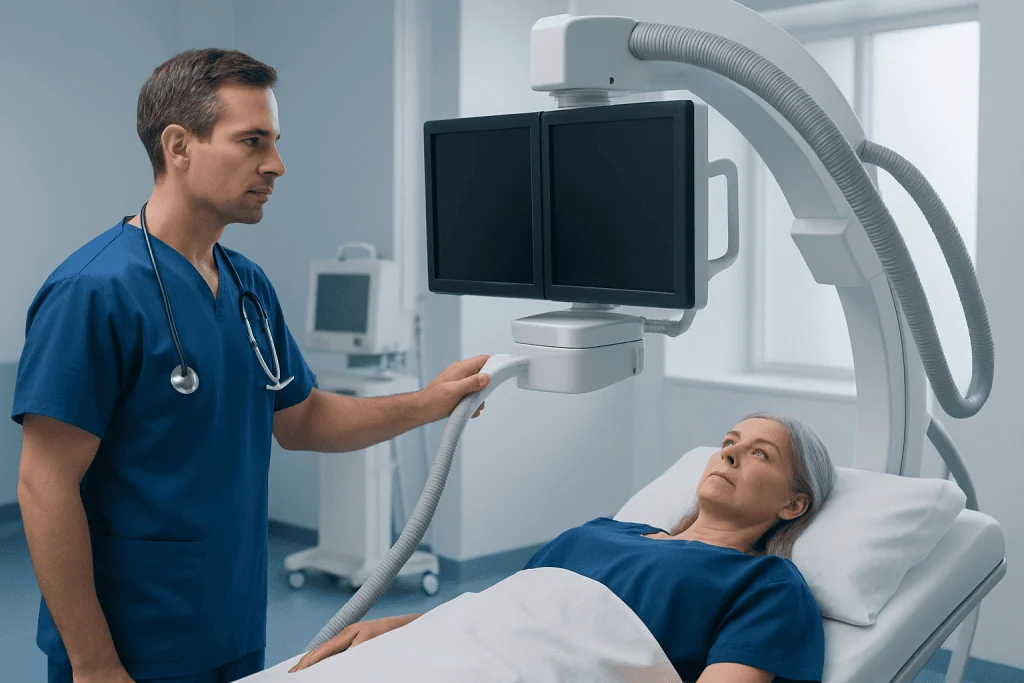
Most TIAs result from a blood clot temporarily blocking an artery supplying the brain. The clot may form in a narrowed artery, such as a carotid artery in the neck, or travel from the heart. Less often, other blood-vessel conditions or blood disorders contribute. Treatment is directed at the underlying cause rather than using one identical approach for every person.
When a clot is thought to arise from artery disease, clinicians may prescribe antiplatelet medicine to reduce the tendency of platelets to form clots. If atrial fibrillation or another heart-related source of clots is identified, an anticoagulant may be more appropriate. Cholesterol-lowering medicines, blood-pressure treatment and diabetes management can also lower vascular risk. The choice of medicine depends on the person’s medical history, scan findings, bleeding risk and other treatments.
If testing shows severe narrowing of a carotid artery that is related to the TIA, a vascular specialist may discuss carotid endarterectomy or, in selected circumstances, carotid artery stenting. These procedures aim to improve blood flow by treating the narrowing. Carotid endarterectomy is considered only after detailed imaging and specialist review; it is not necessary for most people who have had a TIA.
Who needs urgent assessment and how clinicians decide on treatment

Anyone with new, sudden symptoms suggestive of a TIA needs emergency evaluation, even when symptoms lasted only a few minutes. Warning signs can include facial drooping, weakness or numbness on one side, trouble speaking or understanding speech, sudden loss of vision, double vision, severe imbalance, or sudden confusion. The time the symptoms began, what they felt like and whether they fully resolved are important details for the clinical team.
Clinicians consider the pattern of symptoms, age, vascular risk factors and results of early tests when estimating stroke risk. Factors such as high blood pressure, diabetes, smoking, high cholesterol, previous TIA or stroke, atrial fibrillation and carotid artery disease may affect the prevention plan. A person may be observed in hospital or assessed through a rapid-access stroke service, depending on their symptoms, test results and local care pathways.
The best treatment is individualized. A clinician will also review kidney and liver function, previous bleeding, current medicines, allergies, pregnancy considerations where relevant, and the person’s ability to take medicines safely. People should not start, stop or combine blood-thinning medicines without professional advice, as inappropriate treatment can increase bleeding risk.
What happens during TIA assessment and treatment
There is no single TIA procedure. The first phase is rapid assessment, often completed on the same day or within a short period according to the person’s level of risk. A clinician takes a detailed history and performs a neurological examination, including checks of speech, strength, sensation, coordination and vision. Blood pressure, blood glucose and heart rhythm are also assessed.
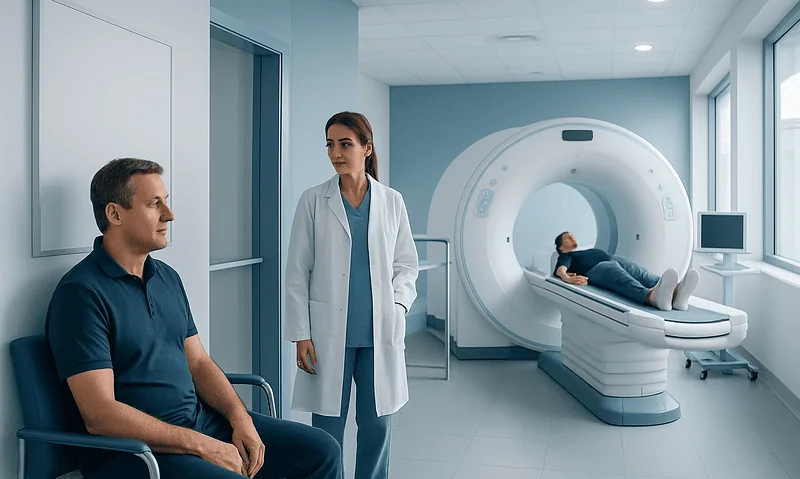
Tests often include a brain scan, usually CT or MRI, to look for stroke or other explanations for symptoms. Imaging of the head and neck arteries may be performed with ultrasound, CT angiography or MR angiography. An electrocardiogram checks for atrial fibrillation, and some people need longer heart-rhythm monitoring, echocardiography or blood tests to clarify the cause.
Once the likely cause is identified, treatment can begin promptly. This may include a prescription for clot-preventing medication, changes to cardiovascular medicines, referral to cardiology for an abnormal heart rhythm, or assessment by vascular surgery for carotid narrowing. For people with atrial fibrillation, atrial fibrillation treatment can be an important part of a wider strategy to prevent stroke.
- Record the exact time symptoms began and ended, if known.
- Bring a list of medicines, allergies and relevant medical conditions.
- Tell the team about prior episodes, even if they were brief or not previously assessed.
- Ask which risk factors are most relevant and when follow-up testing is needed.
Recovery timeline, benefits and possible risks
How long does TIA take to resolve? By definition, TIA symptoms are temporary and commonly last minutes to less than an hour, although some may last longer. Many people feel physically normal by the time they are assessed. However, a normal examination after symptoms settle does not rule out a TIA or eliminate stroke risk, which is why urgent evaluation remains essential.
Recovery may involve more than the disappearance of visible symptoms. Some people feel tired, worried, less confident or temporarily less able to concentrate after a suspected TIA. These concerns deserve discussion with a healthcare professional, particularly if they affect work, driving, sleep or daily activities. The emotional impact can also be supported through education, family involvement and, where needed, mental health care.
The main benefit of timely TIA treatment is a lower chance of future stroke by addressing treatable causes early. Medications can have side effects, including bleeding with antiplatelet medicines or anticoagulants, and procedures have their own risks, such as stroke, bleeding, nerve injury or heart complications. Specialists weigh these risks against likely benefit for each person and explain the reasons for the recommended plan.
TIA treatment duration varies. Some medicines may be used for a limited period, while others are long-term treatments for conditions such as hypertension, high cholesterol or atrial fibrillation. Follow-up appointments are important because treatment may need adjustment as test results, health conditions or bleeding risk change.
TIA treatment and prevention at home
The best thing to do after a mini stroke is to seek urgent medical care, complete all recommended tests and follow the prevention plan closely. Taking medicines exactly as prescribed is important, and repeat prescriptions should be arranged before supplies run out. A person should ask their clinical team before using over-the-counter pain medicines, herbal products or supplements, especially when taking medicines that affect clotting.
Daily habits can make a meaningful contribution to TIA treatment and prevention. Stopping smoking, avoiding recreational drugs, limiting alcohol as advised, eating a balanced pattern rich in vegetables, fruits, whole grains and unsaturated fats, and maintaining a healthy weight can improve cardiovascular health. Regular activity is usually encouraged once a clinician confirms it is safe, particularly for people with mobility, heart or balance concerns.
Blood pressure, blood glucose and cholesterol should be monitored and managed with the healthcare team. People with diabetes, sleep apnea or kidney disease may need coordinated care because these conditions can influence vascular risk. Hypertension treatment and ongoing cardiovascular follow-up may be central to prevention for people with high blood pressure.
What should you not do after a TIA? A person should not ignore recurring symptoms, drive or return to potentially hazardous activities until they have received appropriate advice, or alter prescribed medication on their own. Local rules on driving after a TIA vary, so the treating clinician or relevant licensing authority should be consulted before driving again.
When to seek medical care
Call emergency services immediately if symptoms of stroke or TIA are happening now or return after resolving. Sudden facial drooping, arm weakness, speech difficulty, loss of vision, severe dizziness or new trouble walking require emergency assessment. It is important to note the time the person was last known to be well and not to drive themselves to hospital.
Do TIAs mean a bigger stroke is coming? Not every person who has a TIA will have a stroke, but a TIA is a significant warning sign and the risk is highest soon after the event. Rapid testing and early preventive treatment can substantially address modifiable causes, which is why same-day emergency assessment is recommended rather than waiting for a routine appointment.
After initial care, people should contact their doctor promptly for medicine side effects, unusual bruising or bleeding, falls, persistent fatigue, new headaches or concerns about mood and cognition. Any new sudden neurological symptom should be treated as an emergency, even if it seems identical to a previous episode or disappears quickly.
Acibadem International’s multidisciplinary specialists and JCI-accredited hospitals support diagnosis and treatment planning for international patients with TIA and stroke-risk conditions. Ongoing follow-up with a qualified stroke, neurology, cardiology and primary-care team helps ensure prevention remains appropriate over time.
Frequently asked questions
How long does it take to feel normal after TIA?
TIA symptoms often resolve within minutes or hours, and many people feel physically normal soon afterward. Tiredness, anxiety or subtle concentration difficulties may persist for longer in some people. Feeling normal does not mean follow-up can be delayed, because prevention and testing are still urgent.
Do TIAs mean a bigger stroke is coming?
A TIA does not guarantee that a stroke will happen, but it indicates a higher risk, particularly in the period soon after the event. Prompt assessment can identify treatable causes such as atrial fibrillation, carotid narrowing or uncontrolled blood pressure. Early treatment is intended to reduce the chance of a future stroke.
What should you not do after a TIA?
Do not wait for symptoms to recur before seeking care, and do not stop or start blood-thinning medication without medical advice. A person should also avoid driving or safety-sensitive work until they have received individualized guidance. Smoking and recreational drug use should be avoided, as they can increase vascular risk.
What is the best thing to do after a mini stroke?
The most important action is to seek emergency medical assessment immediately, even if all symptoms have gone away. Clinicians can perform brain, heart and blood-vessel tests and begin stroke-prevention treatment when appropriate. Following the agreed medication and lifestyle plan is the next essential step.
How quickly should TIA treatment begin?
Assessment should begin as soon as possible, ideally on the day symptoms occur. The precise tia treatment time depends on symptoms, test availability and individual risk, but delaying care can miss an important opportunity for prevention. Emergency services should be contacted for current or newly recurring stroke-like symptoms.
How long does TIA treatment last?
TIA treatment duration depends on what caused the event and which risk factors are present. Some treatments are short-term, while treatment for blood pressure, cholesterol, diabetes or atrial fibrillation may be long-term. A clinician should review the plan regularly and adjust it when needed.
References
- American Stroke Association
- National Institute of Neurological Disorders and Stroke
- National Health Service
- European Stroke Organisation
- World Stroke Organization
This article is for general information only and is not a substitute for professional medical advice. Please consult a qualified doctor about your individual situation.
Explore treatments in Turkey — costs, top hospitals & a free quote
JCI-accredited · board-certified surgeons · reply within 24h
Add us as a Preferred Source to see more of our trusted health content across Google Search, AI Overviews and Discover.
Check your numbers in seconds
BMI, calories, due date, blood pressure and 30+ more clinical calculators — free, instant, doctor-reviewed ranges.

More from the Health Library


Related Specialists

Dr. Ayşen Bıçakcı Genç
Neurology
Assoc. Prof. Dr. Semra Akkaya Turhan
Ophthalmology
Dr. Turgay Kahraman
Radiology
Dr. Abdullah Yener İnce
Orthopedic Surgery & Traumatology