Operation Arthroscopy: Procedure, Recovery and Results
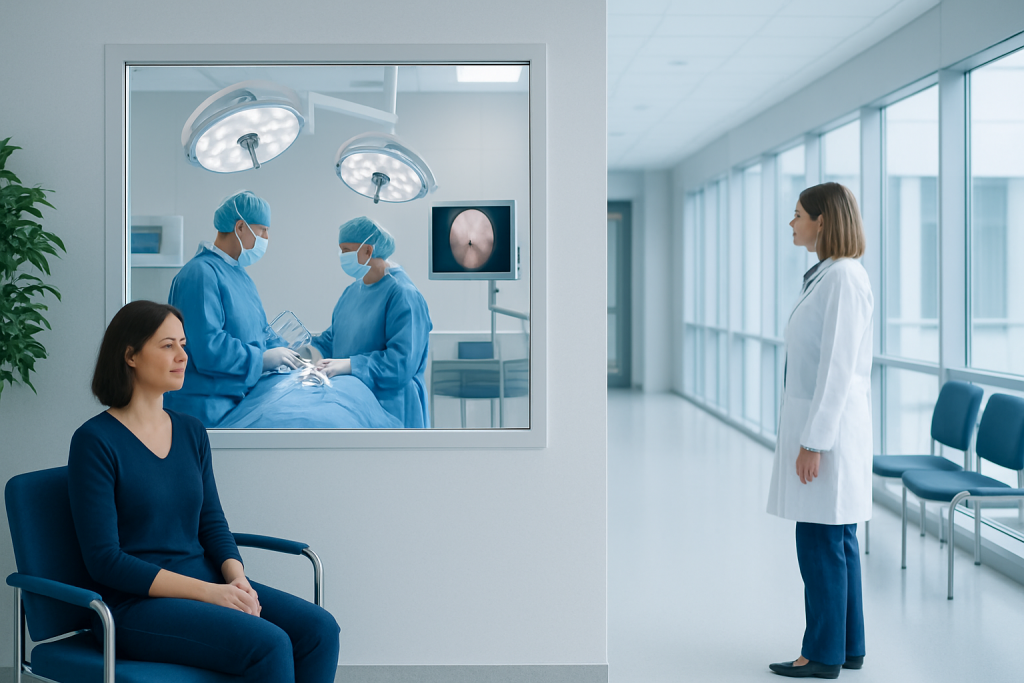
Arthroscopy uses small incisions, a camera, and fine instruments to examine or treat a joint. Knee, shoulder, hip, ankle, wrist, and elbow conditions may be managed arthroscopically in selected patients.
Key Takeaways
- Arthroscopy uses small incisions, a camera, and fine instruments to examine or treat a joint.
- Knee, shoulder, hip, ankle, wrist, and elbow conditions may be managed arthroscopically in selected patients.
- Recovery after a simple arthroscopy may take weeks, while repairs and reconstructions commonly require months of rehabilitation.
- Pain, swelling, and stiffness are common early in recovery and are usually managed with prescribed treatment, movement, and rehabilitation.
- Urgent medical advice is needed for worsening pain, fever, wound drainage, calf swelling, chest pain, or shortness of breath.
Operation arthroscopy is a minimally invasive orthopedic procedure in which a surgeon uses a small camera and specialized instruments to inspect, diagnose, and sometimes treat a joint problem. Recovery is often faster than with open surgery, but the timeline depends on the joint involved and whether tissue was repaired, removed, or reconstructed.
Operation Arthroscopy: An Overview
An operation arthroscopy is a type of minimally invasive orthopedic surgery that allows a surgeon to look inside a joint through a small camera called an arthroscope. It may be performed to clarify the cause of persistent joint symptoms or to treat problems such as damaged cartilage, loose tissue, inflammation, or certain tendon and ligament injuries.
During the procedure, the arthroscope sends images from inside the joint to a monitor. This gives the surgeon a detailed view while minimizing the size of the incisions needed. Depending on the findings, treatment can sometimes be completed during the same operation using small surgical instruments inserted through additional tiny openings.
Arthroscopy is most commonly performed on the knee and shoulder, although it can also be used for the hip, ankle, wrist, elbow, and other joints. It is not the right option for every cause of joint pain; the expected benefit depends on the diagnosis, the condition of the tissues, daily activity needs, and overall health.
How Arthroscopy Works and Who May Be a Candidate
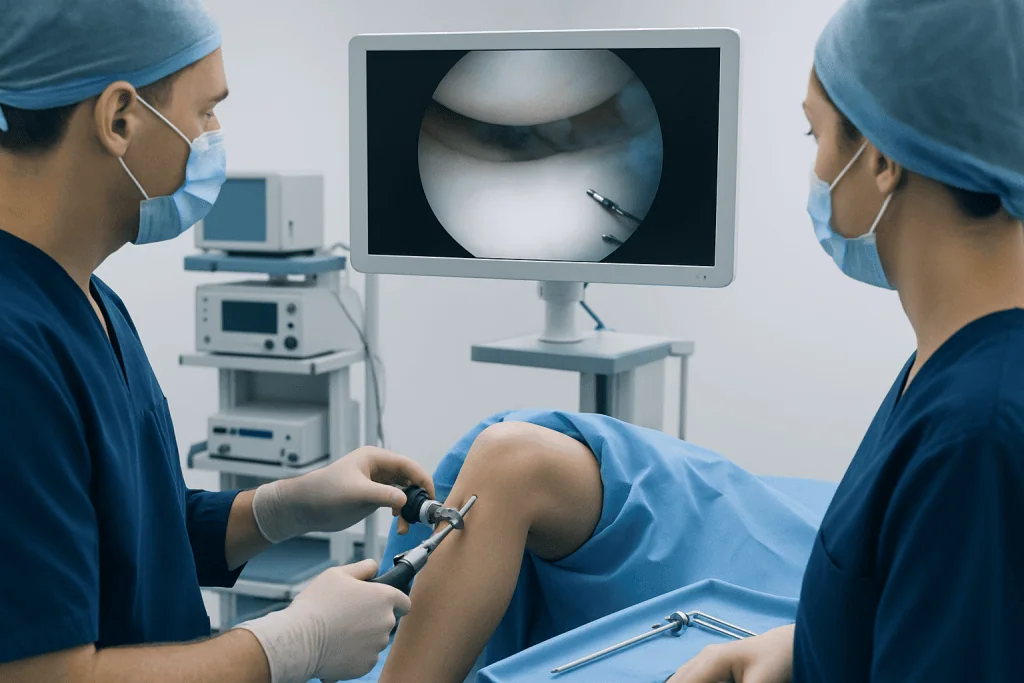
Arthroscopy can be diagnostic, therapeutic, or both. Imaging studies such as X-rays, ultrasound, or MRI often provide useful information before surgery, but arthroscopy may be considered when symptoms continue despite appropriate non-surgical care or when a procedure is needed to address a known structural problem.
People may be candidates when they have symptoms linked to a meniscus tear, cartilage injury, loose body in the joint, recurrent joint catching or locking, certain rotator cuff or labral problems, or inflammation that has not improved with conservative treatment. For example, an operative report for right knee arthroscopy and medial meniscectomy describes a procedure in which a surgeon examines the right knee and removes or trims an unstable part of a torn medial meniscus when this is clinically appropriate.
Before recommending surgery, an orthopedic specialist considers the person’s symptoms, examination findings, scans, age, activity level, medicines, and medical conditions. Arthroscopy may be less helpful when pain is mainly caused by advanced osteoarthritis rather than a treatable mechanical problem. A clear discussion of realistic goals is an important part of deciding whether surgery is suitable.
- Persistent pain, swelling, catching, or locking despite non-surgical care
- A suspected or confirmed injury that may benefit from repair or removal of damaged tissue
- Symptoms that affect walking, work, sleep, sport, or everyday independence
- A medical assessment showing that anesthesia and surgery can be undertaken safely
What Happens During an Arthroscopic Procedure
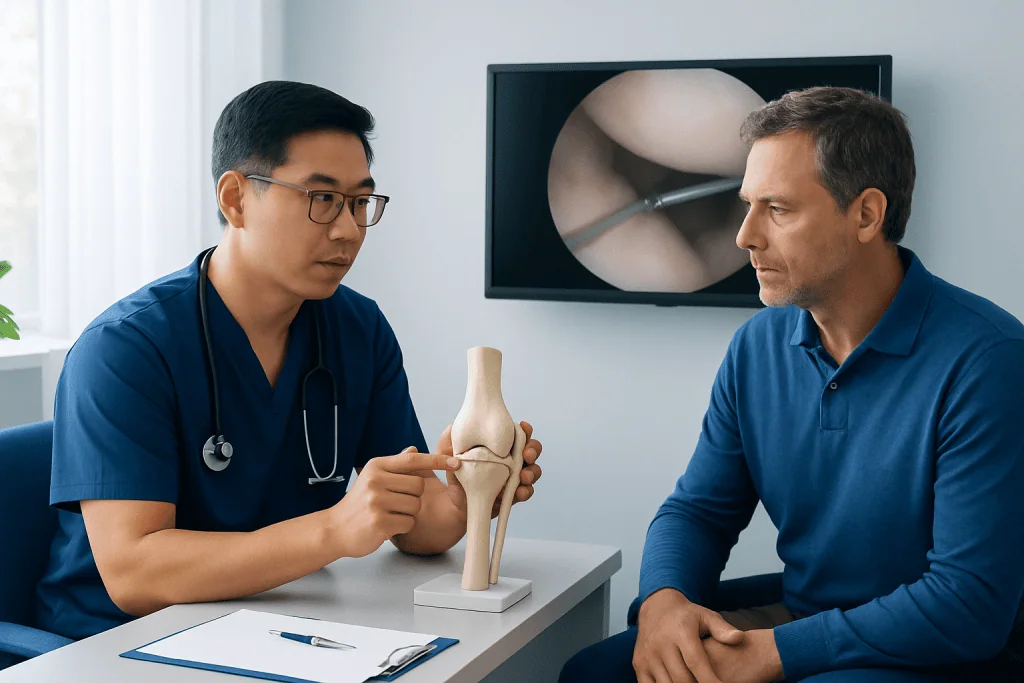
Preparation begins with a preoperative assessment. The care team reviews medical history, allergies, current medicines, and relevant test results. The patient receives instructions about eating and drinking before surgery, medicines that may need adjustment, and arranging transport home if the procedure is planned as day surgery.
In the operating room, anesthesia may be general, regional, or local with sedation, depending on the joint, procedure, and individual circumstances. After the skin is cleaned and covered with sterile drapes, the surgeon makes a small incision and inserts the arthroscope. Sterile fluid may be used to expand the joint slightly and improve visibility.
The surgeon systematically examines the joint structures. If treatment is needed, one or more additional small incisions allow instruments to trim damaged tissue, remove loose fragments, repair selected structures, smooth cartilage, or address inflammation. The incisions are then closed or covered, and a dressing is applied.
Many arthroscopic procedures are completed on the same day, though some patients require observation or an overnight stay. The surgical team provides individualized instructions on wound care, weight-bearing, pain control, exercises, and follow-up. The exact procedure should be recorded clearly in the operative note and explained after surgery.
Benefits, Limitations and Possible Risks
Potential benefits of an operation arthroscopy include smaller incisions, less disruption of surrounding soft tissues, direct visualization of the joint, and, for many procedures, a shorter initial recovery than traditional open surgery. It can also allow diagnosis and treatment to occur in one operation when unexpected but treatable findings are identified.
However, arthroscopy is still surgery and results vary. A procedure may relieve mechanical symptoms such as locking caused by a loose fragment or unstable tear, but it may not fully resolve pain caused by widespread arthritis, nerve-related pain, or other conditions outside the joint. Recovery also differs substantially between a simple clean-up procedure and a repair that needs time to heal.
Possible complications are uncommon but can include infection, bleeding, blood clots, anesthesia-related problems, nerve or blood vessel injury, persistent stiffness, ongoing pain, swelling, and incomplete symptom improvement. Repair procedures may also fail to heal as intended. The surgeon can explain the relevant risks based on the joint and planned treatment.
Prompt follow-up is important because concerns can often be addressed early. Patients should follow restrictions carefully, especially if they have had a meniscus, cartilage, tendon, or ligament repair, as putting too much stress on the joint too soon can affect healing.
Recovery Timeline and Orthopedic Surgery Recovery Program
Orthopedic surgery recovery times after arthroscopy are highly individual. Recovery depends on the joint treated, the reason for surgery, whether tissue was repaired or removed, physical condition before surgery, work demands, and adherence to the rehabilitation plan. A simple arthroscopy may allow a return to light activities within days to weeks, while ligament reconstruction or tissue repair often needs several months of staged rehabilitation.
In the first few days, rest, elevation, ice when advised, prescribed pain relief, and gentle movement can help control swelling and discomfort. The care team may recommend crutches, a brace, or limited weight-bearing. Dressings should be kept clean and dry according to the instructions given, and follow-up appointments are used to check wound healing and progress.
An orthopedic surgery recovery program commonly includes physical therapy or guided home exercises. These are designed to restore range of motion, reduce swelling, rebuild muscle strength, improve balance, and support a safe return to work or sport. Exercises should be progressed according to professional advice rather than discomfort alone.
At Acibadem International, multidisciplinary specialists in JCI-accredited hospitals can assess joint conditions and coordinate arthroscopic treatment and rehabilitation for international patients. Individualized follow-up planning helps ensure that recovery guidance reflects the specific operation performed.
How long should you rest after arthroscopic surgery?
Most people need a period of relative rest after arthroscopic surgery, especially during the first several days. Relative rest does not usually mean complete bed rest. Short, safe periods of walking or prescribed movement are often encouraged to maintain circulation and reduce stiffness, but the treated joint should not be overloaded.
The required rest period depends on the procedure. After a straightforward diagnostic procedure or minor tissue trimming, some patients may resume light daily tasks relatively soon. After a repair or reconstruction, the surgeon may require weeks of protection with crutches, a brace, or restrictions on bending, lifting, or weight-bearing.
Rest should be balanced with the rehabilitation instructions. Excessive inactivity can contribute to stiffness and weakness, while returning to demanding activities too early can delay healing. The safest plan is the one provided by the surgical and rehabilitation team.
How long does it take to walk normally after a knee arthroscopy?
Walking normally after knee arthroscopy can take anywhere from several days to several weeks after a simple procedure, depending on swelling, pain, muscle control, and the reason for surgery. Some people use crutches only briefly, while others need them longer to protect the knee or avoid limping.
After meniscus repair, cartilage restoration, ligament reconstruction, or another procedure involving protected healing, normal walking may take substantially longer. Weight-bearing restrictions are based on the specific repair and should be followed even if the knee begins to feel better early on.
A person is generally ready to walk without an assistive device when they can place weight through the leg safely, control the knee without buckling, and walk without a pronounced limp. A physiotherapist can help assess gait and guide strengthening exercises that support a gradual return to normal walking.
How painful is recovery from arthroscopic knee surgery?
Recovery from arthroscopic knee surgery commonly involves mild to moderate pain, swelling, bruising, and stiffness, particularly during the first few days. The level of discomfort differs between individuals and is influenced by the extent of surgery, the condition treated, and the amount of inflammation present before the procedure.
Pain is usually managed with the plan provided by the surgeon, which may include prescribed or over-the-counter medicines when appropriate, ice, elevation, and activity modification. Keeping the knee moving within the approved range can also reduce stiffness. Pain should gradually improve rather than become progressively more severe.
Severe or worsening pain, new marked swelling, fever, increasing redness, drainage from the incision, numbness, calf pain, chest pain, or breathing difficulty needs urgent medical assessment. These symptoms do not always indicate a serious complication, but they should not be ignored.
What is the fastest way to recover from arthroscopic knee surgery?
The fastest safe way to recover from arthroscopic knee surgery is to follow the individualized surgical and rehabilitation plan. Recovery cannot be safely rushed, particularly after a repair that requires time for tissue healing. Trying to return to sport, heavy work, or high-impact exercise early can increase the risk of setbacks.
Helpful steps include taking medicines only as advised, protecting the knee as instructed, attending follow-up visits, completing prescribed exercises consistently, and increasing activity gradually. Good sleep, balanced nutrition, adequate hydration, and avoiding tobacco products can also support general healing.
Patients should contact their healthcare team if pain or swelling prevents exercises, if progress stops, or if they are unsure which activities are safe. Adjusting the rehabilitation plan early may help address stiffness, weakness, or gait changes before they become more persistent.
When to Seek Medical Care
Joint pain that persists, repeatedly swells, catches, locks, gives way, or limits normal activities should be assessed by a qualified clinician. Early evaluation is also appropriate after a significant injury, especially if a person cannot bear weight, cannot move the joint normally, or has noticeable deformity.
After arthroscopy, patients should contact their surgical team for increasing pain that is not relieved by the recommended plan, spreading redness, wound drainage, fever, worsening swelling, or new difficulty moving the joint. Urgent medical care is needed for symptoms of a possible blood clot or lung problem, including calf swelling or pain, sudden chest pain, or shortness of breath.
Not every joint problem requires surgery. A specialist can review symptoms, imaging, and prior treatment to determine whether rehabilitation, medication, injections, arthroscopy, or another approach is most appropriate.
Frequently asked questions
What is operation arthroscopy?
Operation arthroscopy is a minimally invasive surgical procedure used to inspect and treat the inside of a joint. A small camera and specialized instruments are inserted through small incisions, allowing the surgeon to assess joint structures and perform selected repairs or treatments.
Is arthroscopy major surgery?
Arthroscopy is generally less invasive than open joint surgery, but it is still a surgical procedure that requires anesthesia and a recovery period. The complexity ranges from a short diagnostic procedure to more involved repairs or reconstructions.
Can arthroscopy treat arthritis?
Arthroscopy may be useful for selected mechanical problems in a joint affected by arthritis, such as a loose body causing locking. It does not reverse widespread cartilage loss from osteoarthritis, and its role should be discussed carefully with an orthopedic specialist.
When can someone return to work after arthroscopy?
Return-to-work timing depends on the procedure and the physical demands of the job. Desk-based work may be possible sooner than work involving prolonged standing, lifting, kneeling, climbing, or repetitive joint use.
Do all patients need physical therapy after arthroscopy?
Many patients benefit from guided rehabilitation, particularly after knee or shoulder surgery. The extent of therapy depends on the joint, procedure, baseline strength and movement, and recovery goals.
How long does swelling last after arthroscopic surgery?
Mild swelling can be expected for days or weeks, and it may fluctuate as activity increases. Swelling should generally improve over time; worsening swelling or swelling with severe pain, fever, redness, or calf symptoms should be reported to a clinician.
References
- American Academy of Orthopaedic Surgeons
- National Institute of Arthritis and Musculoskeletal and Skin Diseases
- National Health Service
- Mayo Clinic
This article is for general information only and is not a substitute for professional medical advice. Please consult a qualified doctor about your individual situation.
Arthroscopy in Turkey — costs, top hospitals & a free quote
JCI-accredited · board-certified surgeons · reply within 24h
Add us as a Preferred Source to see more of our trusted health content across Google Search, AI Overviews and Discover.

Orthopedics & Spine
Care for bones, joints and the musculoskeletal system, including joint replacement, sports injuries and trauma.
125 specialists in this unitMore from the Health Library



Related Specialists

Dr. Birsen Köse
Intensive Care
Dr. Kutluhan Demirarslan
Inpatient Clinic Physicians Clinical Service
Dr. Parvana Seyidova
Gynecology & Obstetrics
Dr. Ayşen Bıçakcı Genç
Neurology