Pneumococcal Injection: How It Works, Results and What to Expect

Pneumococcal vaccines protect against selected types of pneumococcal bacteria; they do not prevent every cause of pneumonia. The injection is usually given into a muscle in the upper arm and takes only a few minutes.
Key Takeaways
- Pneumococcal vaccines protect against selected types of pneumococcal bacteria; they do not prevent every cause of pneumonia.
- The injection is usually given into a muscle in the upper arm and takes only a few minutes.
- Protection generally begins to develop within about two weeks, although the schedule and duration depend on the vaccine type and individual health needs.
- Most side effects are mild and short-lived, such as arm soreness, tiredness, headache, or a low-grade fever.
- A clinician can recommend the most appropriate vaccine and timing based on age, previous vaccines, medical history, and local guidance.
A pneumococcal injection, often called a pneumonia shot, is a vaccine that helps the immune system protect against infections caused by Streptococcus pneumoniae. It is commonly recommended for older adults, young children, and people with certain health conditions because pneumococcal disease can affect the lungs, bloodstream, brain coverings, ears, and sinuses.
Overview: What Is a Pneumococcal Injection?
A pneumococcal injection is a vaccine that helps prevent disease caused by Streptococcus pneumoniae, also called pneumococcus. These bacteria can cause pneumonia, but they may also lead to serious infections such as bloodstream infection (bacteremia) and meningitis. The vaccine trains the immune system to recognize particular pneumococcal types before exposure occurs.
The term “pneumonia shot” can be misleading because pneumonia has many possible causes, including viruses, other bacteria, and fungi. A pneumococcal vaccine does not protect against every form of pneumonia, but it can substantially reduce the risk of illness from the pneumococcal types covered by the vaccine and may reduce the risk of severe complications.
Several pneumococcal vaccines are available in different countries. Some are conjugate vaccines, which link bacterial components to a protein to create a stronger immune response, while another type is a polysaccharide vaccine. The best option depends on a person’s age, health conditions, prior immunizations, and national vaccination recommendations.
How the Pneumococcal Vaccine Works and Who May Need It
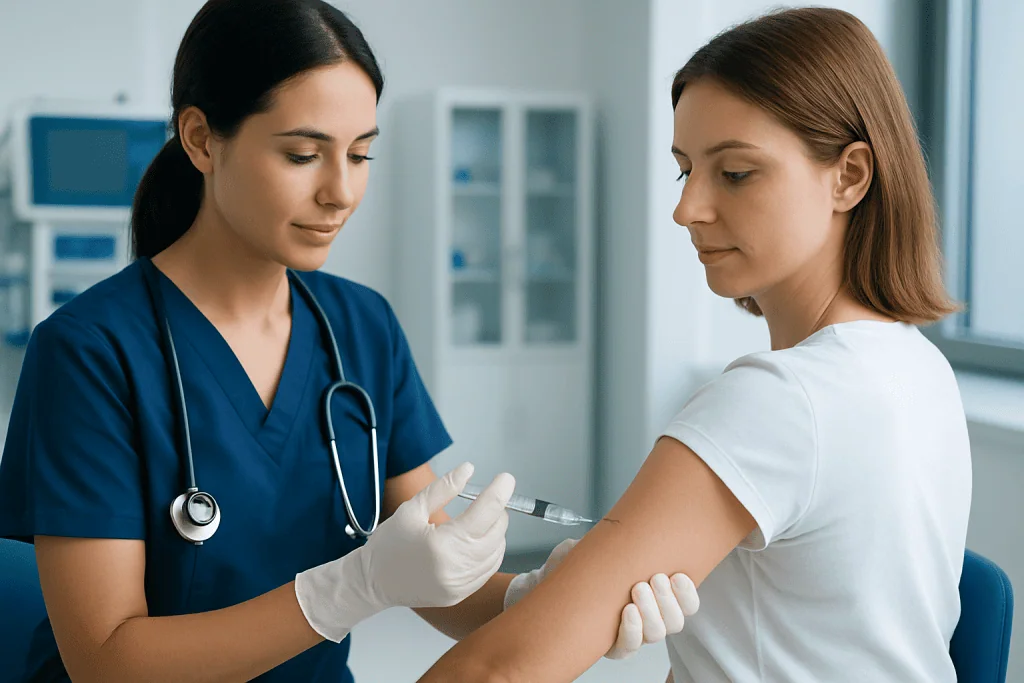
Pneumococcal vaccines contain harmless parts of the outer coating of selected pneumococcal bacteria. They cannot cause pneumococcal disease. After vaccination, the immune system produces antibodies and, with conjugate vaccines, develops immune memory that can help it respond more effectively if the bacteria are encountered later.
Vaccination is routinely considered for infants and children according to national schedules. It is also often recommended for adults aged 50 years and older, although the precise age threshold and product schedule vary by country. Adults who have not previously received a recommended pneumococcal vaccine should discuss their options with a clinician.
People at increased risk may need vaccination earlier or may need a specific sequence of vaccines. This group can include people with chronic heart, lung, liver, or kidney disease; diabetes; immune suppression; cochlear implants; cerebrospinal fluid leaks; sickle cell disease; and people who smoke. Previous spleen removal or impaired spleen function may also increase the importance of prevention.
A medical professional should review prior vaccination records before giving a new dose. This is especially important for adults who were vaccinated years ago, people with complex medical histories, and travelers whose earlier vaccines may have been given under a different national schedule.
Pneumococcal Vaccine How Is It Given? Step by Step
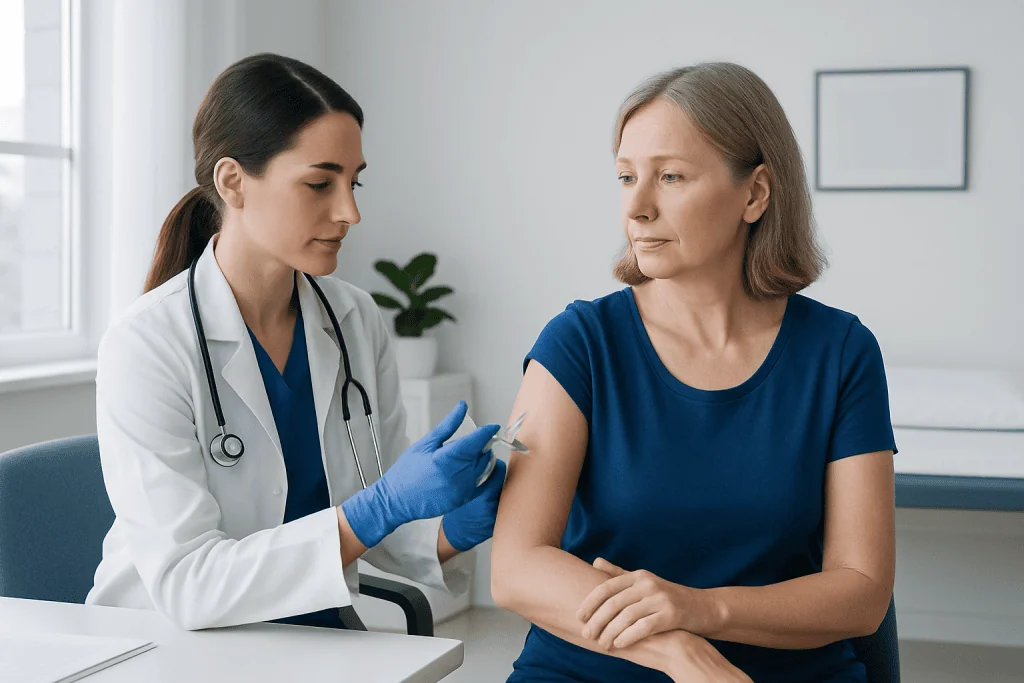
The pneumococcal vaccine is given as an injection, usually into the deltoid muscle of the upper arm. In infants and very young children, it may be administered into the thigh. It is not generally given as a nasal spray, tablet, or intravenous treatment.
Before the appointment, a nurse or clinician reviews allergies, current illness, pregnancy status when relevant, immune conditions, regular medicines, and previous vaccinations. Mild illness, such as a common cold without a significant fever, does not always require delaying vaccination, but the clinician will make an individual assessment.
During the procedure, the skin is cleaned and the injection is administered in seconds. The person may be observed briefly afterward, particularly if there is a history of serious allergic reactions to vaccines or injectable medicines. The visit also offers an opportunity to confirm whether other age- or risk-based vaccines are due.
Most people can return to normal activities immediately. Keeping the arm gently mobile, drinking fluids, and resting if needed may help with temporary discomfort. It is useful to keep a personal immunization record, including the product name and date, for future care.
How Soon After Getting a Pneumonia Shot Is It Effective?
For most adults, immune protection begins building after the pneumococcal injection and is generally expected to develop over about two weeks. This is why it is preferable to receive the vaccine before predictable periods of increased exposure or before planned treatments that may affect immunity, when possible.
The exact response differs between people. Older age, immune-suppressing medicines, certain cancers, organ transplantation, and conditions that weaken immunity can reduce the strength or duration of the response. Vaccination can still be valuable in these circumstances, but the recommended timing may need to be coordinated with the treating specialist.
A pneumococcal vaccine does not provide immediate treatment for symptoms of pneumonia. Anyone who develops fever, worsening cough, chest pain when breathing, shortness of breath, confusion, or marked weakness should seek medical assessment rather than assuming the vaccine will prevent an active illness from progressing.
Seasonal influenza and COVID-19 vaccination may also be relevant because viral respiratory infections can increase the likelihood of bacterial complications in some people. A clinician can advise whether vaccines may be given at the same visit under applicable guidance.
How Long Does a Pneumonia Shot Stay in Your System?
The vaccine ingredients themselves do not remain in the body indefinitely. After the injection, the immune system processes the vaccine components and produces antibodies and immune cells. What matters clinically is the immune protection that develops, rather than how long the vaccine material stays in the bloodstream.
For the question “pneumococcal vaccine how long does it last,” there is no single answer. Duration varies with the vaccine received, the pneumococcal types it covers, age at vaccination, overall health, and immune function. Conjugate vaccines are designed to promote immune memory, while recommendations for polysaccharide vaccines may include additional doses for certain higher-risk groups.
People who are immunocompromised or have conditions such as chronic kidney disease, absent or poorly functioning spleen, or cerebrospinal fluid leaks may require a more individualized vaccination plan. They should not rely on a general timeline found online; their care team can explain what ongoing protection is expected and whether further doses are advised.
Vaccination records should be shared with every new healthcare provider. This helps avoid unnecessary repeat doses while ensuring that a person remains up to date under current recommendations.
How Many Years Is a Pneumonia Shot Good For?
A pneumonia shot is not usually described as being “good for” one fixed number of years for everyone. The answer depends on which pneumococcal vaccine was given and whether the person has health conditions that change their risk. Some adults may complete their recommended pneumococcal vaccination with a single conjugate vaccine, while others may need an additional vaccine or later review.
Therefore, pneumococcal vaccine how often it is given should be decided by a qualified clinician using current national guidance. Recommendations have changed over time as newer vaccines covering more pneumococcal types have become available. Older vaccine records may still be important in determining the next appropriate step.
It is especially important to seek personalized advice for adults vaccinated under earlier schedules, people who received a vaccine before age 65, people with immune suppression, and those preparing for procedures or treatments that affect immune function. The clinician can assess whether a dose is indicated now, later, or not at all.
Routine vaccine review is a practical part of preventive healthcare. It may be discussed during annual checkups, chronic disease visits, travel consultations, or appointments before immune-suppressing treatment.
Benefits, Risks and the Downside of Getting a Pneumonia Shot
The main benefit of a pneumococcal injection is reduced risk of disease caused by covered pneumococcal types, particularly severe invasive disease. Vaccination is a preventive measure and does not replace evaluation or treatment when an infection is suspected. Its individual benefit is often greatest for people who are older or who have medical conditions associated with a higher risk of complications.
What is the downside of getting a pneumonia shot? The most common downsides are temporary side effects, including pain, redness, or swelling at the injection site, fatigue, headache, muscle aches, fever, or chills. These effects usually improve within one to a few days and reflect the body’s immune response.
Serious allergic reactions are rare but require urgent care. A person should tell the vaccination provider about any previous severe reaction to a pneumococcal vaccine, a vaccine component, or another injectable medicine. Vaccination may be postponed if someone is moderately or severely unwell until recovery, unless a clinician advises otherwise.
No vaccine is 100% effective, and pneumococcal vaccination does not protect against all strains or all non-pneumococcal causes of pneumonia. However, it remains an important prevention tool alongside hand hygiene, smoking cessation, management of long-term conditions, and recommended vaccinations against other respiratory infections.
When to Seek Medical Care
Urgent medical assessment is needed after vaccination for symptoms that could indicate a severe allergic reaction, such as trouble breathing, swelling of the face or throat, widespread hives, severe dizziness, or collapse. These reactions are uncommon, but prompt treatment is important.
A person should also seek timely medical advice for possible pneumonia or another serious infection, whether or not they have been vaccinated. Concerning symptoms include worsening breathlessness, persistent high fever, chest pain, bluish lips or face, confusion, dehydration, coughing up blood, or a rapid decline in general condition.
Older adults, infants, pregnant people, and individuals with chronic illness or immune suppression may become unwell more quickly and should have a lower threshold for contacting a healthcare professional. Acibadem International’s multidisciplinary specialists and JCI-accredited hospitals can assess respiratory infections and provide vaccination guidance for international patients.
Frequently asked questions
What is a pneumococcal injection used for?
A pneumococcal injection helps prevent infections caused by pneumococcal bacteria. These infections can include pneumonia, bloodstream infection, meningitis, ear infection, and sinus infection. It protects against selected bacterial types, not every cause of pneumonia.
Can a person get pneumonia after a pneumococcal vaccine?
Yes. Pneumonia can be caused by viruses, other bacteria, fungi, or pneumococcal types not included in a particular vaccine. Even when infection occurs, vaccination may still help reduce the likelihood of severe pneumococcal disease caused by covered types.
How soon after getting a pneumonia shot is it effective?
Immune protection generally starts developing over approximately two weeks after vaccination. The response may be less robust or take different timing in people with weakened immune systems. A clinician can advise on the best timing around planned medical treatment.
How long does a pneumonia shot stay in your system?
The vaccine components are processed by the body after administration and do not remain indefinitely. The immune response, including antibodies and immune memory, is what provides ongoing protection. Its duration depends on the vaccine type and the person’s health profile.
How many years is a pneumonia shot good for?
There is no single duration that applies to everyone. Some people complete their recommended schedule with one vaccine, while others need additional doses because of age, health conditions, or past vaccination history. Current local recommendations and a clinician’s review determine whether another dose is needed.
Can pneumococcal vaccines be given with other vaccines?
In many cases, pneumococcal vaccines can be given during the same visit as other recommended vaccines, using different injection sites. The appropriate combination depends on age, health conditions, and the vaccines being considered. The vaccination provider can confirm the safest schedule.
References
- World Health Organization
- Centers for Disease Control and Prevention
- European Centre for Disease Prevention and Control
- United Kingdom Health Security Agency
This article is for general information only and is not a substitute for professional medical advice. Please consult a qualified doctor about your individual situation.
Explore treatments in Turkey — costs, top hospitals & a free quote
JCI-accredited · board-certified surgeons · reply within 24h
Add us as a Preferred Source to see more of our trusted health content across Google Search, AI Overviews and Discover.