CT Surgery: Procedure, Recovery and Results

CT surgery includes cardiac, thoracic and selected major blood-vessel operations performed in the chest. The exact procedure, expected recovery and results depend on the condition being treated and whether surgery is open, minimally invasive or catheter-assisted.
Key Takeaways
- CT surgery includes cardiac, thoracic and selected major blood-vessel operations performed in the chest.
- The exact procedure, expected recovery and results depend on the condition being treated and whether surgery is open, minimally invasive or catheter-assisted.
- Surgical teams use clinical assessments and validated risk tools to discuss likely benefits and potential complications before surgery.
- Open-heart surgery recovery often takes weeks to months, while some minimally invasive procedures may allow an earlier return to routine activities.
- New chest pain, worsening breathlessness, fever, wound changes or fainting during recovery should be assessed promptly.
CT surgery, short for cardiothoracic surgery, covers operations involving the heart, lungs, major chest blood vessels and other structures in the chest. Recovery varies by procedure and overall health, but careful preparation, specialist follow-up and rehabilitation can support a safe return to daily life.
Overview: What Is CT Surgery?
CT surgery usually refers to cardiothoracic surgery, a specialty that treats conditions affecting the heart, lungs, chest organs and major blood vessels. Depending on the hospital and healthcare system, the term may include cardiac surgery, thoracic surgery, surgery on the aorta and, in some cases, surgery involving the chest portion of the oesophagus.
Common CT surgery procedures include coronary artery bypass grafting (CABG), heart valve repair or replacement, aortic surgery, surgery for congenital heart disease, lung cancer surgery, treatment of collapsed lung and removal of chest masses. Some procedures require a traditional incision through the breastbone, while others can be performed through smaller incisions with video-assisted or robotic techniques.
The aim of CT surgery is to relieve symptoms, prevent serious complications, improve heart or lung function, or remove diseased tissue. A cardiothoracic surgeon works closely with cardiologists, anaesthesiologists, intensivists, respiratory physicians, nurses, rehabilitation specialists and other professionals to plan care around each patient’s diagnosis and needs.
How CT Surgery Works and Who May Be a Candidate
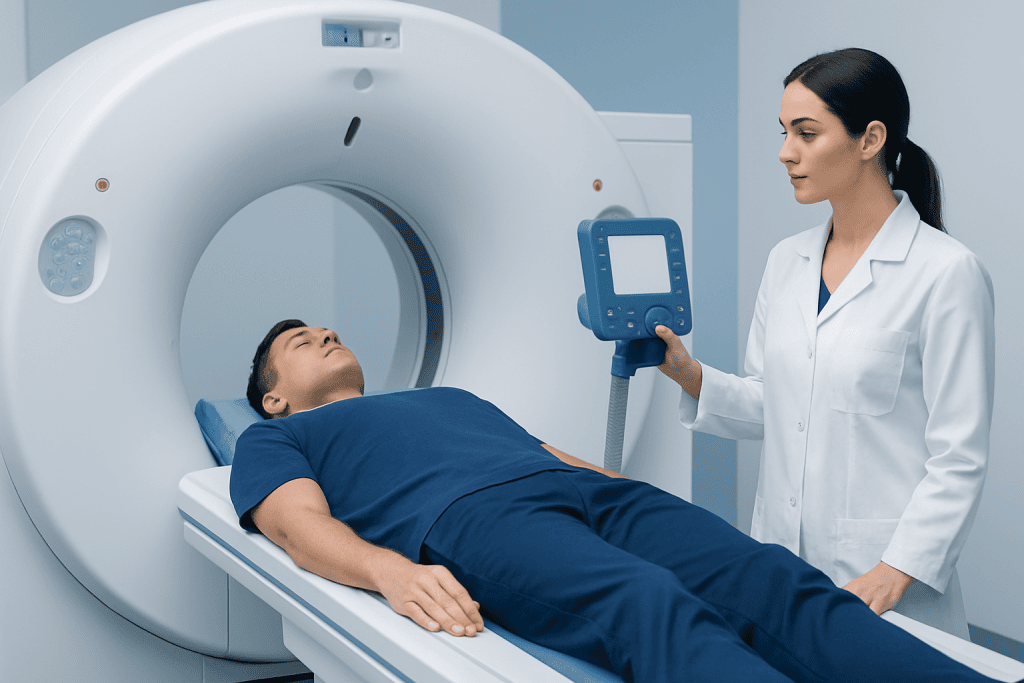
CT surgery is considered when a heart, lung or chest condition is unlikely to be managed well with medicines, monitoring, lifestyle measures or less invasive procedures alone. For example, surgery may be recommended for severe coronary artery disease, a significantly narrowed or leaking heart valve, an enlarging aortic aneurysm, a lung tumour that can be removed, or a structural heart problem present from birth.
Before recommending surgery, the clinical team reviews symptoms, scans, blood tests, heart and lung function, previous treatments and personal goals. Tests may include an electrocardiogram, echocardiogram, CT or MRI scan, coronary angiography, breathing tests and laboratory testing. The team also considers age, frailty, kidney function, diabetes, smoking status and other health conditions.
A CT surgery risk score may be used to support shared decision-making. For cardiac operations, clinicians may use validated tools such as the Society of Thoracic Surgeons risk calculator or EuroSCORE II, alongside professional judgment. A CT surgery risk calculator does not determine whether an individual should have surgery on its own; it estimates risk from population data and must be interpreted in the context of the person’s overall health and the urgency of treatment.
For patients with coronary artery disease, the team may compare surgery with medicines or catheter-based treatment. Coronary artery bypass surgery may be advised when bypassing narrowed coronary arteries is expected to offer a durable benefit.
CT Surgery Step by Step

Preparation begins before the operation. CT surgery patients may be asked to stop smoking, review medicines that affect bleeding or blood sugar, improve nutrition where possible and complete preoperative testing. The anaesthesia and surgical teams explain fasting instructions, expected monitoring, pain-control plans and the likely hospital stay.
On the day of surgery, general anaesthesia is used so the patient is fully asleep and does not feel the operation. In open-heart surgery, the surgeon may make an incision through the breastbone to reach the heart. Many heart procedures use a heart-lung machine, also called cardiopulmonary bypass, which temporarily takes over circulation and oxygenation while the surgeon operates. Not every cardiac operation requires this machine.
Thoracic procedures may be performed through an incision between the ribs, through a breastbone incision, or by minimally invasive approaches such as video-assisted thoracoscopic surgery. The chosen approach depends on the anatomy, condition being treated, safety considerations and surgeon expertise. During and after surgery, the team closely monitors heart rhythm, blood pressure, oxygen levels, bleeding and pain.
After the operation, patients usually wake in an intensive care or high-dependency setting. Breathing support may be needed briefly, and drains, intravenous lines and monitoring equipment are common in the early stage. These are removed gradually as the patient stabilises and begins moving, breathing deeply and eating again.
Benefits, Risks and Expected Results
The potential benefit of CT surgery depends on the diagnosis. Cardiac surgery may improve blood flow to the heart, reduce angina, correct a valve problem, improve exercise tolerance or prevent complications from aortic disease. Thoracic surgery can remove a tumour, treat infection or injury, improve lung function in selected cases, or prevent repeated complications such as pneumothorax.
All major operations carry risks. Possible complications include bleeding, infection, blood clots, irregular heart rhythms, pneumonia, kidney injury, stroke, heart attack, wound-healing problems and reactions to anaesthesia. The likelihood of each complication differs according to the type and urgency of surgery, existing medical conditions and the complexity of the operation.
CT surgery guidelines support careful assessment before surgery, evidence-based measures to prevent infection and blood clots, early mobilisation, pain control and structured follow-up. The team should explain the specific risks that are most relevant to the individual, what alternatives are available and what results are realistic.
Successful recovery is not measured only by the incision healing. It also includes improving strength, breathing, sleep, mood and confidence with everyday activities. Cardiac rehabilitation or pulmonary rehabilitation may be recommended to help patients regain function safely after treatment.
CT Surgery Recovery Timeline and Self-Care
CT surgery recovery is individual. The first few days are focused on stabilisation, pain relief, breathing exercises, coughing with support for the incision, walking short distances and restoring normal eating and bowel habits. After open-heart surgery, many people remain in hospital for several days, although the length of stay varies. Recovery after minimally invasive procedures may be shorter, but patients still need time to heal.
During the first weeks at home, fatigue is common. Patients are usually encouraged to increase walking gradually, take prescribed medicines as directed, attend follow-up appointments and avoid lifting or driving until the surgical team says it is safe. People recovering from a breastbone incision may receive specific precautions while the sternum heals. A balanced diet, good hydration, sleep and avoiding tobacco can all support recovery.
Returning to work, travel, exercise and sexual activity should be discussed with the clinical team because timelines differ. Some people feel substantially better within several weeks, while full recovery after major open surgery can take a few months. Emotional changes, including low mood, anxiety or frustration, can occur during recovery and deserve support rather than dismissal.
Acibadem International’s multidisciplinary specialists and JCI-accredited hospitals provide assessment, surgery and follow-up planning for international patients who need cardiothoracic care.
Why Is Day 3 the Hardest After Surgery?
Many people describe the second or third day after major surgery as particularly challenging, but this is not universal. By this stage, the initial effects of anaesthesia and some stronger pain medicines may have reduced, while soreness, fatigue, sleep disruption and the effort of getting out of bed can become more noticeable.
Day 3 may also coincide with increased activity. Patients are often encouraged to sit up, walk, practise deep breathing and cough to protect the lungs. These important steps can feel difficult when the chest is tender. Fluid shifts after surgery can also contribute to temporary swelling or a feeling of heaviness.
Good pain management, regular breathing exercises, gradual movement and clear communication with nurses and doctors can make this period more manageable. Pain that suddenly becomes severe, is accompanied by breathlessness, confusion, fainting, fever or new chest pressure should be reported immediately rather than assumed to be a normal part of healing.
Is CT Surgery Hard?
CT surgery is complex because it involves vital organs and requires highly specialised planning, anaesthesia, monitoring and postoperative care. For the surgical team, each operation is tailored to the patient’s anatomy, condition and risk profile. For the patient, preparation and recovery can be physically and emotionally demanding.
However, “hard” does not mean that recovery is unmanageable or that complications are inevitable. Patients are supported by a multidisciplinary team throughout the process, from preoperative assessment to intensive monitoring, ward care, rehabilitation and follow-up. Understanding what to expect, arranging help at home and asking questions early can reduce uncertainty.
In some situations, less invasive approaches may be appropriate. For example, selected valve conditions may be assessed for heart valve repair or replacement options that match the person’s anatomy and health needs. The safest approach is determined by the treating team, not by incision size alone.
Do You Ever Feel Normal After Open-Heart Surgery?
Many people return to fulfilling daily routines after open-heart surgery, and some feel better than they did before surgery because symptoms such as chest discomfort, breathlessness or reduced stamina have improved. “Normal” may take time to define, especially after a major health event. Physical recovery and emotional adjustment often progress at different speeds.
It is common to experience tiredness, altered sleep, a temporary change in appetite or worries about the future during the early months. Participation in cardiac rehabilitation can help improve fitness, confidence and understanding of heart-healthy habits. Ongoing care may include medicines, management of blood pressure or cholesterol, diabetes care and smoking cessation support.
Some people have lasting limitations related to the underlying heart condition, other health issues or complications, so outcomes are individual. Follow-up visits are an opportunity to discuss persistent symptoms, return-to-activity goals and concerns about mood, memory or concentration.
What Is the Hardest Part of Open-Heart Surgery Recovery?
The hardest part of open-heart surgery recovery differs from person to person. Many find the combination of fatigue, discomfort when moving or coughing, and the slow pace of rebuilding stamina most difficult. Others find it challenging to rely on help from family or to cope with uncertainty while waiting to feel stronger.
Recovery can feel uneven: a person may have a more active day followed by increased tiredness the next day. This does not necessarily mean something is wrong, but it is important to follow the individual recovery plan rather than push through significant symptoms. Small, steady gains in walking, breathing and self-care are usually more sustainable than rapid increases in activity.
Support from family, friends, rehabilitation professionals and the healthcare team can be valuable. Patients should contact their clinician if pain is worsening rather than improving, if they are struggling to manage medicines or daily activities, or if anxiety or low mood is persistent.
When to Seek Medical Care
Emergency medical care is needed for severe or persistent chest pain, sudden severe shortness of breath, fainting, signs of stroke such as facial drooping or weakness on one side, heavy bleeding, or a rapid decline in alertness. These symptoms should not be managed at home or delayed while waiting for a routine appointment.
Patients should contact their surgical team promptly for fever, chills, increasing redness, swelling, warmth, drainage or opening of an incision; worsening cough; new palpitations; ongoing vomiting; rapidly increasing leg swelling; or pain that is not controlled by the agreed plan. The team can advise whether urgent assessment is required.
Before surgery, medical advice is important if symptoms such as chest pressure, progressive breathlessness, coughing up blood, unexplained fainting or a known heart or lung condition are worsening. Early evaluation can help determine whether CT surgery or another treatment approach is appropriate.
Frequently asked questions
What does CT surgery mean?
CT surgery generally means cardiothoracic surgery. It includes operations involving the heart, lungs, major blood vessels in the chest and other chest structures. The exact scope can vary between healthcare systems and surgical departments.
How long does CT surgery recovery take?
Recovery depends on the operation, the surgical approach and the person’s overall health. Some minimally invasive procedures have a shorter recovery period, while recovery from open-heart surgery may take several weeks to a few months. The surgical team provides individual guidance for activity, work and driving.
What is a CT surgery risk score?
A CT surgery risk score is a clinical estimate of the chance of certain complications or outcomes after surgery. It is based on factors such as age, heart and kidney function, other medical conditions and the type of operation. It supports discussion but does not replace an individual assessment by the surgical team.
Do all heart operations require opening the chest?
No. Some heart procedures can be done through smaller incisions or with catheter-based techniques, depending on the condition and anatomy. Others require open surgery for the best access and safety. A heart team can explain which approach is suitable and why.
How can a person prepare for CT surgery?
Preparation may include completing medical tests, reviewing medicines, stopping smoking, improving nutrition and arranging practical support after discharge. Patients should follow fasting and medication instructions from their care team closely. It is also helpful to ask about pain control, rehabilitation and expected restrictions.
What symptoms after CT surgery need urgent attention?
Urgent symptoms include severe chest pain, sudden breathlessness, fainting, stroke-like symptoms, heavy bleeding or marked confusion. Fever, wound drainage, worsening redness, new palpitations or increasing swelling should also be reported promptly to the surgical team. When in doubt, patients should seek medical advice rather than wait.
References
- American Heart Association
- Society of Thoracic Surgeons
- European Society of Cardiology
- National Heart, Lung, and Blood Institute
- National Health Service
This article is for general information only and is not a substitute for professional medical advice. Please consult a qualified doctor about your individual situation.
Heart care in Turkey — expert evaluation and treatment
JCI-accredited · board-certified surgeons · reply within 24h
Add us as a Preferred Source to see more of our trusted health content across Google Search, AI Overviews and Discover.
Check your numbers in seconds
BMI, calories, due date, blood pressure and 30+ more clinical calculators — free, instant, doctor-reviewed ranges.