

Medical Report Translation for Treatment in Turkey

Medical report translation for treatment in Turkey means converting your health records into a language your care team can review accurately so your diagnosis, treatment planning, and travel preparation can be coordinated without misunderstanding. At Acibadem, international patient teams help organize and review translated medical documents before evaluation and treatment, supporting clear communication between patients and specialists.
Clear medical report translation helps your doctors in Turkey understand your history, confirm suitable treatment options and plan your visit safely. This guide explains what to prepare, how translation usually works and how Acibadem International can support you before you travel.
At a glance
- Best time to start: Before booking flights, ideally as soon as you request a medical opinion
- Most useful documents: Diagnosis reports, imaging, lab results, discharge notes, medication lists and pathology reports
- Translation purpose: To support medical review, treatment planning, appointments and hospital coordination
- Who can help: International patient teams, interpreters and qualified medical translators
- Important reminder: Do not delay urgent care while waiting for translation
Why medical report translation matters before treatment in Turkey
When you travel for treatment, your medical reports become your first conversation with the clinical team. Before you arrive in Turkey, specialists need to understand what has already been diagnosed, which tests have been performed, which treatments you have received and whether there are any risks that may affect your care plan. A clear translation can prevent confusion and help the team focus on the decisions that matter most.
Medical translation is not simply changing words from one language to another. It involves medical terminology, dates, dosages, laboratory units, imaging findings and clinical context. A small misunderstanding in a medication name, allergy, pathology result or surgical history can create delays, so it is worth preparing documents carefully.
At Acibadem International, international patient coordination teams commonly receive documents from many countries and languages. They help route your records to the relevant departments and support communication between you, interpreters and physicians. This does not replace a doctor’s assessment, but it helps make the first review more organized and useful.
Which medical documents should you prepare?
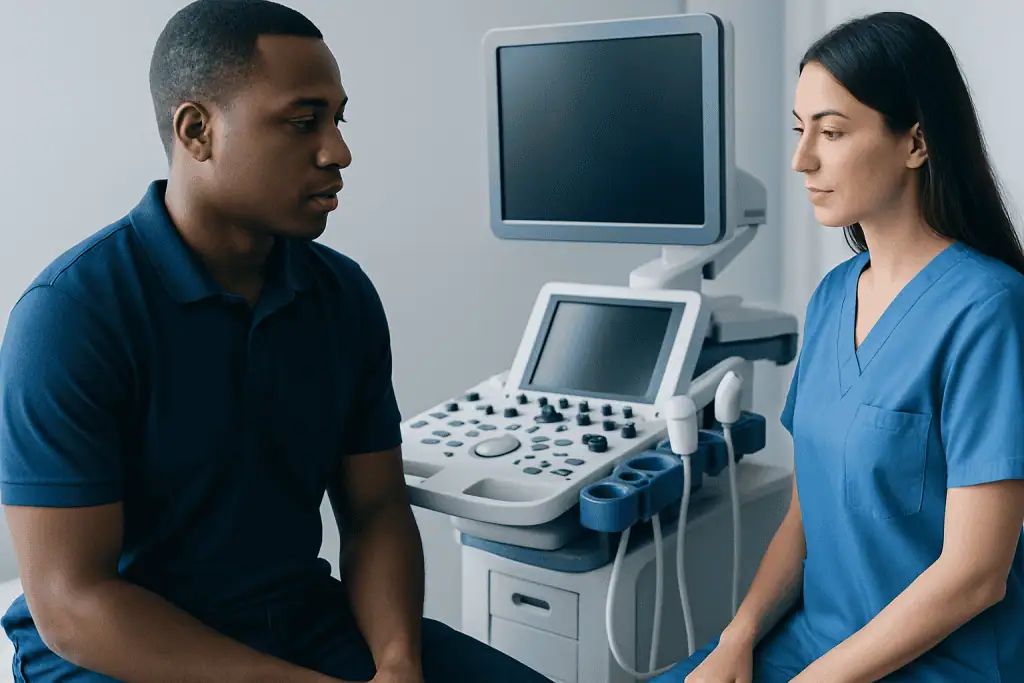
You do not need to translate every document you have ever received. The goal is to share a complete but focused picture of your current condition and medical background. Recent and diagnosis-defining records are usually the most important, especially if you are asking for a second opinion or planning surgery, oncology care, cardiology treatment, organ-related evaluation or complex diagnostics.
Useful documents often include:
- Recent medical summary or referral letter from your doctor
- Diagnosis reports and consultation notes
- Hospital discharge summaries and operation reports
- Laboratory test results, including dates and reference ranges
- Imaging reports and, when possible, original images on CD, USB or secure digital link
- Pathology, biopsy or genetic test reports, if relevant
- Current medication list, including dose and frequency
- Allergies, chronic illnesses and previous surgeries
If you are not sure what to send, begin with the most recent report that explains your diagnosis and the most recent test results. The international patient team can usually advise whether additional records are needed for a preliminary medical review.
Certified, professional or informal translation: what is usually needed?
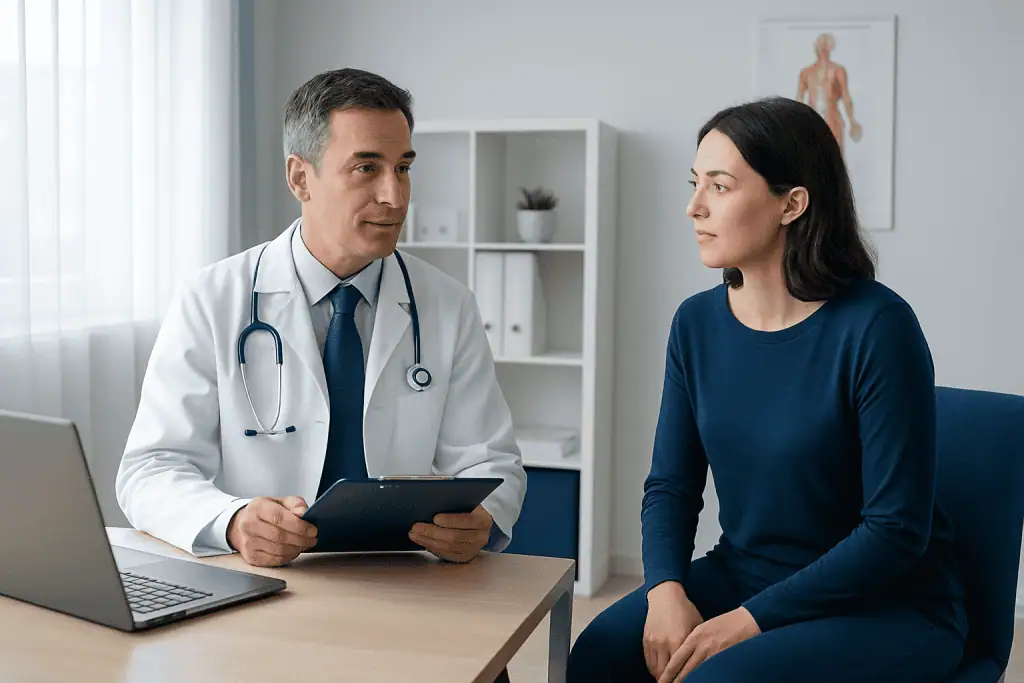
The type of translation you need depends on the purpose. For medical review, a professional medical translation or an accurate translated summary may be enough, especially when the original report is also shared. For administrative, legal, insurance or embassy-related purposes, certified or notarized translation may sometimes be requested. Requirements vary, so it is best to ask before paying for unnecessary services.
For hospital planning, the priority is accuracy, completeness and readability. A physician reviewing your file needs to see key clinical information clearly: diagnosis, dates, test values, treatment history and recommendations. If a document is long, a translated medical summary may be useful, but it should not hide important original details.
Whenever possible, keep the original documents together with the translations. If there is any uncertainty in a translated term, the medical team can compare it with the original. This is especially important for pathology findings, imaging conclusions, operative notes and medication names that may differ by country.
How Acibadem International supports document review and communication
Acibadem International’s role is to help you move from scattered paperwork to a coordinated care pathway. After you contact the international patient team, they may ask for your reports, imaging and a short description of your medical concern. Your documents are then shared with the appropriate medical departments for review, depending on the specialty and availability.
Because Acibadem hospitals serve patients from many regions, interpreter and coordination support is part of the international patient journey. Interpreters can help during appointments, admissions and key hospital interactions, while patient services teams can guide you on document submission, appointment scheduling and practical travel questions. This support is designed to reduce stress, not to rush you into a decision.
It is important to understand the difference between document review and a final medical decision. A preliminary opinion based on reports can help you plan, but your Turkish medical team may still recommend in-person examination, repeat testing or additional imaging after arrival. This is normal and often necessary for patient safety.
How to organize your files before sending them
Good organization can save several days of back-and-forth communication. Rename files clearly before sending them, using the document type and date, such as “MRI_Brain_2025-03-12” or “Discharge_Summary_2024-11-04”. If you have many records, group them by category: imaging, lab results, pathology, surgery, prescriptions and doctor letters.
Try to scan paper reports in high quality and avoid blurred photos, cropped pages or missing signatures. If you take photos with a phone, place the document on a flat surface with good light and capture the full page. For imaging, the written radiology report is useful, but the original DICOM images may be more valuable for specialist review than screenshots or printed pictures.
Write a short patient summary in simple language. Include your age, current diagnosis or main symptoms, when the problem started, treatments already received, current medications, allergies and what you are seeking in Turkey. This summary helps coordinators and physicians understand the context of the documents you send.
Common translation problems and how to avoid delays
Delays often happen when important pages are missing, dates are unclear, the translation does not match the original or the report uses abbreviations that are not explained. Another common issue is sending only a diagnosis name without the test results that support it. For example, a cancer diagnosis usually requires pathology details, staging information and imaging; a heart condition may require ECG, echocardiography, angiography or lab records, depending on the case.
Medication names can also cause confusion because brand names vary by country. If possible, provide the generic medicine name, dose, frequency and reason for use. For blood thinners, diabetes medications, immune treatments, chemotherapy drugs, steroids and allergy-related medicines, accuracy is especially important.
If your records are in multiple languages, tell the patient team which language each report is in and which documents have already been translated. Do not edit medical values yourself, even if you notice unfamiliar units. The safest approach is to share the original report, the translation and any questions you have about the meaning.
Privacy, consent and safe sharing of your medical records
Your medical records contain sensitive personal information, so share them through secure channels whenever possible. Avoid posting reports in public messaging groups or sending them to people who are not involved in your care. If a hospital or coordinator provides a secure upload method or official email address, use that channel and confirm receipt.
Before sending documents on behalf of a parent, spouse, child or another relative, make sure you have their consent or legal authority where required. Hospitals may need to verify identity and permission before discussing medical details. This protects the patient and ensures that information is shared appropriately.
Keep a personal backup of every file you send, including translations. Bring digital and printed copies when you travel to Turkey, especially for key reports, medication lists, allergies and recent test results. Even when documents have been submitted in advance, having copies with you can be helpful at admission, consultation or discharge.
Step by step
- Collect the most recent and relevant records. Start with documents that explain your current diagnosis, recent tests and previous treatments. If you are unsure, send the main reports first and ask whether the team needs more.
- Keep originals and translations together. Do not replace the original report with only the translated version. Doctors may need to compare names, dates, values or terminology with the original document.
- Prepare a short patient summary. Write a simple overview of your condition, main symptoms, treatment history, medications and allergies. This helps the international patient team understand your needs quickly.
- Ask what level of translation is required. Before arranging certified or notarized translation, confirm whether it is needed for medical review, insurance or administrative purposes. This can help you avoid unnecessary cost and delay.
- Share files through official channels. Use the hospital’s recommended upload method, official email or secure communication channel. Avoid sending sensitive medical information through informal or public platforms.
- Wait for document review before final travel decisions. A preliminary review can help clarify which department to see and whether more tests may be needed. For non-urgent cases, try to confirm appointments before booking flights.
- Bring printed and digital copies to Turkey. Carry your most important reports, translations, imaging files and medication list in your hand luggage. This ensures access even if checked baggage is delayed.
Your checklist
- Recent diagnosis or consultation report
- Laboratory results with dates and reference ranges
- Imaging reports plus original images when available
- Pathology or biopsy reports, if relevant
- Operation reports and discharge summaries
- Current medication list with dose and frequency
- Allergy list and chronic disease history
- Passport name matching your medical documents where possible
- Professional translations of key reports, if requested
- Digital backup and printed copies for travel
Key takeaways
- Accurate medical report translation helps doctors in Turkey understand your diagnosis, treatment history and safety needs before you travel.
- The most important documents are usually recent reports, imaging, lab results, pathology findings, discharge summaries and medication lists.
- For medical review, clarity and accuracy matter more than decorative formatting; certified translation is only needed in certain situations.
- Acibadem International can help coordinate document submission, interpreter support and communication with relevant specialist teams.
- Always keep original reports, translations and backup copies together, and use secure channels for sharing sensitive health information.
Frequently asked questions
Do I need to translate all of my medical records before coming to Turkey?
Usually, you do not need to translate every document. Focus on the records that explain your current diagnosis, recent test results, previous treatments, surgeries, medications and allergies. If the medical team needs more detail, they can request additional documents.
Can I send my reports in my own language first?
In many cases, yes, especially for an initial inquiry. The international patient team can advise which documents should be translated for medical review. Always include the original files, even if you already have translations.
Is a certified translation required for hospital treatment?
Not always. For clinical review, an accurate professional medical translation or a clear translated summary may be sufficient, depending on the case. Certified or notarized translations may be needed for insurance, legal, embassy or administrative purposes, so confirm the requirement before arranging them.
What if my imaging is on a CD or hospital portal?
Imaging reports are helpful, but specialists may also need the original images, often in DICOM format. If your images are on a CD, USB drive or online portal, ask how to share them securely before travel. Bring a backup copy with you in your hand luggage.
Will translation replace an in-person consultation in Turkey?
No. Translation supports preliminary review and planning, but your doctor may still need to examine you and request updated tests after arrival. This is part of safe medical decision-making and helps confirm the most appropriate treatment plan.
Can an interpreter help me during appointments at Acibadem?
Acibadem International provides international patient services that may include interpreter support during key hospital interactions, depending on language availability and scheduling. Interpreters help you communicate questions, understand instructions and feel more confident during your visit.
How should I protect my privacy when sending medical reports?
Use official hospital contact channels or secure upload methods whenever available. Avoid sharing reports in public groups or with people not involved in your care. Keep your own copies and make sure you have consent if you are sending documents for someone else.

More Patient Guides
How to Choose Recovery-Friendly Accommodation in Turkey After Treatment
Recovery-friendly accommodation in Turkey means a quiet, accessible, well-located stay with support for transport, meals, and follow-up visits in Istanbul or beyond.
9 min read
How to Prepare a Carry-On Bag for Treatment Travel to Turkey
Carry-on bag for treatment travel to Turkey: pack medicines, documents, comfort items, chargers, and one change of clothes for a smoother trip.
9 min read
How to Pack Medical Devices and Supplies for Treatment Travel to Turkey
How to pack medical devices for treatment travel to Turkey: carry essentials in hand luggage, bring documents, chargers, and backup supplies.
9 min read