

How to Choose Recovery-Friendly Accommodation in Turkey After Treatment

To choose recovery-friendly accommodation in Turkey after treatment, prioritise a short, realistic journey to your hospital, step-free access or a reliable lift, a safe bathroom, a quiet room, easy meal access and flexible booking terms. Match the property to your expected mobility and follow-up schedule, decide whether a companion will stay with you, and confirm the practical details in writing before you pay.
Where will you actually rest once you leave the hospital? Most patients think about this last, then wish they had thought about it first. The right place to stay will not speed up your recovery on its own, but the wrong place can make every day harder than it needs to be: stairs when you cannot manage stairs, noise when you need sleep, a long taxi ride when you are due back for a wound check.
This guide walks you through how to choose recovery-friendly accommodation in Turkey after treatment. It covers the decisions that matter, location, hotel versus apartment, room features, meals, companions and booking terms, and the questions worth asking before you confirm anything.
At a glance
- Best for: International patients who need a calm, practical base to recover in after treatment in Turkey
- Main priorities: Realistic travel time to your hospital, step-free access, bathroom safety, quiet, food access and flexible dates
- Stay types: A hotel near the hospital for shorter stays; a serviced apartment for longer stays, companions or self-catering
- When to book: Once your treatment dates and expected recovery timeline are clearer, with room to extend if plans shift
- Helpful support: International patient coordinators, interpreters and pre-arranged transfers can simplify the logistics
What recovery-friendly accommodation really means
When you choose recovery-friendly accommodation in Turkey after treatment, you are not shopping for a holiday. You are choosing a place where you can rest without effort, move without risk, eat without hassle and reach your follow-up appointments without a tiring journey. Luxury is optional. Practicality is not.
The details that matter are ordinary ones. A lift that works reliably. A bathroom you can use safely when you are stiff, sore or slower than usual. A room dark and quiet enough to sleep in during the day, because after treatment you may sleep at odd hours. Food you can get without walking far. A pick-up point where a driver can actually stop.
Your specific needs depend on your treatment, your mobility afterwards, your pain and energy levels, and whether you are travelling alone or with a companion. Someone recovering from a minor procedure has different requirements from someone who has had abdominal or orthopaedic surgery. If you want a sense of how your needs may change across the stay, the guide on what recovery in Turkey looks like week by week is a useful companion to this one.
How close should you stay to the hospital?
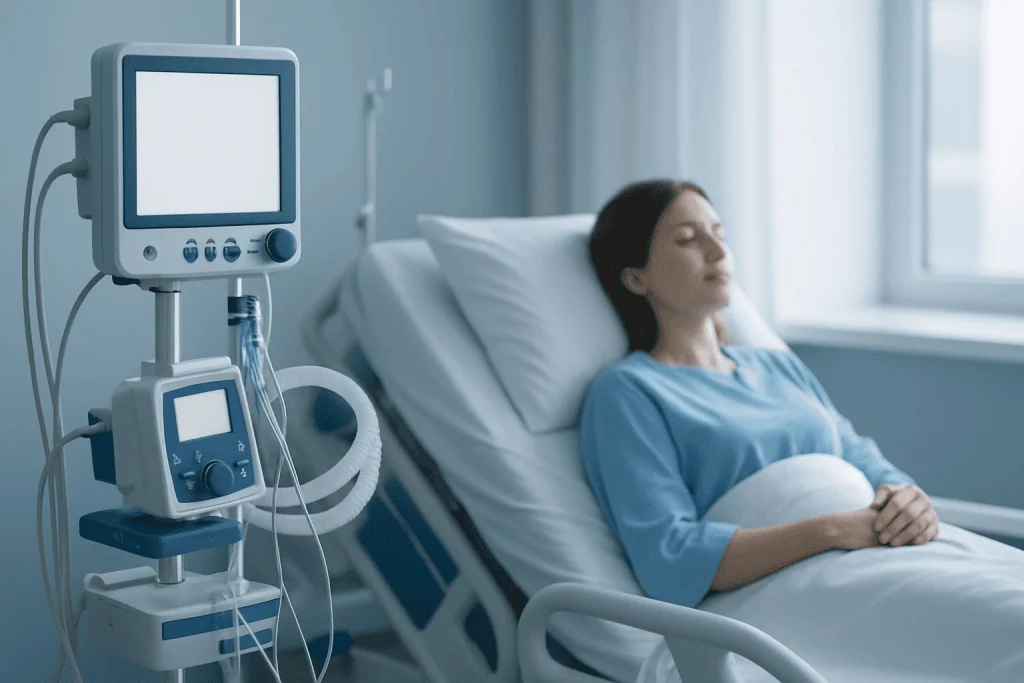
For the first part of recovery, close is usually better. A short journey means less time sitting upright in a car, less fatigue and less stress around wound checks, dressing changes, imaging or review consultations. If your doctor asks to see you again at short notice, a nearby stay makes that simple rather than a project.
Be careful with maps. Istanbul traffic is genuinely unpredictable, and a property that looks close in kilometres can take a long time to reach at certain hours. When you compare options, ask for realistic door-to-door journey times by car, at morning and evening peak, not just at midnight. A property fifteen minutes away in real traffic beats one that is nearer on paper but sits across a congested bridge or main artery.
Proximity also buys peace of mind. If you feel weak, cannot sit comfortably for long, or have temporary movement restrictions, knowing your treating hospital is a short ride away makes the whole stay calmer. This matters most in the first days after discharge, when small problems feel bigger and your energy is lowest.
That said, you do not have to stay next door. If your treating team confirms your recovery is stable and your follow-up schedule is light, one review before you fly, say, a slightly farther location can work well, provided it is quiet, accessible and reachable by transport you have arranged in advance rather than transport you hope to find on the day.
One honest limit: no location choice removes uncertainty from recovery. What it does is reduce friction on the days when friction costs you most.
Hotel or serviced apartment?
Both can work. The right answer depends on how long you are staying, how much help you want on tap, and how much you value space and self-catering. As a rough rule: shorter stays and lighter needs favour a hotel; longer stays, companions and dietary routines favour an apartment.
| Factor | Hotel | Serviced apartment |
|---|---|---|
| Daily support | Reception, housekeeping and room service on hand | Usually limited; you manage more yourself |
| Meals | Room service and restaurant, less control over ingredients | Kitchenette lets you or a companion prepare familiar, simple food |
| Space for a companion | Can be tight in a standard room over several days | Separate sitting or sleeping areas ease a shared stay |
| Longer stays | Costs and small rooms can wear on you | Generally better suited to extended recovery |
| Flexibility of dates | Often easier to extend night by night | May involve minimum stays; confirm extension terms first |
Whichever you lean towards, judge the individual property, not the category. A well-run hotel with a walk-in shower and a quiet back-facing room can be more recovery-friendly than a stylish apartment up two flights of stairs with no lift. Before you pay, work through the points in what to check before confirming recovery accommodation in Turkeyasking in writing, in advance, is far easier than negotiating at check-in.
Features to look for in your room or apartment
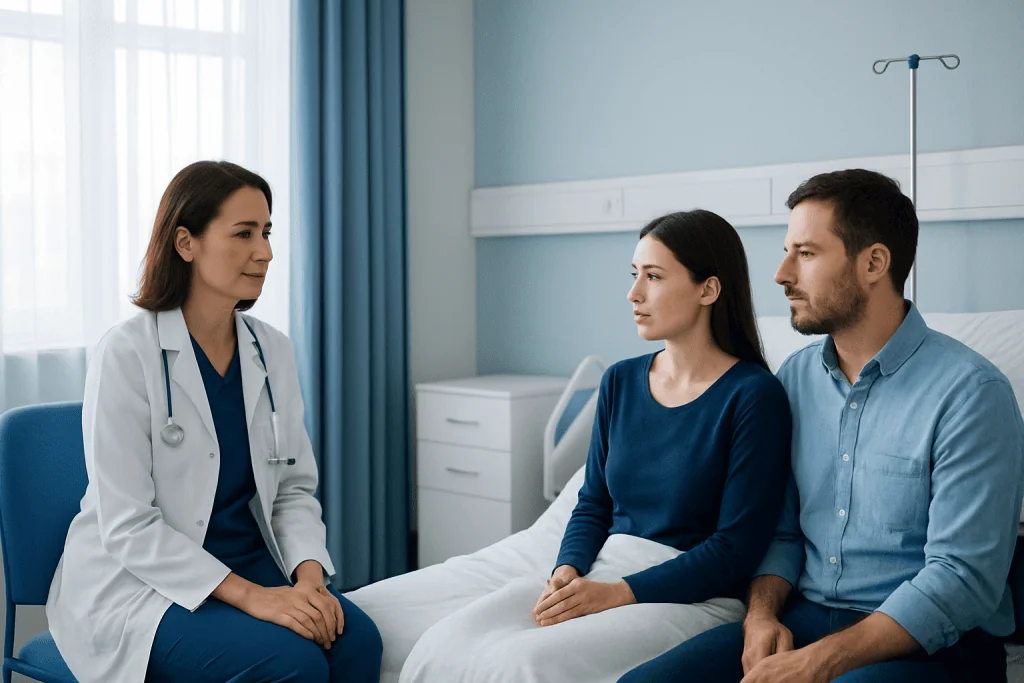
Picture yourself managing ordinary tasks while more tired than usual, possibly with dressings, drains or movement restrictions. That mental test tells you what to ask about. A recovery-friendly room is easy to enter, easy to move around, and easy to use safely at three in the morning as well as three in the afternoon.
Start with access: a working lift or a ground-floor room, step-free entry from the street, and no long corridors between the lift and your door. Then the bathroom, which is where most recovery difficulties happen: a walk-in shower rather than a bathtub to climb over, a non-slip floor, grab rails if available, and enough room to move slowly. Then the furniture: a bed that is not too low to get out of, firm seating with armrests and back support, and clear space around the bed for careful movement at night.
Comfort features do real work too. Temperature control you can actually adjust, blackout curtains, low noise from the street and corridor, and reliable Wi-Fi so you can stay in touch with home and with your care coordinators. A room that is hot, bright and noisy will leave you more exhausted, not less. Choosing recovery-friendly accommodation in Turkey after treatment is largely a matter of noticing these unglamorous details before you arrive rather than after.
Once you have booked, it is worth arranging the room itself for recovery on day one, water within reach, medication somewhere visible, a clear path to the bathroom. The hotel room setup checklist for recovery covers this in detail, and the guide on what to pack for recovery in Turkey helps you bring the small items no hotel supplies.
- Lift access or a genuine ground-floor option
- Private bathroom with a walk-in shower and non-slip flooring
- Comfortable bed at a manageable height, plus supportive seating
- Quiet room away from heavy street noise and lift shafts
- Easy food access: room service, restaurant or kitchenette
- Blackout curtains and controllable heating or cooling
- A reliable, safe pick-up point for arranged transport
Meals, hygiene and everyday comfort
Food is often the last thing people check when booking and the first thing that becomes a problem after treatment. You may need simple, regular meals, more fluids than usual, lighter foods, or a fridge to store medication and snacks. Before booking, confirm what the property actually offers: room service hours, restaurant flexibility, an in-room fridge, and how far the nearest grocery shop and pharmacy are on foot.
If your treating doctor gives you specific dietary instructions, choose accommodation where following them is realistic rather than heroic. A serviced apartment makes this easier if you or your companion want to prepare familiar food; many hotels are also genuinely accommodating if you ask in advance rather than at the table. For what those early meals tend to look like in practice, see the simple recovery nutrition guide for after surgery in Turkey.
Cleanliness matters for both comfort and confidence. Look for properties with a strong, recent reputation for hygiene and dependable housekeeping. If you have dressings, reduced mobility or low energy, a clean, well-maintained bathroom and sleeping area stop being nice-to-haves and become the core of the stay.
Finally, think about the small comforts that reduce strain: extra pillows, easy access to drinking water, laundry service, and staff who respond to simple requests without fuss. Recovery goes better in an environment that asks less of you.
Should you stay alone or with a companion?
Many patients feel more secure with a companion, especially in the first days after treatment. A family member or friend can help with meals, fetching prescriptions from the pharmacy, transport, communication and, usefully, noticing when you are too tired to manage practical tasks yourself.
If you are considering staying alone, be honest about your expected mobility and energy. Some treatments involve a short, light recovery; others may leave you needing help with walking, showering, carrying bags or getting to appointments for a while. The sensible move is to ask your treating team what level of independence is reasonable for your situation, and to book accordingly rather than optimistically.
If a companion is coming, check whether the room genuinely works for two people for several days. A cramped room becomes stressful fast when one person is resting most of the day. A sofa bed, a separate sitting area or an apartment layout can make the stay much easier for both of you.
Hospitals that treat international patients commonly provide interpreters and care coordination during appointments, which takes some pressure off companions. Even so, if someone can stay with you, the combination of practical help and simple reassurance is often one of the most valuable parts of recovery.
Booking tips for international patients in Turkey
Before you confirm anything, ask your treating team how long you are likely to stay in Turkey after treatment and whether that timeline could change. Recovery is not exact. Discharge timing, review appointments and fitness to fly can all shift by a few days, so a booking with room to extend or adjust dates is worth prioritising over one that locks you in. The same logic applies to your journey home: the guide on booking flexible return flights after treatment in Turkey explains how to build that slack into your ticket as well as your room.
Check the paperwork details that only matter when they go wrong: cancellation rules, payment terms, check-in and check-out times, and whether the property handles late arrivals gracefully. Flights from abroad get delayed; a straightforward arrival process removes one source of stress at the worst possible moment.
Ask who can help with transport, to the hospital for follow-ups, to a pharmacy, to the airport at the end. Patients tend to feel far more settled when transfers are arranged before arrival rather than improvised each day. Hospitals with international patient departments often arrange transfers and interpreter support as a standard part of the treatment journey, so find out what is already included before booking anything separately.
Finally, keep the essentials in one easy-to-reach place: your hospital contact details, your accommodation address written in Turkish and English, your passport, your medication list and your discharge documents. Anyone choosing recovery-friendly accommodation in Turkey after treatment is really choosing to make the unpredictable days manageable, good paperwork habits are part of that.
Step by step
- Ask your doctor what your recovery will involve. Before choosing where to stay, ask about your likely mobility, pain level, dressing care and follow-up schedule. This lets you book for your real needs, not your travel preferences.
- Choose location before style. Prioritise a practical location near your hospital for the first days. In Istanbul especially, a short distance on the map can mean a long journey in traffic, so ask for realistic travel times at peak hours.
- Pick the stay type that fits your situation. A hotel suits shorter stays and on-tap support; a serviced apartment suits longer stays, companions and self-catering. Judge the specific property, not the label.
- Check accessibility in detail. Do not assume a modern-looking property is recovery-friendly. Ask specifically about stairs, lifts, walk-in showers, bed height, room layout and whether staff help with luggage.
- Plan meals and daily essentials. Confirm easy access to food, water, a fridge if you need one, and a nearby pharmacy. If you may need simple or special meals, agree what is possible before you arrive.
- Decide honestly about a companion. Think about whether you will feel safe and comfortable alone. If someone is coming, make sure the room genuinely works for two people over several days.
- Build in flexibility. Recovery timelines can shift, so favour bookings with extension or date-change options, and apply the same thinking to your return flight.
- Coordinate transport in advance. Arrange airport transfers and hospital journeys before you travel. Pre-planned transport removes daily friction and makes follow-up visits far less tiring.
Your checklist
- Stay close to your hospital for early recovery where possible
- Ask for realistic car journey times, not distances on a map
- Confirm lift access or step-free entry in writing
- Check the bathroom: walk-in shower, non-slip floor, space to move
- Make sure meals, water and a pharmacy are easy to reach
- Choose a quiet room with blackout curtains and temperature control
- Confirm the room works for a companion if one is staying
- Review cancellation, extension and late-arrival terms before paying
- Arrange transfers and follow-up transport in advance
- Keep medical documents, addresses and contact numbers in one place
Key takeaways
- Choose accommodation on recovery needs, access, quiet, safety, food, not appearance or star rating.
- Staying near your hospital makes follow-up visits easier and the first days calmer; judge distance by real traffic, not kilometres.
- Hotels suit shorter stays with support on tap; serviced apartments suit longer stays, companions and self-catering.
- A companion is often the single most useful recovery resource if your energy or mobility may be limited.
- Flexible booking terms and pre-arranged transport absorb the uncertainty that every recovery timeline carries.
Frequently asked questions
What type of accommodation is best after treatment in Turkey?
It depends on your recovery needs. Many patients do well in a hotel close to the hospital for convenience and daily support, while others prefer a serviced apartment for more space, privacy and meal flexibility during a longer stay. Judge each property on access, bathroom safety, quiet and food options rather than on category or star rating.
Should I stay in Istanbul near the hospital after treatment?
Usually yes, at least for the early part of recovery. Staying near the hospital cuts tiring travel, makes follow-up visits easier and feels more reassuring in the first days. Because Istanbul traffic is unpredictable, compare properties by realistic journey time at peak hours rather than by distance.
Is it safe to recover alone in accommodation after treatment?
That depends on your procedure, your mobility and how independent you are likely to feel afterwards. Some patients manage well alone; many feel safer and more comfortable with a companion, especially in the first few days. Ask your treating team what level of independence is realistic for your situation and book accordingly.
What features should I ask about before booking?
Ask about lift access, steps, walk-in showers and non-slip floors, bed height, room size, noise levels, blackout curtains, food options, an in-room fridge and transport pick-up. These practical details affect your recovery far more than décor, and it is worth getting the answers in writing before you pay.
How long should I book my accommodation for after treatment in Turkey?
Book according to your doctor’s expected recovery and follow-up plan, but leave room for change. Discharge timing, review appointments and fitness to fly can all shift, so a booking with extension or date-change options is usually worth more than a rigid one.
Is a serviced apartment better than a hotel for recovery?
Neither is better in every case. Apartments generally suit longer stays, companions and self-catering, because they offer space and a kitchenette. Hotels suit shorter stays because reception, housekeeping and room service reduce daily effort. The deciding factor is the individual property’s access, safety and quiet, not the category.
How do I get to follow-up appointments from my accommodation?
Arrange transport before you travel rather than improvising each day. Hospitals with international patient departments often include transfers between accommodation and the hospital as part of the treatment journey, and most hotels can book a car in advance. Pre-planned journeys are shorter, calmer and far less tiring during early recovery.
What if I have dietary needs or need a very quiet place to recover?
Tell the property your needs before booking and get confirmation in writing where possible. If your recovery depends on specific meals, rest or a calm environment, treat these as booking criteria on the same level as price and location, not as minor preferences to raise at check-in.
Add us as a Preferred Source to see more of our trusted health content across Google Search, AI Overviews and Discover.

Update history
- PublishedAugust 6, 2026
- Medical review approvedSeptember 1, 2026
- Last content updateSeptember 1, 2026
References2
- After Surgery: MedlinePlus, U.S. National Library of Medicine medlineplus.gov
- Medical Tourism: CDC Travelers' Health wwwnc.cdc.gov
More Patient Guides

GHIC and EHIC in Turkey: Why They Do Not Cover You
The blue card that quietly covers you across Europe stops working at the Turkish border, and every summer, travelers discover this…

Do You Need Vaccinations for Turkey?
Here is the answer travel clinics give every day: no vaccinations are required to enter Turkey from anywhere in the normal course…

Flying With a Broken Leg or Cast: Airline Rules and Comfort
A broken leg does not cancel a flight, airlines carry passengers in casts every single day. What surprises travelers is that…
Travel Insurance After Cancer: What Patients Should Know
A cancer diagnosis changes how insurers read your name, but it does not end your traveling life. Thousands of people with…