

Recovery After Treatment in Turkey: Week-by-Week What to Expect

Recovery follows a broadly predictable arc. The first days bring tiredness, swelling and restricted activity. Weeks two to four bring growing independence, though full energy returns slowly. Deeper healing continues for one to three months. International patients usually stay in Turkey until a first control visit, and the treating doctor decides when flying home is appropriate. The exact timeline depends entirely on the procedure and your health.
How many days should you book in Turkey after your procedure? When is it actually reasonable to get on a plane? These are usually the first questions once treatment is confirmed, and they deserve straight answers, even if the honest answer is that the timeline depends on what was done and how your body responds.
This guide explains what recovery after treatment in Turkey typically looks like for an international patient: the first hours after a procedure, hospital discharge, the days in a hotel, the first control visit, travel timing, and follow-up once you are home. It describes the general pattern. Your own plan comes from your treating doctor and always takes priority over anything written here.
At a glance
- What this covers: The recovery period after any planned treatment in Turkey, from surgery to non-surgical care
- Purpose: To help you plan realistic recovery time, understand discharge, and time your journey home sensibly
- Anaesthesia: Depends on your original procedure; general anaesthesia usually means a longer immediate recovery
- Hospital stay: Ranges from same-day discharge to several nights of inpatient monitoring
- Typical pattern: Hardest in the first days, more independent by weeks two to four, deeper healing over one to three months
- Travel home: Usually after a first control visit and travel clearance from the treating doctor
- Return to daily life: Gradual; light activity resumes earlier than work, exercise or long journeys
- Support available: Interpreter services, transfers, discharge planning, accommodation guidance and remote follow-up
What recovery after treatment in Turkey actually involves
Recovery after treatment in Turkey is not a procedure in itself. It is the structured period between your treatment and your return to normal life, and for a medical traveller it has two layers that a local patient never deals with at the same time: healing, and logistics.
The healing layer looks the same as it would anywhere: observation, pain control, wound care, mobility instructions, nutrition advice and follow-up appointments. The logistics layer is what makes recovery after treatment in Turkey different. You are healing in a hotel rather than your own home, your return flight has to fit around a control visit, and someone needs to decide when you are fit to travel. Planning both layers before you arrive is what separates a calm recovery from a stressful one.
Discharge and travel planning are coordinated between the treating team and international patient services, so the medical instructions and the practical arrangements point in the same direction.
When detailed recovery planning matters most
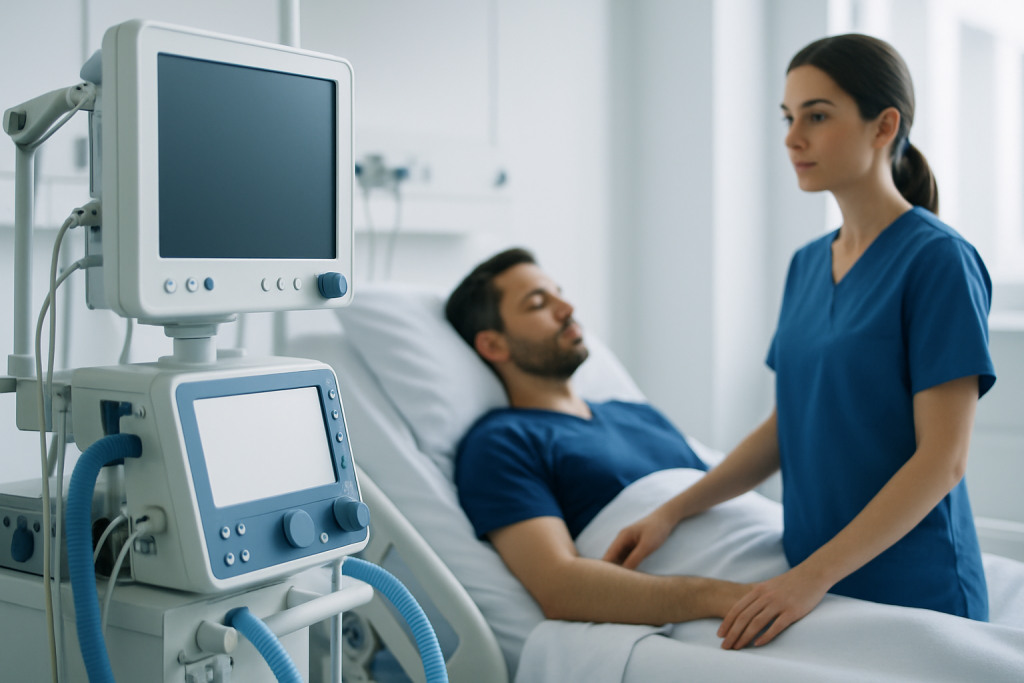
Some form of aftercare follows almost every treatment, but structured recovery planning becomes essential in a few situations. Surgery under general anaesthesia is the obvious one: the first day is spent regaining alertness, and the guide on what happens after general anaesthesia explains that stage in detail. Procedures that affect movement, eating, wound healing or circulation also need more planning, because they change what you can safely do in a hotel room and on an aircraft.
Planning also matters more if the treatment leaves you with temporary equipment or restrictions: drains, dressings, compression garments, a brace, or limits on lifting, bathing, exercise or flying. Each of these shapes how long you should stay and what kind of accommodation suits you.
Finally, existing conditionsdiabetes, heart or lung disease, clotting problems, immune concerns, a history of slow healing, do not usually prevent treatment, but they often change how closely you are monitored and how long the recommended stay in Turkey is. This is exactly the kind of factor the treating doctor weighs when setting your timeline.
What makes a recovery go smoothly

The patients who recover most comfortably abroad tend to share a few habits rather than a particular medical profile. They give complete information before arrival, medications, allergies, previous operations, chronic conditions, so the plan is built on facts. They book enough days rather than the minimum. And they treat the stay as medical time, not holiday time.
Realistic expectations help just as much. Even when a procedure goes exactly as planned, the days that follow can bring discomfort, swelling, bruising, poor appetite, disturbed sleep and emotional flatness. None of this means something has gone wrong; it means the body is doing repair work. Recovery improves in stages, sometimes unevenly, and rarely all at once.
If you are travelling alone, having a major procedure, or expecting reduced mobility, coordinated support carries more weight. Interpreter services, planned transfers and a hotel chosen for recovery rather than sightseeing, covered in the guide to recovery-friendly accommodation in Turkeyremove most of the friction that makes healing abroad feel hard.
How recovery differs by type of treatment
There is no single recovery pathway. The shape of yours depends mainly on three things: the invasiveness of the procedure, the type of anaesthesia, and the part of the body treated.
- Minor outpatient procedures usually mean short observation, simple written instructions and a quick return to light activity: the pattern described in what to expect after day surgery.
- Major surgery involves inpatient monitoring, wound or drain care, mobility support and a staged return to movement, work and travel.
- Non-surgical treatment shifts the focus to medication monitoring, symptom control, diet, blood tests or repeat assessments rather than wound care.
- Rehabilitation-heavy treatmentorthopaedic work, for instance, adds physiotherapy, breathing exercises or mobility training to the plan.
Anaesthesia type matters too. Local anaesthesia allows the fastest discharge; sedation and general anaesthesia require longer observation before you leave. Procedures involving the abdomen, chest, face, joints, spine or circulation often carry specific positioning or travel instructions of their own. Where a procedure has its own well-known timeline, a gastric sleeve or a knee replacement, for example, the procedure-specific guide will give you a more precise picture than any general one.
The online review before you travel
Recovery planning normally starts before you leave home. The clinical team reviews your medical reports, imaging, test results, medication list and surgical history; if the treatment involves a visible area of the body, recent photos may be requested. This review does not replace an in-person consultation, but it lets the team estimate whether the treatment is appropriate and, importantly for your flight bookings, how long you are likely to need in Turkey afterwards.
This is also the natural point at which practical recovery questions get answered: expected pain levels, temporary restrictions, how soon walking, showering, eating normally or working remotely is realistic, and roughly when flying becomes reasonable. The answers are always individual, which is precisely why they are worth asking before you book anything non-refundable.
Preparing for recovery before the treatment
Good recovery is mostly arranged in advance. Once the plan is confirmed, prepare for the period after the procedure as carefully as for the procedure itself: enough time off work, a companion if one is advised, and a loose schedule rather than a packed itinerary.
Follow the pre-treatment instructions exactly. Depending on the procedure these may cover fasting, hydration, smoking and alcohol, and completing required blood tests or imaging. Any changes to your regular medication are decided by your treating doctor, never on your own initiative, because pre-treatment medication handling affects both safety and healing.
Pack with reduced mobility in mind: medical documents, regular medications in original packaging, loose clothing, slip-on shoes, and any assistive items you normally use. A well-prepared start reliably makes the first days feel easier.
The first hours after your procedure
Whatever the treatment, recovery begins immediately. After a procedure you typically spend time in a recovery area where nurses monitor blood pressure, pulse, breathing, comfort and alertness. After sedation or general anaesthesia, feeling sleepy, cold, thirsty or mildly nauseated at first is common and expected.
The team then assesses treatment-specific points: pain, bleeding, swelling, mobility, urination, oral intake and wound condition. Some patients sit up, drink fluids and return to their room or hotel the same day; others need longer observation, IV fluids or an overnight stay. For a small number of major procedures, a planned period of intensive care monitoring is part of the pathway rather than a sign of trouble.
Early instructions start here too: how to get out of bed safely, when to begin walking, what to eat, how dressings are handled and when medication is due. Interpreter support is available so these instructions are understood, not just handed over.
Hospital stay and discharge
The stay itself may be a few hours or several nights. Before discharge, the team confirms that pain is reasonably controlled, vital signs are stable, you can eat or drink where appropriate, and nothing needs continued monitoring. How pain is assessed and managed during this stage is covered in pain control after surgery in Turkey.
Discharge information should cover medications, dressings, bathing, sleeping position where relevant, activity levels, diet, follow-up appointments, and limits on work, lifting, exercise, driving and air travel. After more complex procedures it also covers drains, compression garments, braces or mobility devices. It should include contact details and clear guidance on which symptoms are expected and which need prompt review, read it before you leave, and ask about anything unclear while the team is in front of you.
One point trips up many first-time medical travellers: discharge is not travel clearance. Leaving hospital means you no longer need inpatient care. It does not mean you are fit to fly. Most international patients stay nearby for a first control visit before the doctor confirms the journey home.
Week-by-week recovery timeline
Recovery after treatment in Turkey follows the same biological arc as recovery anywhere; what changes is that the early stages happen in a hotel and the later ones at home. Pace depends on the treatment, your health, age, smoking status, nutrition, sleep and how closely instructions are followed. The table below shows the general pattern for many patients: a map, not a schedule.
| Timeframe | What to expect |
|---|---|
| First 24 hours | Sleepiness, soreness, swelling and fatigue depending on the treatment and anaesthesia. Nursing observation, fluids, rest and first instructions. The least active day of the whole recovery. |
| First week | Mild to moderate discomfort, bruising, swelling, limited movement and low energy. Medications, dressing care and short, gentle walks. The first control visit usually falls here, and for many patients so does the flight home once clearance is given. |
| Weeks 2–4 | Noticeably more mobile and independent, though full energy has not returned. Visible healing improves; some swelling, stiffness, tenderness or appetite changes may persist. Light daily activity broadens, usually at home by now. |
| Months 1–3 | Deeper tissue healing continues. Work, exercise and longer travel resume gradually with the doctor’s approval. Some treatments still involve physiotherapy, scar care or monitoring. |
| Final result | Weeks to months depending on the treatment. Swelling settles, tissues mature, strength returns, and the longer-term outcome becomes clear over time. |
The reliable sign of healthy recovery is direction, not speed: things should be gradually better each week, even if individual days wobble. Once you are home, the pattern continues along the lines described in preparing for recovery after you return home.
What to avoid while you heal
The specifics depend on your treatment, but a few principles apply broadly. The instructions you were given about rest, medication timing, wound care, eating, walking and follow-up are the plan, feeling well earlier than expected is not a reason to abandon them, because doing too much too soon can slow healing.
Common restrictions in the early weeks include heavy lifting, strenuous exercise, smoking, alcohol, dehydration, hot baths, swimming and long unsupported walks. After sedation or anaesthesia, driving, signing important documents and making major decisions are usually off the table for a short period. Adjusting prescription medication is never a patient decision; it belongs to the treating doctor.
Skip the tightly scheduled tourism. Short outings may be fine once your doctor approves them, but the early days reward sleep, hydration, gentle meals and low-stress surroundings. And treat your return flight date as provisional until clearance is given, particularly after major surgery, procedures affecting circulation or breathing, or while drains, significant swelling or reduced mobility are present.
Risks, complications and what is normal
All treatment carries some risk, and no two recoveries are identical. Common short-term effects across many treatments include pain, swelling, bruising, tiredness, appetite changes, disturbed sleep, constipation, mild nausea and emotional ups and downs. These are usually manageable and settle with time and supportive care.
Possible complications vary with the original treatment and may include bleeding, infection, fluid collection, delayed wound healing, blood clots, medication reactions, numbness, stiffness, unexpected scarring or the need for further treatment. Travel adds its own strain: long flights, dehydration, luggage handling and prolonged sitting all place demands on a healing body, which is why individualised travel clearance exists.
Your discharge instructions draw the line between expected symptoms and ones that need review. In general terms, expected symptoms improve gradually, while symptoms that worsen, arrive suddenly or feel clearly out of proportion to what you were told to expect are the ones that warrant review. The written instructions you receive explain what applies to your procedure and where to seek care, both in Turkey and once you are home. Keep them accessible rather than buried in a suitcase.
Results and realistic expectations
Recovery is part of the result. The first days rarely reflect the final outcome, because swelling, bruising, dressings and tiredness are still in the picture. Depending on the treatment, some benefits appear quickly while others take weeks or months of tissue healing, rehabilitation or monitoring to show fully.
Outcomes also differ between patients. Age, smoking, nutrition, chronic illness, previous surgery, tissue quality and activity level all influence healing, and occasionally further treatment or revision is needed. Your doctor is the right person to describe what is reasonable to expect in your specific case; the consistent theme across every treatment is that good results come from appropriate treatment, careful aftercare and patience with the timeline.
Travel planning around your recovery
Build the trip around the recovery, not the other way round. Avoid booking an early return flight before the likely stay has been discussed, because many patients need observation, a first control visit and clearance before flying. The recommended stay depends entirely on the procedure, days for some treatments, longer for others.
Choose accommodation for rest and proximity: a hotel near the treating hospital makes dressing changes and control visits far less tiring, and details such as lift access, bed height and space to move matter more than the view. If mobility will be limited, a companion earns their ticket price after anaesthesia or major surgery, when lifting bags and standing in queues may not be advisable.
Practicalities worth arranging in advance include insurance paperwork where applicable, airport transfers, and compression stockings or mobility aids if advised. Acibadem International coordinates interpreters, transfers and accommodation guidance so recovery after treatment in Turkey involves as little improvisation as possible, especially useful on a first medical trip abroad.
How costs and quotes work
This guide gives no figures, because recovery-related costs depend entirely on the original treatment and the level of aftercare it needs. What can be explained is the structure. The main cost drivers are the complexity of the procedure, length of hospital stay, anaesthesia type, tests, medications, dressings, rehabilitation needs and the number of follow-up visits before travel clearance.
Package contents vary. A treatment package commonly covers hospital services for the procedure, standard inpatient care where needed, routine nursing follow-up and planned control appointments; interpreter assistance and transfer coordination may be included depending on the package. Items often billed separately include flights, visa costs, hotel preferences beyond the standard arrangement, companion meals, extra nights beyond the planned stay, additional tests requested after arrival, treatment for unexpected complications and unrelated consultations.
International patients normally receive a written treatment plan and itemised quotation before travelling. Reading exactly what it includes, and what it does not, is the clearest way to avoid surprises.
How Acibadem supports recovery
Recovering away from home goes better when the medical side and the logistical side are handled by the same coordinated system. At Acibadem, the treating team, nursing staff and international patient services work together on discharge planning, so the clinical instructions, the interpreter, the first control appointment and the transfer arrangements all follow one plan rather than competing ones.
That coordination continues after you leave. Remote follow-up lets the team review healing and answer recovery questions once you are home, which matters most for patients whose recovery involves staged follow-up rather than a single check. Where treatment should happen is always a decision built on medical needs, physician assessment and personal priorities; for many international patients, organised aftercare is a significant part of that decision.
Medical review and disclaimer
This guide has been medically reviewed by the Acibadem International medical team. It provides general, practical information about the recovery period for international patients treated in Turkey.
It does not replace a medical consultation, diagnosis or personalised treatment plan. Recovery timelines, discharge timing, travel advice and aftercare instructions vary significantly with the treatment performed, your health and your physician’s findings. Always follow the advice of your treating doctor and care team; questions about suitability, timing, risks and travel require direct physician evaluation.
Step by step
- Initial contact. You share your treatment interest, travel plans and basic medical information with Acibadem International.
- Record and photo submission. Relevant reports, imaging, medication details and photos (where visual assessment applies) are collected.
- Preliminary medical review. The clinical team assesses suitability and estimates likely recovery needs and stay length.
- Treatment plan and quotation. You receive a written outline covering the procedure, expected stay, follow-up and package contents.
- Travel planning. Flights, visa requirements if applicable, accommodation and a recovery-friendly schedule are arranged.
- Arrival. Transfers and hospital coordination follow your appointment plan.
- In-person consultation. Your physician examines you, confirms the plan and gives personalised recovery counselling.
- Pre-treatment tests. Blood tests, imaging or anaesthesia review are completed where required.
- Treatment. The procedure is carried out, followed by immediate monitoring and early recovery support.
- Hospital stay. Observation continues for the recommended period, from a few hours to several nights.
- First control. Healing, symptoms, dressings and mobility are reviewed against expectations.
- Discharge and travel clearance. You receive written instructions and, when appropriate, confirmation that you are fit to travel.
- Remote follow-up. After you leave Turkey, follow-up communication continues to review healing and answer questions.
Your checklist
- Passport and travel details
- Complete medical history
- Current medication list
- Known drug or material allergies
- Previous surgeries or procedures
- Current symptoms and treatment goals
- Recent blood tests or relevant laboratory results
- Relevant imaging or scan reports
- Photos if requested for pre-evaluation
- Details of chronic conditions such as diabetes, heart, lung or clotting disorders
- Contact information for your local doctor if ongoing follow-up may be needed
- Information about any companion travelling with you
Key takeaways
- Your recovery timeline is set by the treatment you had, your health and your doctor’s instructions, not by a standard calendar.
- Discharge from hospital is not the same as travel clearance; most patients stay for a first control visit before flying.
- Mild pain, swelling, tiredness and limited activity are common early on; the reliable sign of healthy recovery is gradual, week-on-week improvement.
- Follow the medication, wound care, movement and follow-up plan exactly as written, and keep your discharge instructions accessible.
- Treat your return flight date as provisional until your doctor confirms it, especially after major surgery.
- Remote follow-up continues once you are home, reviewing healing and answering practical recovery questions.
Frequently asked questions
How long should I stay in Turkey after treatment?
It depends on the treatment, how you respond to it and whether a first control visit is needed before travel. Minor procedures may allow a short stay; major surgery usually means remaining locally for several days or more so healing can be checked before clearance is given.
When can I fly home after treatment in Turkey?
There is no universal answer. Flight timing depends on the procedure, anaesthesia, wound condition, swelling, mobility and factors such as clotting risk. The treating doctor makes this call, usually at the first control visit, which is why return flights are best kept flexible.
Can I travel alone for treatment and recovery?
For some minor treatments, yes, if you are otherwise healthy and comfortable managing your own aftercare. For complex procedures, recovery after general anaesthesia or any period of reduced mobility, a companion is often helpful and sometimes strongly recommended.
What is normal to feel during the first week?
Tiredness, mild to moderate pain, swelling, bruising, reduced appetite and limited movement are common early on. These typically improve gradually rather than overnight. Your discharge instructions describe the expected pattern for your specific procedure.
Will I need a follow-up appointment before leaving Turkey?
In many cases, yes. A first control visit lets the doctor check healing, adjust instructions if needed and decide whether you are fit to travel or would benefit from a little more time locally.
What affects the overall cost of recovery-related care?
The main structural factors are the original treatment, length of hospital stay, tests and monitoring, medications, dressings, rehabilitation and follow-up visits. Flights, accommodation preferences, extra nights and companion expenses sit outside most packages, which is why the written quotation is worth reading closely.
When can I return to work and normal activity?
Light daily tasks usually resume before physical work, exercise or long journeys. The return is gradual and paced by your doctor’s advice, because overloading a healing body too early can slow progress.
Will my final result be visible immediately?
Usually not. Swelling, bruising, dressings and early healing mean the first days rarely reflect the final outcome, which can take weeks or months to become clear depending on the treatment.
Add us as a Preferred Source to see more of our trusted health content across Google Search, AI Overviews and Discover.

Update history
- PublishedJune 22, 2026
- Medical review approvedSeptember 13, 2026
- Last content updateSeptember 12, 2026
References3
More Patient Guides

HoLEP in Turkey: How It Compares With TURP and What Recovery Involves
HoLEP in Turkey treats enlarged prostate tissue with laser enucleation; learn how it compares with TURP, recovery, travel and follow-up.
Porcelain Veneers in Turkey: Who Is Suitable and How Many Visits Are Needed?
Porcelain veneers in Turkey can enhance tooth shape and colour in two visits for suitable patients after a personalised dental assessment.

How to Prepare for a Sedation Procedure in Turkey
Prepare safely for a sedation procedure in Turkey with guidance on fasting, medicines, travel, recovery and follow-up.
Treatment Delays in Turkey: What Happens If Tests or Recovery Change Your Schedule
Treatment delays in Turkey can happen if tests or recovery change your plan. Learn how to manage appointments, travel, accommodation and follow-up.