

Managing Special Diets During Hospital Care in Turkey
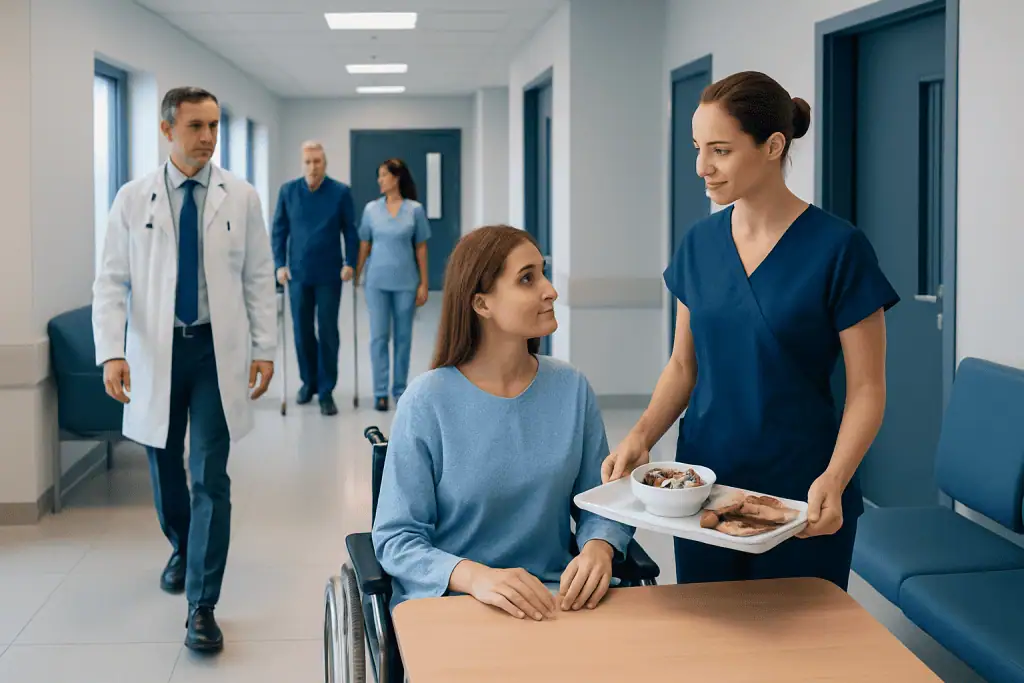
Managing special diets during hospital care in Turkey means planning meals around medical, cultural, religious, and personal dietary needs while supporting treatment and recovery. At Acibadem, doctors, dietitians, and nursing teams coordinate to review dietary requirements, adapt hospital menus, monitor nutrition, and make changes when care plans or medical conditions require it.
If you follow a special diet, your hospital stay in Turkey can still feel organized, safe and respectful of your needs. This guide explains how to share dietary requirements, what to expect from hospital meals, and how Acibadem International can help coordinate practical support.
At a glance
- Best time to share your diet: Before travel, again at admission, and before each procedure if fasting is required
- Common needs supported: Food allergies, halal meals, vegetarian meals, diabetes diets, low-salt plans and texture-modified foods
- Who to tell: Your international patient coordinator, nurse, doctor and dietitian when available
- Family-brought food: Usually needs approval from your care team, especially after surgery or during treatment
- Language support: Interpreters can help explain ingredients, restrictions and meal preferences clearly
Why your diet matters during hospital care
Managing special diets during hospital care in Turkey is not only about comfort. Food can affect blood sugar, blood pressure, digestion, wound healing, medication timing and your ability to recover after anesthesia or treatment. Even small details, such as hidden allergens, added salt, fruit juice with diabetes, or the texture of foods after certain procedures, can matter.
Your care team needs to understand both medical restrictions and personal or religious preferences. A medical diet may be ordered by your physician, while preferences such as halal, vegetarian or no pork can be communicated to the food services team. When these needs are shared early, the hospital has more time to plan suitable meals and reduce confusion during your stay.
At Acibadem International, international patient services can help you communicate your dietary needs before arrival and during admission. This is especially useful if you are traveling with family, using an interpreter, or managing a complex condition such as diabetes, kidney disease, celiac disease, swallowing difficulty or multiple food allergies.
What to share before you travel to Turkey

Before you leave home, prepare a clear written list of your dietary needs in simple language. Include allergies, intolerances, foods you avoid for religious or personal reasons, and any diet prescribed by your doctor. If you have a severe allergy, write down the exact food, the type of reaction you have, and whether you carry emergency medication.
It is helpful to separate your list into categories. For example, write food allergy: peanuts and sesame; medical diet: low sodium; preference: no pork; texture: soft foods only. This helps your coordinator and care team understand what is essential for safety and what is a preference to be accommodated where possible.
You should also bring relevant documents, such as recent lab results, a diabetes plan, kidney diet instructions, nutrition supplement details, or a letter from your home doctor. Do not assume that brand names from your country will be familiar in Turkey; use generic descriptions and ingredients whenever possible.
If you are arranging your stay through Acibadem International, send this information before travel so it can be shared with the relevant hospital team. Your plan may still be adjusted after medical assessment, but early notice makes the first hospital meals and admission process smoother.
Common special diets and how they are handled

Hospitals commonly support a range of diets, but availability and exact meal choices may vary by hospital unit, medical condition and physician instructions. The most important point is to tell your team early and repeat key restrictions at admission. Do not rely only on verbal conversations from a previous appointment.
Special diets may include medical, allergy-related, religious and personal needs. Your physician may order a specific diet after surgery, during cancer treatment, before imaging, or while monitoring certain lab values. A dietitian may also be involved when nutritional intake is a concern.
- Allergy-aware meals for foods such as nuts, eggs, milk, shellfish, sesame or gluten-containing ingredients.
- Diabetes-conscious meals with attention to carbohydrate timing and blood sugar monitoring.
- Low-salt, heart-friendly or kidney-related diets when medically indicated.
- Halal meals, no pork requests and other faith-based considerations.
- Vegetarian or vegan meals, depending on medical suitability and availability.
- Soft, pureed or liquid diets when swallowing, chewing or post-procedure needs require them.
If your diet is very strict, ask whether a dietitian or nurse can review the meal plan with you. For serious allergies or celiac disease, clarify the difference between avoiding an ingredient and preventing cross-contact, because this may influence what the hospital can safely provide.
Hospital meals, menus and mealtimes in Turkey
During a hospital stay, meals are usually organized around the medical plan for the day. You may receive regular meals, a restricted diet, clear liquids, or no food and drink for a period of time before a procedure. If your tray does not match what you expected, pause and ask your nurse before eating.
Meal timing in Turkey may feel different from your home routine, and hospital schedules can change because of tests, surgery times, medication or physician rounds. If you use insulin or other medicines that must be taken with food, tell your nurse so timing can be coordinated safely. Never skip or double a medication dose without medical guidance.
You can ask practical questions such as what the meal contains, whether it includes dairy, wheat, meat broth or added sugar, and whether there is an alternative. If you do not speak Turkish, request interpreter support rather than guessing from appearance. International patient teams and interpreters can help bridge everyday details that are easy to miss when you are tired or unwell.
Bringing your own food or receiving food from family
Many international patients feel more relaxed when a companion can bring familiar food. This may be possible in some situations, but it should always be discussed with your care team first. After surgery, during infection risk, while taking certain medicines, or when your digestion is being monitored, outside food may not be appropriate.
If family food is allowed, ask what is safe: solid or soft, hot or cold, low fat or low salt, with or without spices, and how much you may eat. Food storage is also important. Hospital rooms are not always designed for storing homemade meals, and unsafe storage can cause stomach illness at a time when your body is already under stress.
For children, older adults or patients with limited appetite, familiar foods can sometimes support comfort and intake, but only within medical limits. Your nurse or dietitian may suggest small portions, bland options, protein-rich snacks or oral nutrition supplements when suitable. The goal is to combine cultural comfort with hospital safety.
Allergies, celiac disease and high-risk restrictions
If you have a severe food allergy, celiac disease, or a condition where even small exposure can cause harm, be very direct. Tell your coordinator before arrival, tell the admission nurse, and remind the care team when meals or medicines are given. Some medications, supplements or liquids may contain ingredients that matter to certain patients, so food is not the only concern.
Consider wearing a medical alert bracelet and carrying an allergy card in English and, if possible, Turkish. Your card should list the allergen, reaction, emergency medication if applicable, and a contact person. Keep your own emergency medication with you only according to hospital policy, because staff need to know what medicines are present and when they are used.
In a JCI-accredited hospital environment such as Acibadem, patient identification, medication safety and communication processes are taken seriously, but your active participation still matters. Ask staff to document your allergy in your file and confirm that meal services are informed. If a tray looks uncertain, it is always appropriate to stop and ask.
Comfort, culture and communication during your stay
Food can be emotional when you are far from home. You may be recovering, waiting for results, or supporting a loved one, and a familiar meal or clear explanation can make the hospital day feel less stressful. It is reasonable to ask for help in a calm, specific way: what you cannot eat, what you can eat, and what would help you feel comfortable.
Religious and cultural needs should be shared without hesitation. Requests such as halal food, avoiding pork, fasting practices, or privacy around meals can often be discussed as part of your overall care plan. If you are fasting for religious reasons, speak with your doctor first, because treatment, hydration, medication timing or recovery may require adjustments.
Acibadem International can support communication between you, your companion and the hospital team through coordinators and interpreters. This does not replace medical advice from your doctor or dietitian, but it helps your needs reach the right people at the right time. The more clearly you communicate, the easier it is for the team to care for you respectfully and safely.
Step by step
- Write a one-page diet summary. List allergies, medical diets, religious requirements, preferences and foods you tolerate well. Keep it simple and use ingredient names rather than only brand names.
- Send your needs before arrival. Share your summary with your international patient coordinator when your hospital visit is being arranged. Ask whether any documents should be translated or reviewed by the care team before admission.
- Repeat key restrictions at admission. When you arrive at the hospital, tell the admission nurse and your physician about your most important restrictions. Do this even if you already emailed the information, because admission is when hospital records and meal orders are confirmed.
- Ask about fasting and procedure days. Before surgery, imaging or tests, confirm when to stop eating and drinking. Also ask when you may restart food, what type of food is allowed first, and how medications such as insulin should be managed.
- Check each meal tray before eating. If you have allergies, diabetes, celiac disease or another strict diet, review the tray before you start. If anything looks unfamiliar or unsafe, ask your nurse or interpreter to confirm the ingredients.
- Discuss outside food before accepting it. If your companion wants to bring food, ask your care team first. Confirm portion size, storage, permitted ingredients and whether your current treatment stage allows outside meals.
- Plan for discharge and the hotel period. Before leaving the hospital, ask what you should eat during recovery at your hotel or accommodation. Request written instructions when possible, especially if you need a temporary soft diet, low-salt plan, diabetes guidance or restrictions after anesthesia.
Your checklist
- One-page diet summary with allergies, restrictions and safe foods
- Medical letters or diet instructions from your home doctor
- List of current medications, supplements and nutrition drinks
- Food allergy card in English and, if possible, Turkish
- Medical alert bracelet if you have a severe allergy
- Questions about fasting, procedure days and medication timing
- Approved snacks only if your care team allows them
- Contact details for your companion or caregiver
- Discharge diet instructions for the hotel and flight home
Key takeaways
- Share special diet needs before travel, at admission and whenever your care plan changes.
- Separate medical restrictions, severe allergies, religious needs and personal preferences so the team can prioritize safely.
- Outside food from family may be comforting, but it should be approved by your care team first.
- Interpreter and international patient support can help you explain ingredients, fasting, allergies and meal preferences clearly.
- Ask for written discharge diet advice if you will continue recovery in a hotel or travel soon after treatment.
Frequently asked questions
Can I request halal meals during hospital care in Turkey?
Yes, halal and no pork requests are common and should be shared before admission and again when you arrive. Availability and details may vary by hospital unit and medical diet order. If you also have medical restrictions, such as low salt or diabetes management, tell the team so both needs can be considered together.
What should I do if I have a serious food allergy?
Tell Acibadem International before travel, inform the admission nurse, and repeat the allergy to your care team before meals or medicines are given. Bring a clear allergy card and describe your reaction, not just the food name. If a meal tray looks uncertain, do not eat until staff confirm it is appropriate.
Can my family bring homemade food to the hospital?
Sometimes, but it depends on your condition, treatment stage and hospital policy. Always ask your nurse or doctor first, especially after surgery, during chemotherapy, with infection precautions, or when you are on a restricted diet. If it is allowed, ask about safe storage and portion size.
Will I be able to follow a vegetarian or vegan diet?
Vegetarian meals can often be discussed, and vegan needs should be communicated as early as possible. Your physician may temporarily limit choices if you need a specific medical diet, liquid diet or high-protein recovery plan. Ask whether a dietitian can help identify suitable options during your stay.
How are diabetes diets managed in hospital?
Your care team will consider meal timing, blood sugar checks, medications and procedures that require fasting. Tell your nurse if you use insulin or medicines that need food at a specific time. Do not adjust doses on your own while hospitalized; ask your medical team for instructions.
What if I do not speak Turkish and cannot read the menu?
Ask for interpreter support rather than guessing. International patient coordinators and interpreters can help explain ingredients, restrictions and meal preferences to the nursing and food services teams. It is helpful to keep your diet summary available in simple written form.
Can I fast for religious reasons during treatment?
Discuss fasting with your doctor before making changes to eating, drinking or medication timing. Some treatments, anesthesia, imaging tests, dehydration risks or recovery needs may make fasting unsafe or require adjustment. Your care team can help you understand options while respecting your beliefs.
Do I need special diet instructions after discharge?
Often, yes, especially after surgery, digestive procedures, anesthesia, or treatment that affects appetite. Ask what to eat at your hotel, what to avoid, how much fluid to drink, and when to return to your normal diet. Written instructions are useful for companions, room service and your flight home.

More Patient Guides

After General Anesthesia in Turkey: Recovery Room, Nausea, and Going Back to Your Room
After general anesthesia in Turkey, you usually recover in a monitored room first, then return to your hospital room when you are…
8 min read
What Happens If You Need Extra Tests After Arriving in Turkey
Extra tests after arriving in Turkey can be normal. They help confirm your plan, timing, and safety before treatment in Istanbul or…
9 min read
Day Surgery in Turkey: What International Patients Should Expect
Day surgery in Turkey usually means same-day discharge after checks, recovery and instructions. Here is what international patients should expect in Istanbul.
9 min read