

Day Surgery in Turkey: What International Patients Should Expect

Expect to arrive early, go through registration and pre-op checks, have your procedure, then recover under observation and leave the same day if your team is satisfied it is safe. Plan a full hospital day rather than a quick visit, arrange an adult companion and accommodation nearby for the first night, and follow fasting and medication instructions exactly.
Wondering whether you will really be back at your hotel the same evening, and who should be with you when you get there? If you are coming to Turkey for day surgery, you can usually expect pre-op checks, the procedure, a monitored recovery period, and discharge on the same day if your team is satisfied that it is safe.
Knowing the flow of the day, what to bring, and how to plan your first 24 hours can make the experience much calmer and easier.
At a glance
- Typical stay: Admission, procedure, recovery, and discharge on the same day
- Best for: Planned procedures that do not usually require an overnight stay
- Key planning point: Arrange an adult companion and nearby accommodation for the first night
- Before surgery: Follow fasting, medication, and arrival instructions exactly
- Before discharge: You will be checked for pain control, alertness, mobility, and understanding of aftercare
- Helpful support: International patient coordinators, interpreters, and travel guidance
What day surgery usually means
Day surgery in Turkey generally means you come to the hospital, have your planned procedure, recover under observation, and leave later the same day rather than staying overnight. It is also called outpatient or same-day surgery. This approach is commonly used when your medical team expects that you can recover safely with a short period of monitoring.
For you as an international patient, the practical difference is that the hospital day may still feel full and structured, even though you are not sleeping in the hospital. You will still need registration, consent, checks by the care team, time in recovery, discharge instructions, and a safe plan for the evening and night after the procedure.
Not every patient or every procedure is suitable for day surgery. Your surgeon and anesthesia team make that decision based on your health history, the type of procedure, how far you are travelling, and whether you have support after discharge. Sometimes a case planned as day surgery may turn into an overnight stay if extra observation is needed, so it helps to keep your plans flexible.
How to prepare before the day
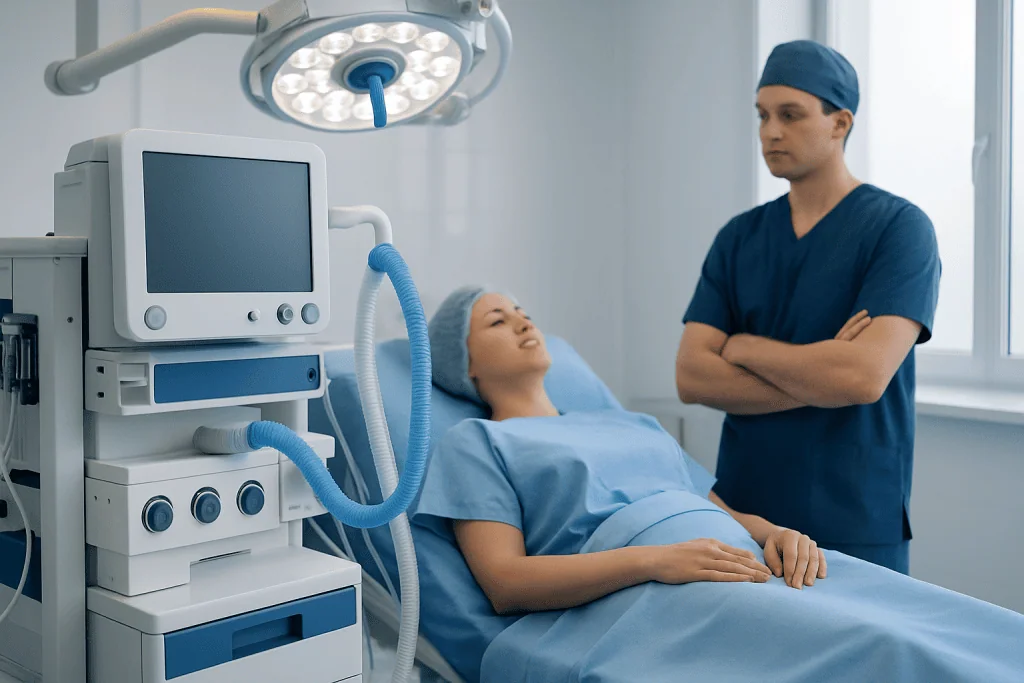
The smoothest day-surgery experiences usually start with good preparation. Before you travel, share your medical history, current medicines, allergies, previous operations, and any test results requested by your team. If you take blood thinners, diabetes medication, or regular heart or blood pressure medicines, do not make changes on your own; follow the specific instructions given to you.
You will usually receive guidance about fasting, when to stop eating and drinking, when to arrive, and what to bring. These instructions matter because eating or drinking too close to anesthesia or sedation can affect safety and may lead to delays or cancellation. If anything is unclear, ask for clarification in advance rather than guessing.
Many international patients find it useful to arrive in Turkey at least a day before the procedure, especially if they have a long flight. At Acibadem International, coordinators can help you understand the timeline, organize interpreter support if needed, and guide you on practical details such as documents, transport, and nearby accommodation.
- Bring your passport and hospital registration documents.
- Carry a list of medications and allergies.
- Wear loose, comfortable clothing.
- Leave valuables, jewelry, and contact lenses at your accommodation unless you are told otherwise.
What happens when you arrive at the hospital

When you arrive, you will usually go through registration and identity checks first. This can include confirming your passport details, procedure, contact information, and companion details. These checks may feel repetitive, but they are an important part of patient safety.
Next, a nurse will often review your medical history again, check your vital signs, and make sure your fasting instructions were followed. Depending on the procedure, you may also have blood tests, imaging, or an anesthetic assessment on the same day if they were not completed earlier. You may be asked to change into a gown and remove certain personal items.
Before the procedure, you should expect a final discussion about consent, what will happen afterward, and any short-term restrictions such as eating, walking, bathing, driving, or flying. In JCI-accredited hospitals such as those within Acibadem International, safety processes are structured and multidisciplinary, so you may meet several members of the team as they confirm the plan with you.
During the procedure and recovery area
The exact experience depends on the type of day surgery you are having. Some procedures use local anesthesia, some use sedation, and some require general anesthesia. Your care team will explain what is planned and how it may affect how quickly you wake up, eat, walk, or feel ready to go back to your hotel or apartment.
After the procedure, you will spend time in a recovery area where nurses monitor you closely. They will usually check your blood pressure, pulse, oxygen levels, pain, nausea, alertness, and the procedure site if relevant. It is normal to feel sleepy, a little disoriented, thirsty, or mildly uncomfortable at first, especially if you had sedation or general anesthesia.
Recovery time varies, and discharge is based on how you are doing rather than a fixed clock. You may be offered fluids or light food when appropriate. If you have questions, this is a good time to ask what symptoms are expected, what is not expected, and whom to contact if something changes later that evening.
How discharge works and what you need for the first night
Going home after day surgery is not simply a matter of finishing the procedure. Before discharge, the team will usually make sure you are stable, awake enough, managing pain reasonably well, and able to drink, pass urine if relevant, move safely, or tolerate basic activity as appropriate for your procedure. You should also receive written instructions and know what warning signs require urgent advice.
If you had sedation or general anesthesia, you should expect limits for the rest of the day. In most cases, you should not drive, sign important documents, drink alcohol, or stay alone for the first night unless your team tells you otherwise. For international patients, having a responsible adult companion is especially important because you are away from your normal support system.
Plan your accommodation with recovery in mind. Staying nearby for the first night is often more practical than travelling a long distance immediately after discharge. Acibadem International’s patient services teams can often help with coordination around transport, interpreter support, and practical arrangements so your return from the hospital feels straightforward rather than rushed.
Travel, follow-up, and when to ask for help
One of the most important questions for international patients is when it is safe to travel after day surgery. The answer depends on your procedure, anesthesia, pain control, mobility, and any specific risks such as bleeding or swelling. Even when a procedure is classed as day surgery, your team may advise you to remain in Istanbul or Turkey for a short period before flying home.
Make sure you understand your follow-up plan before you leave the hospital. This may include a phone check, a clinic review, dressing care, medication instructions, activity restrictions, and a date when you can shower, work, exercise, or fly. Keep copies of your discharge notes and test results so you can share them with your doctor at home if needed.
Seek urgent medical advice if you develop symptoms that your discharge information flags as concerning, such as uncontrolled pain, heavy bleeding, worsening shortness of breath, fainting, chest pain, fever, or repeated vomiting. If you are unsure whether a symptom is expected, contact the hospital rather than waiting. International patient departments are particularly helpful when you need guidance in English or another language.
Step by step
- Confirm that day surgery is appropriate for you. Your team will review your procedure, general health, medications, and travel plans to decide whether same-day discharge is suitable. If you have complex medical conditions or limited support afterward, they may recommend a different plan.
- Complete pre-travel and pre-op checks. Send the requested medical records and follow instructions on medicines, fasting, and arrival time. If anything changes before you travel, such as a new illness, fever, or medication, tell your coordinator promptly.
- Arrive early and bring the right documents. Plan to arrive with enough time for registration, safety checks, and any final tests. Bring your passport, hospital paperwork, medication list, and contact details for the person accompanying you.
- Expect a structured hospital day. You will usually meet nursing, surgical, and anesthesia staff before the procedure, then recover under observation afterward. The pace can include some waiting, so prepare for a full day even if you are discharged the same evening.
- Listen carefully to discharge instructions. Before leaving, make sure you understand your medicines, wound or dressing care, eating and drinking advice, activity limits, and warning signs. Ask for written instructions and a contact number you can use if you have concerns later.
- Keep the first 24 hours simple. Rest nearby, have an adult with you if advised, and avoid unnecessary activity or travel. If your team recommends staying in Turkey for review before flying, keep your schedule flexible and follow that guidance.
Your checklist
- Passport and hospital registration documents
- List of current medications, doses, and allergies
- Comfortable loose clothing and flat shoes
- Adult companion arranged for discharge and first night if required
- Nearby accommodation booked for the first night after surgery
- Fasting instructions checked and understood
- Transport to and from the hospital arranged in advance
- Phone charged with hospital contact details saved
- Any previous test results or scans requested by your team
Key takeaways
- Day surgery in Turkey usually means same-day discharge after monitoring, not a rushed in-and-out visit.
- Following fasting and medication instructions exactly helps avoid cancellation and improves safety.
- Plan for a companion, nearby accommodation, and simple logistics for the first night.
- Discharge depends on how well you recover, so keep your schedule flexible.
- Before leaving, make sure you understand aftercare, follow-up, and when to seek urgent help.
Frequently asked questions
Will I definitely leave the hospital on the same day?
Not always. Many patients do go back to their accommodation the same day, but discharge only happens if the team feels it is safe. If you need extra observation because of pain, nausea, bleeding, dizziness, or another concern, an overnight stay may be recommended.
Can I travel alone for day surgery in Turkey?
Some patients can manage parts of the trip independently, but day surgery is easier and safer if you have support. If you are having sedation or general anesthesia, you may need a responsible adult with you for discharge and the first night, depending on your team's advice.
How long should I stay in Turkey after a day procedure?
That depends on the procedure, your recovery, and whether a follow-up review is needed before flying. Even for straightforward cases, it is wise not to book an immediate return flight. Your surgeon or anesthesia team should give you individual travel guidance.
What should I wear and bring on the day?
Choose loose, comfortable clothes that are easy to put on after the procedure. Bring your passport, hospital documents, medication list, allergy information, and anything specifically requested by your care team. It is usually best to leave valuables at your accommodation.
Will someone help if I do not speak Turkish?
Yes, hospitals that regularly care for international patients usually provide language support. At Acibadem International, interpreter and international patient services can help you understand appointments, consent steps, discharge instructions, and practical arrangements during your stay.
What if I feel unwell after I return to my hotel?
Use the contact information on your discharge paperwork and call the hospital if you are worried. Do not ignore symptoms that are severe, worsening, or listed as warning signs, such as heavy bleeding, chest pain, shortness of breath, fainting, or repeated vomiting.
Is day surgery less serious than inpatient surgery?
Not necessarily. Day surgery simply means the procedure is expected to allow same-day discharge if recovery is stable. It still requires careful preparation, clear instructions, and proper follow-up.
Add us as a Preferred Source to see more of our trusted health content across Google Search, AI Overviews and Discover.

Update history
- PublishedAugust 6, 2026
- Medical review approvedAugust 25, 2026
- Last content updateAugust 24, 2026
References3
- Anaesthesia – NHS nhs.uk
- CDC Travelers' Health wwwnc.cdc.gov
- Surgery – MedlinePlus medlineplus.gov
More Patient Guides

When a Hospital Stay in Turkey Becomes Longer Than Planned: What to Arrange
If your hospital stay in Turkey is longer than planned, arrange medical updates, accommodation, travel changes, insurance and support for your companion.

Waiting for Test Results in Turkey: How to Use Time Between Appointments
Waiting for test results in Turkey is easier with a clear plan for appointments, rest, records, questions and support in Istanbul.

Unexpected ICU Stay in Turkey: What Patients and Families Should Expect
Unexpected ICU stay in Turkey: learn what patients and families can expect, from communication and visiting to care updates and travel support.

How to Manage Special Diets During Medical Travel in Turkey
Special diets during medical travel in Turkey are easier to manage when you share your needs early, confirm meals and carry safe…