Medical Treatment for Carbon Monoxide Poisoning: How It Works, Results and What to Expect

Carbon monoxide poisoning is an emergency because the gas reduces the blood's ability to carry oxygen. The first steps are leaving the exposure area, calling emergency services, and receiving oxygen promptly.
Key Takeaways
- Carbon monoxide poisoning is an emergency because the gas reduces the blood's ability to carry oxygen.
- The first steps are leaving the exposure area, calling emergency services, and receiving oxygen promptly.
- Doctors assess symptoms, exposure history, blood tests, heart function, and possible neurological effects.
- Hyperbaric oxygen therapy may be recommended for selected severe or high-risk cases.
- Most people improve with prompt treatment, but follow-up is important if symptoms return or persist.
Medical treatment for carbon monoxide poisoning involves urgently moving the person away from the source and giving high-concentration oxygen to clear carbon monoxide from the blood. Severe poisoning, pregnancy, significant neurological symptoms, or heart complications may require hospital monitoring and consideration of hyperbaric oxygen therapy.
Overview: how medical treatment for carbon monoxide poisoning works
Medical treatment for carbon monoxide poisoning works by stopping further exposure and rapidly replacing carbon monoxide in the blood with oxygen. Carbon monoxide is a colorless, odorless gas produced when fuels such as gas, oil, coal, wood, or petrol do not burn completely. Once inhaled, it attaches strongly to hemoglobin in red blood cells, reducing oxygen delivery to the brain, heart, and other organs.
Care should begin immediately. The person should be taken into fresh air if this can be done safely, and emergency medical help should be called. In hospital, clinicians usually provide high-concentration oxygen through a closely fitting mask, monitor vital signs, and check for effects on the nervous system and heart.
The intensity of treatment depends on the exposure, symptoms, examination findings, pregnancy status, and test results. Some people can be observed and discharged after symptoms and relevant test results improve, while others need admission, specialist evaluation, or hyperbaric oxygen therapy in a pressurized chamber.
How does a doctor treat carbon monoxide poisoning?
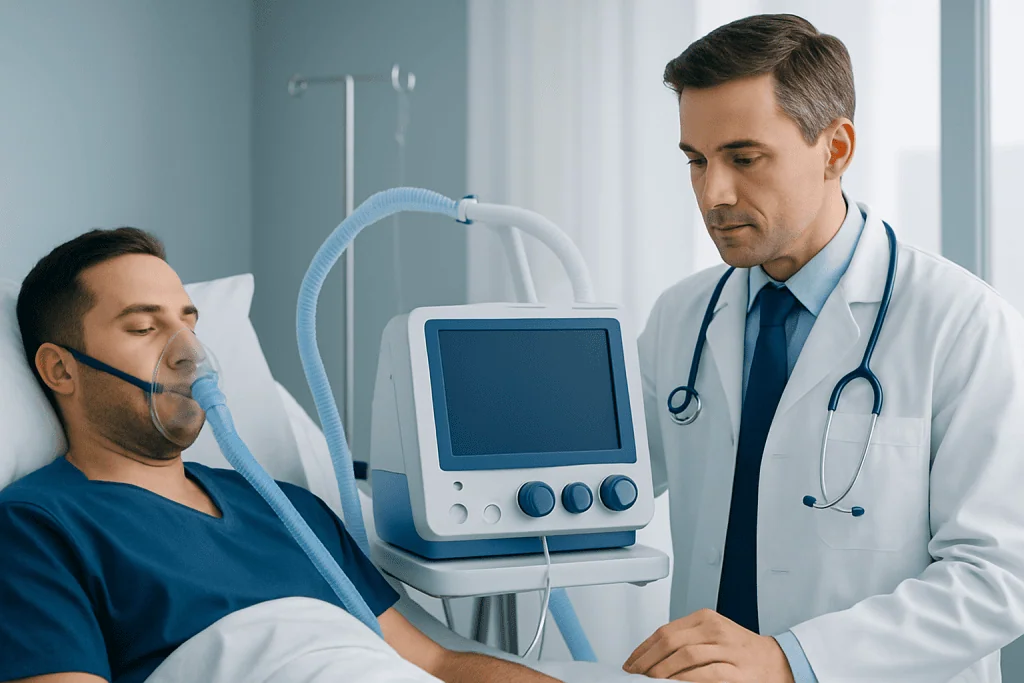
A doctor first focuses on stabilizing breathing, circulation, and consciousness while ensuring that the person is no longer exposed to carbon monoxide. High-flow oxygen is given as soon as possible, commonly through a non-rebreather face mask. Oxygen accelerates the removal of carbon monoxide from hemoglobin and helps restore oxygen delivery to tissues.
Assessment includes questions about the source and duration of exposure, whether other people were affected, and symptoms such as headache, nausea, confusion, chest pain, collapse, or seizures. Clinicians may test blood for carboxyhemoglobin, although a level can fall after time in fresh air or after oxygen has started, so treatment decisions are not based on one number alone.
Depending on the situation, tests may include an electrocardiogram, heart blood tests, blood gas testing, and assessments of memory, balance, and mental status. Intravenous fluids, treatment for abnormal heart rhythms, seizure treatment, or breathing support may be needed in serious cases. If smoke inhalation or burns are also present, the care plan addresses these injuries as well.
Selected patients may be referred for hyperbaric oxygen therapy, where the person breathes oxygen in a pressurized chamber. This treatment can speed carbon monoxide clearance and is considered especially when poisoning is severe or there is concern for brain, heart, or fetal effects.
Who may need hospital admission or hyperbaric oxygen therapy?
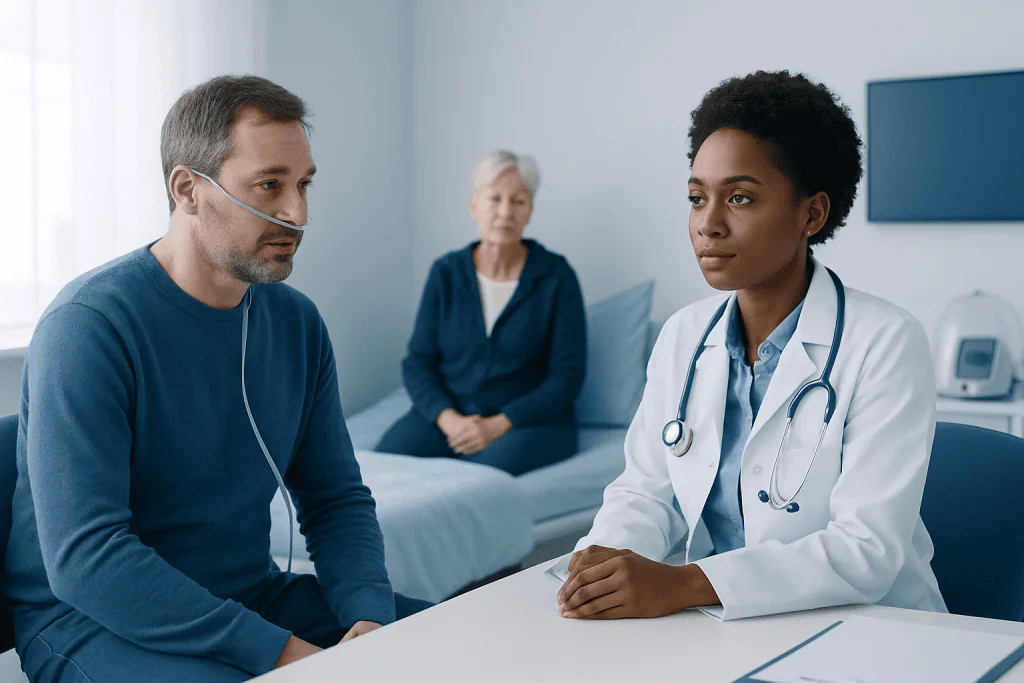
All suspected carbon monoxide poisoning should be medically assessed, because symptoms and blood levels do not always reflect the full effect on the body. Hospital observation is more likely when symptoms are persistent, the exposure was prolonged or occurred in an enclosed area, or the person has medical conditions that increase vulnerability to low oxygen.
Hyperbaric oxygen therapy is not needed for every exposure. Specialist teams may consider it for loss of consciousness, confusion or other neurological changes, seizures, severe or ongoing symptoms despite oxygen, evidence of heart injury or reduced blood flow to the heart, marked metabolic abnormalities, or high carboxyhemoglobin levels. Pregnancy is also an important reason for urgent specialist consultation because fetal hemoglobin can retain carbon monoxide longer than adult hemoglobin.
The decision is individualized. The timing of exposure, response to standard oxygen, availability of an appropriate chamber, transport safety, and the person’s overall condition all matter. Doctors explain the anticipated benefits and possible limitations before proceeding whenever the situation allows.
People with chronic heart or lung disease, anemia, older age, or very young age may become unwell with lower exposures than others. These factors do not replace clinical judgment, but they support a cautious approach to assessment and observation.
What happens step by step during treatment?
In emergency care, the first step is removal from the contaminated environment and administration of oxygen. Staff check airway, breathing, circulation, temperature, blood pressure, pulse, oxygen saturation, and level of alertness. It is important to note that standard pulse oximeters may appear normal in carbon monoxide poisoning because they cannot reliably distinguish oxygen-bound hemoglobin from carbon monoxide-bound hemoglobin.
Next, clinicians take a focused history and perform an examination. They may ask about fuel-burning appliances, indoor fires, generators, vehicle exhaust, workplace exposures, and whether symptoms improved after leaving a building. Blood samples and heart monitoring help identify complications that may not be obvious from symptoms alone.
If hyperbaric oxygen is recommended, the patient is transported safely to a hyperbaric facility. Inside the chamber, pressure is increased in a controlled way while the patient breathes oxygen. Treatment duration and number of sessions vary according to the clinical situation. The care team monitors for ear discomfort, anxiety in enclosed spaces, changes in breathing, and other treatment-related concerns.
Before discharge, clinicians confirm that symptoms have resolved or are improving and provide clear return precautions. They may recommend follow-up with a primary care doctor, neurologist, cardiologist, or other specialist when there were significant neurological, cardiac, or ongoing symptoms.
How does the body recover from carbon monoxide poisoning?
Recovery begins as oxygen displaces carbon monoxide from hemoglobin and normal oxygen transport resumes. With high-concentration oxygen, carbon monoxide generally leaves the bloodstream much faster than it does while breathing ordinary air. The speed and completeness of recovery depend on exposure severity, duration, coexisting illness, and how quickly treatment began.
Many people feel substantially better after prompt oxygen treatment, although tiredness, headache, nausea, or difficulty concentrating can persist temporarily. After more serious poisoning, some people may develop delayed neurological symptoms days to weeks later. These can include problems with memory, attention, mood, coordination, movement, or sleep. New or recurring symptoms should be reviewed promptly by a doctor.
Rest, hydration, gradual return to regular activities, and avoiding further exposure are sensible recovery measures. A clinician may advise temporary limits on driving, work involving machinery, strenuous exercise, or other safety-sensitive tasks if concentration, balance, vision, or reaction time has been affected.
Recovery also includes preventing another exposure. The source must be identified and professionally repaired or removed before anyone returns to the affected location. A qualified technician should inspect fuel-burning appliances, chimneys, flues, and ventilation systems, and carbon monoxide alarms should be installed and maintained according to local safety guidance.
Benefits and possible risks of treatment
The main benefit of urgent oxygen treatment is that it reduces the time carbon monoxide remains attached to hemoglobin and supports oxygen delivery to vital organs. Early assessment can also identify potentially serious heart or brain effects, even when initial symptoms seem nonspecific.
Oxygen given by mask is generally well tolerated. In hospital settings, staff tailor oxygen delivery and monitoring to the person’s condition. For patients who need hyperbaric oxygen, potential benefits must be balanced against practical and medical considerations, including the need for transfer to a chamber facility.
Possible side effects of hyperbaric oxygen include ear or sinus pressure, temporary changes in vision, fatigue, and anxiety related to the chamber. Less commonly, pressure-related ear or lung injury, low blood sugar in people receiving diabetes treatment, or oxygen-related seizures can occur. Hyperbaric teams screen for risks and monitor patients throughout treatment.
No treatment can reverse every consequence of a very severe exposure. However, prompt medical care provides the best opportunity to limit complications and identify problems that need follow-up support.
How long does it take for carbon monoxide to make you feel sick?
Carbon monoxide can make a person feel sick within minutes when concentrations are high, particularly in a small or poorly ventilated space. At lower concentrations, symptoms can develop gradually over hours and may be mistaken for flu, food poisoning, migraine, fatigue, or a viral illness. Carbon monoxide poisoning does not usually cause fever.
How quickly symptoms occur depends on the concentration in the air, length of exposure, activity level, ventilation, and individual health. People who are sleeping, intoxicated, very young, older, pregnant, or living with heart, lung, or blood conditions may not recognize symptoms early or may be affected more severely.
Common early symptoms include headache, dizziness, weakness, nausea, vomiting, and feeling unusually tired. More dangerous symptoms include confusion, trouble walking, shortness of breath, chest pain, fainting, seizures, or inability to wake. If several people in the same place develop similar symptoms, or symptoms improve outdoors and return indoors, carbon monoxide should be suspected.
When to seek medical care
Emergency medical care is needed immediately for suspected carbon monoxide exposure, especially when there is confusion, fainting, chest pain, shortness of breath, severe headache, vomiting, weakness, seizures, or altered behavior. Call local emergency services rather than trying to manage significant symptoms at home. Do not re-enter the building or area until emergency personnel or a qualified professional says it is safe.
Two important warning signs that urgent carbon monoxide poisoning treatment is needed are neurological changes, such as confusion, collapse, or unusual drowsiness, and heart or breathing symptoms, such as chest pain, breathlessness, or a fast or irregular heartbeat. Another key warning sign is multiple people or pets becoming ill in the same enclosed setting.
Even if symptoms improve after getting outside, medical evaluation is advisable after a suspected exposure. Delayed symptoms can occur, and a clinician can assess whether observation, testing, oxygen treatment, or follow-up is appropriate. For international patients, Acibadem International’s multidisciplinary specialists and JCI-accredited hospitals can evaluate and treat carbon monoxide poisoning and related complications.
Prevention is essential: use carbon monoxide alarms, have heating systems and fuel-burning appliances serviced by qualified professionals, never use generators or charcoal-burning devices indoors, and never run a vehicle in an attached garage. An alarm should always be treated as a reason to leave the area and seek help, not as a device to silence and ignore.
Frequently asked questions
What is the first aid for suspected carbon monoxide poisoning?
The person should move into fresh air immediately if it is safe to do so, and emergency services should be contacted. They should not return to the suspected source area. Medical professionals can provide oxygen and assess for hidden heart or neurological effects.
Can carbon monoxide poisoning be treated at home?
No. Suspected carbon monoxide poisoning needs urgent medical assessment because symptoms can worsen quickly and standard home devices cannot reliably measure oxygen delivery in this condition. Fresh air is an immediate safety step, but it is not a substitute for medical care.
Will a blood test always show carbon monoxide poisoning?
A carboxyhemoglobin blood test can support the diagnosis, but levels may decrease after time in fresh air or after oxygen treatment begins. Doctors interpret the result alongside the exposure history, symptoms, physical examination, and other tests. A low level after treatment does not necessarily rule out a meaningful earlier exposure.
What are two warning signs of carbon monoxide poisoning treatment?
Confusion, fainting, unusual sleepiness, or seizures are warning signs of possible brain effects and require emergency care. Chest pain, shortness of breath, or an irregular heartbeat may indicate heart stress and also need urgent evaluation. Multiple people becoming ill in the same building is another important warning sign.
How long do symptoms last after carbon monoxide poisoning?
Mild symptoms may improve within hours after removal from exposure and oxygen therapy, but recovery varies. Fatigue, headache, or concentration difficulties can last longer in some people. Anyone who develops new, recurrent, or persistent neurological symptoms should seek medical review.
Can carbon monoxide poisoning cause long-term problems?
Most people recover well after prompt treatment, particularly after mild exposure. Severe poisoning can sometimes affect memory, concentration, mood, balance, movement, or heart function, and a delayed return of neurological symptoms is possible. Follow-up helps identify concerns early and guide rehabilitation or specialist care when needed.
References
- Centers for Disease Control and Prevention
- World Health Organization
- U.S. Environmental Protection Agency
- Undersea and Hyperbaric Medical Society
- Merck Manual Professional Edition
This article is for general information only and is not a substitute for professional medical advice. Please consult a qualified doctor about your individual situation.
Persistent digestive symptoms? Get evaluated in Turkey
JCI-accredited · board-certified surgeons · reply within 24h
Add us as a Preferred Source to see more of our trusted health content across Google Search, AI Overviews and Discover.
Check your numbers in seconds
BMI, calories, due date, blood pressure and 30+ more clinical calculators — free, instant, doctor-reviewed ranges.

More from the Health Library


Related Specialists

Dr. Mustafa Asan
Anesthesiology
Fzt. Nursena Altınkaya
Physical Medicine and Rehabilitation
Dr. Sena Arıcı
Internal Medicine
Dr. Azad Bairamovi
Inpatient Clinic Physicians Clinical Service