Dystonia Treatment: How It Works, Results and What to Expect

Dystonia causes involuntary, sustained or intermittent muscle contractions that can lead to twisting movements or unusual postures. Botulinum toxin injections are commonly used for focal dystonia affecting one body region, such as the neck, eyelids or hand.
Key Takeaways
- Dystonia causes involuntary, sustained or intermittent muscle contractions that can lead to twisting movements or unusual postures.
- Botulinum toxin injections are commonly used for focal dystonia affecting one body region, such as the neck, eyelids or hand.
- Oral medicines, physical and occupational therapy, and psychological support may be helpful parts of an individualized plan.
- Deep brain stimulation may be considered for selected people with severe dystonia that remains disabling despite other treatment.
- A neurologist with movement-disorder expertise can help identify the dystonia type and look for potentially treatable causes.
Dystonia treatment is tailored to the affected body area, the cause, symptom severity and each person’s daily goals. While many forms are long-term conditions, treatment can often ease abnormal movements, pain and functional limitations through a combination of specialist care, rehabilitation and, in selected cases, procedures.
Dystonia treatment: how it works and what to expect
Dystonia treatment aims to reduce involuntary muscle contractions, relieve pain and improve everyday movement, speech, vision or other affected functions. The best approach depends on whether dystonia affects one area of the body or several, whether an underlying cause is present, and how symptoms affect the person’s life. Treatment may include targeted injections, oral medicines, rehabilitation and, for carefully selected people, neuromodulation surgery.
There is no single treatment that works equally well for every type of dystonia. Symptoms can often be managed effectively, but treatment usually focuses on control rather than a permanent cure. A movement-disorder neurologist can review the pattern of movements, identify goals that matter to the individual and adjust the plan over time.
For many focal dystonias, botulinum toxin injections are a first-line option because they target overactive muscles directly. People with generalized, inherited or medication-related dystonia may need a broader plan, including medicines, therapy and evaluation for the cause. The aim is to help the person move and function more comfortably and confidently.
How does dystonia make you feel?
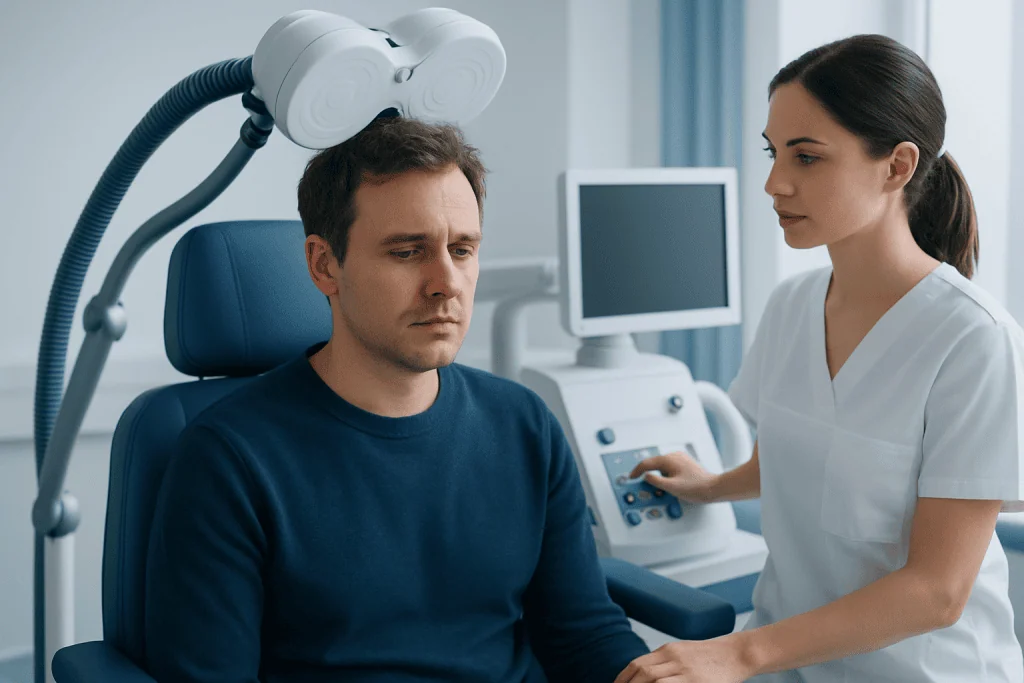
Dystonia can feel different from person to person. It may cause pulling, tightening, cramping, tremor-like shaking or twisting in a muscle group. The movements may be intermittent or sustained, and they can become more noticeable with activity, fatigue, stress or particular tasks such as writing, speaking, playing an instrument or walking.
Symptoms may also cause aching, muscle fatigue or pain, especially when the neck, jaw, back or limbs are repeatedly pulled into an uncomfortable position. Cervical dystonia, for example, can lead to neck pain and difficulty turning the head. Blepharospasm may make it hard to keep the eyes open, while laryngeal dystonia can affect voice quality.
Living with visible or unpredictable symptoms can affect work, driving, social activities and emotional well-being. This does not mean symptoms are psychological; dystonia is a neurological movement disorder. Supportive care, practical adaptations and treatment for anxiety or low mood when present can be valuable alongside neurological care.
What is the root cause of dystonia?

The root cause of dystonia involves altered signaling within brain networks that coordinate movement, including circuits involving the basal ganglia. In many people with focal dystonia, no single structural cause is found. This is sometimes called isolated dystonia, and it can occur with or without a family history.
Some dystonias are inherited, while others develop as a result of another neurological condition, brain injury, stroke, infection, metabolic disease or exposure to certain medicines that block dopamine receptors. This latter form, called tardive dystonia, requires careful medication review by the prescribing clinician; medicines should not be stopped suddenly without professional advice.
Doctors also consider whether symptoms could reflect another movement disorder or a condition that resembles dystonia. Identifying an underlying cause matters because it may change treatment choices. People with related neurological concerns may benefit from assessment for Parkinson’s disease or other movement disorders when clinically appropriate.
How quickly does dystonia progress?
How quickly dystonia progresses varies widely. Focal dystonia in adults often begins gradually and may remain limited to one body area, although symptoms can fluctuate over time. In some cases, it may spread to nearby body regions, particularly during the first years after symptoms begin, but this is not inevitable.
Childhood-onset dystonia, especially some inherited forms, is more likely to spread from one limb or body region to become generalized. Secondary dystonia may develop in relation to its underlying cause, so its course can differ substantially. A sudden onset of abnormal movements or rapid worsening should always be assessed promptly.
When people ask, “dystonia, how long does it last?”, the answer depends on the type. Individual contractions can last seconds to minutes, while the condition itself may be persistent or recurrent over many years. Regular follow-up helps clinicians monitor change and adapt treatment before symptoms cause unnecessary loss of function.
Dystonia how to diagnose and who may benefit from treatment
Dystonia is mainly diagnosed through a detailed clinical assessment. A neurologist observes the movement pattern, asks when symptoms occur, reviews medical and family history, and examines posture, muscle activity, strength, sensation and coordination. Videos recorded during typical symptoms can be useful, especially when movements vary by time of day or task.
Blood tests, brain imaging, genetic testing, medication review or other investigations may be recommended when symptoms began in childhood, are widespread, progressed quickly, or suggest an acquired cause. These tests do not diagnose every form of dystonia directly; they help rule out other conditions and identify causes that need specific treatment.
People are candidates for dystonia treatment when symptoms cause pain, impaired movement, trouble with work or self-care, difficulty speaking or seeing, or significant distress. Even milder symptoms deserve assessment if they are new, worsening or affecting daily life. Early specialist guidance can prevent ineffective self-treatment and support appropriate rehabilitation.
What is the most effective treatment for dystonia?
The most effective dystonia treatment is the one matched to the dystonia type and the individual’s symptoms. For many focal dystonias, botulinum toxin injections are the preferred treatment because they temporarily weaken selected overactive muscles. The clinician identifies the involved muscles through examination and may use guidance techniques such as electromyography or ultrasound for greater precision.
After injection, improvement usually develops gradually over several days to about two weeks and commonly lasts for a few months. Repeat sessions are often needed to maintain benefit. Possible temporary effects include soreness at the injection site, weakness in nearby muscles, dry mouth, eyelid drooping, swallowing difficulty or voice changes, depending on the treated area. The clinician discusses these risks before treatment.
Oral medicines may be considered for generalized dystonia, when injections are not suitable, or as an additional treatment. Their benefits and side effects vary, so prescribing requires individualized medical supervision. Physical therapy may improve movement patterns, range of motion and pain management, while occupational therapy can assist with task adaptations. These approaches are central to physical therapy and rehabilitation for many people living with movement limitations.
For severe, medication-resistant generalized or segmental dystonia, deep brain stimulation may be an option. During this procedure, a neurosurgical team places electrodes in carefully selected brain targets and connects them to a programmable device. Electrical stimulation adjusts abnormal movement-network activity; benefits often build gradually over weeks to months, and programming is tailored during follow-up.
- Benefits: reduced abnormal postures and movements, less pain and improved daily function for appropriately selected patients.
- Risks: injection-related effects, medicine side effects, and—when surgery is used—risks such as infection, bleeding, device problems or stimulation-related changes that require review.
- Recovery: people usually return to usual activities soon after injections; rehabilitation is ongoing, while surgical recovery and DBS programming require scheduled follow-up over months.
Dystonia how to help: daily care and when to seek medical care
There is no proven way to stop all dystonia symptoms at home, but practical strategies can help. Regular sleep, pacing activities, gentle movement as advised by a therapist, stress-management techniques and ergonomic adjustments may reduce the impact of triggers for some people. Some individuals find that a light touch to a specific area, known as a sensory trick, temporarily improves posture or movement; this is a recognized feature of some dystonias.
It is important to avoid forcing painful muscles into position or using unregulated supplements or devices as a replacement for medical care. A physiotherapist or occupational therapist can recommend safe stretches, positioning, splints or task modifications based on the affected body part. Speech and language therapy can be useful for voice, swallowing or communication difficulties.
Medical assessment is appropriate for new involuntary movements, persistent muscle pulling, painful abnormal posture, worsening function or symptoms that interfere with vision, breathing, swallowing, walking or speech. Urgent medical care is needed for sudden neurological symptoms, such as new weakness, facial drooping, confusion, severe headache or trouble speaking, as these may have causes other than dystonia that require immediate evaluation.
Acibadem International’s multidisciplinary specialists at JCI-accredited hospitals assess and treat dystonia for international patients, coordinating neurology, rehabilitation and neurosurgical care when needed. A personalized plan can also include botulinum toxin injections when they are clinically appropriate.
Frequently asked questions
How do doctors treat dystonia?
Doctors treat dystonia according to the body areas involved, the suspected cause and the severity of symptoms. Options may include botulinum toxin injections, oral medicines, physical or occupational therapy, and deep brain stimulation for selected people with severe symptoms. Treatment plans often need adjustment over time.
Can dystonia be cured?
Some acquired forms may improve when the underlying cause can be treated or a triggering medicine is safely changed under medical guidance. Many forms of dystonia are long-term, but symptoms can often be reduced substantially with an individualized treatment plan. A neurologist can explain the outlook for the specific type diagnosed.
How long does it take for botulinum toxin treatment to work for dystonia?
Improvement usually begins gradually within several days and may continue to build for around two weeks. The effect is temporary and commonly lasts for a few months, so repeat treatment sessions are often planned. The timing and degree of benefit vary by person and by the muscles treated.
Can physical therapy help dystonia?
Physical therapy can help some people manage pain, stiffness, posture and movement-related limitations. It does not replace neurological treatment, but it can complement injections or medicines by improving function and teaching safe strategies for daily activity. The program should be tailored, since exercises that help one form of dystonia may not suit another.
Is deep brain stimulation a treatment for all types of dystonia?
No. Deep brain stimulation is generally reserved for selected people with disabling dystonia that has not responded adequately to less invasive treatments. Suitability depends on the dystonia type, cause, overall health and a detailed assessment by a movement-disorder and neurosurgical team.
What should a person do if dystonia symptoms suddenly get worse?
A person should contact a healthcare professional promptly if symptoms are new, rapidly worsening or causing pain or loss of function. Emergency assessment is important if abnormal movements occur with sudden weakness, speech difficulty, confusion, severe headache, breathing problems or swallowing difficulty. These symptoms may indicate another urgent condition.
References
- National Institute of Neurological Disorders and Stroke
- International Parkinson and Movement Disorder Society
- Mayo Clinic
- NHS
- Dystonia Medical Research Foundation
This article is for general information only and is not a substitute for professional medical advice. Please consult a qualified doctor about your individual situation.
Explore treatments in Turkey — costs, top hospitals & a free quote
JCI-accredited · board-certified surgeons · reply within 24h
Add us as a Preferred Source to see more of our trusted health content across Google Search, AI Overviews and Discover.