Flexibility Treatment: How It Works, Results and What to Expect
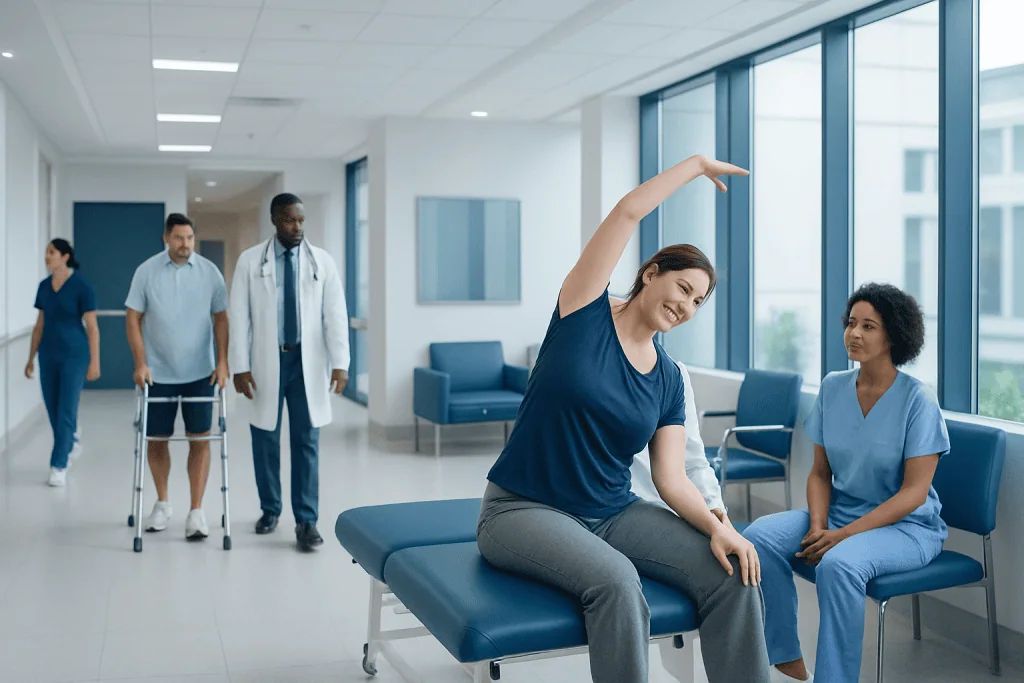
Flexibility treatment is usually exercise-based and tailored to a person’s movement limits, symptoms and goals. Regular, gradual practice is more effective and safer than forcing a deep stretch.
Key Takeaways
- Flexibility treatment is usually exercise-based and tailored to a person’s movement limits, symptoms and goals.
- Regular, gradual practice is more effective and safer than forcing a deep stretch.
- Some people notice short-term ease of movement after one session, while lasting changes commonly require weeks of consistent work.
- Persistent stiffness, weakness, swelling or pain should be assessed to identify an injury or medical condition.
- A rehabilitation specialist can adapt flexibility work after injury, surgery or during management of chronic joint and muscle conditions.
Flexibility treatment is a personalized program of stretching, mobility exercise and, when needed, rehabilitation that aims to improve comfortable joint movement and reduce muscle tightness. Results depend on the underlying cause of stiffness, consistency, overall health and whether pain or injury is also present.
Overview: What Is Flexibility Treatment?
Flexibility treatment is a structured approach to improving the ability of muscles and joints to move through a comfortable, functional range of motion. It may include static stretches, gentle dynamic movements, mobility drills, strengthening exercises, posture education and hands-on techniques delivered by a qualified rehabilitation professional. The purpose is not necessarily to achieve extreme flexibility; it is to help a person move more easily and safely for daily life, work, exercise or recovery from an injury.
A suitable program begins by considering which areas feel tight, how long symptoms have been present, whether movement causes pain, and what activities matter most to the person. Stiffness can arise from inactivity, repetitive positions, muscle overuse, injury, surgery, joint disorders or neurological conditions. For this reason, flexibility treatment should address the cause of limited movement rather than simply stretching through discomfort.
For many people, the foundation is a progressive home program supported by professional assessment and guidance. When reduced flexibility follows injury, surgery, chronic pain or a musculoskeletal condition, physical therapy and rehabilitation can help create an individualized plan that balances mobility, strength and safe return to activity.
How Flexibility Treatment Works
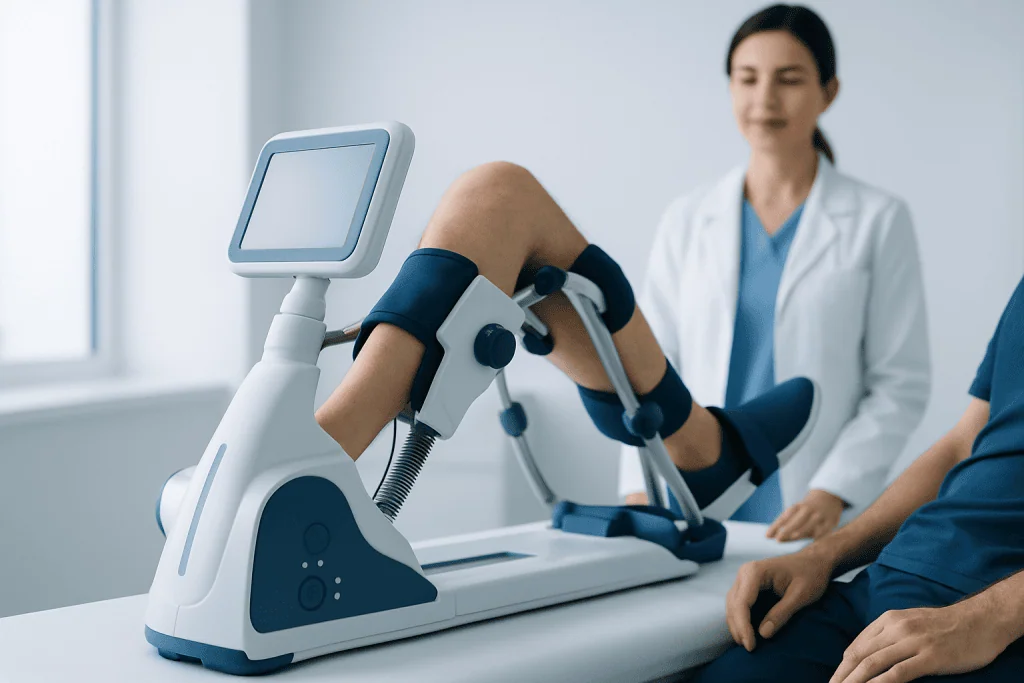
Muscles, tendons, connective tissues and the nervous system all influence flexibility. A feeling of tightness does not always mean a muscle is physically shortened. It can also reflect protective muscle tension, pain sensitivity, reduced joint movement, weakness, swelling or the body’s response to a recent injury. Flexibility treatment works by gradually exposing the body to comfortable movement and helping it develop better control within that range.
Static stretching involves holding a gentle position for a period of time, usually after the body has warmed up or at the end of activity. Dynamic stretching uses controlled, repeated movements and is often used before exercise. Mobility training combines active movement with joint control, while strengthening through a safe range helps the body use and maintain newly available movement. Breathing, pacing and relaxation can also reduce unnecessary guarding.
Manual therapy, such as guided soft-tissue work or joint mobilization, may be considered by a trained clinician for selected patients. These techniques are typically used alongside active exercise rather than as a stand-alone solution. The best approach is individualized: a person with reduced shoulder motion after surgery needs a different plan from someone with desk-related hip stiffness or athletic muscle tightness.
Who May Benefit and When to Seek Medical Care

Flexibility treatment may help people who feel stiff after prolonged sitting, have reduced movement after a minor injury, are returning to activity, or need support with safe movement as they age. It can also be part of care for conditions affecting muscles, tendons, joints or the spine. People with chronic pain or conditions such as osteoarthritis may benefit from a professionally adapted program that avoids aggravating sensitive joints.
Before starting a new program, medical assessment is especially important after surgery, a fracture, a significant sprain or strain, or an extended period of immobility. A clinician can identify whether restricted movement is related to joint damage, tendon injury, nerve irritation, inflammation or another cause that needs targeted care.
Seek medical care promptly for severe or increasing pain, visible deformity, inability to bear weight or use a limb, marked swelling, warmth or redness around a joint, fever, new numbness or weakness, or stiffness following a significant injury. A doctor should also review unexplained stiffness that persists, repeatedly returns or substantially interferes with sleep, work or daily activities.
What Happens During a Flexibility Treatment Program?
The process usually starts with an assessment. A physiotherapist or other qualified clinician discusses symptoms, medical history, previous injuries, daily activities and goals. They may observe posture, walking, balance, movement patterns and the range of motion of relevant joints. Strength, tenderness, swelling and neurological signs may also be checked when appropriate.
Based on this information, the clinician develops a plan. This may include a warm-up, active mobility exercises, controlled stretches, strengthening work, balance training and advice about workplace setup, sport technique or breaks from prolonged positions. The person is taught how to perform exercises with steady breathing and without bouncing, sudden force or sharp pain.
Appointments vary according to the problem and care setting. A session may include reassessment, supervised exercise and education, followed by a home routine. The program is progressed as movement becomes easier and stronger. In some cases, flexibility work is coordinated with orthopedic, sports medicine, rheumatology or neurology care to address the condition contributing to stiffness.
At Acibadem International, multidisciplinary specialists at JCI-accredited hospitals can assess movement limitations and coordinate rehabilitation-based care for international patients when flexibility problems are linked to injury, surgery or an underlying condition.
Benefits, Limits and Possible Risks
A well-designed flexibility program can improve comfort during movement, support posture and movement efficiency, and make daily tasks or exercise feel easier. Better range of motion may help a person squat, reach, turn, walk or perform work-related movements with less restriction. Combined with strengthening and activity-specific training, it may also support recovery and reduce the likelihood of overload caused by poor movement control.
Flexibility alone does not prevent every injury, cure chronic pain or correct all movement problems. More range of motion is not always better, particularly for people with joint hypermobility or unstable joints. The goal is useful, controlled movement that fits the person’s body and activities, not reaching a particular stretch position.
Minor temporary soreness can occur when a new routine begins, particularly if someone has been inactive. Sharp pain, tingling, numbness, increased joint swelling or symptoms that last well beyond exercise are not expected responses and should prompt stopping the activity and seeking professional advice. Stretches should be gradual and should not be forced.
- Potential benefits: easier movement, reduced sensation of tightness, improved functional range and greater confidence with activity.
- Potential risks: muscle strain, worsening of an existing injury, joint irritation or instability when exercises are too forceful or unsuitable.
- Safety principle: stay within a comfortable range and progress gradually under professional guidance when symptoms are significant.
How Long Does It Take to See a Difference in Flexibility?
Some people feel an immediate, short-lived increase in ease of movement after a warm-up or stretching session. This can happen because the nervous system becomes more comfortable with the movement and the tissues are temporarily warmer. It does not necessarily mean that long-term flexibility has changed after one session.
More durable improvement usually develops with regular practice over several weeks. The timeline varies with age, baseline activity level, the body region involved, the cause of stiffness, exercise consistency and whether pain, injury or a medical condition is present. A clinician may adjust the plan if progress is slow, symptoms worsen or the movement limit appears to come from a joint or nerve rather than muscle tightness.
Tracking practical goals can be more meaningful than comparing flexibility with others. Examples include being able to reach overhead more comfortably, turn the head while driving, climb stairs more easily or return to a preferred activity with better movement control.
What Are Three Immediate Benefits of a Flexibility Program?
Three immediate benefits that some people notice are a temporary feeling of reduced tightness, easier movement through a familiar range and improved awareness of posture or movement habits. Gentle mobility work may also help a person feel more prepared for an activity when it is used as part of an appropriate warm-up.
These early effects differ from lasting changes in range of motion or recovery from an injury. A single session cannot reliably resolve ongoing pain, scar-related restriction, joint inflammation or weakness. Repeated, well-tolerated practice is usually needed to build useful and lasting improvements.
For people who exercise, dynamic movement may be more appropriate before activity, while longer static stretches may fit better after activity or in a separate session. The choice should reflect the person’s goals, symptoms and medical guidance rather than a one-size-fits-all routine.
How Long Should a Flexibility Session Last?
A flexibility session does not need to be lengthy to be useful. For many people, a focused session of roughly 10 to 30 minutes can be enough, especially when it targets the areas most relevant to their needs. Short movement breaks during the day may also be helpful for people who sit or stand in one position for long periods.
The right duration depends on the person’s condition and the rest of their activity plan. Someone following rehabilitation after injury may have a more specific schedule than a healthy person adding mobility work to general exercise. Quality, regularity and correct technique are generally more important than making sessions long or intense.
A person should begin gently, ideally after light movement has warmed the body, and avoid holding the breath or pushing into pain. A qualified professional can recommend an appropriate frequency and progression, particularly for those with recent surgery, significant joint stiffness or recurring symptoms.
How Long Does It Take to Loosen Tight Muscles?
Tight muscles may feel looser within minutes after gentle movement, warmth or a stretching session, but the effect can be temporary. When tightness is related to prolonged sitting, fatigue or unfamiliar exercise, regular mobility work and gradual return to activity often improve comfort over days to weeks.
If tightness is driven by a strain, tendon problem, joint restriction, nerve irritation, inflammation, stress-related muscle guarding or an underlying medical condition, it may take longer and require a different treatment approach. Repeatedly stretching a painful area without identifying the cause can delay appropriate care.
Helpful self-care may include changing positions regularly, taking brief walking or mobility breaks, warming up before exercise, sleeping adequately and increasing activity gradually. If tightness is associated with pain, weakness, numbness, loss of coordination or reduced function, assessment by a doctor or rehabilitation professional is recommended.
Frequently asked questions
Is flexibility treatment the same as stretching?
Stretching is one part of flexibility treatment, but a complete program may also include mobility exercises, strengthening, movement retraining and education. This broader approach helps a person gain usable, controlled movement rather than only increasing the length of a stretch.
Can flexibility treatment help back or neck stiffness?
It may help when stiffness is related to posture, reduced activity, muscle tension or restricted movement. However, neck or back symptoms can have several causes, so persistent pain, arm or leg weakness, numbness, balance problems or bladder or bowel changes require medical assessment.
Should stretching hurt to be effective?
No. A stretch may create mild pulling or tension, but it should not cause sharp pain, burning, numbness or a feeling of instability. Forcing a stretch can irritate muscles, tendons or joints and may worsen an existing problem.
Can people with hypermobility do flexibility exercises?
People with hypermobility may need a different approach because their joints already move beyond the typical range. Treatment often emphasizes strength, joint control, balance and pacing rather than trying to increase flexibility further. Individual guidance from a qualified clinician is important.
Is it better to stretch before or after exercise?
Gentle dynamic movements are often used before exercise to prepare for activity. Longer static stretches may be more comfortable after exercise or in a separate mobility session. The best timing depends on the activity, symptoms and individual goals.
How often should flexibility exercises be done?
Regular practice is generally more helpful than occasional intense sessions. The appropriate frequency depends on the body area, symptoms, current fitness and any injury or medical condition. A rehabilitation professional can provide a safe plan when stiffness is persistent or movement is painful.
References
- American College of Sports Medicine
- American Physical Therapy Association
- National Institute of Arthritis and Musculoskeletal and Skin Diseases
- National Health Service
- World Health Organization
This article is for general information only and is not a substitute for professional medical advice. Please consult a qualified doctor about your individual situation.
Joint and spine care in Turkey — expert assessment & treatment
JCI-accredited · board-certified surgeons · reply within 24h
Add us as a Preferred Source to see more of our trusted health content across Google Search, AI Overviews and Discover.

More from the Health Library



Related Specialists

Prof. Dr. Özgür Çetik
Orthopedic Surgery & Traumatology
Dr. Munara Bolatkhan
Inpatient Clinic Physicians Clinical Service
Embriyolog Hasan Benli
Vitro Fertilization and Reproductive Medicine Center
Prof. Dr. Mustafa Koray Lenk
Pediatric Cardiology