Medical Treatment for Peripheral Arterial Disease: How It Works, Results and What to Expect

Peripheral arterial disease is usually caused by atherosclerosis, which narrows arteries supplying the legs. Treatment addresses both leg symptoms and the higher cardiovascular risk associated with PAD.
Key Takeaways
- Peripheral arterial disease is usually caused by atherosclerosis, which narrows arteries supplying the legs.
- Treatment addresses both leg symptoms and the higher cardiovascular risk associated with PAD.
- Stopping smoking, regular structured walking and controlling diabetes, blood pressure and cholesterol are central to care.
- Some people need angioplasty, stenting or bypass surgery when symptoms remain limiting or circulation is threatened.
- New foot wounds, color changes, rest pain or sudden leg symptoms require prompt medical assessment.
Medical treatment for peripheral arterial disease combines risk-reducing medicines, supervised exercise, foot care and, when needed, procedures to restore blood flow. It is individualized to relieve symptoms, protect the legs and lower the risk of heart attack and stroke.
Overview: How Medical Treatment for Peripheral Arterial Disease Works
Medical treatment for peripheral arterial disease (PAD) works by slowing the buildup of fatty plaque in the arteries, reducing the chance of blood clots, improving walking ability and protecting the heart, brain and legs. For many people, the main treatment is a long-term plan that combines medicines, structured exercise, smoking cessation and careful management of related conditions such as diabetes, high blood pressure and high cholesterol.
PAD most often affects the arteries of the legs. Reduced blood flow can cause leg discomfort during walking, but some people have few or no symptoms. PAD is also a marker of atherosclerosis elsewhere in the body, so treatment is not only about leg circulation; it also aims to lower the risk of heart attack and stroke.
A vascular specialist may recommend a procedure if circulation remains significantly limited despite medical care, if symptoms substantially affect daily life, or if there are signs that the limb is at risk. Treatment decisions are based on symptoms, examination findings, artery imaging, overall health and personal goals.
Symptoms, Stages and Who May Need Treatment
The classic PAD symptom is intermittent claudication: aching, cramping, tightness or fatigue in a calf, thigh or buttock during walking that improves after a short period of rest. Other possible signs include a cooler foot, reduced hair growth on the legs, slow-healing sores, skin color changes or weak pulses. Symptoms can vary, and diabetes or nerve disease may reduce the ability to feel pain.
What are the four stages of peripheral artery disease?
PAD is often described using four broad clinical stages. Stage 1 is asymptomatic PAD, where reduced circulation is present but there may be no noticeable leg symptoms. Stage 2 is intermittent claudication, with walking-related discomfort. Stage 3 is ischemic rest pain, usually persistent pain in the foot or toes that may be worse at night or when lying down. Stage 4 involves tissue loss, such as non-healing ulcers or gangrene, and needs urgent specialist evaluation.
Not every person follows this pattern, and symptoms alone do not always show the severity of artery narrowing. A clinician should assess new leg pain, a sore that is not healing, or any change in the color or temperature of a foot. PAD may occur alongside coronary artery disease, which is one reason comprehensive cardiovascular care is important.
Candidacy and the Assessment Before Treatment

Most people diagnosed with PAD are candidates for medical management, even if they do not have noticeable walking symptoms. The treatment plan is tailored to factors such as smoking status, blood pressure, cholesterol levels, diabetes, kidney function, current medicines, bleeding risk, mobility and the presence of heart or cerebrovascular disease.
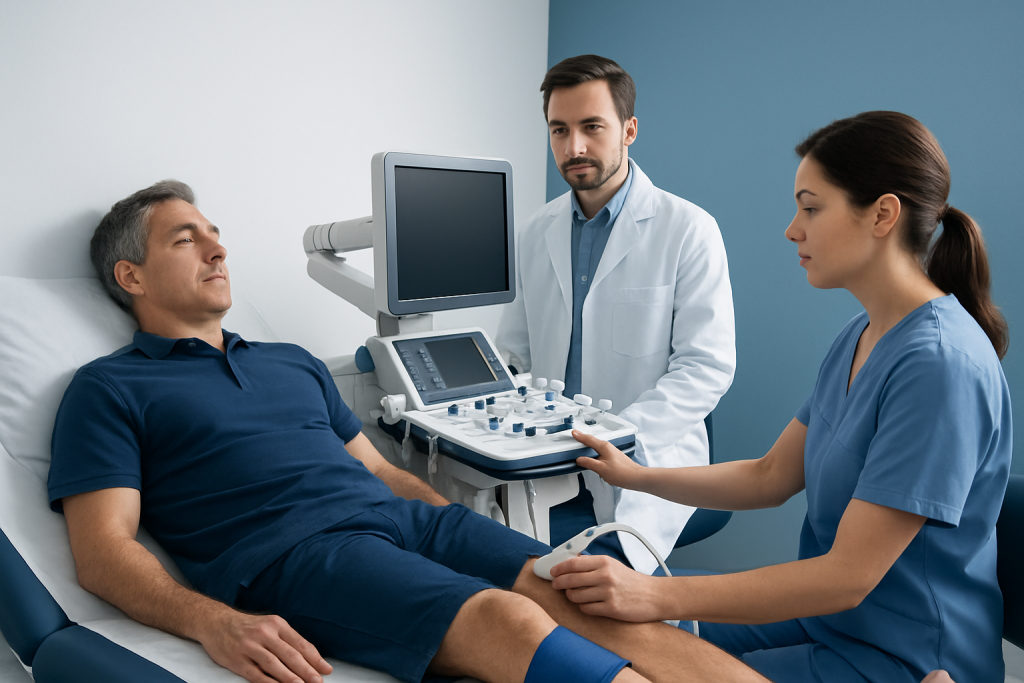
Assessment commonly starts with a medical history and examination of the legs and feet. The ankle-brachial index (ABI) compares blood pressure at the ankle and arm and is a common, painless test for PAD. Ultrasound may map blood flow and identify narrowed areas. CT angiography, MR angiography or catheter angiography may be considered when detailed images are needed to plan a procedure.
People with severe walking limitations, rest pain, non-healing wounds, tissue loss or a suspected sudden blockage need timely assessment by a vascular team. In these situations, doctors balance the potential benefit of restoring blood flow against procedural risks and the person’s wider health needs.
Treatment Plan: Medicines, Exercise and Procedures
Medicines are commonly used to reduce cardiovascular risk. Depending on the individual, clinicians may prescribe antiplatelet medicine to reduce clot formation, cholesterol-lowering therapy such as a statin, and treatment for blood pressure or diabetes. Certain people may also be offered medicine intended to improve walking distance. The exact combination should be chosen by a qualified clinician, particularly for people with a history of bleeding, kidney disease or multiple medications.
Structured exercise therapy, especially a walking program, is one of the most effective non-procedural approaches for claudication. It usually involves repeated intervals of walking to a tolerable level of discomfort, resting, and walking again while gradually building capacity. A clinician can advise on safe activity limits, especially when there are wounds, severe pain or balance concerns.
When symptoms continue to limit quality of life despite appropriate medical treatment and exercise, revascularization may be considered. Peripheral angioplasty uses a small catheter and balloon to widen a narrowed artery; a stent may sometimes be placed to help keep it open. Some blockages are better treated with surgical bypass, which creates a new route for blood around the diseased artery.
In practice, care may involve vascular surgery, interventional radiology, cardiology, endocrinology, wound care, rehabilitation and smoking-cessation support. The goal is to select the least invasive effective approach while maintaining long-term risk reduction.
What to Expect From a PAD Procedure and Recovery
For catheter-based treatment, the patient is usually asked to follow instructions about eating, drinking and medicines before the procedure. The team reviews allergies, kidney function and medicines that affect bleeding. A small tube is inserted into an artery, commonly through the groin or wrist, and contrast imaging guides the physician to the narrowing. A balloon may be inflated, and a stent may be inserted when appropriate.
Many angioplasty procedures use local anesthetic with sedation, although the approach depends on the individual and the planned intervention. Afterward, the access site is monitored for bleeding, and staff check circulation in the leg. Some people return home the same day or after a short hospital stay, while more complex cases may require longer observation.
Recovery after a minimally invasive procedure commonly includes keeping the access area clean, avoiding strenuous activity for a short time and taking prescribed antiplatelet medicines exactly as directed. Walking may improve quickly for some people, but durability depends on the location and extent of arterial disease, ongoing risk-factor control and follow-up care. Bypass surgery involves a larger operation and generally a longer recovery period.
Benefits can include improved walking tolerance, less pain and better healing potential for circulation-related wounds. Risks can include bruising or bleeding at the access site, contrast-related kidney problems, artery injury, blood clots, infection, recurrence of narrowing and, rarely, serious cardiovascular events. The treating team explains the expected benefits and relevant risks before any procedure.
Can You Live a Long Life With Peripheral Artery Disease?
Yes. Many people with PAD live long, active lives, especially when the condition is identified early and managed consistently. PAD does signal a higher risk of heart attack and stroke because it is commonly linked to atherosclerosis throughout the body, but this risk can be meaningfully addressed through medical treatment and lifestyle changes.
Long-term outlook is influenced by smoking, diabetes control, cholesterol and blood pressure management, kidney health, physical activity, nutrition and adherence to prescribed medicine. Regular follow-up helps clinicians monitor symptoms, circulation and any treatment side effects.
People should view PAD as a reason for proactive, ongoing cardiovascular care rather than as an inevitable loss of mobility. Reporting changes promptly and maintaining daily foot care are particularly important for people with diabetes or reduced sensation in their feet.
Can You Recover From Peripheral Arterial Disease?
PAD caused by atherosclerosis is generally a chronic condition, and established plaque may not completely disappear. However, symptoms, fitness and blood flow can often improve substantially with treatment. The disease can also be stabilized, reducing the likelihood of progression and serious cardiovascular complications.
Smoking cessation is among the most important steps for slowing PAD progression and improving the success of procedures. Regular walking, a heart-healthy eating pattern and good control of diabetes, blood pressure and cholesterol are equally important parts of recovery and long-term management.
For selected people, angioplasty, stenting or bypass can restore blood flow to an area of the leg. These approaches treat a specific narrowing or blockage but do not replace the need for lifelong risk-factor management. Follow-up testing and symptom review help identify recurrent narrowing early.
What Not to Do With Peripheral Arterial Disease and When to Seek Medical Care
People with PAD should not ignore exertional leg pain, numbness, wounds or color changes in the feet. They should avoid tobacco in all forms and should not stop prescribed antiplatelet, cholesterol, blood pressure or diabetes medicines without speaking to the prescribing clinician. Self-treating a foot wound, using harsh chemicals on the skin, walking barefoot or applying heat to a numb foot can increase the chance of injury.
It is also best not to become inactive because of claudication without asking about a safe exercise plan. Appropriate structured walking is often therapeutic, whereas sudden severe pain, a wound or suspected critical limb ischemia requires medical assessment rather than pushing through symptoms.
When to seek medical care
A doctor should assess new or worsening walking-related leg pain, a foot sore that does not heal, unexplained numbness, or a foot that is persistently cool or discolored. Urgent medical care is needed for sudden severe leg pain, a pale or blue foot, new weakness or loss of sensation, rapidly spreading skin changes, or blackened tissue. These may indicate an acute circulation problem or advanced PAD.
Acibadem International’s multidisciplinary specialists and JCI-accredited hospitals diagnose and treat PAD for international patients, including evaluation for medical therapy and appropriate revascularization options.
Frequently asked questions
What is the first-line medical treatment for peripheral arterial disease?
First-line care usually includes smoking cessation, structured walking exercise and treatment of cardiovascular risk factors. Clinicians commonly consider antiplatelet therapy, cholesterol-lowering treatment and management of blood pressure and diabetes based on the individual’s medical history.
Can medication unblock arteries in the legs?
Medication does not usually physically remove a major established blockage. It can reduce clot-related risk, slow atherosclerosis progression and lower the risk of heart attack and stroke. Procedures may be considered if a blockage causes persistent disabling symptoms or threatens the limb.
How quickly does peripheral arterial disease treatment work?
The timeframe depends on the treatment and the person’s condition. Exercise and risk-factor management often improve walking ability gradually over weeks to months, while an effective revascularization procedure may relieve flow-related symptoms sooner. Long-term benefit depends on continued medical care and lifestyle measures.
Is walking safe with peripheral artery disease?
For many people with stable claudication, walking is safe and beneficial when done within a clinician-guided program. It is not appropriate to push through sudden severe pain, rest pain, open wounds or major color changes in the foot. A doctor can recommend the safest activity plan.
What foods should someone with PAD avoid?
A heart-healthy eating pattern is generally advised, with less highly processed food, excess salt, added sugars and saturated or trans fats. Emphasis is often placed on vegetables, fruit, whole grains, legumes, nuts and appropriate sources of lean protein. Individual dietary advice may differ for people with diabetes, kidney disease or other conditions.
Does peripheral arterial disease always require surgery?
No. Many people are managed successfully with medicines, exercise and lifestyle changes. Surgery or catheter-based treatment is usually considered when symptoms remain very limiting despite appropriate conservative care, or when blood flow is severely reduced and the limb is at risk.
References
- American Heart Association
- American College of Cardiology
- Society for Vascular Surgery
- National Heart, Lung, and Blood Institute
- National Institute for Health and Care Excellence
This article is for general information only and is not a substitute for professional medical advice. Please consult a qualified doctor about your individual situation.
Hair transplant in Turkey — costs, graft counts & a free assessment
JCI-accredited · board-certified surgeons · reply within 24h
Add us as a Preferred Source to see more of our trusted health content across Google Search, AI Overviews and Discover.
Check your numbers in seconds
BMI, calories, due date, blood pressure and 30+ more clinical calculators — free, instant, doctor-reviewed ranges.