

How to Prepare for a Doctor Consultation in Turkey
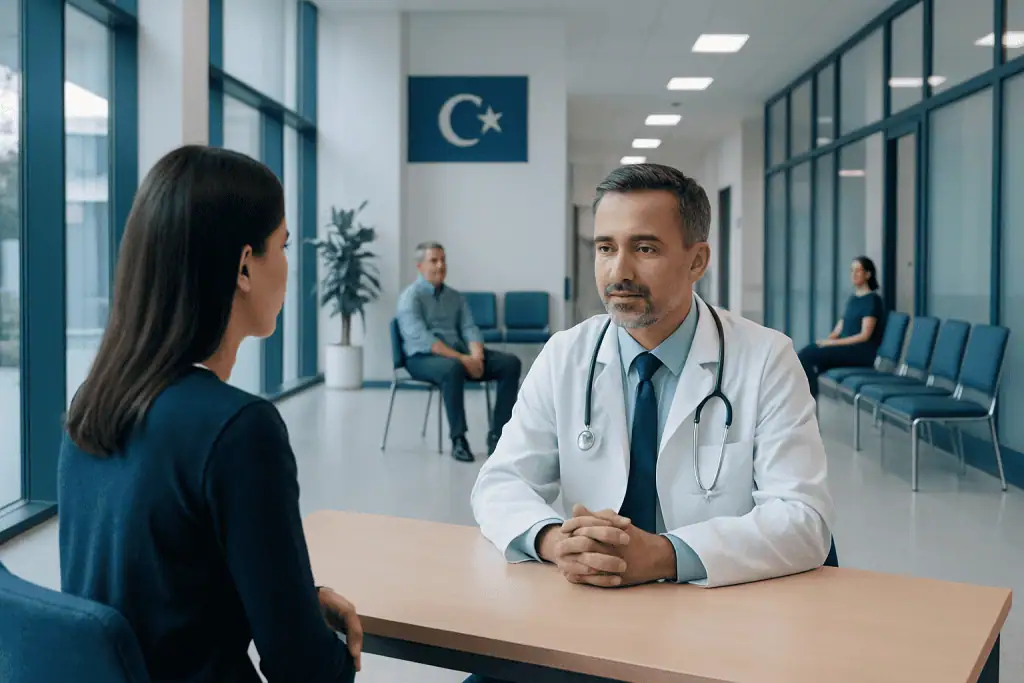
Preparing for a doctor consultation in Turkey means gathering your medical records, test results, medication list, and questions in advance so the visit is clear and productive. At Acibadem International, patients are typically guided through appointment planning, document review, interpretation support when needed, and coordination of any recommended tests or specialist evaluations.
A well-prepared doctor consultation in Turkey helps you use your appointment time calmly and effectively. This guide walks you through what to organize before you travel, what to expect on the day, and how to plan follow-up with support from international patient services.
At a glance
- Best time to prepare: Start 2-4 weeks before travel when possible
- Most important documents: Medical reports, imaging, medication list, passport, insurance details
- Language support: Interpreter assistance can be arranged in advance
- Appointment format: May include specialist review, tests, imaging, and a care plan discussion
- Travel planning: Allow time for evaluation, possible tests, rest, and follow-up
Start with a clear purpose for your consultation
Before you book a doctor consultation in Turkey, take a little time to define what you need from the appointment. You may be seeking a second opinion, confirming a diagnosis, exploring treatment options, planning surgery, or understanding whether a symptom needs urgent attention. A clear purpose helps the medical team guide you to the right specialty and prepare properly before you arrive.
Write your main concern in one or two sentences, then list the questions you most want answered. For example, you might want to know whether your current diagnosis is complete, whether additional tests are needed, what treatment choices exist, how long you may need to stay in Turkey, or what follow-up will look like after you return home. This makes the consultation more focused and reduces the chance of leaving with unanswered questions.
If you are contacting Acibadem International before your visit, the international patient team can help collect your initial information, direct your request to the relevant department, and explain which documents are helpful for a preliminary review. This coordination is especially useful when more than one specialty may be involved, such as oncology, cardiology, neurology, orthopedics, or organ-related conditions.
Collect and translate your medical records
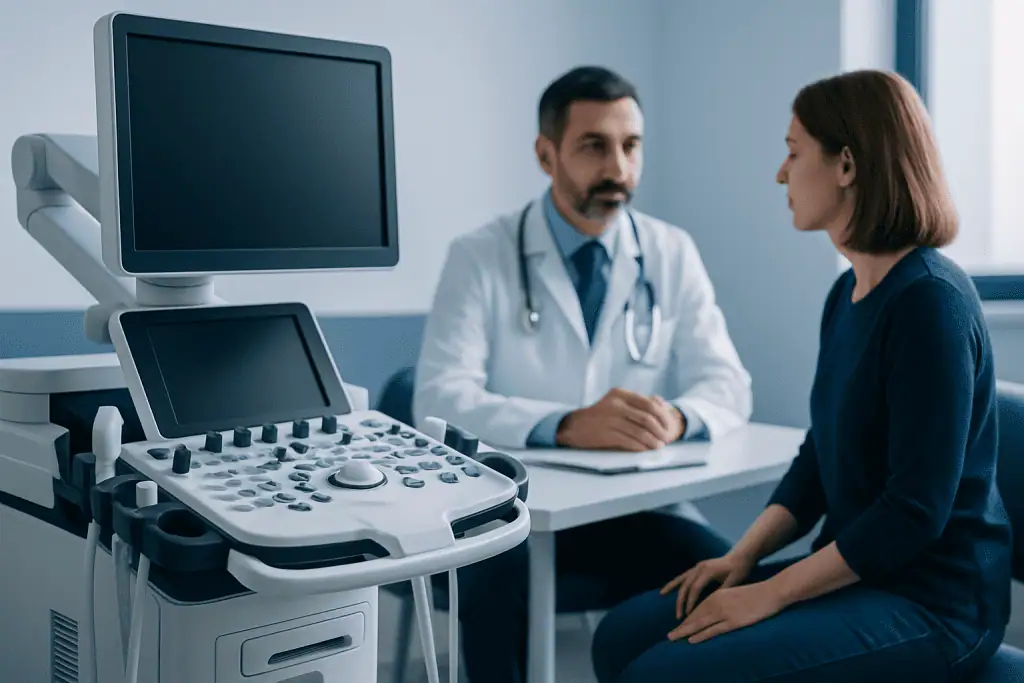
Your medical records are the foundation of a productive consultation. Bring the most recent and relevant documents, but do not worry if your file feels imperfect. The goal is to give the doctor enough background to understand your medical story, review what has already been done, and avoid unnecessary repetition where possible.
Useful records often include diagnosis reports, discharge summaries, surgery notes, biopsy or pathology results, laboratory tests, imaging reports, and CDs or digital files for MRI, CT, PET-CT, ultrasound, or X-ray scans. If you have chronic conditions, include a short history of major illnesses, allergies, previous operations, and current medications with doses. If you are traveling for a child, older parent, or dependent adult, bring consent documents and guardianship information if applicable.
- Organize records by date, with the newest first.
- Keep digital copies on your phone, email, or secure cloud storage.
- Carry original imaging files when available, not only printed reports.
- Prepare a one-page health summary in English if your records are in another language.
Professional translation is helpful for key documents, especially pathology, surgery reports, and recent imaging results. Interpreter services can support conversation during your appointment, but written medical reports are easier for doctors to review when the main details are available in English or Turkish.
Plan your travel around medical timing, not only flights

When traveling for a medical appointment, your schedule should allow for more than the consultation itself. Depending on your condition, the doctor may recommend blood tests, imaging, cardiology checks, anesthesia evaluation, or input from another specialist. These steps may happen the same day or over several days, depending on availability and the complexity of your case.
Try not to book your return flight too tightly after the first appointment. If possible, allow a flexible window so you can complete recommended tests, receive results, discuss the next step, and rest before traveling onward. This is particularly important if you may need a procedure, medication change, or additional evaluation before a treatment decision is made.
Acibadem International’s patient services can help you think through arrival dates, hospital location, airport transfers, hotel proximity, and whether you should come with a companion. They can also explain practical details such as where to check in, how early to arrive, and what documents to bring on the appointment day. This kind of planning can make your visit feel much less stressful, especially if it is your first time in Turkey.
Prepare for language, consent, and communication
Good communication is essential during any medical consultation, especially when you are in another country. If you are not fully comfortable discussing medical topics in English or Turkish, ask in advance for an interpreter. A trained interpreter can help you explain symptoms accurately, understand medical recommendations, and ask follow-up questions without relying only on family members.
It is helpful to speak in short, clear sentences and pause often so the interpreter can translate accurately. Bring a written list of symptoms, medications, allergies, and questions. If a family member will attend with you, decide beforehand who will speak, who will take notes, and whether there are sensitive topics you prefer to discuss privately with the doctor.
You may be asked to sign consent forms for tests, imaging, sharing medical information, or treatment planning. Take time to read them and ask what each form means. You should feel comfortable asking about benefits, risks, alternatives, expected timelines, and what happens if you decide not to proceed with a recommended option.
Understand costs, quotes, and what may change
Cost planning is part of preparing for a medical appointment abroad. Before you travel, ask what the initial consultation includes and what may be billed separately, such as laboratory tests, imaging, specialist opinions, pathology review, procedures, or hospital admission. A consultation may lead to a recommended diagnostic plan, so the final cost can depend on what the doctor finds necessary after examining you and reviewing your records.
Bring your insurance documents if you have international coverage, and check whether pre-authorization is required. If you are self-paying, ask how payments are made, which currencies are accepted, and whether written estimates can be provided for proposed next steps. Avoid making decisions based only on a headline figure; make sure you understand what is included and what is not.
Acibadem International can help international patients request cost information where appropriate, but no responsible hospital can guarantee a final total before the medical assessment is complete. The safest approach is to budget with some flexibility, especially if you may need same-day tests, additional specialist consultations, or a change in treatment plan after review.
What to expect on the consultation day
On the day of your appointment, arrive early so you have time for registration, passport checks, file review, and possible payment formalities. Wear comfortable clothing, especially if a physical examination may be needed. Bring water, snacks if permitted, phone charger, glasses or hearing aids if you use them, and any mobility aids you may need.
Your visit may include a nurse assessment, specialist consultation, physical examination, review of previous results, and discussion of next steps. The doctor may recommend additional tests before giving a complete opinion. This does not necessarily mean something is wrong; it often means the team wants the most accurate and current information before advising you.
During the consultation, take notes or ask if a summary will be provided. Repeat back what you understood: the diagnosis or suspected diagnosis, recommended tests, treatment options, timing, warning signs, medication instructions, and follow-up plan. If you feel overwhelmed, it is acceptable to ask the doctor to slow down, explain again, or prioritize the most urgent points.
Plan your follow-up before you leave Turkey
A good consultation does not end when you walk out of the doctor’s office. Before leaving the hospital, confirm how you will receive test results, written reports, prescriptions, imaging copies, and discharge or consultation summaries. Ask whether results will be available through a patient portal, email, printed file, or coordinator.
If treatment is recommended, ask what can be done in Turkey and what can safely wait until you return home. If you need medication, check the correct dose, timing, side effects to watch for, and whether the medicine is available in your country. If you had tests or procedures, ask about activity restrictions, travel precautions, and when to seek urgent care.
International patient teams can help coordinate post-visit communication, but it is still wise to leave with written instructions and contact details. Share the final documents with your local doctor when you return home so your care remains connected. This is especially important for chronic illnesses, cancer care, heart conditions, post-operative monitoring, or any treatment requiring regular follow-up.
Step by step
- Send your main concern before booking. Write a short description of your diagnosis, symptoms, and what you hope to learn. This helps the patient coordination team guide you to the most appropriate specialty and appointment type.
- Gather your records in one folder. Include recent reports, imaging files, medication lists, allergies, and previous surgery or pathology notes. Keep both printed and digital copies so you are prepared if one format is not accessible.
- Confirm interpreter and companion needs. Ask for interpreter support in advance if you need it. If a companion will join, decide who will take notes and help with logistics during the visit.
- Plan arrival with extra time. Arrive in Turkey with enough time to rest before your appointment if possible. Avoid scheduling your return flight immediately after the consultation in case tests or follow-up discussions are needed.
- Prepare your question list. Put your most important questions at the top because appointment time can pass quickly. Include questions about diagnosis, options, timing, risks, recovery, travel safety, and follow-up.
- Clarify payment and insurance details. Ask what the consultation includes and what may require separate approval or payment. Bring insurance documents, passport details, and a payment method accepted by the hospital.
- Leave with a written plan. Before you leave, confirm the next steps, expected result dates, medication instructions, and who to contact with questions. Ask for copies of reports and imaging needed for your doctor at home.
Your checklist
- Passport, visa documents if required, and travel insurance details
- Appointment confirmation, hospital address, and coordinator contact information
- Recent medical reports, test results, and discharge summaries
- Imaging files on CD, USB, secure link, or hospital-compatible digital format
- Medication list with doses, allergies, and chronic condition summary
- Written questions for the doctor, prioritized from most urgent to least urgent
- Interpreter request confirmed, if needed
- Comfortable clothing, phone charger, glasses, hearing aids, or mobility aids
- Payment method and any insurance pre-authorization documents
Key takeaways
- A focused consultation begins with a clear purpose and organized medical records.
- Leave flexibility in your travel schedule because additional tests or specialist reviews may be recommended.
- Interpreter support, written questions, and a companion can help you communicate confidently.
- Cost estimates may change after the doctor reviews your case and recommends next steps.
- Before leaving Turkey, confirm your written plan, results process, and follow-up contacts.
Frequently asked questions
How early should I prepare for a doctor consultation in Turkey?
If possible, start preparing two to four weeks before travel. This gives you time to collect records, request translations, clarify appointment details, and plan flights or accommodation around possible tests. If your case is urgent, contact the hospital as soon as possible and explain the time sensitivity.
Do I need to translate all of my medical records?
You usually do not need every old document translated, but the most important recent reports should be understandable to the medical team. Prioritize pathology results, imaging reports, surgery notes, discharge summaries, and current laboratory tests. Interpreter support helps during conversation, but written translations can make document review faster and clearer.
Can I have tests on the same day as my consultation?
Sometimes same-day tests are possible, but this depends on the specialty, the test required, scheduling, and whether preparation such as fasting is needed. The doctor may first review your condition and then decide which tests are appropriate. It is wise to keep your schedule flexible rather than assuming everything will be completed in one visit.
Should I bring a companion to the appointment?
A companion can be very helpful, especially if you are anxious, elderly, traveling after illness, or expecting complex information. They can help with notes, transport, medication reminders, and decision support. If you prefer to discuss private health matters alone, you can ask for part of the consultation to be one-to-one.
Will I receive a treatment plan immediately?
You may receive an initial opinion during the consultation, but a full treatment plan may require updated tests, imaging, or review by more than one specialist. This is common in complex cases and helps the team make safer recommendations. Ask when you can expect the final summary and how it will be shared with you.
How can Acibadem International help with my visit?
Acibadem International supports international patients with coordination before and during their hospital visit, including appointment guidance, interpreter arrangements, and practical travel or accommodation information. Its JCI-accredited hospitals work with multidisciplinary specialist teams when a case requires input from more than one department. The support is designed to make your medical journey more organized and understandable.
What should I ask before agreeing to a procedure or treatment?
Ask why the treatment is recommended, what alternatives exist, what the expected timeline is, and what risks or limitations you should understand. Also ask how long you may need to stay in Turkey, whether you can fly afterward, and what follow-up is required at home. You should feel comfortable requesting written information before making a decision.

More Patient Guides

How to Choose Recovery-Friendly Accommodation in Turkey After Treatment
Recovery-friendly accommodation in Turkey means a quiet, accessible, well-located stay with support for transport, meals, and follow-up visits in Istanbul or beyond.
9 min read
How to Prepare a Carry-On Bag for Treatment Travel to Turkey
Carry-on bag for treatment travel to Turkey: pack medicines, documents, comfort items, chargers, and one change of clothes for a smoother trip.
9 min read
How to Pack Medical Devices and Supplies for Treatment Travel to Turkey
How to pack medical devices for treatment travel to Turkey: carry essentials in hand luggage, bring documents, chargers, and backup supplies.
9 min read