Leukemia Recovery Rate: An Evidence-Based Patient Guide
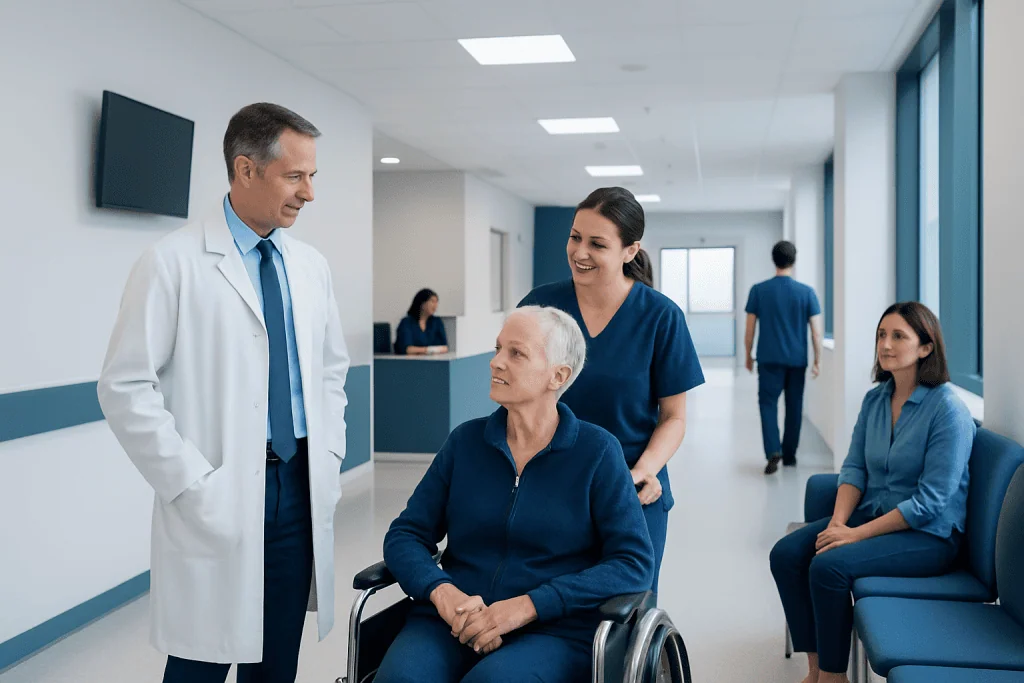
Leukemia survival and recovery outcomes differ substantially between acute and chronic leukemia types. Remission means no detectable signs of leukemia by standard tests, but it is not always the same as cure.
Key Takeaways
- Leukemia survival and recovery outcomes differ substantially between acute and chronic leukemia types.
- Remission means no detectable signs of leukemia by standard tests, but it is not always the same as cure.
- Age matters, but leukemia subtype, genetic features and response to initial treatment are also major predictors.
- Leukemia is not usually described using Stage 4, unlike many solid tumors.
- Treatment may include chemotherapy, targeted therapy, immunotherapy, radiation therapy and stem cell transplantation.
- Prompt medical assessment is important for persistent fatigue, recurrent infections, unexplained bruising or bleeding, and fever.
Leukemia recovery rate is not one number: outcomes depend greatly on the type of leukemia, a person’s age, chromosome and gene findings, overall health, and response to treatment. Many patients can achieve remission, while others live for years with leukemia controlled as a long-term condition.
Leukemia Recovery Rate: What Does It Mean?
The leukemia recovery rate varies widely because leukemia is a group of blood and bone marrow cancers, not a single disease. In many cases, treatment can bring leukemia into remission; in others, it can control the disease for a long time. A person’s outlook is best discussed with a hematology-oncology team after the leukemia subtype and its biological features are known.
People often use “recovery” to mean cure, remission, return to normal daily activities, or long-term survival. Clinically, remission generally means that leukemia cells can no longer be found using standard tests and blood counts have improved. Some leukemia types can be cured, particularly certain acute leukemias, while chronic leukemias may be managed effectively over many years with ongoing treatment.
Leukemia recovery statistics describe large groups of people treated in earlier years. They are useful for understanding broad patterns, but they cannot predict one person’s result. Treatment options continue to develop, and individualized testing increasingly helps clinicians select the most appropriate care.
Why Leukemia Outcomes Differ Between People
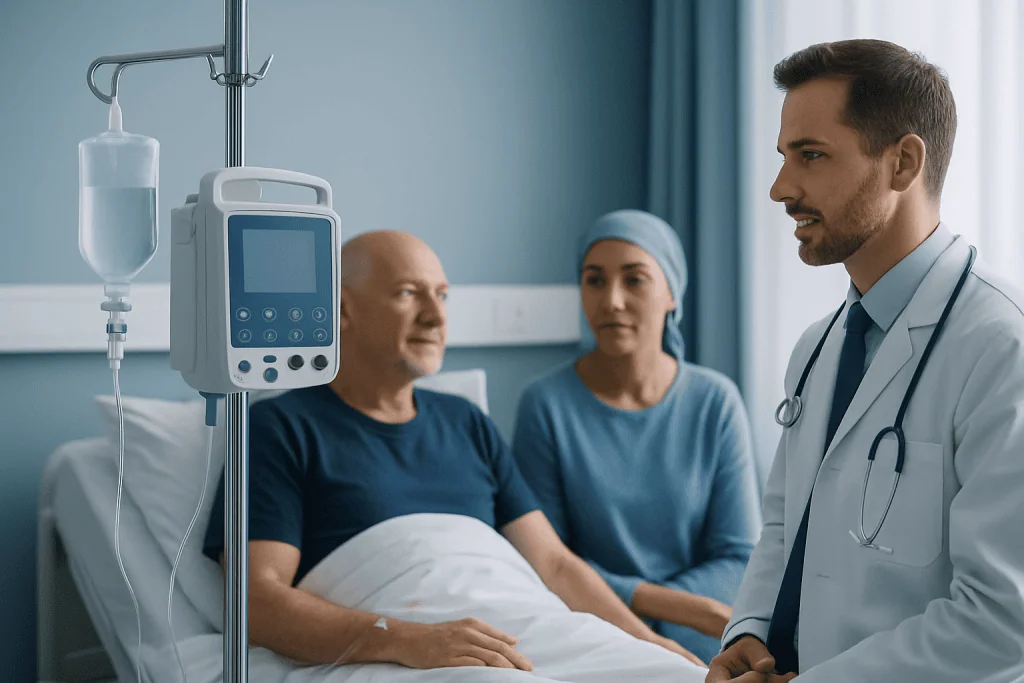
The most important starting point is identifying the leukemia type. The four main categories are acute lymphoblastic leukemia (ALL), acute myeloid leukemia (AML), chronic lymphocytic leukemia (CLL), and chronic myeloid leukemia (CML). Acute leukemias usually need treatment soon after diagnosis because they can progress quickly. Chronic leukemias often progress more slowly, and some people do not need treatment immediately.
Doctors also consider age, general health, blood counts, the amount of leukemia in the body, and whether leukemia has spread to areas such as the central nervous system. Tests on leukemia cells, including chromosome, gene, and molecular testing, are especially important. Certain changes may indicate that standard treatment is likely to work well, while others may guide use of targeted medicines or a stem cell transplant.
Response to the first phase of treatment is another meaningful factor. Tests for measurable residual disease can look for very small numbers of leukemia cells that remain after treatment. These results can help the care team estimate relapse risk and tailor the next steps in the leukemia recovery process.
- Favorable factors: an effective early response, lower-risk genetic findings, and good tolerance of treatment.
- Factors requiring closer planning: higher-risk genetic findings, persistent measurable residual disease, relapse, or significant other medical conditions.
What Is the Average Survival Rate for Adults With Leukemia?
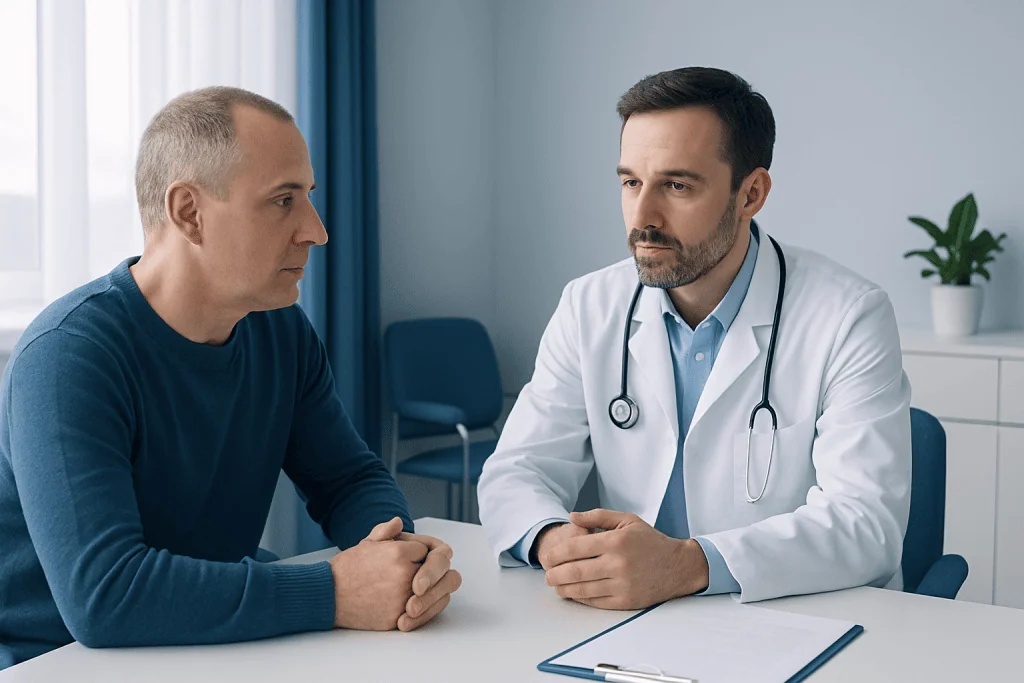
There is no single average survival rate for adults with leukemia because the major leukemia types have very different typical courses. Population-based cancer statistics commonly report relative five-year survival, which compares people with leukemia with people in the general population of a similar age. This measure does not describe the chance of remission, the benefit of a particular treatment, or an individual prognosis.
In general, chronic leukemias such as CLL and CML often have more favorable long-term outcomes than acute leukemias, especially when modern targeted medicines are suitable. However, CLL can range from slow-growing to more active disease, and AML outcomes vary considerably according to age and genetic risk. ALL is often highly treatable, but outcomes are generally more favorable in children and younger adults than in older adults.
For this reason, a leukemia recovery percentage found online should be interpreted cautiously. The most relevant estimate comes from a specialist who can combine the exact diagnosis, laboratory results, treatment plan, and response over time. Asking which outcome measure is being discussed—remission, relapse-free survival, overall survival, or cure—can make the conversation clearer.
What Is the Survival Rate for a 30-Year-Old With Leukemia?
A 30-year-old with leukemia may have a more favorable outlook than an older adult with the same disease, but age alone cannot provide a reliable survival rate. Younger adults may be better able to receive intensive treatment when it is needed, yet the type of leukemia and its genetic features remain essential to prognosis.
For example, many younger adults with ALL can achieve complete remission after initial therapy, though treatment is often prolonged and relapse prevention is an important part of care. Younger adults with AML may also be candidates for intensive chemotherapy and, for selected higher-risk cases, stem cell transplantation. CML is often controlled with daily targeted therapy, while CLL in a younger adult may follow a wide range of courses.
A 30-year-old should receive subtype-specific testing and discuss fertility preservation before treatment begins when appropriate. The care team can explain realistic treatment goals, likely duration of therapy, expected monitoring, and the personal factors that shape the individual outlook.
How Leukemia Treatment Works: Candidacy, Steps, Benefits and Risks
Leukemia treatment is planned by a multidisciplinary team and depends on the specific diagnosis. Options may include chemotherapy, targeted therapy, immunotherapy, radiation therapy in selected circumstances, and hematopoietic stem cell transplantation. Some people with slow-growing chronic leukemia are monitored first through active surveillance, with treatment started only if symptoms, blood counts, or disease activity indicate a need.
Before treatment, clinicians usually perform blood tests, bone marrow examination, chromosome and molecular tests, and assessments of heart, kidney, liver, and infection risk. Candidacy for intensive therapy or transplantation is based on leukemia risk, previous treatment, donor availability where relevant, organ function, physical fitness, and the person’s own goals and preferences.
For acute leukemia, treatment commonly begins with induction therapy to achieve remission. This is followed by consolidation or post-remission therapy to reduce the chance of relapse; maintenance treatment is used in certain forms of ALL. For chronic leukemia, targeted medicines may block a specific abnormal signal that drives leukemia cell growth. A stem cell transplant may be considered when leukemia is high risk, returns after treatment, or is unlikely to remain controlled with other approaches.
Potential benefits include remission, longer survival, reduced symptoms, and improved blood counts. Risks vary by treatment and can include low blood counts, infection, bleeding, nausea, fatigue, mouth sores, organ effects, infertility, and, after donor stem cell transplantation, graft-versus-host disease. Supportive care, infection prevention, transfusions, and regular monitoring are important parts of treatment.
Recovery Timeline, Daily Care and Foods to Avoid
The leukemia recovery timeline is individual. Initial treatment for acute leukemia may involve weeks of intensive care and close monitoring, followed by months or longer of further therapy and follow-up. Chronic leukemia treatment may be outpatient-based, with regular blood tests and medication reviews. Energy, appetite, immunity, and emotional wellbeing can improve gradually, and recovery may not follow a straight line.
What foods should I avoid if I have leukemia? There is no universal leukemia diet, and restrictive eating can make it harder to maintain strength. During periods of low white blood cell counts or following transplantation, the care team may advise extra food-safety measures. These may include avoiding raw or undercooked meat, poultry, seafood, and eggs; unpasteurized milk products and juices; raw sprouts; and foods that have been stored or handled unsafely.
People should wash produce carefully, keep hot foods hot and cold foods cold, avoid cross-contamination during food preparation, and follow local food-safety guidance. The oncology team may provide more individualized instructions based on immune status, treatment type, and local practice. A dietitian can help address weight loss, taste changes, nausea, diarrhea, constipation, or reduced appetite while supporting adequate protein and fluids.
Rest, light activity when approved, oral care, hand hygiene, vaccination planning, and emotional support can all contribute to recovery. Patients should not start vitamins, herbal products, or alternative treatments without checking with their medical team, as some can interfere with medicines or affect bleeding risk.
What Is the Survival Rate for Someone With Stage 4 Leukemia Without Treatment?
Leukemia is generally not classified as Stage 1 through Stage 4 because it develops in blood-forming tissues and often involves the blood and bone marrow from the beginning. Therefore, “Stage 4 leukemia” is not a standard medical diagnosis. Doctors instead use leukemia subtype, blood and marrow findings, genetic risk groups, disease phase, and response to treatment to describe severity and outlook.
Without treatment, acute leukemias can worsen rapidly and may become life-threatening because abnormal cells interfere with normal blood cell production. This can lead to serious infection, bleeding, severe anemia, or other complications. Chronic leukemias may progress more slowly, but the appropriate approach still requires specialist assessment; some patients are safely observed for a time, while others need treatment promptly.
Anyone considering declining or delaying treatment should discuss this openly with a hematology-oncology team. The team can explain expected disease behavior, treatment burden and benefits, symptom management, supportive care, and the person’s values. Palliative care can also be involved at any stage to help manage symptoms and support quality of life alongside disease-directed treatment.
When to Seek Medical Care
Medical review is appropriate for ongoing unexplained tiredness, frequent or severe infections, recurrent fever, unusual bruising, pinpoint red skin spots, prolonged bleeding, unexplained weight loss, bone pain, enlarged lymph nodes, or night sweats. These symptoms are common in many conditions and do not necessarily mean leukemia, but they should be assessed when persistent or concerning.
Urgent medical care is needed for fever during leukemia treatment, chills, shortness of breath, chest pain, confusion, uncontrolled bleeding, black or bloody stools, or sudden severe weakness. People receiving chemotherapy should follow their team’s specific instructions about temperature thresholds and emergency contact arrangements.
Acibadem International’s multidisciplinary specialists and JCI-accredited hospitals diagnose and treat leukemia for international patients. A hematology-oncology consultation can help clarify leukemia type, treatment options, expected recovery, and the monitoring plan most appropriate for the individual.
Frequently asked questions
Can leukemia be cured?
Some forms of leukemia can be cured, particularly when treatment achieves a lasting remission. For other types, treatment may control the disease for many years rather than provide a definite cure. The likelihood depends on the leukemia subtype, genetic findings, age, overall health, and response to therapy.
Is remission the same as recovery from leukemia?
Remission means that signs of leukemia are no longer detectable by standard testing and blood counts may return toward normal. It is an important treatment goal, but it does not always mean that leukemia cannot return. Continued treatment or monitoring may be needed to lower relapse risk and identify changes early.
Does leukemia always require chemotherapy?
No. Chemotherapy is commonly used for many acute leukemias, but some patients receive targeted therapy, immunotherapy, stem cell transplantation, or a combination of approaches. Certain people with chronic leukemia may be monitored before treatment is needed.
Can leukemia return after remission?
Yes, leukemia can return after remission, which is called relapse. The risk varies by leukemia type and disease biology, and measurable residual disease testing may help assess it. If relapse occurs, further therapy can include different medicines, immunotherapy, clinical trials, or transplantation in selected cases.
How long does it take to recover from leukemia treatment?
Recovery time varies greatly with the type of leukemia and treatment intensity. Acute leukemia treatment and recovery may extend over many months or longer, while chronic leukemia may be managed over years with regular outpatient monitoring. Physical and emotional recovery can continue after active treatment ends.
Can diet improve leukemia survival?
A balanced diet supports strength, healing, and the ability to tolerate treatment, but no food or diet has been proven to cure leukemia. Food safety is particularly important when immunity is low. A specialist dietitian can provide individualized guidance for treatment-related eating difficulties.
References
- National Cancer Institute
- American Cancer Society
- Leukemia & Lymphoma Society
- European Society for Medical Oncology
- World Health Organization
This article is for general information only and is not a substitute for professional medical advice. Please consult a qualified doctor about your individual situation.
Leukemia in Turkey — costs, top hospitals & a free quote
JCI-accredited · board-certified surgeons · reply within 24h
Add us as a Preferred Source to see more of our trusted health content across Google Search, AI Overviews and Discover.