Can You Get a Colonoscopy While Pregnant: Preparation, Procedure and Results

Elective screening colonoscopy is generally delayed until after pregnancy. Urgent symptoms, such as significant gastrointestinal bleeding or suspected severe bowel disease, may justify colonoscopy during pregnancy.
Key Takeaways
- Elective screening colonoscopy is generally delayed until after pregnancy.
- Urgent symptoms, such as significant gastrointestinal bleeding or suspected severe bowel disease, may justify colonoscopy during pregnancy.
- The second trimester is often considered the preferred period when a necessary procedure cannot wait.
- Preparation, positioning, sedation and fetal considerations are individualized with obstetric input.
- Severe bleeding, persistent abdominal pain, fainting, fever or signs of dehydration require prompt medical assessment.
Can you get a colonoscopy while pregnant? In most cases, doctors postpone elective colonoscopy until after delivery, but it can be considered when there is a strong medical reason and delaying diagnosis or treatment may pose greater risk. Care is planned jointly by gastroenterology, obstetrics and anesthesia teams to protect both the pregnant person and the pregnancy.
Overview: can you get a colonoscopy while pregnant?
Can you get a colonoscopy while pregnant? Yes, but it is not routinely performed. A colonoscopy is usually postponed during pregnancy when it is being considered for screening or non-urgent symptoms, because pregnancy changes the balance of potential benefits and risks. However, the procedure may be appropriate if a doctor needs to investigate an important concern, such as substantial rectal bleeding, suspected inflammatory bowel disease, a possible bowel obstruction, or a concerning mass.
A colonoscopy allows a gastroenterologist to examine the lining of the large intestine with a flexible camera. It can help identify bleeding sources, inflammation, polyps, infection-related changes and other bowel conditions. If the expected benefit of finding or treating a serious problem outweighs the procedural risk, the care team may recommend it after a careful discussion.
Decisions should be individualized. The pregnant patient’s obstetric clinician, gastroenterologist and anesthesia team consider the stage of pregnancy, symptoms, medical history, possible alternatives and the urgency of a diagnosis. A colonoscopy procedure should therefore be planned in a setting equipped to provide coordinated maternal and fetal care when needed.
Why a colonoscopy may be needed during pregnancy
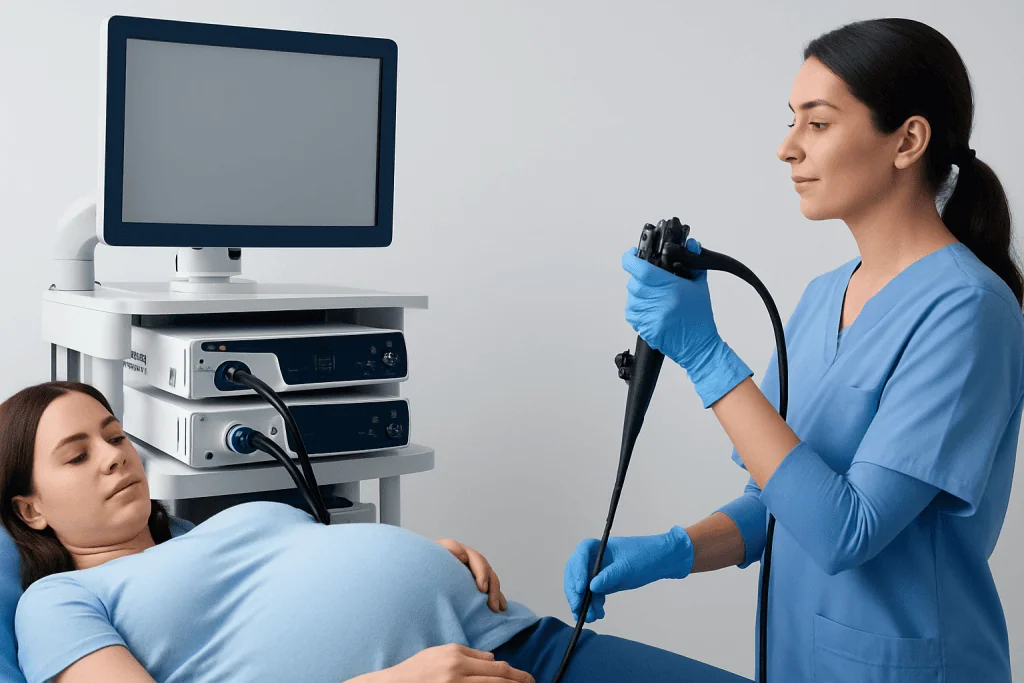
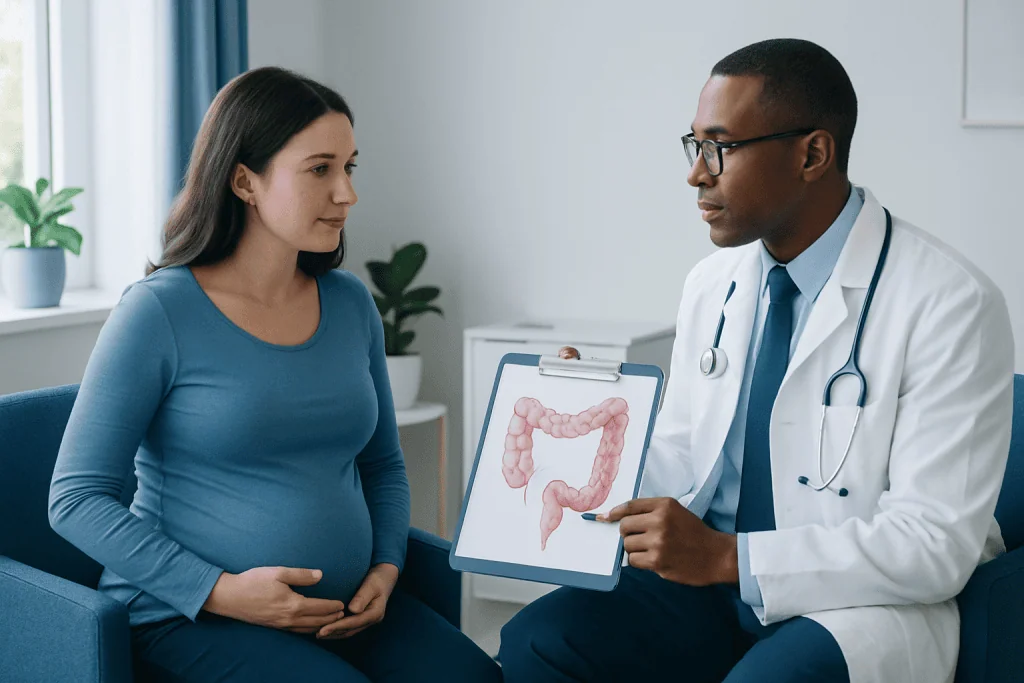
Most people do not need a colonoscopy during pregnancy. Routine colorectal cancer screening and follow-up of stable, mild digestive symptoms can usually wait until after birth. Doctors may first use a medical history, examination, blood and stool testing, ultrasound, or other approaches that do not involve bowel preparation or sedation.
Still, some symptoms warrant more direct investigation. These may include ongoing or heavy rectal bleeding, unexplained anemia, persistent severe diarrhea, marked changes in bowel habits, suspected active inflammatory bowel disease, or symptoms suggesting a blockage. A known digestive disorder, such as ulcerative colitis, may occasionally require endoscopic assessment if symptoms are severe or treatment decisions depend on knowing how active the inflammation is.
The timing matters. When colonoscopy cannot safely be delayed, clinicians often prefer the second trimester when feasible. This is not a fixed rule: an urgent problem should be assessed promptly regardless of trimester, while a non-urgent procedure should wait. The goal is to obtain essential information with the least possible intervention.
How colonoscopy works and how preparation is adjusted
During colonoscopy, a thin flexible tube with a light and camera is gently passed through the rectum and advanced through the colon. The doctor views the bowel lining on a monitor. Small tissue samples, called biopsies, can be taken if necessary, and some bleeding sources may be treated during the procedure. Biopsies do not usually cause pain because the bowel lining has limited pain sensation.
Good bowel cleansing is essential for an accurate examination. Before the procedure, the patient follows a clinician-directed diet plan and takes a prescribed bowel-cleansing medicine. During pregnancy, the specific preparation and fluid plan must be selected carefully. The medical team considers hydration, electrolyte balance, nausea, vomiting, constipation, kidney conditions and any pregnancy-related complications.
Patients should not use over-the-counter laxatives, enemas, herbal products or bowel-preparation products without advice from their obstetric and gastroenterology teams. The team may adjust instructions, recommend clear fluids within the permitted fasting window, and decide whether observation or intravenous fluids are appropriate. People with diabetes, high blood pressure, clotting conditions or severe pregnancy nausea need especially individualized guidance.
- The patient checks in and confirms pregnancy history, medications and allergies.
- Vital signs are reviewed, and the team discusses sedation and positioning.
- The procedure is commonly performed with the patient positioned to support blood flow and comfort.
- Afterward, monitoring continues until the patient is alert, stable and able to drink as advised.
What happens if I get a colonoscopy while pregnant?
If a colonoscopy is necessary during pregnancy, the experience is similar to a standard colonoscopy but with extra precautions. Before the examination, the clinicians confirm why it is needed, review possible alternatives and discuss the plan for bowel preparation, sedation and post-procedure care. Depending on gestational age, symptoms and local protocol, the obstetric team may advise on fetal assessment before and after the procedure.
During the examination, the team aims to use the minimum level of sedation needed and to avoid prolonged low blood pressure, low oxygen levels and dehydration. Positioning is also important, particularly later in pregnancy. Lying flat on the back for extended periods can reduce blood flow in some pregnant patients, so side-lying or tilted positioning may be used.
The doctor may take biopsies or perform treatment if clinically necessary. Removing a polyp or treating bleeding can add complexity, so the decision depends on the finding, pregnancy stage and urgency. After the procedure, mild bloating, gas and temporary cramping can occur because air or carbon dioxide is used to open the colon for viewing. Most people go home the same day if they are stable and no complication is suspected.
The expected benefit is a timely diagnosis that can guide appropriate care. Potential risks include effects related to bowel preparation or sedation, bleeding after a biopsy or treatment, perforation of the bowel, infection and pregnancy-related concerns. Serious complications are uncommon, but the procedure is reserved for situations where its potential value is clear.
What if you have to pee during a colonoscopy?
Needing to urinate during a colonoscopy is usually not a problem. Patients typically empty their bladder before changing into a procedure gown, and the bowel preparation often means they have already made frequent trips to the bathroom. During the procedure, many patients are sleepy from sedation and may not notice the urge as strongly.
If a patient feels uncomfortable or needs to urinate before the examination begins, they should tell a nurse. The team can help them use the bathroom and will start only when they are ready. If urinary urgency occurs after the procedure, it is generally fine to use the restroom with assistance until the sedative has fully worn off.
Pregnancy can increase urinary frequency because the growing uterus places pressure on the bladder. This should be mentioned during pre-procedure planning. The team can accommodate bathroom needs and help maintain comfort and safety, particularly if the patient feels dizzy after sedation.
When is it not safe to have a colonoscopy?
A colonoscopy may be postponed or avoided when the concern is not urgent and the potential benefits do not outweigh the risks. During pregnancy, this commonly includes routine cancer screening, surveillance after prior polyps, or assessment of stable symptoms that can be managed and monitored until after delivery.
Doctors may also delay the procedure if bowel preparation would be unsafe because of significant dehydration, uncontrolled vomiting, severe electrolyte problems or certain unstable medical conditions. A suspected bowel perforation, severe acute inflammation of the colon, severe cardiopulmonary instability or an inability to tolerate preparation and sedation may require a different emergency assessment plan rather than a routine colonoscopy.
Pregnancy-specific concerns also influence timing. Threatened miscarriage, significant vaginal bleeding, preterm labor symptoms, severe preeclampsia or other obstetric complications require obstetric assessment first. This does not mean that digestive emergencies are ignored; instead, clinicians coordinate the safest diagnostic strategy and perform endoscopy only if it is truly necessary.
Patients should tell their clinicians about blood-thinning medicines, previous reactions to sedation, heart or lung disease, sleep apnea, kidney disease and all supplements. Medications must never be stopped independently, especially during pregnancy. The prescribing clinician and procedural team can advise on safe adjustments.
Can I go under general anesthesia while pregnant?
General anesthesia can be given during pregnancy when surgery or another essential procedure requires it, but it is not usually needed for colonoscopy. Most colonoscopies use no sedation, light sedation or monitored anesthesia care, depending on the patient’s needs and the procedure’s complexity. The safest approach is the least intensive option that still allows a complete and tolerable examination.
When anesthesia is needed, an anesthesia professional selects medicines and monitoring approaches based on pregnancy stage, medical history and the reason for the procedure. Modern anesthetic care focuses on maintaining adequate oxygenation, blood pressure and breathing, because maternal stability supports fetal well-being. No procedure is entirely without risk, which is why elective procedures are generally deferred.
Patients should not avoid needed medical care solely because anesthesia may be involved. Instead, they should ask why the procedure is necessary now, whether there are alternatives, what type of sedation is planned and how their obstetric clinician will be involved. A coordinated discussion can help the patient make an informed decision.
Recovery, self-care and when to seek medical care
Recovery after an uncomplicated colonoscopy is usually brief. Bloating, passing gas and mild cramps may last for several hours. Sedation can cause drowsiness and slower reaction times for the rest of the day, so patients should arrange a responsible adult to take them home and should not drive, make important decisions, drink alcohol or operate machinery until instructed that it is safe.
Patients should follow the care team’s advice about restarting food, fluids and regular medicines. Hydration is particularly important after bowel preparation. Biopsy results, if samples were taken, may take several days or longer. The gastroenterologist explains what was seen during the procedure and when follow-up with obstetric or digestive specialists is needed.
When to seek medical care: Promptly contact the procedural team or seek urgent medical assessment for heavy or ongoing rectal bleeding, worsening or severe abdominal pain, fever, repeated vomiting, fainting, shortness of breath, inability to keep fluids down, contractions, vaginal bleeding, leakage of fluid or reduced fetal movement later in pregnancy. These symptoms do not always indicate a serious complication, but they should be assessed without delay.
For international patients, Acibadem International’s multidisciplinary specialists and JCI-accredited hospitals can coordinate gastroenterology, obstetric and anesthesia assessment when an endoscopic procedure is being considered during pregnancy.
Frequently asked questions
Can you get a colonoscopy while pregnant?
Yes, a colonoscopy can be performed during pregnancy when there is a strong medical reason, such as significant bleeding or suspected serious bowel disease. However, elective screening and non-urgent procedures are generally delayed until after delivery. The decision should involve gastroenterology, obstetric and anesthesia professionals.
Is the second trimester the safest time for a colonoscopy?
If a necessary colonoscopy can be scheduled rather than performed urgently, clinicians often prefer the second trimester. This period may avoid some early-pregnancy developmental concerns and late-pregnancy positioning challenges. However, urgent symptoms need assessment at any stage of pregnancy.
Can bowel preparation harm the pregnancy?
Bowel preparation can lead to fluid loss, nausea and electrolyte changes, so it requires individualized medical guidance during pregnancy. A clinician may adjust the product, diet instructions and hydration plan based on the patient’s health and pregnancy status. Patients should not start any preparation product without approval from their care team.
Will the baby be monitored during a colonoscopy?
The approach to fetal assessment depends on the stage of pregnancy, the reason for the procedure and local clinical practice. The obstetric team may recommend checking fetal well-being before and after the procedure when appropriate. Continuous monitoring is not necessary or feasible in every situation, but maternal oxygenation and blood pressure are carefully monitored.
Can a colonoscopy cause miscarriage or preterm labor?
Available clinical experience suggests that necessary endoscopy can be performed with careful planning, but no invasive procedure is completely risk-free during pregnancy. The concern is one reason elective colonoscopies are postponed. For a serious digestive problem, delaying diagnosis may carry greater risk than proceeding with an appropriately managed procedure.
How soon can someone return to normal activities after a colonoscopy during pregnancy?
After an uncomplicated procedure, many people resume light activities the next day. If sedation was used, rest is recommended for the remainder of the procedure day and driving should be avoided until the care team says it is safe. Recovery may take longer if treatment was performed, symptoms were severe or an obstetric complication is present.
References
- American College of Gastroenterology
- American Society for Gastrointestinal Endoscopy
- American College of Obstetricians and Gynecologists
- National Institute of Diabetes and Digestive and Kidney Diseases
This article is for general information only and is not a substitute for professional medical advice. Please consult a qualified doctor about your individual situation.
Persistent digestive symptoms? Get evaluated in Turkey
JCI-accredited · board-certified surgeons · reply within 24h
Add us as a Preferred Source to see more of our trusted health content across Google Search, AI Overviews and Discover.
Check your numbers in seconds
BMI, calories, due date, blood pressure and 30+ more clinical calculators — free, instant, doctor-reviewed ranges.

More from the Health Library



Related Specialists

Assoc. Prof. Dr. Mustafa Aytek Şimşek
Cardiology
Prof. Dr. Serkan Erkanlı
Gynecology & Obstetrics
Dr. Ömer Faruk Karakoç
Emergency Service
Dr. Vusal Mahmudov
Cardiovascular Surgery