

Pituitary Gland Disease Treatment: How It Works, Results and What to Expect

Not every pituitary lesion needs immediate treatment; small, non-functioning lesions may be monitored with scans, vision testing and hormone checks. Treatment choices depend on whether the pituitary gland is producing too much or too little hormone, the size and growth of a lesion, and its effects on nearby structures.
Key Takeaways
- Not every pituitary lesion needs immediate treatment; small, non-functioning lesions may be monitored with scans, vision testing and hormone checks.
- Treatment choices depend on whether the pituitary gland is producing too much or too little hormone, the size and growth of a lesion, and its effects on nearby structures.
- Many pituitary tumors are benign, but they can still need treatment if they affect hormones, vision or surrounding tissues.
- Most pituitary operations are performed through the nose using an endoscopic transsphenoidal approach, avoiding an incision in the skull.
- Long-term endocrine follow-up is important because hormone levels can change after treatment, sometimes months or years later.
Pituitary gland disease treatment is tailored to the underlying condition and may involve regular monitoring, hormone-controlling medicines, surgery, radiotherapy or hormone replacement. The aim is to protect vision and brain structures, restore hormone balance where possible, and support long-term health through specialist follow-up.
Pituitary gland disease treatment: how it works
Pituitary gland disease treatment works by addressing the specific problem affecting this small hormone-producing gland at the base of the brain. Depending on the diagnosis, care may involve observation, medication, surgery, radiotherapy, or replacement of hormones that the body is not making in sufficient amounts. A specialist team uses symptoms, blood tests, imaging and eye assessments to choose the safest and most effective approach.
Many pituitary conditions involve a pituitary adenoma, a usually non-cancerous growth that can alter hormone production or press on nearby structures. Treatment is not based on size alone. A small growth producing excess hormone may require prompt treatment, while a larger non-functioning growth may be monitored or treated because of pressure on the optic nerves. Related endocrine conditions can include pituitary adenoma, which requires individualized assessment.
The pituitary gland influences thyroid function, adrenal hormones, growth, reproduction, milk production and water balance. For this reason, care commonly involves endocrinologists, neurosurgeons, neuroradiologists, ophthalmologists and, when needed, radiation oncologists. The treatment plan also considers age, general health, pregnancy plans, the type of hormone disturbance and the person’s preferences.
Symptoms and conditions that may need treatment
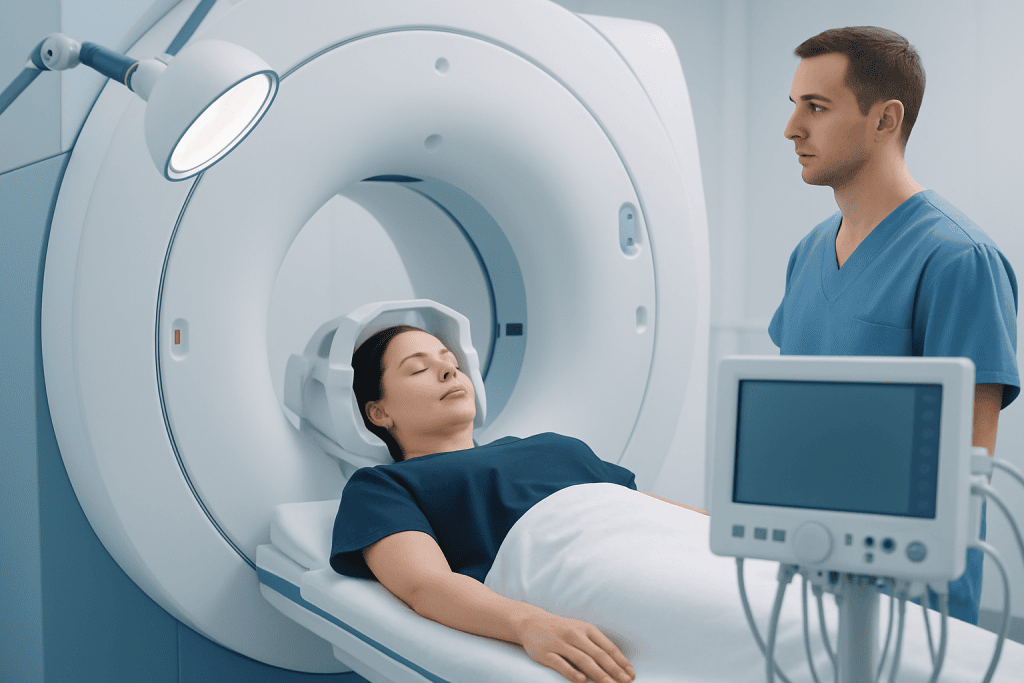
Pituitary disorders can cause symptoms through two main pathways: changes in hormone levels or pressure from an enlarged gland or tumor. Hormone excess may lead to changes such as irregular menstrual periods, reduced fertility, milk discharge unrelated to breastfeeding, loss of sexual interest, weight or body-shape changes, excessive sweating, changes in facial features, high blood pressure, or symptoms of an overactive thyroid. Hormone deficiency can cause tiredness, weakness, low blood pressure, reduced libido, infertility, sensitivity to cold or unexplained weight changes.
Pressure effects are especially important because the optic nerves cross close to the pituitary gland. A growing lesion can cause headaches, blurred vision, loss of side vision, double vision or difficulty with eye movement. Sudden bleeding into a pituitary tumor, known as pituitary apoplexy, can cause abrupt severe headache, visual symptoms, nausea, confusion or collapse and needs urgent medical assessment.
Symptoms often develop gradually and may overlap with many other health conditions. This is why diagnosis should not rely on symptoms alone. A clinician can determine whether a pituitary condition is likely and arrange appropriate hormone tests and imaging.
What are the symptoms of an enlarged pituitary gland?

An enlarged pituitary gland may cause no symptoms, particularly if the enlargement is mild or found incidentally on a scan. When symptoms do occur, they can result from hormone changes, pressure on nearby structures, or both. Headache, blurred vision and reduced peripheral vision are possible pressure-related symptoms, although headaches are common and do not by themselves confirm a pituitary problem.
Hormonal symptoms depend on which pituitary cells are affected. Possible signs include menstrual changes, fertility problems, erectile difficulties, breast milk production when not breastfeeding, fatigue, thirst and frequent urination, altered body composition, changes in shoe or ring size, or features of cortisol excess such as easy bruising and muscle weakness. Children and adolescents may have changes in growth or pubertal development.
Enlargement can occur for reasons other than a tumor, including normal physiological changes in pregnancy, inflammation, certain medications and long-standing reduced function of a target gland such as the thyroid. An endocrinologist can interpret test results in context and advise whether treatment, repeat imaging or observation is appropriate.
Candidacy and choosing a treatment plan
People may be candidates for active treatment when a pituitary lesion affects vision, grows on follow-up imaging, produces excess hormones, causes significant hormone deficiency, or has features that raise concern for complications. The choice of treatment differs substantially among conditions. For example, medicines are often the first treatment for prolactin-producing tumors, while surgery is frequently considered for lesions compressing the optic nerves or for hormone-producing tumors that cannot be controlled adequately with medication.
Initial evaluation usually includes blood tests for pituitary and target-gland hormones, magnetic resonance imaging (MRI) of the pituitary region, and formal visual field testing when the lesion is close to the optic pathways. Additional testing may be needed to confirm conditions involving excess cortisol, growth hormone or thyroid-stimulating hormone. The team also reviews current medicines, other medical conditions and previous treatments.
Some people are best served by careful observation rather than immediate intervention. This approach can include planned MRI scans, hormone testing and vision assessments. Monitoring is active medical care: it helps identify meaningful changes early while avoiding unnecessary treatment for stable lesions that are not causing harm.
Treatment options and the procedure step by step
Medication may reduce hormone production, shrink certain tumors or manage symptoms while further decisions are made. Dopamine agonists are commonly used for prolactinomas. Other medicines may be used to control excess growth hormone or cortisol when surgery is not suitable, when the condition persists after surgery, or while awaiting the full effect of radiotherapy. If the gland does not produce enough hormone, carefully monitored hormone replacement can be essential.
For many pituitary tumors requiring removal, the usual operation is endoscopic transsphenoidal surgery. The surgeon passes a small camera and instruments through the nostrils and sphenoid sinus to reach the pituitary area, rather than opening the skull. During pituitary tumor surgery, the surgical team aims to remove as much of the lesion as is safely possible while protecting the normal pituitary gland, optic pathways, blood vessels and surrounding nerves.
The procedure generally involves anesthesia, navigation using detailed imaging, endoscopic access through the nose, careful tumor removal and closure of the surgical area. The precise steps vary with tumor size, location and whether it extends beyond the pituitary region. In selected complex cases, a different surgical approach may be considered. Radiotherapy, including focused techniques, may be recommended for residual or recurrent tumor tissue, particularly when further surgery is not appropriate.
Treatment response is assessed through symptoms, hormone measurements, vision testing and follow-up MRI. Successful treatment can mean hormone normalization, tumor control, preservation or improvement of vision, and relief of pressure symptoms. Results differ by diagnosis, tumor characteristics and the treatment used, so the treating team can provide the most relevant expectations for an individual situation.
Recovery timeline, benefits and possible risks
After transsphenoidal surgery, many people stay in hospital for a short period while the team monitors fluid balance, blood sodium levels, neurological status, vision and hormone function. Nasal congestion, fatigue and mild headache can occur during early recovery. People are usually given specific instructions about nasal care, activity, lifting, bending, straining and follow-up appointments.
Recovery varies, but daily activities often resume gradually over the following weeks. Blood tests may be performed soon after surgery and repeated later because pituitary hormone levels can change as healing progresses. Follow-up MRI is commonly arranged to assess the surgical result and establish a new baseline. Some people need temporary hormone replacement; others may need long-term replacement if normal pituitary function does not fully recover.
Potential benefits include reduced pressure on the optic nerves, improved visual symptoms, better control of hormone excess and removal or reduction of tumor tissue. Possible risks include bleeding, infection, leakage of cerebrospinal fluid, changes in water and sodium balance, injury to normal pituitary tissue, persistent hormone abnormalities and incomplete tumor removal. Rarely, important nearby structures may be affected. The surgical team discusses personal risks before treatment and provides instructions on symptoms that need urgent review.
What is life like after pituitary tumor surgery?
Life after pituitary tumor surgery is often defined by gradual recovery and regular endocrine follow-up. Many people return to work, family life and usual activities after healing, particularly when hormone levels and vision are stable. However, recovery is individual, and energy levels may take time to return to normal.
Some people experience improvement in symptoms caused by hormone excess or pressure on nearby tissues. Others need ongoing treatment for hormone deficiency, which may involve replacing one or more hormones and learning how to use medicines safely during illness, travel or other periods of physical stress. Regular testing helps clinicians adjust treatment as the body’s needs change.
Long-term surveillance is important even after a successful operation because some tumors can leave a small remnant or recur. Follow-up may include MRI scans, vision checks and blood tests at intervals recommended by the care team. Emotional adjustment also matters; discussing concerns about fatigue, appearance changes, fertility, sexual health or anxiety with a clinician can help ensure comprehensive support.
What to avoid with a pituitary tumor?
A person with a pituitary tumor should avoid stopping prescribed hormone medicines or tumor-controlling medicines without medical guidance. This is particularly important for adrenal hormone replacement, as abruptly stopping it can be dangerous. They should also avoid assuming that supplements, detox products or unregulated hormonal products can treat a pituitary condition; some can interfere with testing, hormone balance or prescribed medicines.
Before surgery, clinicians may advise avoiding certain medicines or supplements that increase bleeding risk, but this should always be based on individualized instructions. After transsphenoidal surgery, people are commonly asked for a period to avoid nose blowing, heavy lifting, straining, vigorous exercise and activities that raise pressure in the head. The duration depends on the operation and surgeon’s advice.
It is sensible to tell every healthcare professional about the pituitary condition and all current medicines. People taking steroid replacement should ask their endocrinology team for clear sick-day guidance and may need to carry medical alert information. Pregnancy planning should also be discussed early, since pituitary disorders and their treatments can affect fertility and require tailored monitoring.
When to seek medical care
Medical assessment is appropriate for persistent visual changes, new side-vision difficulty, unexplained milk discharge, significant menstrual or sexual-function changes, worsening fatigue with other hormone-related symptoms, or persistent headaches accompanied by neurological or visual symptoms. People already diagnosed with a pituitary condition should attend planned monitoring appointments even if they feel well.
Urgent medical care is needed for a sudden severe headache with loss or change of vision, double vision, fainting, confusion, severe vomiting, weakness, or a marked deterioration in general condition. These symptoms may have several causes, but they require prompt evaluation, particularly in someone known to have a pituitary tumor.
At Acibadem International, multidisciplinary specialists in endocrinology, neurosurgery, imaging and ophthalmology assess and treat pituitary conditions for international patients in JCI-accredited hospitals. A qualified team can explain whether monitoring, medication, surgery or another approach best fits the diagnosis and health needs.
Frequently asked questions
What happens if a pituitary tumor goes untreated?
The outcome depends on the tumor type, size, growth pattern and whether it changes hormone production. Some small, non-functioning tumors remain stable and can be monitored safely, while others may gradually affect vision, normal pituitary function or hormone balance. Hormone-producing tumors may cause complications over time if excess hormones are not controlled, so specialist follow-up is important.
Can pituitary gland disease be treated without surgery?
Yes. Some pituitary conditions are treated with medication, hormone replacement or regular monitoring rather than surgery. For example, medicines are often effective for prolactin-producing tumors. Surgery may be advised when there is visual compression, significant tumor growth, uncontrolled hormone excess or another clear reason for removal.
Are pituitary tumors cancerous?
Most pituitary tumors are adenomas, which are non-cancerous growths. Even when benign, they can affect health by changing hormone levels or pressing on nearby structures such as the optic nerves. Very rarely, pituitary cancer occurs, but it is not the typical form of pituitary tumor.
How long does recovery take after pituitary surgery?
Early recovery usually takes days to a few weeks, while full return of energy and adjustment of hormone levels can take longer. The timeline varies with the size and type of tumor, the extent of surgery, and whether hormone replacement is needed. Follow-up testing remains important after a person feels physically recovered.
Will hormone problems go away after treatment?
Some hormone abnormalities improve or resolve after successful medical or surgical treatment, especially when caused by hormone-producing tumor tissue. In other cases, the normal pituitary gland may need time to recover or may not fully regain function. Ongoing blood tests help determine whether long-term hormone replacement or additional treatment is needed.
Can a pituitary tumor come back after surgery?
A pituitary tumor can sometimes persist or recur, particularly if a small portion could not be safely removed. This does not always mean that immediate further treatment is necessary; the decision is based on growth, hormone activity, symptoms and imaging results. Regular MRI and hormone follow-up allow changes to be identified and managed early.
References
- Endocrine Society
- Pituitary Society
- National Institute of Neurological Disorders and Stroke
- National Institute of Diabetes and Digestive and Kidney Diseases
- Mayo Clinic
This article is for general information only and is not a substitute for professional medical advice. Please consult a qualified doctor about your individual situation.
Oncology care in Turkey — second opinion and treatment plan
JCI-accredited · board-certified surgeons · reply within 24h
Add us as a Preferred Source to see more of our trusted health content across Google Search, AI Overviews and Discover.
Check your numbers in seconds
BMI, calories, due date, blood pressure and 30+ more clinical calculators — free, instant, doctor-reviewed ranges.

More from the Health Library



Related Specialists

Prof. Dr. Süleyman Özyalçin
Treatment of Pain Algology
Assoc. Prof. Dr. Nezih Ziroğlu
Orthopedic Surgery & Traumatology
Dr. Başaran Koç
Family Medicine
Dyt. Müzeyyen Çelik
Nutrition and Diet