Catheter Related Bloodstream Infection: An Evidence-Based Patient Guide

Catheter related bloodstream infection is usually caused by skin bacteria entering around or inside an IV catheter. Fever or chills in a person with a catheter should be assessed promptly, especially during or soon after catheter use.
Key Takeaways
- Catheter related bloodstream infection is usually caused by skin bacteria entering around or inside an IV catheter.
- Fever or chills in a person with a catheter should be assessed promptly, especially during or soon after catheter use.
- Diagnosis commonly involves blood cultures from the catheter and a separate vein, alongside a clinical examination.
- Treatment is guided by the suspected or identified germ and may require catheter removal, intravenous antibiotics and monitoring for complications.
- Careful hand hygiene, sterile insertion technique and daily review of catheter need help prevent these infections.
A catheter related bloodstream infection occurs when germs enter the bloodstream through an intravenous catheter, particularly a central venous catheter. Prompt assessment is important because treatment may include blood cultures, intravenous antibiotics and removal or replacement of the catheter when it is no longer safe to keep.
Overview: What Is a Catheter-Related Bloodstream Infection?
A catheter related bloodstream infection (CRBSI) is an infection in which bacteria or fungi enter the blood through an intravascular catheter. These devices are placed into a vein to deliver medicines, fluids, nutrition, blood products or treatments such as chemotherapy, or to obtain blood samples. Central venous catheters, including peripherally inserted central catheters (PICCs), implanted ports and temporary central lines, carry a greater risk than short peripheral IV cannulas because they remain in place longer and reach larger central veins.
A bloodstream infection needs timely medical attention because germs can spread through the body and may lead to sepsis. Most cases are treatable, particularly when they are recognized early. The care team will assess the catheter, take blood cultures, start treatment when appropriate and decide whether the device can safely remain in place.
Not every fever in a person with a catheter is caused by the catheter. Viral illnesses, infections in the lungs or urinary tract, medication reactions and the underlying medical condition may also be possible. For this reason, clinicians use symptoms, examination findings and laboratory testing together before confirming the source of infection.
What Is the Most Common Cause of Catheter-Related Sepsis?
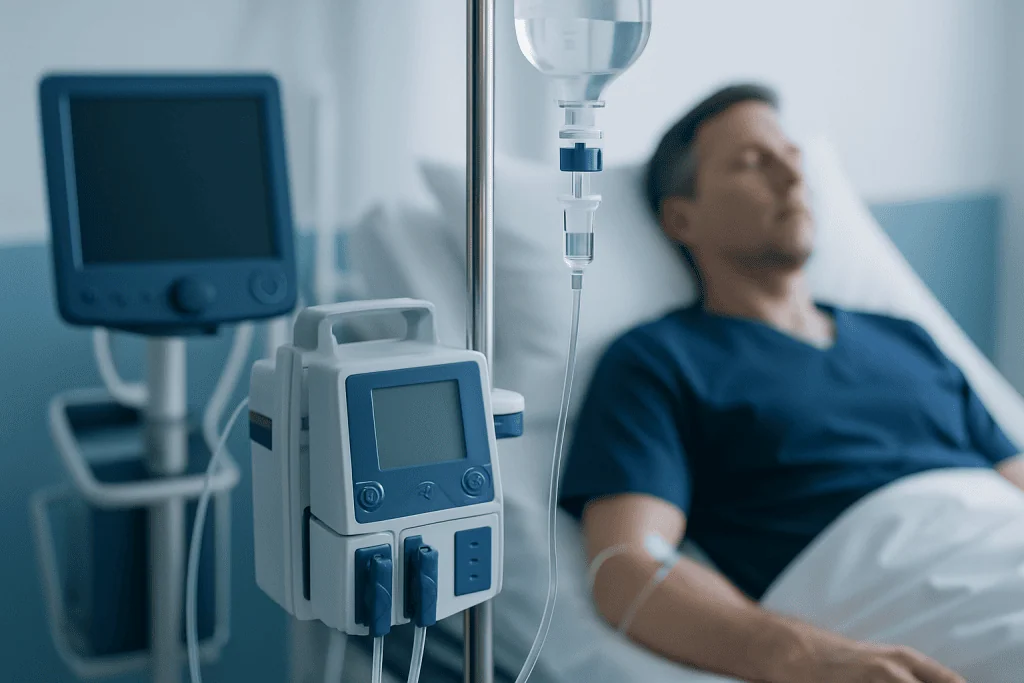
The most common cause of catheter-related sepsis is contamination with bacteria that normally live on the skin. These germs can enter at the point where the catheter passes through the skin, migrate along the outer surface of the catheter, or enter through the catheter hub or connector during handling. Staphylococci, including coagulase-negative staphylococci and Staphylococcus aureus, are frequent causes.
Microorganisms may form a biofilm, a thin protective layer that adheres to the catheter surface. Biofilms make it harder for the immune system and antibiotics to clear organisms completely. This is one reason why removal of the catheter is sometimes recommended, especially with certain bacteria or fungi, severe illness, persistent positive blood cultures or signs of infection outside the bloodstream.
Risk may increase when a catheter is needed for a long time, is accessed often, is used in emergency circumstances, or is present during intensive treatment. Serious illness, weakened immunity, kidney failure requiring dialysis, total parenteral nutrition and poor skin integrity can also raise risk. These factors do not mean an infection will occur; they help clinicians plan extra prevention and monitoring.
Symptoms and When to Seek Medical Care

Symptoms can begin while a catheter is being used or at other times. Common signs include fever, chills or shaking, feeling suddenly unwell, fatigue, nausea, a rapid heartbeat or low blood pressure. Some people have redness, warmth, pain, swelling, drainage or tenderness around the catheter site, but a site can look normal even when a bloodstream infection is present.
People with a catheter should contact their treating team urgently for fever, chills, new confusion, unusual weakness, shortness of breath, dizziness, pain or discharge at the catheter site, or a sudden feeling of being seriously unwell. They should not attempt to remove, flush or repair the catheter themselves unless they have been specifically instructed to do so by their clinical team.
Emergency medical care is needed for severe chills, fainting, confusion, difficulty breathing, blue or pale skin, persistent vomiting, very low urine output, severe weakness or signs of shock. These symptoms can have several causes, but they require urgent evaluation. Early care can help identify sepsis and begin appropriate treatment without delay.
How to Diagnose a Catheter-Related Bloodstream Infection?
Diagnosis begins with a review of symptoms, catheter type, reason for catheter use, recent access or dressing changes and any other possible source of infection. The clinician will examine the catheter exit site and tunnel area, check vital signs and look for signs of infection elsewhere in the body. A diagnosis of CRBSI is made carefully because a positive culture alone may sometimes represent contamination rather than a true bloodstream infection.
Blood cultures are central to the evaluation. Whenever possible, samples are collected from the catheter and from a separate peripheral vein before antibiotics are started. The laboratory identifies the organism and tests which antibiotics are likely to work. Differences in the timing of growth or the number of organisms in samples can help indicate whether the catheter is the likely source.
Additional tests may include a complete blood count, kidney and liver tests, inflammatory markers and imaging when clinically indicated. If certain organisms are found, blood cultures stay positive, or symptoms suggest spread beyond the bloodstream, clinicians may investigate for complications involving the heart, blood vessels, bones or other tissues. These decisions are individualized and depend on the organism, the type of catheter and the person’s overall condition.
Healthcare-associated infections are evaluated by infectious diseases specialists, nursing teams, microbiology laboratories and the clinicians managing the underlying condition. This coordinated approach supports both infection control and continuity of essential treatment.
Treatment Options: Antibiotics and Catheter Management
Treatment for catheter related bloodstream infection is based on how unwell the person is, the catheter type, whether there is another reliable route for treatment, and the organism suspected or found in cultures. If there are signs of sepsis or a strong clinical concern for infection, clinicians may begin empiric intravenous antibiotics after cultures are taken, then narrow or change treatment once laboratory results are available.
What antibiotics are commonly used to treat catheter-related bloodstream infections? Initial treatment often needs coverage for common skin bacteria, including resistant staphylococci, and may involve vancomycin in settings where it is appropriate. Depending on the person’s condition, local resistance patterns and risk factors, treatment may also cover gram-negative bacteria with medicines such as cefepime, piperacillin-tazobactam or a carbapenem. Antifungal treatment may be considered when Candida infection is suspected or confirmed. The final choice, route and duration must be prescribed by the treating clinician and tailored to culture results, allergies, kidney function and the infection’s severity.
Catheter removal is often recommended for severe infection, persistent bloodstream infection, tunnel or port-pocket infection, infection caused by Staphylococcus aureus, Pseudomonas species, fungi or certain other organisms, or when complications are present. In selected stable cases involving uncomplicated infection and a catheter that is difficult to replace, clinicians may consider catheter salvage with systemic antibiotics and, in some situations, an antibiotic lock solution. This decision requires close specialist oversight.
The practical procedure may involve stopping use of the suspected line, obtaining cultures, administering treatment and removing the catheter using sterile technique if indicated. If ongoing intravenous access remains necessary, a new device is generally placed at a different site after the care team considers infection control and treatment needs. Recovery timing varies: fever and chills often improve after effective treatment begins, while follow-up cultures and the full antibiotic course help confirm that the infection has cleared.
Benefits, Risks and Recovery After Treatment
The main benefit of prompt treatment is control of infection before it spreads or causes complications. Removing an infected catheter can eliminate an important source of organisms, while targeted antimicrobial treatment addresses infection in the bloodstream and other affected sites. Follow-up blood cultures may be taken to confirm that treatment is working.
Potential treatment-related issues include medication side effects, allergic reactions, diarrhea, changes in kidney or liver function and the inconvenience or discomfort of replacing vascular access. Antibiotics can also alter normal bacteria in the body, so they should be used only under medical supervision and adjusted when culture results allow. Catheter removal may temporarily interrupt treatment that depends on venous access, but this is balanced against the safety risks of retaining an infected device.
Recovery depends on the germ involved, the person’s immune health, whether the catheter was removed and whether complications are found. People should attend all planned follow-up appointments, complete treatment exactly as directed and report recurrent fever, chills or catheter-site changes promptly. They should avoid restarting use of a catheter until their care team confirms it is appropriate.
Acibadem International’s multidisciplinary specialists and JCI-accredited hospitals support international patients who need evaluation and treatment for catheter-related infections, coordinating infectious diseases care with the specialty team managing the catheter-dependent treatment.
Prevention and Safe Catheter Care
Many catheter related bloodstream infections can be prevented through consistent infection-control practices. Clinicians use hand hygiene, sterile barriers during central-line placement, skin antisepsis and careful device selection. The catheter should be inserted only when needed and removed as soon as it is no longer necessary.
During ongoing care, trained staff clean catheter hubs before access, use sterile dressing techniques and inspect the site regularly. Patients and caregivers can support this work by cleaning their hands before touching the dressing or tubing, keeping the dressing clean and dry, and asking the team how to protect the catheter during bathing and daily activities. A loose, wet or soiled dressing should be reported rather than changed at home unless the person has received formal training and instructions.
It is helpful to ask at appointments whether the catheter is still needed and what signs should trigger a call to the care team. Home infusion and dialysis patients should follow their program’s specific instructions for flushing, dressing care and connector changes. These instructions differ by device and treatment plan, so personalized guidance is safer than relying on general advice alone.
Frequently asked questions
What is a catheter-related bloodstream infection?
A catheter-related bloodstream infection is an infection caused by germs entering the blood through an IV catheter. It is most often associated with central venous catheters, such as PICC lines, ports and central lines. Blood cultures and clinical assessment are used to determine whether the catheter is the source.
What is the most common cause of catheter-related sepsis?
The most common cause is skin bacteria entering the catheter at the insertion site or through the hub during access. Staphylococci are among the organisms most frequently involved. These organisms can attach to the catheter and form a biofilm, which can make the infection harder to clear.
How do doctors diagnose a catheter-related bloodstream infection?
Doctors usually take blood cultures from the catheter and from a separate peripheral vein, ideally before antibiotics are given. They also assess symptoms, examine the catheter site and look for other possible infection sources. Further blood tests or imaging may be needed depending on the organism and clinical findings.
What antibiotics are commonly used to treat catheter-related bloodstream infections?
Initial antibiotics often cover common skin bacteria, and vancomycin may be used in some settings while culture results are pending. Other medicines may be needed for gram-negative bacteria or fungal infections, depending on individual risk factors and laboratory results. The treatment plan should always be selected and monitored by a qualified clinician.
Does an infected catheter always need to be removed?
No, but removal is often the safest option in severe infection, persistent infection or infection caused by certain bacteria or fungi. In selected uncomplicated cases, clinicians may try to preserve the catheter with carefully chosen antibiotics and close monitoring. The decision depends on the organism, catheter type, need for access and the person’s condition.
How quickly do symptoms improve after treatment starts?
Fever and chills may begin to improve within a short time after effective treatment and source control, but the timeline varies. Repeat blood cultures and clinical monitoring are important because symptoms alone cannot confirm that infection has cleared. People should report persistent or returning symptoms promptly.
References
- Centers for Disease Control and Prevention
- Infectious Diseases Society of America
- World Health Organization
- National Institute for Health and Care Excellence
- Society for Healthcare Epidemiology of America
This article is for general information only and is not a substitute for professional medical advice. Please consult a qualified doctor about your individual situation.
Oncology care in Turkey — second opinion and treatment plan
JCI-accredited · board-certified surgeons · reply within 24h
Add us as a Preferred Source to see more of our trusted health content across Google Search, AI Overviews and Discover.
Check your numbers in seconds
BMI, calories, due date, blood pressure and 30+ more clinical calculators — free, instant, doctor-reviewed ranges.

More from the Health Library



Related Specialists

Gülçin Selen Akgün
Physical Medicine & Rehabilitation
Assoc. Prof. Dr. Ceren Yıldız Eren
Gynecology & Obstetrics
Dr. İbrahim Cingöz
Pediatrics
Dr. Esen Canbaz
Ophthalmology